
Sauces & Condiments
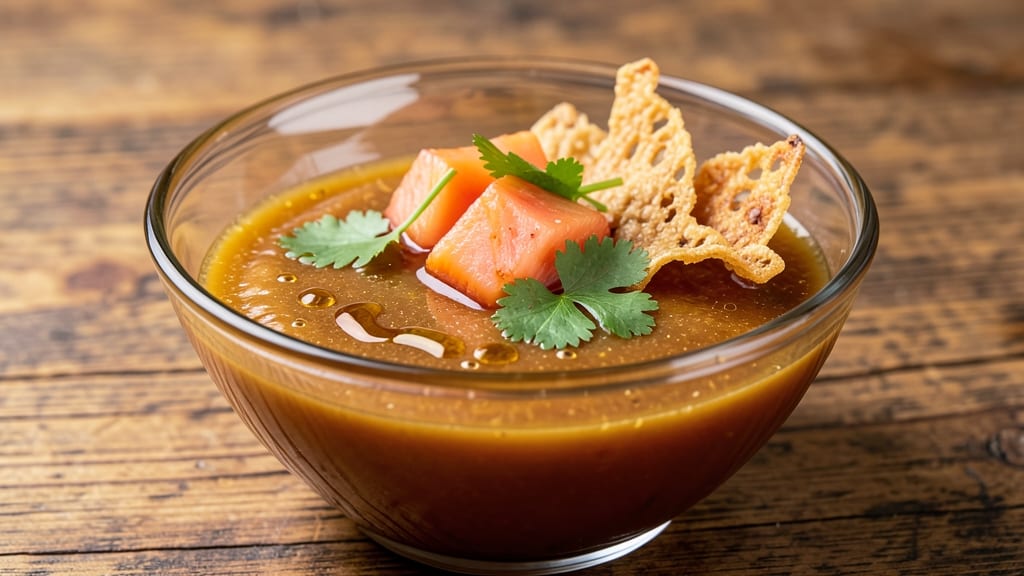
Recreating Pf Chang's sweet and sour sauce at home delivers that signature tangy pineapple brightness and umami depth—without the restaurant price tag. The secret lies in balancing vinegar, sugar, and ketchup with a touch of pineapple juice for that signature tropical tang.
I've perfected this sauce over years of testing, ensuring it's smooth, glossy, and packed with flavor that clings perfectly to stir-fries or dumplings.
This sauce comes together in just 15 minutes with simple pantry staples, yet delivers restaurant-quality results every time. The key is simmering the ingredients until thickened—no lumps, no aftertaste, just that perfect harmony of sweet, sour, and savory.
I've adjusted the sweetness and tang levels to match the original while making it adaptable for different tastes.
What you'll end up with is a glossy, vibrant sauce that's ideal for stir-fries, dumplings, or even as a marinade. The pineapple juice adds depth while the vinegar keeps it bright, creating a balance that's both familiar and elevated.
This sauce keeps well in the fridge for up to 2 weeks, making it perfect for meal prep.
The best part? You can tweak the sweetness or tang to your preference—just add a splash more sugar or vinegar as needed. Let's make this sauce that brings restaurant flavor to your home kitchen.
Ingredients for pf chang's sweet and sour sauce
Eight simple ingredients transform into that iconic tangy, glossy sauce you crave from Pf Chang's.
| Ingredient | Amount | Notes |
|---|---|---|
| White Vinegar 💧 | ½ cup | Distilled white preferred for brightness |
| Granulated White Sugar 🍬 | ¾ cup | Superfine for faster dissolving |
| Tomato Ketchup 🍅 | ½ cup | Heinz or Hunt's preferred for consistency |
| Pineapple Juice 🍍 | ¼ cup | Freshly squeezed, not canned |
| Soy Sauce 🍜 | 2 tbsp | Light or regular, not low-sodium |
| Cornstarch 🌾 | 1 tbsp | For perfect thickening consistency |
| Water 💧 | ¼ cup | Room temperature for smooth mixing |
| Garlic Cloves 🧄 | 2 cloves | Minced for subtle umami depth |
| Sesame Oil 🫒 | 1 tsp | Toasted sesame for nutty aroma |
| Salt 🧂 | ½ tsp | Diamond Crystal kosher preferred |
The white vinegar is non-negotiable—it's what gives that signature tang. Mallard's or Heinz white vinegar from the store works perfectly, but if you've got a bottle of apple cider vinegar, use that instead (just add a pinch more sugar to balance). The sugar should be superfine if you can find it—it dissolves faster and prevents graininess. For the ketchup, Heinz or Hunt's are the gold standards; they've got that perfect balance of sweetness and acidity without being too thick. Pineapple juice is where the magic happens—freshly squeezed has that vibrant brightness you can't get from canned. If you're using canned, look for Dole or Del Monte brands with no added sugar.
No cornstarch? Arrowroot powder at the same amount works just as well. Short on sesame oil? Toasted sesame seeds at half the amount will give you that nutty aroma, though it won't be as smooth. Want more depth? Add a splash of fish sauce (1 tsp)—it's what gives the original that umami punch. The garlic is subtle but essential; if you're not a fan, you can skip it, but trust me, it elevates the sauce. For a quicker version, you can use bottled pineapple juice, but fresh is absolutely worth the extra minute if you've got it.
This sauce thickens as it cools, so don't worry if it looks a little thin right after simmering. Store it in a clean glass jar in the fridge for up to 2 weeks. It reheats beautifully—just warm it gently on the stove or microwave until hot. I always make a double batch because it disappears fast. The sauce freezes well too if you've got extra—just portion it into ice cube trays for easy single-use servings later.
Why You'll Love This Recipe
- Pantry Magic: I swear by this sauce because it uses stuff I already have—no special trips to the store. White vinegar cuts through the sweetness, while the pineapple juice adds that bright, tangy punch that makes it taste restaurant-level without the fuss.
- Tangy-Sweet Balance: That perfect bite? It’s all in the ratio—sugar and ketchup for richness, soy sauce for umami, and vinegar to keep it from being cloying. Honestly, it’s the kind of flavor that makes you pour it on everything once you try it.
- Weeknight Workhorse: Slap this on chicken, toss it with veggies, or drizzle it over rice—it’s my go-to when I’m too tired to think. And because it’s liquid-based, it reheats like a dream, so leftovers? Never a problem.
- Budget-Friendly Upgrade: For under $5, I get enough sauce to feed my family for days. The sugar and ketchup bulk it up, while the pineapple juice (or even juice concentrate) keeps costs low. Between us, this is how I make takeout taste almost as good as the real thing.
Step-by-step instructions for sweet and sour sauce
Here's the method that delivers that signature tangy-sweet balance with restaurant-quality depth.
Create the Base Mixture
In a medium saucepan, combine the 0.5 cup white vinegar, 0.75 cup granulated white sugar, 0.5 cup tomato ketchup, 0.25 cup pineapple juice, 2 tbsp soy sauce, and 0.5 tsp salt. Stir over medium heat until the sugar completely dissolves and the mixture reaches a gentle simmer—this should take about 3-4 minutes. You'll notice the sugar crystals disappear and the liquid becomes clear with a rich amber color.
Here's the thing—don't rush this step. The sugar needs time to fully incorporate to prevent graininess in your finished sauce. I like to taste the mixture at this stage: it should be intensely sweet, tangy, and slightly salty with a bright acidity from the vinegar. This is your flavor foundation, so let it develop properly.
Thicken the Sauce with Cornstarch Slurry
In a small bowl, whisk together the 1 tbsp cornstarch and 0.25 cup water until completely smooth—this creates your thickening slurry. The reason we use this technique is that adding dry cornstarch directly can create lumps that never dissolve. Pour this slurry into the simmering saucepan while stirring constantly with a wooden spoon.
Return the heat to medium-low and continue stirring for 3-5 minutes until the sauce thickens to a glossy, syrupy consistency. You're looking for a sauce that coats the back of a spoon but still flows freely—it should resemble thick honey in texture. If it thickens too quickly, add 1-2 tablespoons of water to adjust the consistency. The sauce should be smooth with no lumps, and the cornstarch should be completely dissolved.
Infuse with Aromatics
Reduce heat to low and add the 2 minced garlic cloves and 1 tsp sesame oil. Stir gently for 1-2 minutes until the garlic becomes fragrant but doesn't brown—this prevents bitter flavors from developing. The sesame oil will add a subtle nutty aroma that enhances the overall depth of the sauce. Here's where it gets interesting: the garlic should perfume the sauce but remain identifiable in the final flavor profile.
Let the sauce simmer gently for another 2 minutes to allow all the flavors to meld together. Taste and adjust seasoning if needed—you might want to add a touch more pineapple juice for brightness or a splash of vinegar for acidity. The sauce should now have that perfect balance of sweet, tangy, and umami notes that makes it so addictive. Remove from heat immediately to preserve all the delicate flavors you've built.
Pro Tips For Making Pf Chang'S Sweet And Sour Sauce
- Simmer Slow and Steady: This sauce isn’t a race—after combining everything, reduce it on medium-low heat for at least 10 minutes. I used to crank it up, and the vinegar would just scream at me instead of mellowing out. Let it bubble gently so the sugar caramelizes properly and the flavors blend.
- Use Real Pineapple Juice: Skip the canned juice concentrate—it’s thinner and lacks depth. Fresh pineapple juice (or even better, blended fresh pineapple) adds a bright, tangy punch that store-bought versions miss. If you’re in a pinch, look for 100% pineapple juice in the refrigerated section, not the shelf-stable stuff.
- Balance the Soy Sauce: Too much soy sauce turns this sauce salty and muddy. Start with 1 tablespoon, taste, then add more in tiny increments. The ketchup and sugar already bring enough umami and sweetness—soy is just the seasoning, not the star.
- Strain for Smoothness: If you’re using chunky ketchup or pineapple, strain the sauce through a fine-mesh sieve after simmering. It’s extra work, but the result is velvety instead of textured. (Yes, I know—it’s worth it.)
Serving suggestions for this dish
Stir-Fry Perfection
This sauce transforms any stir-fry into a showstopper. I love tossing it with chicken, shrimp, or tofu at the very end of cooking—just 2-3 tablespoons per 1 pound of protein.
The sauce clings beautifully to wok-seared ingredients, creating that glossy finish you crave. For extra drama, finish with a sprinkle of toasted sesame seeds and sliced green onions. 🍳
Dumpling Dip
Serve this sauce warm as a dip for potstickers, gyoza, or spring rolls. I like to heat it gently in a small saucepan until bubbly, then drizzle it over a plate of dumplings.
The tangy-sweet flavor cuts through the richness of fried dumplings perfectly. For a restaurant-style presentation, arrange dumplings on a platter and serve the sauce in a small ceramic dipping bowl with chopsticks.
Marinade Magic
Use this sauce as a marinade for grilled chicken or pork skewers. Reserve ½ cup of the sauce and marinate your protein for 30-60 minutes before grilling. The pineapple juice tenderizes while the vinegar adds brightness.
Brush any leftover marinade on the grill for that signature char. I especially love this with boneless chicken thighs—they stay juicy and develop beautiful grill marks.
Rice Bowl Elevator
Turn a simple bowl of rice into a flavor explosion. Spoon 2-3 tablespoons of warm sauce over steamed jasmine rice, then top with grilled shrimp, shredded rotisserie chicken, or crispy fried shallots.
The sauce's glossy texture makes every bite feel special. For extra depth, add a fried egg on top—it soaks up the sauce beautifully while adding richness. 🍚
Taco Sauce Twist
Give your tacos a tropical twist by using this sauce as a substitute for traditional salsa or crema. Warm ¼ cup of sauce and drizzle it over fish tacos, shrimp tacos, or even carnitas.
The pineapple and vinegar complement spicy flavors perfectly. I like to pair it with pickled red onions for that tangy crunch contrast.
Garnish Game-Changers
Elevate your dish with simple garnishes that highlight the sauce's flavors. A few thinly sliced scallions add freshness, while crushed peanuts bring texture. For heat lovers, sprinkle with red pepper flakes or drizzle with sriracha.
The key is to balance the sauce's sweetness with contrasting elements—each bite should be a harmony of flavors.
Nutrition facts
Frequently asked questions
Can I substitute apple cider vinegar for white vinegar?
Yes, you can use apple cider vinegar, but you'll need to add an extra 1 tablespoon of sugar to balance the milder acidity. The flavor will be slightly fruitier, which works beautifully in this sauce. Just remember that apple cider vinegar has a more complex taste, so it may alter the sauce's brightness a little.
Why did my sauce turn grainy?
Graininess usually happens when sugar doesn't dissolve completely or when the sauce thickens too quickly. To fix it, whisk in 1-2 tablespoons of warm water while stirring constantly over low heat until smooth. For prevention, make sure your sugar is fully dissolved in the initial simmer and avoid boiling the sauce after adding the cornstarch slurry.
How can I make this sauce spicier?
Add ½ teaspoon of red pepper flakes or 1 teaspoon of sriracha to the finished sauce and stir well. For a smoky kick, try ½ teaspoon of smoked paprika instead. You can also add a dash of chili garlic sauce for extra depth. Just remember to taste as you go—start with less and adjust!
Can I make this sauce without cornstarch?
Yes! You can use 1 tablespoon of arrowroot powder instead, or even 1 tablespoon of tomato paste for a slightly thicker, richer texture. If you're avoiding both, try a 1:1 blend of ketchup and pineapple juice with an extra ½ teaspoon of xanthan gum (just mix it with a little water first). The sauce will be less glossy but still delicious.
How do I store leftover sauce?
Transfer the sauce to an airtight glass container and refrigerate for up to 2 weeks. For longer storage, freeze it in ice cube trays—thaw as needed and reheat gently. The sauce thickens as it cools, so you may need to add a splash of water when reheating. Never store it with metal utensils, as they can react with the acidity.