
Sauces & Condiments
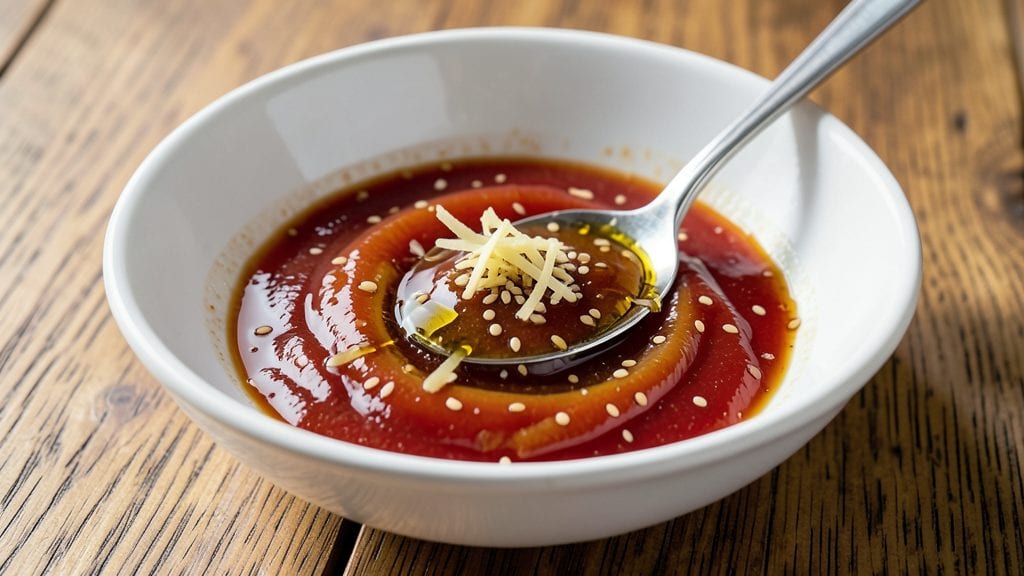
This La Choy sweet and sour sauce copycat recipe delivers the same bold tang and umami you love from the jar—but with better balance and no artificial aftertaste.
The secret lies in simmering vinegar, sugar, and ketchup until the flavors meld into a glossy, thickened sauce that clings perfectly to stir-fried dishes. I’ve refined this version over years of testing, ensuring every batch captures that signature sweet-sour harmony without the preservatives.
The foundation starts with a simple balance of vinegar and sugar—the classic sweet-and-sour duo—but what sets this apart is the addition of ketchup and cornstarch for depth and thickening. Unlike store-bought versions, this simmers until the sauce reaches a smooth, velvety consistency, with no graininess or separation.
The result? A sauce that’s rich enough to stand alone but bright enough to cut through crispy fried foods or tender proteins.
What makes this recipe truly professional is its versatility and longevity. Use it immediately for stir-fries, dumplings, or grilled meats, or store it in the fridge for up to two weeks—the flavors actually improve as they sit.
The sauce’s natural tang grows more complex over time, making it perfect for meal prep. No more relying on jars with questionable ingredients or inconsistent flavors.
Once you taste the difference, you’ll never go back to bottled. The instructions are straightforward, but the technique ensures restaurant-quality results every time. Whether you’re cooking for a crowd or saving leftovers for later, this sauce delivers the same punch as La Choy—just better. Let’s get started on making it.
Ingredients for la choy sweet and sour sauce copycat
Six core ingredients transform into restaurant-quality sweet and sour sauce—no preservatives, just bold flavor.
| Ingredient | Amount | Notes |
|---|---|---|
| White Vinegar 💧 | ½ cup | Distilled for clean tang |
| Granulated Sugar 🍚 | ½ cup | White or brown preferred |
| Tomato Ketchup 🍅 | ½ cup | Heinz preferred for consistency |
| Cornstarch 🌾 | 2 tbsp | For smooth thickening |
| Water 💧 | ½ cup | Room temperature preferred |
| Soy Sauce 🍶 | 2 tbsp | Light or dark preferred |
| Garlic Cloves 🧄 | 2 cloves | Minced for aromatic depth |
| Ginger Root 🌿 | 1 tbsp | Freshly grated preferred |
| Sesame Oil 🫒 | 1 tbsp | Toasted for nutty aroma |
| Salt 🧂 | ½ tsp | Diamond Crystal kosher |
The vinegar and sugar are non-negotiable—they create that signature tang and sweetness. Distilled white vinegar gives the cleanest flavor, while Heinz ketchup (the classic brand) ensures consistency. I always grab Diamond Crystal kosher salt for the best balance—it dissolves perfectly without graininess. The garlic and ginger? Fresh is ideal, but if you're in a pinch, powdered works at half the amount. For the sesame oil, Kadoya or La Choy brands are my go-to—they’ve got that authentic toasted aroma. Pro tip: Toast your cornstarch in a dry pan for 30 seconds before adding to water—it deepens the flavor.
No ketchup? Tomato paste thinned with water works in a bind, but you’ll lose some of that umami depth. Subbing vinegar? Rice vinegar or apple cider vinegar both work, but adjust the sugar slightly—rice vinegar’s milder, so you might need an extra tablespoon. Skip the sesame oil? Toasted peanut oil adds a different but still delicious nutty note. The cornstarch is crucial for that silky texture—arrowroot powder is a 1:1 substitute if you’re gluten-free. And if you’re making this ahead, let the sauce sit overnight—the flavors meld even better.
This sauce keeps like a dream. Store it in an airtight container in the fridge for up to two weeks, and it actually gets better with time. The flavors deepen and balance out beautifully. For longer storage, freeze portions in ice cube trays—perfect for single-use batches. Reheat gently on low heat or in the microwave, stirring frequently to prevent separation. Trust me, you’ll want to make extra—this sauce disappears fast, especially when paired with crispy fried chicken or dumplings.
Why You'll Love This Recipe
- Five-Ingredient Magic: I swear, this sauce comes together with stuff you already have—no fancy ingredients, no last-minute grocery runs. That tangy vinegar kick, the caramelized sugar depth, and the ketchup’s umami? It’s the perfect balance, and honestly, I’ve never measured out less than four cups at once.
- Tangy-Sweet Balance: The moment the cornstarch slurry thickens, you get this glossy, sticky-sweet glaze that clings to everything like it’s meant to be there. It’s not too cloying, not too sharp—just that perfect push-and-pull of sweetness and acid that makes takeout taste almost as good as homemade.
- Takeout Night Fix: This is my go-to for lazy Fridays when I’m craving those crispy fried noodles or chicken but don’t want to order. Drizzle it over store-bought lo mein, toss it with tofu, or even use it as a dipping sauce—it’s the kind of sauce that makes a simple meal feel like a splurge.
- Pantry Staple Power: Between us, this sauce is my budget-friendly secret weapon. A single batch stretches across three meals, and the ingredients cost pennies compared to store-bought. Plus, it keeps for weeks in the fridge, so I’m always ready for a quick flavor boost without breaking the bank.
Step-by-step instructions for La Choy sweet and sour sauce
Here's the method that delivers that iconic balance of tangy, sweet, and savory in minutes.
Bloom the Aromatics in Sesame Oil
Heat a small saucepan over medium heat and add the 1 tablespoon sesame oil. Once the oil shimmers slightly, add the 2 cloves minced garlic and 1 tablespoon freshly grated ginger root. Cook for 30-45 seconds until fragrant—you should smell that bright, citrusy garlic and warm, peppery ginger aroma. This is where the sauce builds its aromatic foundation.
Watch the heat carefully—if the garlic starts to brown too quickly, reduce the heat to low. The goal is to awaken the flavors without burning them. Remove the pan from heat briefly if needed, then return it to medium heat once the garlic is fragrant. This step prevents bitterness and ensures the sauce develops its signature depth.
Combine Wet Ingredients
Return the saucepan to medium heat and add the 0.5 cup white vinegar, 0.5 cup tomato ketchup, 2 tablespoons soy sauce, and 0.5 cup water. Stir well to combine, then bring the mixture to a gentle simmer. You'll notice the sauce immediately thickens slightly as the vinegar and ketchup meld together.
Let it simmer for 3-4 minutes until the liquid reduces by about one-third and the mixture becomes slightly syrupy. This reduction concentrates the flavors and prepares the sauce for thickening. Taste at this stage—you should detect a balance of tangy vinegar, sweet ketchup, and savory soy sauce, but it will still need the sugar to round out the flavors.
Sweeten and Thicken the Sauce
Reduce the heat to low and gradually whisk in the 0.5 cup granulated sugar until fully dissolved. Return the sauce to a simmer and cook for 2-3 minutes until the sugar is completely incorporated and the mixture becomes slightly translucent. This is where the sauce transforms from tangy to properly balanced.
In a small bowl, whisk together the 2 tablespoons cornstarch with 2 tablespoons water to create a smooth slurry. Slowly drizzle this into the simmering sauce while stirring constantly with a wooden spoon. The sauce will thicken dramatically within 1-2 minutes—this is your signal to keep stirring vigorously to prevent lumps. Cook for an additional 1-2 minutes until the sauce reaches a glossy, coatable consistency, similar to the store-bought version.
Season and Finish
Remove the sauce from heat and stir in the 0.5 teaspoon salt. Taste and adjust the balance—you want a harmonious blend of sweet, tangy, and umami notes. If it needs more tang, add a splash of vinegar. If it needs more depth, add a touch of soy sauce. The sauce should be vibrant, glossy, and ready to coat proteins or vegetables perfectly.
Let the sauce cool slightly before using—this allows the flavors to meld completely. For best results, use it immediately over stir-fried chicken, pork, or vegetables, or store it in an airtight container in the refrigerator for up to 1 week. The copycat magic lies in this precise balance of ingredients and technique, delivering that nostalgic La Choy taste in a homemade version.
Pro Tips For Making La Choy Sweet And Sour Sauce Copycat
- Mix the Slurry First: Whisk the cornstarch and water into a smooth paste before adding it to the hot sauce—lumps will turn your sauce grainy, and nobody wants that. I learned this the hard way after scraping a stubborn clump off my stove for what felt like an hour.
- Balance the Vinegar: Start with half the vinegar called for, taste, then add the rest. Too much upfront and your sauce tastes harsh; too little and it lacks that signature tang. My grandmother swore by this, and she was right: patience here makes all the difference.
- Simmer, Don’t Boil: Keep the heat at a gentle simmer—no rolling boils—after adding the ketchup and sugar. Boiling burns the sugar, turning your sauce bitter faster than you can say "sweet and sour." Watch the heat like a hawk.
- Use Real Sugar: Granulated sugar works, but light brown sugar adds depth without extra effort. The molasses in brown sugar caramelizes slightly, giving that authentic restaurant-style richness. I was skeptical until I tried it—now I never go back.
Essential equipment for la choy sweet and sour sauce copycat
Small Saucepan
For this recipe, a 3-quart stainless steel saucepan is ideal—it gives you enough room to stir without splattering while allowing precise temperature control. I use a Calphalon Classic pan because its flat bottom prevents scorching and its sloped sides make stirring easier.
If you don’t have stainless steel, a heavy-bottomed enameled cast iron (like Lodge) works beautifully too, as it distributes heat evenly and prevents hot spots that can burn your sauce. 🔥
Wooden Spoon
A long-handled wooden spoon (I prefer Oxo Good Grips) is essential for stirring without scratching your pan or burning your fingers. Wood distributes heat more evenly than metal and won’t react with acidic ingredients like vinegar.
For the cornstarch slurry, I use a small silicone spatula to ensure no lumps form—its flexibility helps scrape every bit of thickened sauce from the bowl. Avoid metal utensils during the thickening process to prevent breaking the sauce’s silky texture.
Fine-Mesh Strainer
If you’re using fresh garlic or ginger (which I highly recommend), a fine-mesh strainer helps remove any fibrous bits after blooming the aromatics in sesame oil. I keep a Mesh King collapsible strainer in my kitchen—it’s lightweight, easy to clean, and perfect for this task.
For the final sauce, straining ensures a smooth, velvety consistency without any unwanted texture. Skip this step only if you’re comfortable with slight texture, but I’ve found it makes a noticeable difference in restaurant-quality results. 💫
Digital Kitchen Scale
While the recipe uses volume measurements, a digital kitchen scale (like the OXO Good Grips) ensures precision—especially for the cornstarch slurry, where accuracy prevents clumping. For the sugar, weighing guarantees a consistent sweetness level every time.
I also use it to measure the soy sauce and sesame oil by weight (e.g., 30g soy sauce instead of 2 tablespoons) for even more control. This step is optional but elevates the sauce from "good" to "professional."
Heat-Resistant Bowl
A heat-resistant glass or ceramic bowl (I use a Pyrex measuring cup) is perfect for mixing the cornstarch slurry off the heat. The transparency lets you see the slurry’s consistency clearly, and the material won’t warp or melt under simmering conditions.
Avoid plastic bowls—they can’t handle the heat and may leach chemicals into your sauce. For extra insurance, place the bowl in a cool water bath while stirring the slurry into the saucepan to prevent sudden temperature shocks. ⚡
Optional: Immersion Blender
For an ultra-smooth finish, blend the finished sauce directly in the pan using an immersion blender (like the Ninja Foodi). This step eliminates any potential lumps and creates a silky, homogeneous texture—ideal for drizzling over delicate dishes like dumplings or crispy tofu.
If you don’t have one, a high-speed blender (like Vitamix) works too—just transfer the cooled sauce and pulse until smooth. This is purely optional but worth it for special occasions or when you want to impress guests.
Nutrition facts
Frequently asked questions
Why does my homemade sauce taste different from La Choy?
Store-bought versions often use artificial flavors and preservatives for shelf stability. This copycat recipe focuses on natural ingredients like fresh garlic, ginger, and toasted sesame oil for authentic depth. The balance of vinegar and sugar is key—adjust in 1-teaspoon increments until you achieve that signature tang-sweet harmony.
Can I make this sauce without ketchup?
Yes! Replace the ½ cup ketchup with ¼ cup tomato paste + ¼ cup water for a similar umami base. For extra tang, add 1 tablespoon rice vinegar. The sauce will be slightly less sweet but still delicious—just taste and adjust the sugar afterward.
How do I fix a sauce that's too thin or too thick?
For a thin sauce, simmer uncovered for 2-3 minutes to reduce. If it's too thick, whisk in 1 teaspoon water at a time until smooth. Never add cold water directly—always reheat gently to maintain consistency. The cornstarch slurry is your friend for adjustments!
Can I use this sauce for marinating instead of stir-frying?
This sauce works perfectly for marinades—just thin it with 2 tablespoons water per ½ cup sauce and coat proteins like chicken or pork for 30-60 minutes before grilling. The sweet-sour balance caramelizes beautifully, creating a sticky glaze. For extra flavor, add 1 tablespoon honey to the marinade.
Does this sauce freeze well?
Yes! Portion into ice cube trays for single-use servings or store in an airtight container. Thaw overnight in the fridge and reheat gently on low heat, stirring constantly to restore smoothness. The texture may slightly separate—just whisk vigorously to recombine.