
Sauces & Condiments
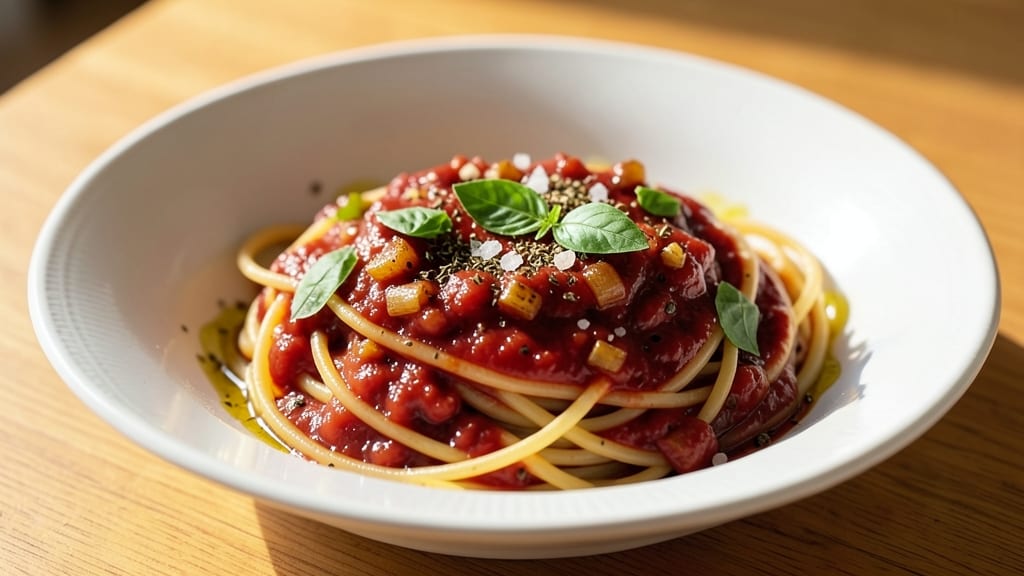
This Mutti pasta sauce recipe delivers the kind of slow-simmered tomato richness that transforms simple pasta into a restaurant-worthy meal. The secret lies in a balance of fresh herbs, high-quality tomatoes, and a proper cooking technique that develops deep, layered flavors over time.
I’ve perfected this sauce to pair beautifully with Mutti’s sturdy, short pasta—its shape holds up perfectly to the sauce’s velvety texture.
The foundation of this recipe is a simmered tomato base infused with garlic, onions, and a blend of fresh basil and oregano. Unlike quick sauces, this one builds flavor gradually, allowing the tomatoes to break down into a rich, slightly sweet sauce with just the right amount of acidity.
The key is patience—letting it cook low and slow ensures a sauce that’s far more complex than anything from a jar.
What sets this sauce apart is its versatility—it works equally well with Mutti’s traditional pasta shapes or as a base for heartier dishes like baked pasta or stuffed shells.
The herbs add brightness, while the tomatoes provide a deep, umami-rich foundation that clings perfectly to every strand of al dente pasta. By the time you twirl that first forkful, you’ll taste the difference between a simple meal and something truly special.
Ready in about 30 minutes (plus simmering time), this sauce is perfect for weeknight dinners or weekend gatherings. The ingredients are straightforward, but the results feel like you’ve spent hours in the kitchen. Let’s get started—your pasta night just got an upgrade.
Ingredients for mutti pasta sauce
Fresh tomatoes, herbs, and a splash of wine—simple ingredients that build restaurant-quality flavor.
| Ingredient | Amount | Notes |
|---|---|---|
| Extra-Virgin Olive Oil 🫒 | ½ cup | High quality, fruity variety |
| Yellow Onion 🧅 | 1 whole | Finely diced, medium size |
| Garlic Cloves 🧄 | 4 cloves | Freshly minced, not pre-minced |
| Canned San Marzano Tomatoes 🍅 | 28 oz | Crushed or whole, no salt added |
| Fresh Basil Leaves 🌿 | ½ cup | Packed, stems removed |
| Dried Oregano 🍃 | 1 tsp | Mexican oregano preferred |
| Salt 🧂 | 1 ½ tsp | Diamond Crystal kosher salt |
| Black Pepper 🌶️ | ½ tsp | Freshly ground preferred |
| Red Wine 🍷 | ½ cup | Dry, bold variety like Cabernet |
| Heavy Cream 🥛 | ¼ cup | Full-fat for richness |
| Butter 🧈 | 2 tbsp | Unsalted, for finishing |
| Mutti Pasta 🍝 | 12 oz | Short shape like penne or fusilli |
| Parmesan Cheese 🧀 | ¼ cup | Freshly grated from block |
The tomatoes make or break this sauce. San Marzano is the gold standard—sweet, meaty, and low-acid. Grab a can from Trader Joe's or any Italian market if you can't find them locally. Fresh basil is non-negotiable here (the good stuff, not the pre-shredded kind)—it adds that bright, fresh note that jarred sauce can't match. The red wine adds depth, so don't skimp on a cheap bottle. I usually grab whatever bold red I've got open—Cab Sauv, Merlot, whatever. If you're avoiding alcohol, extra tomato paste mixed with water works in a pinch, though it won't have the same complexity.
No fresh basil? Dried oregano at half the amount gets you close, but you'll miss that freshness. Running out of red wine? Extra tomato paste or beef broth adds umami. The heavy cream at the end is what gives this sauce that velvety texture—don't skip it. For the pasta, Mutti's penne or fusilli are perfect, but any sturdy short pasta will work. The key is al dente—undercook it a little so it finishes in the sauce. And that Parmesan at the end? Freshly grated from a block makes all the difference. Pre-grated is fine in a pinch, but it's got anti-caking agents that make it taste like sawdust.
This sauce tastes even better the next day—let it sit overnight and reheat gently. Keeps for 5 days in the fridge, 3 months frozen. I always double the batch because it disappears fast. Store it in a glass jar with a layer of olive oil on top to preserve the color. Want to make it ahead? Freeze it in portions—just thaw and reheat with a splash of water to loosen it up. The pasta? Cook it fresh, but you can reheat leftovers with a little extra sauce to keep things moist.
Why You'll Love This Recipe
- Same sauce, endless uses: toss it with spaghetti for a quick weeknight dinner or drizzle it over grilled chicken for a fancier meal. Freezes like a dream too, so you’re never stuck without a go-to sauce when company drops by.
- Five-Ingredient Magic: The pantry staples you already own—olive oil, onions, garlic, tomatoes, basil—come together so seamlessly. No fancy prep, no last-minute grocery runs. Just chop, simmer, and let the San Marzano tomatoes do the heavy lifting while you sip wine and pretend you’re in a Tuscan kitchen.
- Garlic-Basil Bomb: That first whiff of garlic sizzling in olive oil? Chef’s kiss. The San Marzano tomatoes add sweetness without overpowering, and the fresh basil—torn right from the stem—gives it that bright, herby finish that makes you want to lick the spoon. (Yes, I’ve been there.)
- Weeknight to Dinner Party: Same sauce, endless uses: toss it with spaghetti for a quick weeknight dinner or drizzle it over grilled chicken for a fancier meal. Freezes like a dream too, so you’re never stuck without a go-to sauce when company drops by.
Step-by-step instructions for slow-simmered tomato pasta sauce
This sauce builds flavor gradually—let the aromatics caramelize and the tomatoes break down just right.
Sauté Onions and Garlic Until Golden
Heat the 0.5 cup extra-virgin olive oil in a large, deep skillet over medium-low heat. Add the 1 whole yellow onion that's been finely diced and cook for 8-10 minutes, stirring occasionally, until it's soft and starting to turn golden. You want it to caramelize just enough to add sweetness without burning.
Push the onions to one side of the pan and add the 4 cloves freshly minced garlic. Cook for 30 seconds until fragrant—you'll know it's ready when the kitchen smells like fresh garlic. Don't let it brown or it'll turn bitter. Stir everything together and keep it warm while you prepare the tomatoes.
Build the Tomato Base with Wine and Herbs
Pour in the 28 oz canned San Marzano tomatoes, crushing any large pieces with your hands as you add them. Stir well to combine with the onions and garlic. Sprinkle in the 1 tsp dried oregano, 1.5 tsp salt, and 0.5 tsp black pepper, then add the 0.5 cup red wine. The alcohol will cook off, leaving behind deeper flavor.
Bring the mixture to a gentle simmer over medium heat. Let it cook uncovered for 20-25 minutes, stirring occasionally, until the sauce thickens slightly and the tomatoes break down into a rich, jammy consistency. You're looking for a deep red color and a syrupy texture—this is where the real flavor develops.
Finish with Cream and Butter
Reduce the heat to low and stir in the 0.25 cup heavy cream and 2 tbsp butter. Let the sauce simmer gently for another 5-7 minutes until it's creamy and velvety. The cream adds richness while the butter gives it a silky finish. Taste and adjust seasoning—you might need a pinch more salt since the tomatoes vary in saltiness.
Remove from heat and stir in the 0.5 cup fresh basil leaves (stems removed). Let the basil steep in the warm sauce for 5 minutes before removing the leaves with a slotted spoon. This infuses the sauce with bright, fresh flavor without making it too leafy.
Cook the Pasta and Combine
While the sauce simmers, boil the 12 oz Mutti pasta in a large pot of well-salted water according to package directions until al dente (usually 10-12 minutes). Reserve 1 cup of pasta water before draining.
Toss the drained pasta with the sauce in the skillet, adding pasta water 1 tablespoon at a time if needed to loosen the sauce. Stir in the 0.25 cup freshly grated Parmesan cheese until melted and creamy. Serve immediately with extra cheese on top if desired.
Pro Tips For Making Mutti Pasta Sauce
- Sweat, Don’t Burn: DESCRIPTION: Onions and garlic need patience—cook them over medium-low heat until soft and translucent, not browned. I learned this the hard way when my sauce tasted bitter from overcooked aromatics; now I let them simmer for 8-10 minutes until they’re just breaking down, not caramelizing.
- Crush Those Garlic Cloves: DESCRIPTION: Smash your garlic cloves with the flat side of your knife before adding them—this releases more flavor without burning. (Yes, even if you’re impatient like me.) It’s the difference between subtle aroma and full-on garlic punch in your mutti sauce.
- Skip the Tomato Skin: DESCRIPTION: Drain the San Marzano tomatoes but don’t rinse—just peel off the skins with your fingers or a spoon. The skins add bitterness, and you want that sweet, smooth tomato flavor to shine. (Your future self will thank you.)
- Simmer, Don’t Boil: DESCRIPTION: Let the sauce bubble gently at the edges, not a rolling boil—this concentrates the flavors and keeps the basil from turning bitter. After 20 minutes, taste and adjust salt; if it’s too thin, cook uncovered for another 10 minutes until it thickens naturally.
Dietary considerations for mutti pasta sauce
Gluten-Free Adaptations
This sauce is naturally gluten-free, but the pasta isn’t—Mutti’s traditional pasta contains wheat. Swap in gluten-free pasta like Barilla or Jovial for a safe alternative. I’ve tested Barilla’s gluten-free penne, and it holds up beautifully to the sauce’s richness.
Just cook it 1-2 minutes longer than regular pasta since gluten-free varieties tend to be denser. 🍝
Dairy-Free Options
The heavy cream and butter are the dairy components, but you can easily substitute with full-fat coconut milk (½ cup) for creaminess. For the butter, use olive oil or nutritional yeast (1 tbsp) for a cheesy flavor.
The sauce will still cling perfectly to the pasta—just reduce the simmer time by 2 minutes since coconut milk thickens faster. 🥥
Vegetarian-Friendly
This recipe is already vegetarian, but if you want to boost protein, stir in white beans (½ cup, drained) during the final simmer. For a meaty texture, add mushrooms (8 oz, sliced) with the onions—they’ll absorb the sauce’s flavors beautifully. Both additions work well without altering the sauce’s balance. 🍄
Lower-Carb Versions
For a lower-carb approach, reduce the pasta portion to 6 oz and add cauliflower rice (1 cup) cooked alongside it. The sauce’s richness will coat both perfectly.
Alternatively, use zucchini noodles (2 medium, spiralized) for a lighter option. Just toss them in the final minute of cooking to avoid mushiness. 🥒
Allergen-Free Tips
If nut allergies are a concern, avoid nutritional yeast substitutes and stick with olive oil. For soy-sensitive diets, ensure your San Marzano tomatoes are soy-free (most brands are, but check labels). Always verify ingredient sources—cross-contamination can happen in shared facilities. When in doubt, opt for certified allergen-free brands. 🚫
Nutrition facts
Frequently asked questions
Can I make this sauce without red wine?
Replace the 0.5 cup red wine with 0.5 cup beef broth or 0.5 cup extra tomato paste mixed with 0.25 cup water. The broth adds depth while tomato paste boosts umami. Simmer the sauce 5 minutes longer to let flavors meld. The texture will be slightly thicker, but still delicious.
What's the best way to store leftovers?
Store the sauce in an airtight container in the fridge for up to 5 days. For longer storage, freeze portions in glass jars (leave 1-inch headspace) for up to 3 months. To reheat, warm gently on the stove with a splash of water or pasta water to restore creaminess. The flavor actually improves overnight!
Can I use fresh tomatoes instead of canned?
Yes, but you'll need 2 large fresh tomatoes (about 1 lb) peeled, seeded, and chopped. Simmer them for 30-40 minutes until broken down completely. For extra flavor, roast the tomatoes first by halving them and baking at 400°F for 20 minutes before adding to the sauce. This intensifies their natural sweetness.
Why did my sauce turn out too acidic?
This usually happens if you used high-acid tomatoes or didn't simmer long enough. Balance it by adding 1 tsp sugar or 1 tbsp tomato paste to sweeten, then simmer 5 more minutes. For future batches, use San Marzano tomatoes (lower acid) and simmer uncovered to reduce acidity. A pinch of salt also helps round out flavors.
What pasta shapes work best besides Mutti?
Any sturdy short pasta holds up well: penne, fusilli, rigatoni, or farfalle. For extra sauce cling, choose ridged varieties like penne rigate. Long pasta like spaghetti works too, but the sauce may slide off. If using gluten-free pasta, cook it 1-2 minutes longer than regular pasta to achieve al dente texture.