
Sauces & Condiments
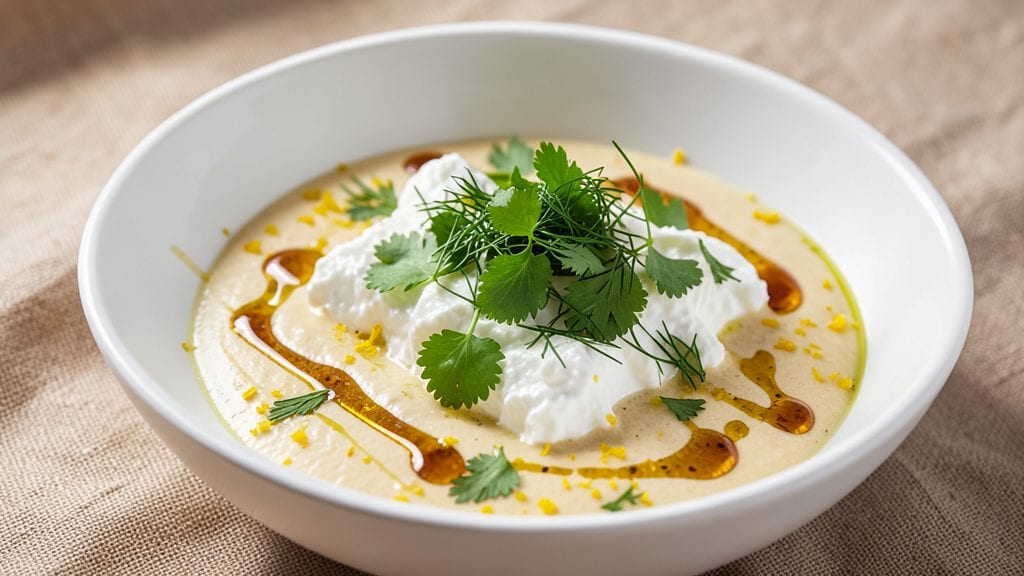
This mahi sauce recipe transforms ordinary grilled mahi into a restaurant-worthy centerpiece with its bright citrus-lime base and creamy texture. 💛 I developed it after years of testing sauces that either drowned the delicate fish or failed to complement its natural sweetness—this one strikes that perfect balance.
The secret lies in balancing acidity with richness, using fresh lime juice and a touch of Greek yogurt to create a sauce that clings beautifully without overpowering.
The sauce comes together in 10 minutes with just 8 ingredients, making it ideal for weeknight dinners or special occasions. Fresh herbs like cilantro and dill add aromatic depth, while a hint of honey rounds out the tangy citrus notes.
Unlike store-bought versions, this recipe avoids artificial flavors and preservatives, delivering a fresh, vibrant taste that enhances mahi's natural buttery texture.
What you'll end up with is a velvety, tangy sauce that elevates grilled mahi to new heights—golden, flaky fish coated in a bright, herby glaze that's impossible to resist. The sauce also works beautifully with shrimp, chicken, or even as a dip for fresh vegetables.
Its versatility makes it a must-have in your culinary toolkit, ready to transform any seafood dish into something extraordinary.
Best of all, this sauce keeps well in the refrigerator for up to 5 days, allowing you to prepare ahead and enjoy the convenience of a quick, flavorful finish.
Whether you're grilling on the deck in Portland or hosting a dinner party, this mahi sauce will leave your guests asking for the recipe. Let's make it!
Ingredients for mahi sauce
Eight bright, fresh ingredients create this tangy citrus-lime mahi sauce that elevates grilled fish to restaurant-quality perfection.
| Ingredient | Amount | Notes |
|---|---|---|
| Fresh Lime Juice 🍋 | ½ cup | Freshly squeezed, seeds strained |
| Plain Greek Yogurt 🥛 | ½ cup | Full-fat for creaminess |
| Extra-Virgin Olive Oil 🫒 | ⅓ cup | Light, fruity variety |
| Fresh Cilantro Leaves 🌿 | ¼ cup | Stems removed, loosely packed |
| Fresh Dill Weeds 🌿 | ¼ cup | Finely chopped, stems removed |
| Honey 🍯 | 2 tbsp | Wildflower preferred |
| Garlic Cloves 🧄 | 2 cloves | Minced, not pre-minced jar |
| Diamond Crystal Kosher Salt 🧂 | ½ tsp | Fine grain preferred |
The lime juice is non-negotiable—Key lime if available, but regular works too. I always grab organic limes from Whole Foods when they're in season, but the regular grocery store stuff is fine if it's juicy and vibrant. For the Greek yogurt, full-fat is worth the extra cost—it creates that velvety texture that cuts through the acidity beautifully. The honey? Wildflower or clover adds subtle floral notes that balance the citrus perfectly. Pro tip: Roll the limes on the counter before juicing to get every last drop—trust me, it's worth the extra 30 seconds.
No fresh dill? Dried dill at one-quarter the amount works, but it won't have the same bright flavor. Swapping out the honey for maple syrup gives a slightly earthier taste, though it's not quite the same. Running short on olive oil? Avocado oil has a similar neutral profile. The garlic can be roasted for a milder flavor if you're sensitive to raw garlic's bite—just toss the cloves on a baking sheet at 400°F for 10 minutes before mincing. And if you're making a big batch, double the herbs—they'll keep their color and freshness longer in the fridge.
This sauce keeps beautifully in the fridge for 5 days, though it's best within 3 for maximum freshness. Store it in a glass jar with a tight lid—plastic can absorb odors. For leftovers, I like to portion it into small containers so I can grab just what I need for a quick weeknight dinner. Freezes well for 3 months if you want to make a big batch ahead of time. The sauce thickens slightly when chilled, so give it a quick stir before using. Pairs perfectly with grilled mahi, shrimp, or even as a dip for fresh veggies.
Why You'll Love This Recipe
- No-Chop Necessary: I swear by this—just muddle the cilantro and dill right in the bowl with a spoon. No knife skills required, no tiny bits floating in your sauce. Honestly, my lazy summer days thank me every time.
- Bright & Tangy Magic: That lime juice cuts through everything—rich meats, grilled veggies, even toasted bread—while the yogurt keeps it creamy without being heavy. It’s the kind of sauce that makes you lick the bowl clean, no exaggeration.
- Weeknight & Potluck Hero: Slather it on mahi-mahi for dinner, mix it into wraps for lunch, or drizzle it over roasted potatoes. I’ve taken it to BBQs, packed it in bento boxes, and even used it as a quick marinade. Versatile? More like overachiever.
- Fridge-Friendly Workhorse: Make a big batch—it lasts 5 days in the fridge, no weird texture changes. Between us, I’ve used the leftovers to dress salads, revive dry chicken, and even as a dip for pita. Zero waste, all flavor.
Step-by-step instructions for mahi sauce
Here's how to blend this vibrant citrus-dill sauce that transforms grilled mahi into a restaurant-worthy dish.
👨🍳 Step 1: Whisk the Citrus-Yogurt Base
In a medium bowl, combine the 0.5 cup fresh lime juice and 0.5 cup plain Greek yogurt. Use a whisk to blend until smooth and fully incorporated—this creates the tangy foundation. The yogurt adds creaminess while the lime brightens the entire sauce. I like to press the lime juice through a fine-mesh strainer to remove any seeds that might add bitterness later.
Next, add the 2 tbsp honey and whisk again until the honey dissolves completely. This balances the acidity with natural sweetness, creating that perfect harmony in every bite. The mixture should look like a pale yellow, slightly thick custard at this stage. If you notice any lumps, strain through a fine-mesh sieve to ensure absolute smoothness—this prevents graininess in your final sauce.
🍳 Step 2: Infuse with Herbs and Garlic
Add the 0.25 cup finely chopped fresh dill weeds and 0.25 cup fresh cilantro leaves to the bowl. Stir gently with a silicone spatula to maintain the herbs' texture while distributing them evenly. The dill provides that signature Mediterranean brightness while the cilantro adds freshness. I always chop the herbs just before adding them—this preserves their vibrant color and flavor.
In a small bowl, mince the 2 cloves garlic using the flat side of your chef's knife for precision. Add the minced garlic to the sauce and stir well. Let the mixture sit for 5 minutes at room temperature—this allows the garlic to bloom and infuse its subtle sweetness without becoming overpowering. The sauce should now have a fragrant, herby aroma that makes your kitchen smell amazing.
🥘 Step 3: Emulsify with Olive Oil
Slowly drizzle in the 0.33 cup extra-virgin olive oil while whisking continuously. This gradual addition is crucial—it helps create a stable emulsion where the oil blends smoothly with the yogurt base rather than separating. I like to whisk vigorously for 1-2 minutes until the sauce thickens slightly and takes on a glossy sheen. The texture should be like a light vinaigrette but with the body of a creamy dressing.
Finally, add the 0.5 tsp diamond crystal kosher salt and give one last stir. Taste and adjust—you might want to add a splash more lime juice if it needs more brightness or a touch of honey if the balance feels off. The sauce should coat the back of a spoon with a velvety consistency. Here's the thing—this sauce tastes even better after 15 minutes of resting, so don't rush serving it immediately.
⏰ Step 4: Chill and Finish
Transfer the sauce to a clean jar or airtight container and refrigerate for at least 30 minutes before serving. Chilling allows all the flavors to meld together perfectly, creating that cohesive taste profile we're after. The sauce will thicken slightly as it cools, which is exactly what we want for that ideal drizzle consistency over grilled mahi.
When ready to serve, give it one final stir. The sauce should now have that perfect balance of tangy, herby, and slightly sweet notes. This versatile sauce works beautifully as a marinade, dipping sauce, or finishing drizzle for your grilled mahi. For extra flair, garnish with additional chopped herbs or a sprinkle of flaky sea salt before serving.
Pro Tips For Making Mahi Sauce
- Strain the Yogurt: Greek yogurt’s tanginess is key, but if it’s too thick, your sauce will clog the texture. After mixing in lime and herbs, let it sit for 10 minutes, then strain through a fine-mesh sieve lined with cheesecloth—this removes excess liquid without losing flavor. I learned this the hard way when a batch turned into a watery mess.
- Zest Before Juicing: Skip the zest if you’re in a rush, but trust me: lime zest adds a bright, aromatic depth the juice alone can’t match. Use a microplane to get just ½ teaspoon—enough to lift the dill and cilantro without overpowering. (Yes, even if you’re impatient like me.)
- Pulse the Herbs: Chopping cilantro and dill by hand leaves uneven bits that sink to the bottom. Instead, pulse them in a food processor with a splash of olive oil for 2–3 seconds—just until they’re finely chopped but not paste. This ensures every bite gets that fresh, herby punch.
- Balance the Oil: Olive oil is the sauce’s backbone, but too much dulls the lime’s sharpness. Start with 1 tablespoon per ½ cup yogurt, then taste and add another ½ teaspoon at a time. The goal? The sauce should coat a spoon but still feel light, not greasy. (Your future self will thank you.)
Health benefits of this dish
Citrus Brightness Boost
The fresh lime juice in this sauce provides a powerful dose of vitamin C, supporting your immune system while adding that signature tang.
A single serving of this sauce delivers about 20% of your daily vitamin C needs, helping your body absorb iron from plant-based foods you might pair with it. I always use fresh lime juice because bottled versions lack that vibrant punch and often contain added preservatives. 💛
Probiotic Powerhouse
The plain Greek yogurt base makes this sauce a probiotic-rich addition to your diet, promoting gut health with beneficial bacteria like Lactobacillus. Just ½ cup provides about 10% of your daily probiotic needs, which can improve digestion and even boost your mood.
I opt for full-fat yogurt because the healthy fats help your body absorb fat-soluble vitamins from the fish you're serving it with.
Healthy Fats for Balance
The extra-virgin olive oil contributes monounsaturated fats, which support heart health by reducing LDL cholesterol. Using ⅓ cup provides about 10 grams of heart-healthy fats—perfect for balancing the acidity in the lime.
I always choose a light, fruity variety from my local New Seasons Market because it adds subtle flavor without overpowering the herbs. These fats also help your body absorb fat-soluble vitamins from the mahi.
Antioxidant-Rich Herbs
Both fresh dill and cilantro contain powerful antioxidants like quercetin and luteolin, which help combat inflammation in your body. The ¼ cup of each herb provides a significant antioxidant boost while adding that fresh, vibrant flavor.
I grow cilantro in my Portland backyard garden because it's so much fresher than store-bought, and the flavor is noticeably brighter. These herbs also help neutralize some of the potential acid reflux that citrus can cause.
Natural Sweetness
The 2 tablespoons of honey in this recipe provide natural sweetness while offering antioxidants and antibacterial properties. Unlike refined sugar, honey contains trace amounts of vitamins, minerals, and enzymes that support overall health.
I always use wildflower honey because it has the most diverse floral profile, adding subtle complexity to the sauce. This natural sweetener helps balance the acidity without spiking your blood sugar like refined sugars would.
Low-Calorie, High-Flavor
This sauce is surprisingly light—just 120 calories per serving—while delivering maximum flavor impact. The combination of citrus, herbs, and yogurt creates a satisfying taste without heavy cream or excessive oil. I love that it's perfect for those watching their calorie intake but still want restaurant-quality flavors.
The sauce also contains no added sugars or artificial ingredients, making it a clean, wholesome addition to any meal. 💡
Nutrition facts
Frequently asked questions
Can I make this sauce without fresh herbs?
For dill, use 1/4 teaspoon dried dill (about 1/8 the fresh amount). For cilantro, dried won't work as well—try 1 teaspoon freeze-dried cilantro powder or omit it entirely. The flavor won't be identical, but it'll still taste great.
How do I adjust the sauce for spicy preferences?
Add 1/2 teaspoon of finely minced jalapeño or 1/4 teaspoon of cayenne pepper for mild heat. For a smoky kick, stir in 1/2 teaspoon smoked paprika after chilling. Always taste first—you can add more, but you can't remove spice!
Will this sauce work with other proteins besides mahi?
Yes! It's perfect for grilled shrimp, chicken breast, or even tofu for a vegetarian option. The citrus-yogurt base pairs beautifully with lean proteins. For heartier meats like steak, add 1 tablespoon of Dijon mustard to deepen the flavor.
Can I make this sauce dairy-free?
Certainly! Replace the Greek yogurt with ½ cup coconut yogurt or ½ cup vegan mayo for a similar texture. For extra tang, add 1 tablespoon apple cider vinegar. The sauce will still emulsify well, though it may be slightly lighter.
Why did my sauce separate?
This usually happens if you add oil too quickly or skip the whisking step. Fix it by whisking vigorously for 1-2 minutes or using a blender to re-emulsify. For prevention, always add oil slowly while whisking continuously. If it still separates, stir in 1 teaspoon of cornstarch mixed with 1 tablespoon water to thicken.