
Sauces & Condiments
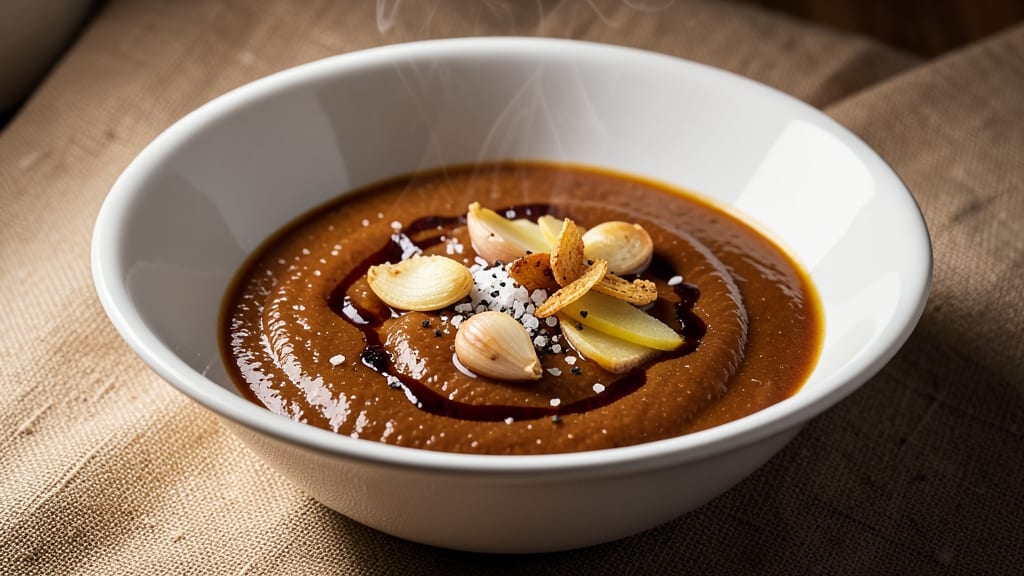
Creating an authentic Maggi sauce recipe at home transforms simple pantry staples into a bold, umami-rich sauce that elevates every dish. This one-pot method delivers restaurant-quality depth with just soy sauce, wheat flour, and a blend of spices that work together in perfect harmony.
The process is straightforward, but the flavor transformation is nothing short of remarkable.
The secret lies in balancing the savory soy base with toasted spices and a touch of sweetness to round out the heat. You'll start with a roux that thickens the sauce while developing a nutty richness, then build layers of flavor through careful seasoning.
What begins as a basic mixture evolves into a complex, velvety sauce with just 30 minutes of active time.
What you'll end up with is a versatile sauce that's perfect for stir-fries, noodles, or dipping—packed with umami depth and a subtle sweet-spicy kick. The texture is smooth yet clings beautifully to ingredients, making it ideal for both quick weeknight meals and elaborate dishes.
This is the kind of sauce that turns simple ingredients into something extraordinary.
Once you master this recipe, you'll never reach for the store-bought version again. The pantry-friendly approach means you can make it anytime, and the leftovers keep well for up to a week in the fridge. Let's get started on creating your own umami bomb sauce.
Ingredients for maggi sauce
Nine simple pantry staples create restaurant-quality Maggi sauce with bold umami depth.
| Ingredient | Amount | Notes |
|---|---|---|
| Soy Sauce 🍶 | 1 cup | Light or dark variety preferred |
| All-Purpose Flour 🌾 | ½ cup | White or whole wheat works |
| Vegetable Oil 🫒 | ½ cup | Light neutral flavor preferred |
| Garlic Cloves 🧄 | 4 cloves | Minced for aromatic base |
| Ginger Root 🌿 | 1 tbsp | Freshly grated, not powdered |
| White Sugar 🍚 | 2 tbsp | Granulated or powdered |
| Ground White Pepper 🌶️ | ½ tsp | Freshly ground preferred |
| Ground Cumin 🌿 | ½ tsp | Toasted for deeper flavor |
| Chili Flakes 🔥 | ¼ tsp | Adjust for heat preference |
| Water 💧 | 1 ½ cups | Room temperature preferred |
The soy sauce is the heart of this recipe—Kikkoman or Lee Kum Kee are my go-tos, but any good-quality brand works. For the flour, Bob's Red Mill all-purpose is my favorite for consistency, but store-brand is fine. The oil matters less, but light vegetable oil keeps the sauce from getting too heavy. Fresh ginger and garlic make all the difference here—Trader Joe's sells pre-grated ginger in a jar, which is a lifesaver when you're in a hurry. Toast the cumin seeds for 30 seconds in a dry pan before grinding if you want to take it up a notch (worth the extra minute).
No fresh ginger? Powdered works at half the amount, but it won't have the same punch. Short on soy sauce? Coconut aminos or miso paste adds depth, though the flavor will shift slightly. The chili flakes can be swapped for cayenne pepper at one-fourth the amount. Want more sweetness? Honey or maple syrup works 1:1 with the sugar. The water should be room temperature—cold water can make the roux seize up. If you're making a big batch, double the water first and adjust later if needed.
This sauce keeps beautifully—1 week in the fridge or 3 months frozen. I like to portion it into small jars for easy use. The flavor actually improves after a day or two as everything melds together. If it thickens too much, just add a splash of water or soy sauce to loosen it up. Freeze extras in ice cube trays for perfect single-use portions.
Why You'll Love This Recipe
- No-Fuss Base: I swear by this sauce because it’s that easy—just toast the flour in oil until it smells nutty, then stir in the soy, garlic, and ginger. No measuring cups, no fancy techniques, just a quick simmer and you’re done.
- Umami Bomb: That first spoonful of the finished sauce? Chef’s kiss. The toasted flour thickens it just right, while the soy and ginger add this deep, savory punch that makes even plain rice or noodles taste like a restaurant dish.
- Meal Prep MVP: I make a big batch on Sundays—it keeps for weeks in the fridge—and toss it into stir-fries, fried rice, or even soups. Honestly, it’s my lazy-day secret weapon when I don’t feel like cooking from scratch.
- Pocketbook Hero: Between us, this sauce is ridiculously cheap to make. A few cents’ worth of flour and soy stretch into enough sauce to feed the family for days. Plus, the leftovers never go to waste—my kids beg for it on sandwiches.
Step-by-step instructions for Maggi sauce
This one-pot sauce comes together faster than you'd think—just 15 minutes of hands-on time.
Bloom the Flour in Oil
Heat the 0.5 cup vegetable oil in a medium saucepan over medium heat until shimmering but not smoking. Add the 0.5 cup all-purpose flour all at once and stir constantly for 2-3 minutes until it turns a pale golden color and smells nutty. This step, called blooming, removes the raw flour taste and creates a smooth base for your sauce.
Here's the thing—don't walk away. The flour can burn quickly, especially if your heat is too high. You'll know it's ready when it looks like fine sand and smells toasty, not burnt. Keep stirring until the mixture is completely smooth with no flour streaks.
Add Aromatics and Cook Until Fragrant
Lower the heat to medium-low and add the 4 cloves garlic cloves (minced) and 1 tbsp ginger root (freshly grated). Stir for 1 minute until the garlic becomes translucent and the ginger starts to sizzle. This is where the sauce builds its aromatic foundation—don't rush this step or you'll miss the flavor development.
Next, add the 0.5 tsp ground cumin and 0.25 tsp chili flakes, stirring for 30 seconds to toast the spices. You'll smell the cumin warming up and the chili flakes releasing their heat. This quick toasting enhances their flavors before they blend into the sauce. Keep the heat low to prevent burning the spices.
Build the Sauce with Soy and Sugar
Pour in the 1 cup soy sauce and 2 tbsp white sugar, stirring continuously for 2-3 minutes until the mixture thickens slightly. The sauce should coat the back of a spoon but still be pourable. If it thickens too quickly, add 1-2 tablespoons of water to loosen it—this sauce needs to be smooth and glossy.
Here's where the magic happens: the soy sauce's umami combines with the sugar to create that signature Maggi depth. The sugar also helps balance the saltiness of the soy sauce. Taste the mixture now—it should be salty, slightly sweet, and aromatic. If it needs more depth, add another ½ teaspoon of soy sauce (but don't overdo it—this sauce is meant to be balanced).
Simmer and Finish
Add the 1.5 cups water and bring the mixture to a gentle boil over medium heat. Once boiling, reduce the heat to low and let it simmer uncovered for 5-7 minutes, stirring occasionally. The sauce will thicken as it reduces, and you'll see the flavors meld together beautifully.
Taste the sauce again and adjust the seasoning if needed. Add 0.5 tsp ground white pepper now if you want a subtle, sophisticated finish. The sauce should be glossy, well-balanced, and ready to use. If you're serving it immediately, keep it warm over low heat. For later use, let it cool and store it in an airtight container in the fridge for up to 5 days—it only gets better with time.
Pro Tips For Making Maggi Sauce
- Cook Low and Slow: I learned this the hard way—blasting the sauce on high heat turns it into glue. Keep the flame at medium-low once the roux forms, and stir like your life depends on it. You want bubbles, not smoke.
- Toast the Flour Properly: That golden roux isn’t just for show—it’s what gives maggi sauce depth. Cook the flour and oil until it smells nutty (about 3-4 minutes), not just pale. Rush it, and your sauce tastes flat.
- Mince Ginger Like You Mean It: Pre-grated ginger? Skip it. Freshly minced ginger releases its flavor better, and a fine texture blends seamlessly. Use a knife or microplane—no food processor, or you’ll end up with a pulpy mess.
- Balance the Soy Sauce: Too much soy sauce makes your dish taste like a salty brick. Start with half the recipe’s amount, taste, then adjust. A splash of water or a pinch of sugar can fix overpowering saltiness if needed.
Storing and reheating your maggi sauce
Fridge Storage Tips
Let your homemade Maggi sauce cool completely before transferring it to an airtight glass container—I prefer Le Parfait 16-ounce jars for their airtight seal. Store it in the fridge at 40°F or below where it'll keep for up to 7 days.
The flavors actually deepen over time as the spices meld together beautifully. 💪
If you notice the sauce thickening too much after refrigeration, simply add 1-2 tablespoons of water or soy sauce and stir until smooth. The texture should be glossy and pourable without being watery. I like to portion it into smaller jars for easy grab-and-use convenience.
Freezer Preservation
For longer storage, freeze your sauce in ice cube trays for perfect single-use portions. Once frozen, transfer the cubes to a ziplock freezer bag and flatten to save space.
This method works wonderfully for adding sauce to individual meals without thawing the whole batch. The sauce maintains its quality for up to 3 months in the freezer. ❄️
When ready to use, simply remove as many cubes as needed and let them thaw at room temperature or warm them gently in a saucepan over low heat for 2-3 minutes.
The texture may be slightly thicker after freezing, so add a splash of water if needed to restore the ideal consistency.
Thawing Techniques
For larger batches stored in containers, place the sealed container in the fridge and let it thaw overnight. This slow thawing method preserves the sauce's texture and flavor perfectly. Avoid microwave thawing as it can make the sauce unevenly heated and potentially separate. 💡
If you're in a hurry, run the sealed container under warm water for 5-10 minutes while stirring occasionally. This gentle heat method works well for most glass containers and helps maintain the sauce's smooth consistency. Always check the temperature reaches 165°F if you're reheating for safety.
Reheating Methods
For stovetop reheating, transfer your sauce to a saucepan and warm over medium-low heat for 3-5 minutes, stirring constantly. The low heat prevents scorching while allowing the flavors to reawaken. If the sauce seems too thick after reheating, add 1-2 tablespoons of water to restore the ideal consistency. 🔥
For microwave reheating, transfer the sauce to a microwave-safe bowl and heat on medium power (50%) for 45-60 seconds, stirring halfway through. This gentle approach prevents overheating while ensuring even warming. Always taste after reheating to adjust seasoning if needed—sometimes the spices mellow out slightly during storage.
Nutrition facts
Frequently asked questions
Can I make this sauce without fresh ginger and garlic?
Yes! Use ½ teaspoon ground ginger and 1 teaspoon garlic powder instead of fresh. For extra depth, toast the spices in oil for 30 seconds before adding to the sauce. The flavor won't be identical, but it'll still be delicious and aromatic.
How do I adjust the heat level in this sauce?
Start with the ¼ teaspoon chili flakes as written, then adjust to taste. For milder heat, reduce to ⅛ teaspoon or swap for pinch of cayenne pepper. For extra spice, add ¼ teaspoon extra chili flakes or a dash of red pepper flakes at the end. Taste as you go!
Can I use this sauce in place of store-bought Maggi?
This homemade version has deeper umami flavor and a smoother texture. Use it exactly like store-bought Maggi—1-2 tablespoons per serving in stir-fries, noodles, or as a dipping sauce. The homemade version actually enhances dishes more because of its balanced seasoning.
Why did my sauce turn out too thick?
This happens when the flour-to-liquid ratio isn't balanced. Stir in 1-2 tablespoons of water or soy sauce while reheating to thin it out. For future batches, simmer uncovered for 5-7 minutes to control thickness, or reduce the flour by 1 tablespoon if needed. The ideal consistency should be glossy yet pourable.
What's the best way to use leftover sauce?
Portion into small jars or ice cube trays for easy use. Add to soups, stir-fries, or marinades. It also makes an amazing dipping sauce for spring rolls or dumplings. For extra flavor, mix with 1 teaspoon honey or sesame oil before using. The sauce keeps well for 5 days refrigerated or 3 months frozen.