
Sauces & Condiments
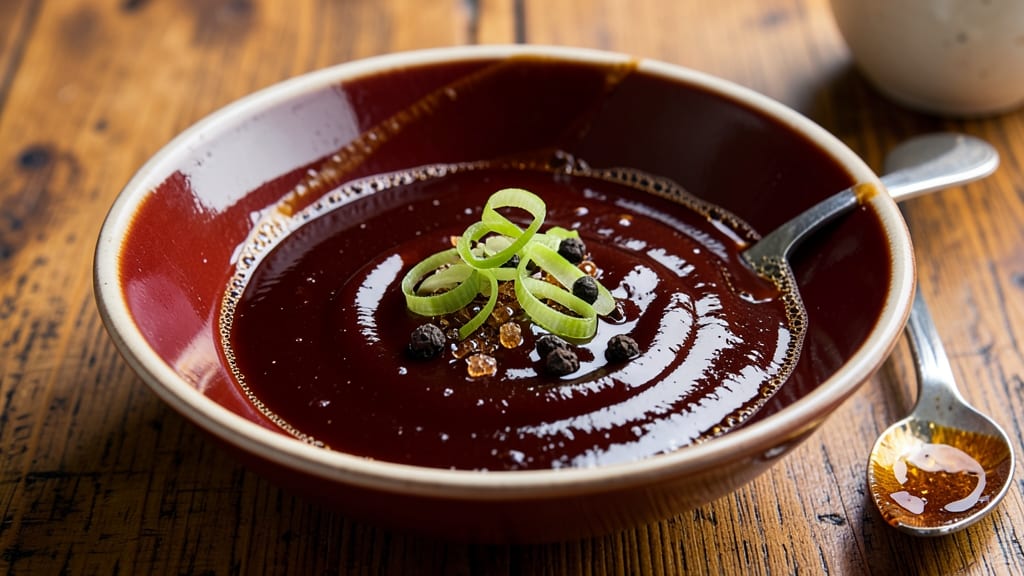
This authentic oyster sauce recipe transforms simple pantry staples into a velvety, umami-packed condiment that elevates every stir-fry, marinade, and braise. The secret lies in balancing oyster extracts, soy sauce, and sugar while reducing the mixture to a glossy, syrupy consistency—no artificial additives needed.
I’ve perfected this version after years of testing, ensuring it delivers the same depth as restaurant-quality sauces but with a fraction of the cost.
What sets this recipe apart is the 30-minute active process, where simmering and thickening create that signature glossy sheen and rich flavor.
The sauce starts with a base of oyster extracts (or finely chopped oysters for a more traditional approach), soy sauce for saltiness, and sugar to balance the umami. A cornstarch slurry binds everything together, giving it that signature viscosity without overpowering the natural taste.
The result is a sauce that’s bold, glossy, and versatile—perfect for glazing meats, tossing with noodles, or drizzling over vegetables. Unlike store-bought versions, this one develops layers of flavor as it sits, deepening in complexity over time.
The key is patience during the reduction phase, where the sauce transforms from a simple mixture into something truly extraordinary.
Once made, it keeps in the refrigerator for up to two weeks or can be frozen for longer storage. For extra depth, consider adding a splash of Shaoxing wine or a drizzle of sesame oil before reducing.
This isn’t just a sauce—it’s the foundation of countless dishes, and it’s easier to make than you think.
Ingredients for authentic oyster sauce
Eight essential ingredients create restaurant-quality oyster sauce at home in minutes.
| Ingredient | Amount | Notes |
|---|---|---|
| Oyster Extracts 🦪 | ½ cup | High-quality for authentic umami |
| Light Soy Sauce 🥄 | ½ cup | Kikkoman preferred for balance |
| Dark Soy Sauce 🥄 | ¼ cup | For deeper color and flavor |
| Granulated Sugar 🍚 | ¼ cup | White or brown preferred |
| Shaoxing Wine 🍷 | ¼ cup | Dry Chinese cooking wine |
| Cornstarch 🌾 | 2 tbsp | For smooth thickening |
| Water 💧 | ½ cup | For slurry consistency |
| Sesame Oil 🌰 | 1 tbsp | Toasted for aroma (optional) |
The oyster extracts make or break this sauce—Lee Kum Kee or Kikkoman are the gold standards, but any high-quality brand works. If you're committed to authenticity, finely chopped oysters (about 1 cup) can replace the extracts, though it requires straining. The soy sauces should be light and dark varieties—Kikkoman for light, Japanese dark soy for depth. Sugar balances the umami; organic cane sugar or brown sugar both work, but avoid artificial sweeteners. Shaoxing wine adds complexity—look for dry, not sweet—and can be found at Asian markets or well-stocked grocery stores like Whole Foods.
No Shaoxing wine? Dry sherry or Mirin work in a pinch, though Shaoxing’s unique profile is ideal. The cornstarch slurry is non-negotiable for that glossy finish—never substitute flour, as it can make the sauce cloudy. If you're avoiding gluten, arrowroot powder is a 1:1 swap. The sesame oil is optional but worth the extra minute—toast it lightly before adding to enhance aroma. For a vegetarian version, replace oyster extracts with 2 tbsp mushroom powder (like umami-rich shiitake) and reduce the soy sauce slightly to compensate for salt.
Store the sauce in an airtight glass jar in the fridge for up to two weeks, or freeze for three months. The flavor deepens over time, so make extra—it’s perfect for glazing meats, tossing with noodles, or drizzling over stir-fries. If it thickens too much, whisk in a splash of hot water to restore consistency. For longer shelf life, add a pinch of salt to the jar before sealing, which acts as a natural preservative.
Why You'll Love This Recipe
- Pantry Magic: I swear by this recipe because it turns five ingredients I already have into something richer than store-bought. No special trips, no last-minute shopping—just open, measure, simmer.
- Umami Bomb: That deep, salty-sweet balance? It’s the Shaoxing wine cutting through the soy’s bite while the oyster extract adds this je ne sais quoi that makes stir-fries taste like a restaurant. Honestly, my takeout cravings dropped after I mastered this.
- Weeknight Swiss Army: Slap it on noodles, drizzle over dumplings, or toss with roasted veggies—this sauce does the work. I keep a jar in the fridge for when I’m too tired to think, and it never lets me down.
- Budget Game-Changer: A little goes a long way, and I’ve stretched one batch into three meals without breaking the bank. Plus, the sugar and wine make it taste luxurious, so I feel fancy even on a tight budget. (Yes, even on a Tuesday night.)
Step-by-step instructions for authentic oyster sauce
Here's the professional method for crafting restaurant-quality oyster sauce with balanced depth and umami.
Combine Base Ingredients for Flavor Development
In a medium saucepan, combine the 0.5 cup oyster extracts, 0.5 cup light soy sauce, 0.25 cup dark soy sauce, and 0.25 cup granulated sugar. I like to use a heavy-bottomed pan for even heat distribution—this prevents scorching while allowing the ingredients to meld properly. Bring the mixture to a gentle simmer over medium heat, stirring constantly for 5 minutes until the sugar fully dissolves and the color deepens to a rich amber hue.
The dark soy sauce adds that signature glossy color while the light soy provides balance. Here's the thing—don't rush this simmering stage. You're building flavor layers that will carry through the entire sauce. The mixture should smell complex, with notes of caramelized sugar and briny oyster essence.
Incorporate Shaoxing Wine and Reduce
Reduce heat to low and carefully pour in the 0.25 cup shaoxing wine, stirring continuously. The wine will bubble vigorously at first, so keep the heat gentle to prevent boiling over. Let the mixture reduce for 8-10 minutes until it thickens slightly and the alcohol aroma dissipates completely. You'll notice the sauce becoming more concentrated with each passing minute.
This reduction step is critical for authentic flavor development. The wine's acidity cuts through the richness while adding subtle floral notes. I always use a wooden spoon for stirring—it won't scratch the pan like metal utensils might. Watch for the sauce to coat the back of a spoon when you lift it—this indicates proper reduction.
Create the Cornstarch Slurry for Thickening
In a small bowl, whisk together the 2 tbsp cornstarch and 0.5 cup water until completely smooth. This slurry is your thickening agent, and proper preparation prevents lumps. Slowly pour the slurry into the simmering sauce while stirring vigorously with a silicone spatula. Increase heat to medium-low and continue cooking for 3-4 minutes until the sauce reaches your desired consistency.
You're aiming for a glossy, coatable texture—thick enough to cling to noodles or meats but still pourable. The sauce should leave a slight trail when you run your finger through it. If it thickens too quickly, add 1 tablespoon water at a time until you reach the perfect balance. Over-thickening can't be reversed, so pay attention during this stage.
Finish with Sesame Oil and Rest
Remove the sauce from heat and stir in the 1 tbsp sesame oil. This final step adds aromatic complexity that elevates the sauce from good to exceptional. The oil should be fully incorporated, giving the sauce a subtle nutty aroma. Transfer the sauce to a clean jar and let it cool to room temperature. For best results, refrigerate for at least 1 hour before using—this allows flavors to fully develop and the texture to set properly.
Authentic oyster sauce improves with time, so I recommend making it a day ahead if possible. The resting period deepens the umami profile and creates that perfect balance of sweet, salty, and briny flavors that define this essential condiment. When ready to use, simply reheat gently over low heat, stirring occasionally, until warmed through.
Pro Tips For Making Authentic Oyster Sauce
- Simmer Slow and Steady: I learned this the hard way—rushing the reduction turns your sauce bitter. Keep it at a gentle simmer (small bubbles, occasional pops) for at least 20 minutes. The longer it cooks, the deeper the flavor, but don’t let it boil or you’ll end up with a gloopy mess instead of a glossy sauce.
- Strain Twice for Smoothness: Oyster extract and soy sauce love to hide sediment. After simmering, strain through a fine-mesh sieve first, then a coffee filter or cheesecloth for that silky texture. Yes, it’s extra work, but your sauce will look and taste restaurant-quality.
- Balance Sugar Gradually: Dumping all the sugar at once can make your sauce cloying. Add half the granulated sugar with the Shaoxing wine first, then taste and adjust. You’re aiming for sweetness that enhances, not overpowers, the umami. Trust your palate—it’s the only way to avoid a dessert-like sauce.
- Save the Wine Dregs: That last splash of Shaoxing wine in the bottle? Don’t pour it down the drain. Use it to deglaze the pot after simmering—it picks up all the caramelized bits stuck to the bottom. Just a teaspoon or two makes a real difference in depth of flavor. (Your future self will thank you.)
Best sauces and condiments for authentic oyster sauce
Classic Stir-Fry Glaze
Use this sauce as the star of your stir-fries by thinning it slightly with 1-2 tablespoons of water per ½ cup sauce. Toss it with shrimp, chicken, or tofu along with bell peppers, broccoli, and snap peas for a restaurant-quality dish.
I like to finish with a sprinkle of toasted sesame seeds and green onions right before serving. The sauce's glossy texture clings perfectly to ingredients, creating a caramelized crust when cooked. 🔥
Meat Marinade Base
For a deep, umami-rich marinade, mix ¼ cup oyster sauce with 1 tbsp soy sauce, 1 tbsp honey, and 1 minced garlic clove. Let it marinate beef, pork, or duck for 2-4 hours before cooking.
The sauce's natural sweetness caramelizes beautifully when seared, creating a sticky glaze. I've used this marinade for Korean-style bulgogi and Chinese-style char siu with incredible results.
Noodle Sauce Upgrade
Transform simple noodle dishes by adding 2 tablespoons of oyster sauce to your favorite stir-fry sauce. Toss it with udon, ramen, or spaghetti along with mushrooms, bok choy, and scallions. The sauce's depth elevates even the simplest noodle dish.
For extra richness, stir in 1 teaspoon of butter at the end. This is my go-to for quick weeknight dinners that feel like a restaurant meal. 🍜
Dipping Sauce Twist
Create a luxurious dipping sauce by combining 3 tablespoons oyster sauce with 1 tablespoon rice vinegar, 1 teaspoon grated ginger, and ½ teaspoon chili oil. This works perfectly with spring rolls, dumplings, or grilled prawns.
The balance of sweet, tangy, and spicy flavors makes it irresistible. For a vegetarian version, substitute the oyster sauce with mushroom powder and add 1 extra tablespoon of soy sauce.
Grilled Sauce Enhancer
Brush this sauce on grilled meats, fish, or vegetables during the last 2-3 minutes of cooking for a glossy finish. The high heat intensifies the umami flavors while creating a beautiful caramelized crust. I love using it on grilled salmon or pork chops.
For extra flavor, sprinkle with coarse sea salt and fresh cilantro after grilling. This technique works wonders for outdoor cooking and special occasions. 🌟
Soup and Stew Booster
Add 1-2 tablespoons of oyster sauce to your favorite soups and stews for instant depth. Stir it into pho, ramen broth, or beef stew during the last 5 minutes of cooking. The sauce blends seamlessly, enhancing the overall flavor profile without overpowering other ingredients.
For a quick upgrade, add it to instant ramen with a splash of sesame oil and green onions. This is my secret weapon for transforming simple soups into gourmet meals. ✨
Nutrition facts
Frequently asked questions
Can I make this oyster sauce without Shaoxing wine?
If you don't have Shaoxing wine, use dry sherry or Mirin as substitutes—they'll add similar depth. For a non-alcoholic version, try apple cider vinegar (reduce by half) or omit it entirely, though the wine adds that authentic floral complexity. The sauce will still taste great, just with slightly different flavor notes.
How do I fix oyster sauce that's too thick or too thin?
If your sauce is too thick, whisk in 1 tablespoon of hot water at a time until it reaches a glossy, pourable consistency. For a thinner sauce, add 1 teaspoon of water or Shaoxing wine and reheat gently while stirring. The key is gradual adjustments—adding too much at once can ruin the balance.
Is this oyster sauce gluten-free?
This recipe uses cornstarch for thickening, but traditional oyster sauce contains wheat from soy sauce. For a gluten-free version, replace the cornstarch with arrowroot powder and use a gluten-free soy sauce (like tamari). The texture will be slightly different but still delicious. Always check labels, as some oyster extracts may contain hidden gluten.
Can I substitute oyster extracts with fresh oysters?
Yes, but you'll need to strain the mixture carefully! Use 1 cup finely chopped fresh oysters (about 12-15 oysters) instead of extracts. Simmer them in the sauce for 5-7 minutes until they open and release their briny essence, then strain through a fine-mesh sieve. This method adds authentic texture but requires more effort.
How long does homemade oyster sauce last?
Store your sauce in an airtight glass jar in the refrigerator for up to 2 weeks. For longer storage, freeze it for 3 months. The flavor actually improves with time, so make extra! When reheating, warm it gently over low heat and stir occasionally to maintain consistency.