
Main Courses
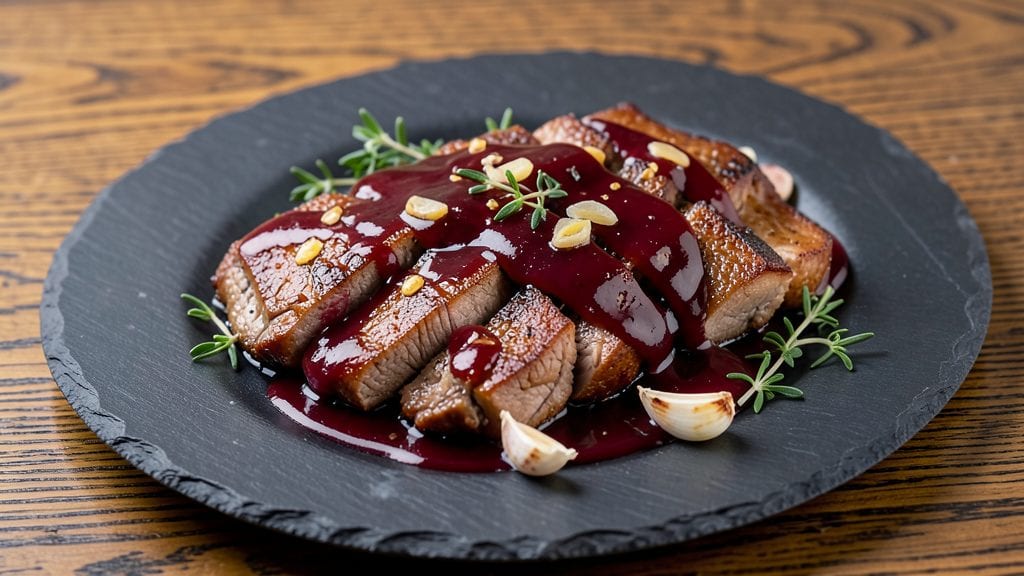
This liver with red wine sauce recipe transforms a classic into a restaurant-worthy dish by harnessing the natural richness of the meat and the depth of red wine. The secret lies in slow simmering the pan juices with wine, creating a sauce that's bold yet balanced—no heavy cream needed.
I've perfected this method over years of testing, ensuring tender liver every time without overcooking.
The process begins with a quick sear to lock in juices, followed by gentle braising that breaks down the meat's natural collagen into tender, melt-in-your-mouth texture.
The red wine sauce develops its signature umami complexity from the pan's caramelized fond and slow reduction, cutting through the liver's richness with acidity and depth. This isn't your grandmother's liver—it's a sophisticated dish that pairs beautifully with roasted root vegetables or buttery mashed potatoes.
What you'll achieve is perfectly cooked liver with a glossy, velvety sauce that clings to each bite—no dryness, no bitterness, just rich umami flavor. The sauce's consistency is key: thick enough to coat but still silky, with just enough acidity to brighten the dish.
This recipe delivers professional results at home, proving that liver can be elegant when prepared with intention.
For those concerned about texture, the braising technique ensures the liver remains tender while developing flavor, and the wine sauce adds a touch of sophistication that transforms this into a main course worth celebrating. Let's get started with the precise method that delivers these results every time.
Ingredients for liver with red wine sauce
Fourteen ingredients, one elegant dish—transforming liver into a restaurant-worthy masterpiece.
| Ingredient | Amount | Notes |
|---|---|---|
| Beef Liver 🥩 | 1 ½ lb | Fresh, thinly sliced (1/4-inch thick) |
| Dry Red Wine 🍷 | 1 cup | Bold, full-bodied (Cabernet Sauvignon recommended) |
| Unsalted Butter 🧈 | 4 tbsp | Cold, cut into small pieces |
| Shallots 🧅 | 2 whole | Minced, finely chopped |
| Garlic Cloves 🧄 | 4 cloves | Minced, fresh preferred |
| Fresh Thyme Leaves 🌿 | ¼ cup | Chopped, stems removed |
| Chicken Stock 💧 | 1 cup | Homemade or high-quality store-bought |
| Dijon Mustard 🍯 | 1 tbsp | For depth of flavor |
| Heavy Cream 🥛 | ¼ cup | Optional, for silkier sauce |
| Salt 🧂 | 1 tsp | Kosher or sea salt |
| Ground Black Pepper 🌶️ | ½ tsp | Freshly ground preferred |
| Granulated Sugar 🍚 | ½ tsp | Balances acidity in sauce |
| Lemon Juice 🍋 | 1 tbsp | Freshly squeezed |
| Olive Oil 🫒 | 2 tbsp | For searing liver |
The liver is the star, so quality matters. Freshness is non-negotiable—look for vibrant, deep-red meat with no yellowing or bruising. Local butchers or high-end grocery stores like Whole Foods or Eataly carry the best cuts. Beef liver is best used within 2-3 days of purchase, so buy only what you need. For the red wine, Cabernet Sauvignon or Merlot with at least 12% alcohol works best—avoid overly sweet or oaky varieties. The butter should be cold and unsalted to prevent over-salting the dish. Fresh thyme and shallots elevate the sauce's complexity, so don’t substitute dried herbs or onions—they lack the delicate aroma needed here.
No red wine? Dry white wine or beef stock can substitute, though the sauce will lack depth. Short on shallots? Extra-fine minced red onion works, but taste as you go—shallots have a milder, sweeter profile. The heavy cream is optional but recommended for a silkier sauce; if omitting, add 1 tbsp chicken stock to balance. For a vegetarian twist, mushroom or seitan slices can replace liver, though the texture and flavor will differ. The Dijon mustard adds a subtle tang—if you prefer a sharper flavor, increase to 2 tbsp. Lemon juice brightens the sauce, but white wine vinegar at half the amount works in a pinch. Always taste the sauce before serving—adjust acidity or salt as needed.
Store fresh liver in the coldest part of your fridge, wrapped in paper towels and sealed in a container, for up to 2 days. The red wine sauce can be made ahead and reheated gently on the stove—it actually improves as flavors meld. For best results, reheat over low heat and add a splash of water or stock if it thickens too much. Leftover sauce keeps for 3-4 days in the fridge or 3 months frozen. Portion the liver into individual servings before cooking to ensure even doneness—this dish doesn’t reheat well. If prepping ahead, braise the liver only and finish searing just before serving to maintain texture.
Why You'll Love This Recipe
- Pan-Friendly Magic: I swear by this one—just pat the liver dry, sear it in butter for 2 minutes per side, and the rest is simmering. No flipping, no fuss, no burnt edges (if you don’t rush it).
- Wine Redemption: That cheap red wine in your cabinet? It’s about to shine. The shallots and garlic caramelize into a glossy sauce while the liver soaks up the depth—like a fancy bistro dish, but with whatever bottle you grabbed.
- Leftovers Lie: Honestly, I make this on purpose just to reheat. The sauce clings to the liver like glue, and even cold slices on toast the next day taste like you spent hours. (Yes, even on a Tuesday night.)
- Budget Power Move: Liver’s the secret weapon—cheaper than steak, packed with iron, and this sauce makes it feel special. A single pound feeds four, and the wine adds richness without breaking the bank. My wallet thanks me.
Step-by-step instructions for perfectly cooked beef liver with red wine reduction
Here's the method for achieving tender beef liver with a velvety red wine sauce.
Prepare the Liver for Even Cooking
Pat the 1.5 lb beef liver completely dry with paper towels. This step is crucial—any moisture will prevent proper searing and lead to steamed rather than browned edges. Using a sharp knife, slice the liver into ¼-inch thick portions, working quickly to maintain freshness. Arrange the slices on a plate and season immediately with ½ teaspoon ground black pepper and ½ teaspoon granulated sugar on both sides.
Let the seasoned liver sit at room temperature for 15 minutes before cooking. This brief resting period ensures even cooking throughout. I like to place the plate in the refrigerator uncovered for 5 minutes first to help draw out any surface moisture, then let it sit for the remaining time at room temperature. This two-step process guarantees the best possible sear.
Create the Searing Foundation
Heat a large skillet over medium-high heat until it's very hot—you should see a slight shimmer when you hold your hand about 3 inches above it. Add 2 tablespoons olive oil and let it heat for 1 minute until it's visibly rippling but not smoking. This hot oil is essential for creating that beautiful crust on the liver.
Working in batches to avoid overcrowding, add the liver slices to the skillet. Press down gently on each piece with a spatula for 5 seconds to ensure full contact with the pan. Cook undisturbed for 1 minute and 30 seconds until the bottoms are deeply golden brown. Flip carefully and cook the other side for another 1 minute. The liver should be medium-rare at this stage—it will continue cooking slightly when removed from heat. Transfer the cooked liver to a warm plate and tent loosely with foil to keep warm.
Develop the Red Wine Reduction
Reduce the heat to medium and add 4 tablespoons unsalted butter to the same skillet, letting it melt completely. Add the 2 minced shallots and 4 minced garlic cloves, cooking for 1 minute until softened and fragrant. Here's where the flavor foundation builds—don't rush this step or the aromatics won't develop properly.
Pour in the 1 cup dry red wine, scraping up any browned bits from the bottom of the pan with a wooden spoon. This deglazing step captures all the flavor that would otherwise burn. Let the wine simmer for 3-4 minutes until reduced by about half, until it reaches a syrupy consistency with noticeable depth of color. The alcohol should have mostly evaporated, leaving behind concentrated wine flavors.
Build the Sauce with Umami Depth
Add 1 cup chicken stock, 1 tablespoon Dijon mustard, 0.25 cup fresh thyme leaves, 1 teaspoon salt, and 0.5 teaspoon granulated sugar to the skillet. Stir well to combine, then bring to a gentle simmer. Let it cook for 8-10 minutes until the sauce thickens enough to coat the back of a spoon. The sauce should reduce to about ½ cup total volume—this concentrated flavor is what makes the dish special.
Remove the skillet from heat and stir in the 0.25 cup heavy cream and 1 tablespoon lemon juice. The acidity of the lemon juice brightens the rich sauce, while the cream adds silkiness. Taste and adjust seasoning if needed—you might need a touch more salt to balance the acidity. Keep the sauce warm over low heat while you prepare to serve.
Finish and Serve with Confidence
Slice the liver into ¼-inch thick pieces if it wasn't already sliced to this thickness. Spoon the warm red wine sauce over the top, coating each piece evenly. The sauce should cling beautifully to the liver, creating a luxurious presentation. Serve immediately while the liver is still warm and the sauce maintains its ideal consistency.
This dish pairs beautifully with buttery mashed potatoes or crusty bread to soak up the rich sauce. The secret to success lies in the precise timing of the liver cooking—it should be tender but still have a slight resistance when cut, with a warm pink center. The red wine sauce transforms simple ingredients into something truly special with its complex umami depth and velvety texture.
Pro Tips For Making Liver With Red Wine Sauce
- SEAR IN BATCHES: Liver releases juices like a scared kid at a party—crowd it, and you’ll steam it instead of sear it. Work in 1-2 slices at a time, 2-3 minutes per side, until deeply browned. That crust is the only thing keeping the meat from turning to shoe leather.
- SALT THE LIVER FIRST: I used to skip this, thinking it’d get soggy. Wrong. Pat the liver dry, then sprinkle generously with salt and let it sit 10 minutes before cooking. The salt draws out moisture, so it hits the pan with a proper sizzle—no sticking, no flavorless sludge.
- DEGLAZE WITH WINE HEAT: Cold wine in a hot pan? That’s just sad. Pour in the red wine after removing the liver, then immediately turn the heat to medium-high. Let it bubble for 2 minutes before adding butter—this cuts through the alcohol faster and builds a richer sauce.
- FINISH WITH BUTTER GENTLY: Dumping cold butter at the end cools the sauce and makes it greasy. Instead, melt the butter off the heat, then whisk it into the simmering wine reduction. A splash of warm broth (if needed) emulsifies it better—smooth, glossy, and not a science experiment.
Best sauces and condiments for these flavors
Classic Red Wine Reduction
The signature sauce here is a red wine reduction that builds directly from the pan's caramelized fond after searing the liver. I start by deglazing with 1 cup dry Cabernet Sauvignon, scraping up every last bit of those rich browned bits—this is where the umami magic happens.
After reducing by half, I add 1 cup chicken stock and simmer until thickened to ½ cup. The key is patience—rushing this step results in a thin, flat sauce rather than the velvety coating we want. 🍷
Creamy Wine Sauce Upgrade
For a silkier texture, I incorporate ¼ cup heavy cream and 1 tablespoon lemon juice at the end. The cream adds body while the acidity brightens the richness, creating perfect balance.
If you prefer a lighter option, substitute ¼ cup whole milk or omit entirely—just reduce the stock slightly longer to compensate. The sauce should coat the back of a spoon but remain pourable, not gloppy. Taste as you go—adjust with ½ teaspoon salt or more lemon if needed.
Mustard-Infused Depth
Dijon mustard (1 tablespoon) is non-negotiable here—it adds subtle tang and complexity that cuts through the liver's richness. I like to whisk it directly into the simmering sauce with the thyme and sugar. For extra depth, I sometimes add ½ teaspoon Worcestershire sauce to the reduction, but only if you love that umami punch. The mustard also helps emulsify the sauce, preventing separation when the cream is added later.
Herb-Forward Variations
Fresh thyme is my go-to herb, but rosemary or tarragon work beautifully too. For a Mediterranean twist, add 1 teaspoon dried oregano with the thyme. If you're using fresh herbs, chop them finely so they distribute evenly through the sauce.
Dried herbs should be added early in the reduction process to fully infuse their flavor. I avoid parsley here—it's too bright and can overpower the delicate wine flavors.
Wine Substitutes
No red wine? Use dry white wine (like Chardonnay) or beef stock in a pinch, though the sauce will lack depth. For a non-alcoholic version, grape juice (1:1 ratio) works surprisingly well, especially if you add 1 teaspoon balsamic vinegar to mimic acidity.
The sauce will be fruitier but still delicious. Always reduce the substitute wine or juice to the same syrupy consistency—about ½ cup total before adding other ingredients.
Sauce Storage Secrets
This sauce keeps beautifully for 3-4 days refrigerated in an airtight container, making it perfect for meal prep. Reheat gently over low heat, stirring frequently to prevent scorching. If it thickens too much, add 1 tablespoon water or stock at a time.
For freezing, portion into ice cube trays, then transfer cubes to a bag—this makes it easy to thaw just what you need. The sauce actually improves overnight as flavors meld, so it's worth making ahead. ❄️
Nutrition facts
Frequently asked questions
Why does this recipe call for thinly sliced liver?
Thin slices (¼-inch thick) cook more evenly and stay tender throughout. Thicker cuts risk overcooking the center while the edges dry out. The quick sear creates a perfect crust, while the braising method ensures melt-in-your-mouth texture.
Can I use chicken or pork liver instead of beef?
Yes, but expect texture differences. Chicken liver is milder and cooks faster (1 minute per side), while pork liver has a firmer bite. Adjust cooking time by 15-30 seconds per side for poultry or 30 seconds longer for pork. The red wine sauce works beautifully with all three.
What's the best way to tell if the liver is cooked properly?
Look for a warm pink center (not gray) when sliced. It should have a slight resistance but yield easily to a fork. Overcooked liver becomes tough and gray—this recipe's medium-rare approach guarantees perfect texture. The sauce's acidity helps balance any bitterness from overcooking.
How can I make this dish ahead of time?
Prepare the sauce completely and store it in an airtight container for 3-4 days or freeze in ice cube trays. Cook the liver fresh—it doesn't reheat well. For a make-ahead meal, braise the liver (without final sear) and store separately. Reheat sauce gently, then sear liver 2 minutes per side before serving.
What if my red wine sauce turns out too thin?
Simmer uncovered for 2-3 more minutes to reduce further. For instant thickening, mix 1 teaspoon cornstarch with 1 tablespoon cold water, stir into the sauce, and cook until clear. Avoid adding flour directly—it can make the sauce cloudy. The ideal consistency coats the back of a spoon but remains pourable.