
Sauces & Condiments
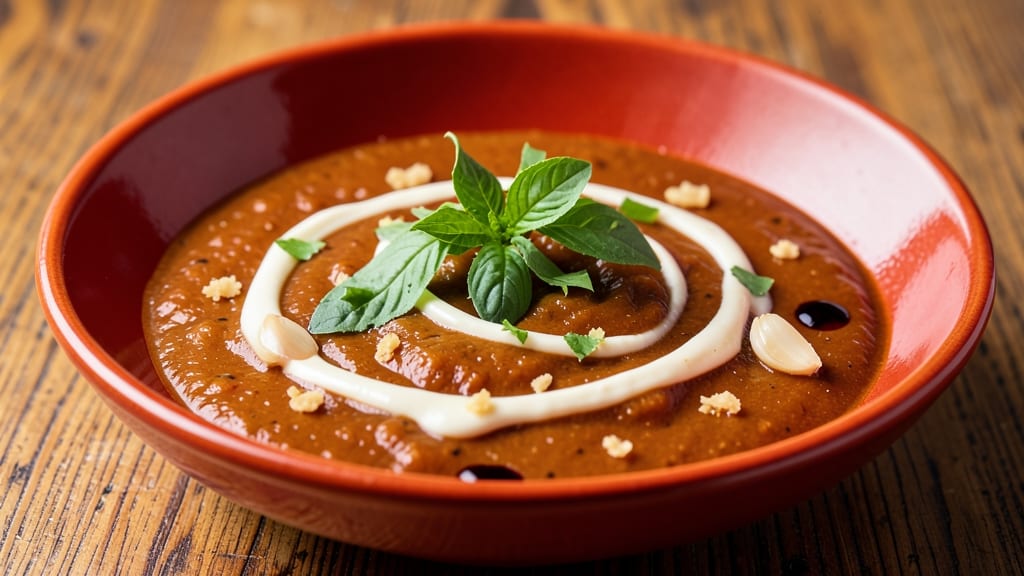
Transforming leftover spaghetti sauce into something even better is easier than you think—this freezer-friendly upgrade turns yesterday’s dinner into tomorrow’s star. The secret lies in balancing acidity, richness, and texture to create a sauce that’s versatile enough for dipping, braising, or topping pasta fresh.
I’ve perfected this method after years of rescuing forgotten jars, and it never fails to deliver restaurant-quality depth with minimal effort.
What makes this sauce special is its adaptability—whether you’re thickening it with a cornstarch slurry for a glossy finish or enriching it with cream for a creamy twist, the base remains flexible.
The key steps involve reducing the sauce slightly to concentrate flavors, then adjusting with herbs, garlic, or even a splash of red wine for complexity. This approach ensures every bite tastes intentional, not leftover.
By the time you’re done, you’ll have a smooth, flavorful sauce that’s perfect for dipping bread, braising proteins, or tossing with fresh pasta. The best part?
It freezes beautifully, so you can always have a quick, homemade sauce on hand. This isn’t just about saving leftovers—it’s about elevating them into something new.
Use it as a condiment for grilled meats, a base for stuffed peppers, or even a quick marinade. The possibilities are endless, and the process is foolproof. Let’s get started!
Ingredients for leftover spaghetti sauce
Four cups of forgotten sauce become a restaurant-worthy condiment with these ten ingredients.
| Ingredient | Amount | Notes |
|---|---|---|
| Leftover Spaghetti Sauce 🍅 | 4 cups | Homemade or store-bought preferred |
| Heavy Cream 🥛 | ½ cup | Full-fat for richness |
| Red Wine 🍷 | ¼ cup | Bold dry variety like Cabernet |
| Garlic Cloves 🧄 | 3 cloves | Freshly minced for depth |
| Fresh Basil Leaves 🌿 | ¼ cup | Packed, stems removed |
| Cornstarch 🌾 | 1 tbsp | For thickening slurry |
| Water 💧 | 1 tbsp | For cornstarch slurry |
| Olive Oil 🫒 | 1 tbsp | Extra-virgin for finishing |
| Salt 🧂 | ½ tsp | Diamond Crystal preferred |
| Black Pepper 🌶️ | ¼ tsp | Freshly cracked |
The sauce itself is the foundation, so don't skimp on quality. Homemade sauce with visible chunks of tomato and herbs always wins, but even jarred brands like Rao's or Barilla work if you stir in extra garlic and basil. If your sauce is too watery, reduce it first by simmering uncovered for 10-15 minutes. For extra depth, Trader Joe's carries concentrated tomato paste that adds instant richness—just a tablespoon goes a long way. The red wine should be bold and dry (Cabernet or Merlot), not sweet. If you don't drink wine, beef broth with a splash of balsamic mimics the acidity perfectly.
No heavy cream? Coconut milk or cashew cream delivers similar richness, though the texture will be slightly lighter. Fresh basil is ideal, but dried basil at one-third the amount works in a pinch—just crush the leaves between your fingers to release the flavor. Running low on cornstarch? Arrowroot powder makes an excellent 1:1 substitute. The garlic can be pre-minced from a jar (the good stuff, not the pre-minced kind with additives), but fresh always tastes better. For a smokier profile, swap half the red wine for tomato paste mixed with water—it's a chef's trick for depth.
This sauce freezes like a dream—just let it cool completely, then portion into glass jars or silicone molds for easy reheating. Label with the date, as it keeps for up to 3 months in the freezer. Thaw overnight in the fridge, then reheat gently on the stove with a splash of water if it thickens too much. For best results, store any leftovers in the fridge for up to 1 week, covered tightly to prevent skin formation. The cornstarch slurry should be made fresh before adding to the sauce, as it loses thickening power when pre-mixed.
Why You'll Love This Recipe
- No-Waste Magic: I swear by this trick—turning last night’s sauce into something richer than the original. That splash of red wine and heavy cream? It’s like giving your leftovers a second life without extra shopping.
- Weeknight Alchemy: Five minutes, one pot, done. Sauté garlic, toss in your sauce, deglaze with wine, stir in cream—no measuring cups, no fuss. My lazy nights just got a gourmet upgrade.
- Crowd-Pleaser Flex: This works for date nights (add Parmesan), potlucks (bring a jar), or when your kid’s soccer team shows up hungry. Serve it over pasta, dump it on toast, or let everyone scoop it straight from the bowl.
- Budget Boost: I’ve made this with $3 worth of ingredients—just what’s already in my fridge. The cream and wine feel fancy, but the cost? Peanuts. My wallet and taste buds both win.
Step-by-step instructions for transforming leftover spaghetti sauce
Here's how to elevate tired sauce into a velvety, restaurant-worthy dish in just minutes.
Bloom the Garlic in Olive Oil
Heat the 1 tablespoon olive oil in a medium saucepan over medium-low heat. Add the 3 cloves minced garlic cloves and cook for 1-2 minutes until fragrant but not browned—this prevents bitterness. Stir constantly so the garlic doesn't burn, as it can turn acrid in seconds. The kitchen will fill with that irresistible aroma, signaling it's ready for the next step.
Here's the thing—garlic releases its full flavor when cooked gently. If you see the edges starting to brown, immediately reduce the heat and give it another 30 seconds of stirring. This foundational step builds the sauce's depth before we add the wine and cream.
Deglaze with Red Wine
Pour in the 0.25 cup red wine and increase heat to medium. Let it simmer for 3-4 minutes until reduced by half, scraping the bottom of the pan with a wooden spoon to release any browned bits. These caramelized fragments, called fond, pack intense umami flavor that transforms ordinary sauce into something extraordinary.
Don't rush this reduction—patience here prevents a thin, watery sauce later. You'll notice the wine's alcohol burn off as it reduces, leaving behind concentrated fruit notes that brighten the dish. If the sauce looks too thick, add 1 tablespoon water now to loosen it slightly for the next addition.
Thicken with Cornstarch Slurry
In a small bowl, whisk together the 1 tablespoon cornstarch and 1 tablespoon water until completely dissolved. This creates a smooth slurry that thickens without clumping. Slowly pour it into the simmering wine mixture while stirring constantly with a wooden spoon.
Let the sauce cook for 2-3 minutes until it reaches your desired consistency—it should coat the back of a spoon but still be pourable. If it thickens too quickly, add another 1 tablespoon water to adjust. The cornstarch works like a magic trick here, transforming thin sauce into a luscious, velvety texture without altering the original flavors.
Incorporate the Leftover Sauce and Cream
Gradually add the 4 cups leftover spaghetti sauce to the pan, stirring continuously to distribute the thickened base evenly. Then reduce heat to low and pour in the 0.5 cup heavy cream, stirring gently to combine. Let the mixture simmer for 5-6 minutes until warmed through—never boil, or the cream will curdle and separate.
Real talk: this is where the sauce comes together. The cream adds luxurious richness while the wine and garlic infuse depth. Taste and adjust seasoning with 0.5 teaspoon salt and 0.25 teaspoon black pepper—you might need more salt since we're working with leftovers that may have lost some saltiness.
Finish with Fresh Basil and Serve
Remove the pan from heat and stir in the 0.25 cup fresh basil leaves, tearing them between your fingers to release their oils. Let the sauce sit for 2 minutes to absorb the basil's vibrant flavor. The leaves will wilt slightly, but that's perfect—they'll infuse the sauce without making it look like a salad.
Serve immediately over pasta, with crusty bread, or alongside grilled meats. The sauce should be silky with just a hint of wine's acidity cutting through the cream's richness. If you're freezing portions for later, let the sauce cool completely before transferring to airtight containers—this prevents ice crystals that ruin texture when reheated.
Pro Tips For Making Leftover Spaghetti Sauce
- Simmer Slow and Low: Your leftover sauce might have thickened unevenly—bring it to a gentle simmer first, then reduce to the lowest heat possible. I learned this the hard way after scorching a batch because I rushed the cream; it separates when it’s too hot.
- Toast the Garlic Right: Smash those cloves flat with the side of your knife before adding them to the pan. They’ll brown faster and infuse the sauce with flavor without burning—no more bitter garlic bits ruining your dish.
- Balance the Acid First: Add the red wine gradually while stirring constantly, then taste before pouring in the heavy cream. If the sauce tastes sharp, a pinch of sugar or a splash of broth smooths it out—trust me, this prevents a creamy disaster.
- Finish with Cold Cream: Let the heavy cream sit out for 10 minutes before adding it to the sauce. Cold cream blends better and won’t curdle immediately—your future self will notice the difference in texture.
Make-ahead tips for this dish
Freezer Prep Essentials
Always let your upgraded sauce cool completely to room temperature before freezing—this prevents ice crystals that create a grainy texture when reheated. I use glass mason jars with snap-on lids because they stack neatly in the freezer and reheat evenly.
Label each jar with the date and "spaghetti sauce" so you don't forget what's inside—trust me, you'll thank yourself later when you pull out a jar in a pinch. 💫
Portion the sauce into 1-cup servings for easy thawing. When you're ready to use it, transfer the frozen jar directly to the fridge to thaw overnight. This gradual thawing preserves texture better than microwave defrosting.
For best results, reheat gently on the stovetop over low heat with a splash of water if it thickens too much during reheating.
Fridge Storage Tips
Store your upgraded sauce in an airtight container with a tight-fitting lid to prevent skin formation. I like using glass storage containers because they're microwave-safe and won't absorb odors. Keep it refrigerated for up to 1 week—the flavors actually improve as the ingredients meld together over time.
If you notice the sauce developing a thin layer on top, simply stir it in before reheating. 🌡️
For extra insurance against spoilage, add a layer of plastic wrap directly on the sauce's surface before sealing the container. This creates a barrier that prevents oxidation and keeps the sauce fresh longer.
When reheating from the fridge, warm it gently on the stovetop or in the microwave (covered) until steaming hot throughout—165°F internal temperature is ideal for safety.
Thawing Strategies
For quick use, place the frozen sauce jar in a bowl of warm water for 15-20 minutes—this rapid thawing method works well for when you're in a hurry. The warm water bath helps maintain the sauce's texture without creating a watery consistency.
Once thawed, give it a good stir and taste—you might need to adjust seasoning since freezing can concentrate flavors. 💡
If you prefer to thaw overnight, place the sealed jar in the refrigerator. This slow thawing preserves the sauce's quality best, especially if you're planning to use it within 2-3 days. Never thaw sauce at room temperature, as this creates a dangerous breeding ground for bacteria.
The overnight method is particularly good for sauces you want to use in recipes like lasagna or stuffed shells where texture matters most.
Reheating Perfection
For stovetop reheating, transfer the sauce to a saucepan and warm over medium-low heat while stirring frequently. Adding 1-2 tablespoons of water or broth helps prevent sticking and keeps the sauce from becoming too thick.
If you notice the sauce separating or curdling, immediately reduce the heat and whisk vigorously to restore its smooth texture. 🔥
Microwave reheating works in a pinch, but requires more attention. Transfer the sauce to a microwave-safe bowl and heat in 30-second intervals, stirring between each interval. This gradual approach prevents hot spots that can ruin the sauce's consistency.
For best microwave results, cover the bowl loosely with a microwave-safe lid or paper towel to help retain moisture during reheating.
Nutrition facts
Frequently asked questions
Can I use this upgraded sauce for recipes other than pasta?
This velvety sauce is perfect for braising meats like chicken or pork, as a dip for crusty bread, or even as a marinade for grilled vegetables. The wine and garlic base adds incredible depth to any protein, while the creaminess makes it ideal for stuffing peppers or zucchini boats.
What if my leftover sauce is too thin or too thick?
For thin sauce, reduce it by simmering uncovered for 10-15 minutes before upgrading. If it's too thick, thin it with 1-2 tablespoons of water or broth while reheating. The cornstarch slurry in the recipe helps balance consistency, but you can always adjust further by adding more cream or water as needed.
How do I prevent the sauce from separating when reheating?
Always reheat gently over low heat, stirring frequently. If separation occurs, whisk vigorously and add 1 tablespoon of water or cream to restore smoothness. Never boil the sauce, as this causes curdling. For microwave reheating, use 30-second intervals with stirring between each.
Can I make this sauce dairy-free?
Yes! Replace the heavy cream with coconut milk or cashew cream for a rich, dairy-free version. The texture will be slightly lighter, but the wine and garlic flavors will still shine. For extra thickness, add 1 extra tablespoon of cornstarch slurry to compensate for the thinner base.
What if I don't have red wine?
No problem! Use beef broth with a splash of balsamic vinegar (1:1 ratio) or tomato paste mixed with water for depth. For a fruity twist, try apple cider vinegar or cranberry juice. The key is balancing acidity—just adjust to taste. The sauce will still be delicious, though the flavor profile will differ slightly.