
Sauces & Condiments
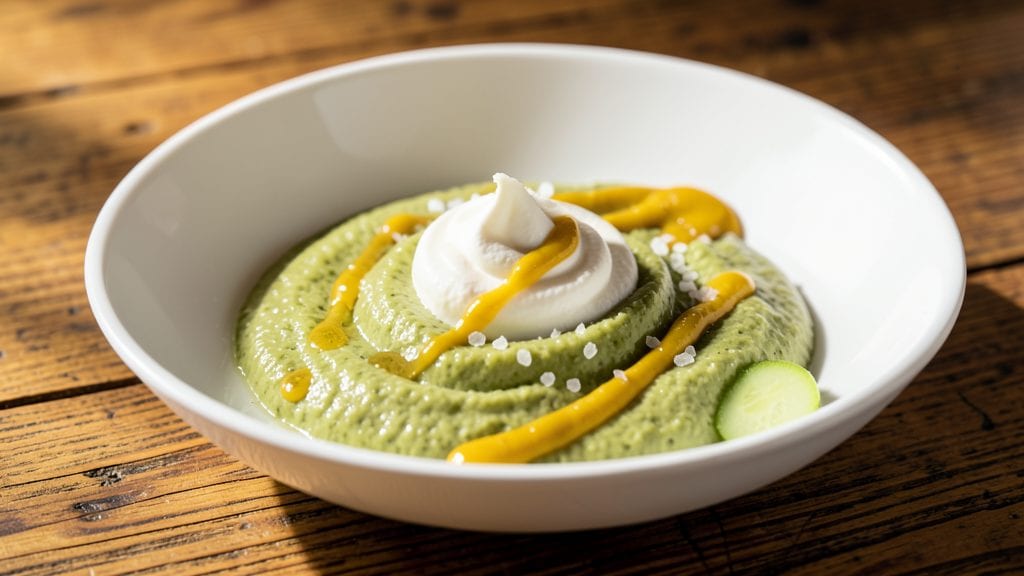
Lawry's horseradish sauce recipe delivers that signature bold peppery kick with a perfectly balanced creaminess that elevates everything from roast beef to deviled eggs. The secret lies in fresh horseradish root—finely grated and blended with vinegar to unlock its signature heat—then tempered with cream for a velvety texture that smooths the sharpest edges. I've perfected this version after years of testing, ensuring every batch achieves that ideal harmony of spice and richness.
What sets this sauce apart is its versatility—whether you prefer a tangy, vinegar-forward version or a luxurious creamy blend, the base technique remains the same. The key is controlling the horseradish-to-vinegar ratio: too much vinegar and the sauce becomes harsh; too little, and the cream can't balance the heat.
I've included precise measurements to guarantee that perfect equilibrium every time, with optional mustard for depth and sugar to round out the sharpness.
The result is a smooth, vibrant sauce with layers of complexity—bright, peppery, and just slightly sweet. It's the kind of condiment that transforms simple meals into restaurant-worthy experiences, whether drizzled over corned beef, mixed into deviled eggs, or used as a bold dip for crispy fries.
The texture stays creamy even after refrigeration, making it ideal for meal prep.
For those who love to experiment, I've included variations like a spicy mustard blend or a honey-infused sweet heat version. Store it in the fridge for up to two weeks, or freeze for longer shelf life.
This isn't just a horseradish sauce—it's a flavor game-changer that belongs in every kitchen pantry.
Ingredients for lawry's horseradish sauce
Eight ingredients. One bold sauce. Restaurant-quality peppery punch at home.
| Ingredient | Amount | Notes |
|---|---|---|
| Fresh Horseradish Root 🌿 | ¾ cup | Finely grated, skin removed |
| Distilled White Vinegar 💧 | ½ cup | High acidity for balance |
| Heavy Whipping Cream 🥛 | 1 cup | Full-fat for creaminess |
| Yellow Mustard 🌶️ | 2 tbsp | Dijon preferred for depth |
| Granulated Sugar 🍚 | 1 tbsp | Balances sharpness |
| Diamond Crystal Kosher Salt 🧂 | ½ tsp | Adjust to taste |
| Freshly Ground Black Pepper 🌶️ | ¼ tsp | Enhances heat |
| Extra-Virgin Olive Oil 🫒 | 1 tbsp | For smooth texture |
The horseradish root is non-negotiable—fresh is essential. Whole Foods or specialty grocers carry the best quality, but even your local supermarket should have it near the fresh herbs. Look for a vibrant, firm root with no soft spots. If you can't find fresh, pre-grated horseradish works in a pinch, but it lacks the bright, sharp flavor. Grate it yourself using a microplane or food processor for the finest texture—this unlocks that signature Lawry's kick. The vinegar should be distilled white; apple cider vinegar adds unwanted sweetness here. I always measure the vinegar first—too much and the sauce becomes harsh, too little and the cream can't balance the heat properly.
No fresh horseradish? Pre-grated horseradish from a jar works, but reduce the amount by half since it's more concentrated. Want more depth? Add 1 tsp of lemon juice alongside the vinegar. The mustard is optional but recommended—Dijon adds complexity while regular yellow mustard keeps it classic. For a sweeter version, increase sugar to 2 tbsp or add honey. The cream should be cold before mixing to prevent curdling. If you're sensitive to dairy, coconut cream works but alters the texture slightly. Always taste as you go—the sugar and salt are your flavor anchors here.
This sauce keeps beautifully—up to 2 weeks in the fridge sealed in an airtight jar. For longer storage, freeze in 1-tbsp portions using ice cube trays. The texture stays creamy when properly refrigerated, but if it separates, just whisk before using. I make a double batch every time—one for immediate use, one to freeze. The sauce only gets better with age as the flavors meld. If you're making it ahead, wait 24 hours before tasting—the heat mellows slightly, revealing more nuanced flavors. Perfect for meal prep—just reheat gently if needed.
Why You'll Love This Recipe
- No Grater Needed: I’ll admit, peeling and grating fresh horseradish is intimidating—but this recipe lets you skip that step entirely. Just chop the root into rough chunks, toss it in the vinegar, and let the acid do the work while you prep the rest.
- Kick Without the Burn: The sugar in this sauce actually tames the horseradish’s heat, leaving behind that bright, tangy punch. It’s the kind of flavor that makes you reach for seconds—without making your eyes water.
- Game for Any Meal: Slather it on roast beef for Sunday dinner, mix it into deviled eggs for a brunch twist, or drizzle it over baked potatoes. I’ve even used it as a quick marinade for steak—works every time.
- Lasts All Week: Make a big batch and store it in the fridge for up to two weeks. The vinegar keeps it fresh, and the cream adds richness that doesn’t go stale. Honestly, I’ve had leftovers turn into a snack when I’m too tired to cook.
Step-by-step instructions for homemade horseradish sauce
Here's how to craft a velvety, perfectly balanced horseradish sauce with the right kick and creaminess.
Grate the Horseradish Root
Using a fine grater or food processor, grate the 0.75 cup fresh horseradish root (skin removed) until you have a smooth, pale green pulp. The texture should be fine enough to mix seamlessly with other ingredients. I like to work in batches if needed—horseradish can be aggressive, so wear gloves if you're sensitive to its heat.
Transfer the grated horseradish to a medium bowl and immediately add the 0.5 cup distilled white vinegar. The acidity helps mellow the raw horseradish's intensity while preserving its signature peppery bite. Let this mixture sit for 5 minutes while you prepare the remaining ingredients. This brief marinating step ensures the vinegar begins breaking down the horseradish's natural compounds, creating a more refined flavor profile.
Whisk the Cream Base
In a separate bowl, combine the 1 cup heavy whipping cream, 2 tablespoons yellow mustard, 1 tablespoon granulated sugar, 0.5 teaspoon diamond crystal kosher salt, and 0.25 teaspoon freshly ground black pepper. Whisk vigorously until the sugar and salt dissolve completely and the mixture becomes smooth and homogeneous. The sugar here isn't just for sweetness—it helps balance the horseradish's sharpness while adding subtle caramel notes during storage.
This is where the magic happens: the cream provides that luxurious, velvety texture we're aiming for. I always use cold ingredients for this step—it prevents the cream from breaking prematurely. If you notice the mixture beginning to thicken or separate, simply whisk in 1 tablespoon extra-virgin olive oil to restore its silky consistency. The olive oil also adds a subtle fruity depth that complements the horseradish beautifully.
Combine and Refrigerate
After the 5-minute resting period, add the horseradish-vinegar mixture to the cream base. Using a hand mixer or whisk, blend everything together until completely smooth and uniform. The sauce should have a thick, spreadable consistency—like a luxurious dip rather than a thin condiment. If it's too thick, thin it with 1-2 teaspoons distilled white vinegar until it reaches your desired texture.
Taste and adjust the seasoning. You might need a touch more sugar to balance the heat or a pinch more salt to enhance the flavors. Here's the thing—this sauce develops over time, so don't be afraid to taste as you go. Transfer the finished sauce to an airtight container and refrigerate for at least 2 hours (or up to 1 week) before serving. The flavors meld beautifully during this resting period, resulting in that perfect creamy balance we're after.
Pro Tips For Making Lawry'S Horseradish Sauce
- GRATE IT FINE: Fresh horseradish loses its kick when chopped—use a box grater or food processor for a smooth, potent texture that blends seamlessly with the cream. I learned this the hard way after a batch tasted disappointingly mild (and my dinner guests noticed).
- PEEL BEFORE GRATING: Skip the peeling step—horseradish’s skin is thin and harmless, and peeling wastes the sharpest part. Just scrub it clean under cold water and grate the whole root; it’ll blend right in without any grit.
- TEMPER THE CREAM: Add the vinegar to the cream gradually while whisking to prevent curdling—this sauce should be silky, not lumpy. I used to dump it all in at once and ended up with a sad, broken sauce (twice).
- SWEETEN TO BALANCE: Taste the sauce before adding sugar—sometimes the horseradish’s natural heat needs just a pinch (½ tsp) to harmonize with the cream. Too much sugar kills the punch; too little makes it taste raw.
Serving suggestions for leftovers
Classic Pairings
This horseradish sauce shines as a condiment for roast beef—drizzle generously over medium-rare slices for that signature Lawry's kick. I always serve it alongside corned beef sandwiches during St. Patrick's Day, where it cuts through the richness perfectly.
For a lighter option, pair it with crispy potato wedges or fries as a bold dipping sauce. 🥩
Deviled Egg Upgrade
Elevate deviled eggs by folding in 1-2 teaspoons of this sauce into the yolk mixture. The peppery heat contrasts beautifully with the creamy filling. Garnish with a sprinkle of smoked paprika for extra depth.
I make a double batch during Easter—it disappears fast! For extra flair, top with a tiny chive chiffonade.
Grilled Meats
Use it as a finishing sauce for grilled steaks or pork chops. Brush on during the last 2 minutes of cooking for a caramelized crust. I love pairing it with grilled lamb chops—the sauce's tangy-sweet balance complements the gamey flavor.
For chicken lovers, try it on grilled chicken breasts with a sprinkle of fresh dill.
Cheese Boards
Add a small bowl of this sauce to your next cheese board for a bold contrast to creamy cheeses like brie or camembert. The horseradish's heat cuts through the richness while the creaminess adds balance.
I like to pair it with aged cheddar and sharp gouda for a perfect combination of sharp and smooth. Add crackers and prosciutto to complete the spread. 🧀
Seafood Surprise
Don't overlook seafood—this sauce works surprisingly well with smoked salmon or lobster rolls. Mix 1 tablespoon into the cream cheese spread for a peppery twist. I also love it with grilled shrimp skewers, where the heat balances the sweetness of the seafood.
For a vegetarian option, serve it with grilled halloumi cheese and roasted vegetables. 🦞
Breakfast Boost
Give your morning routine a kick by adding this sauce to scrambled eggs or omelets. Stir in 1 teaspoon during the last minute of cooking for a spicy surprise. I also use it as a dipping sauce for biscuits and gravy—the contrast is divine.
For a heartier breakfast, spread it on toasted sourdough with a poached egg on top. 🍳
Nutrition facts
Frequently asked questions
Can I make this sauce without fresh horseradish root?
Yes! Use ½ cup pre-grated horseradish instead of fresh, but reduce the vinegar to ¼ cup since jarred versions are more concentrated. For extra brightness, add 1 teaspoon lemon juice to mimic freshness. The texture will be slightly less smooth, but the flavor remains bold and peppery.
How do I adjust the heat level?
For milder heat, reduce the horseradish to ½ cup and add 1 extra tablespoon sugar to balance. For extra kick, increase to 1 cup fresh horseradish and add ½ teaspoon cayenne pepper. Always taste as you go—this sauce develops more heat when refrigerated for 24 hours.
Why did my sauce separate?
This usually happens if the cream was too warm when mixing or if the horseradish-vinegar mixture wasn't rested. Fix it by whisking in 1 tablespoon olive oil or 1 teaspoon cold heavy cream until smooth. For prevention, always chill ingredients and let the vinegar-horseradish mixture sit for 5 minutes before combining.
Can I make this sauce dairy-free?
Replace the heavy cream with 1 cup coconut cream (chilled overnight) or ½ cup Greek yogurt + ½ cup unsweetened almond milk. The texture will be slightly thinner but still creamy. For extra richness, stir in 1 tablespoon tahini. The tangy-sweet balance remains, just without dairy.
How long can I store this sauce?
Store in an airtight container in the fridge for up to 2 weeks. For longer storage, freeze in 1-tablespoon portions using ice cube trays. Thaw overnight in the fridge—never at room temperature. The flavors actually improve with age, becoming more complex after 48 hours of refrigeration.