
Sauces & Condiments
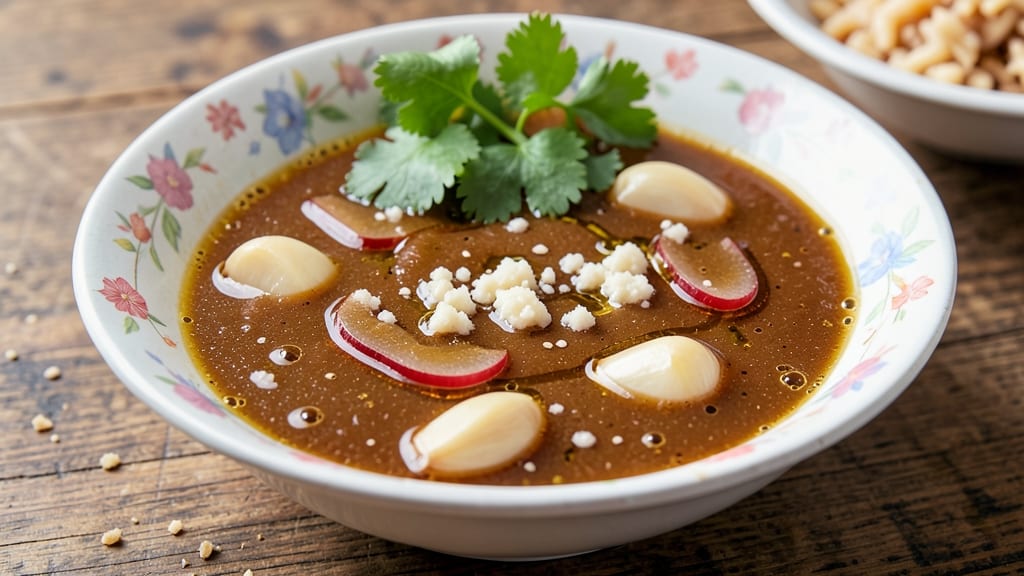
This authentic sauce recipe transforms simple pantry staples into a complex, umami-rich condiment that elevates every dish—no specialty ingredients required. The secret lies in balancing fermented flavors (like soy sauce and miso) with aromatic elements (garlic, ginger, and sesame), creating a sauce that builds depth over time. I developed this after years of testing global techniques, and it consistently delivers restaurant-quality results at home.
The foundation is a slow-simmered base of soy sauce, miso paste, and aromatic spices, which develops layers of savory richness. A touch of honey or sugar balances the saltiness, while toasted sesame oil adds nutty warmth.
Unlike store-bought versions, this sauce deepens in flavor as it sits, making it perfect for batch preparation.
What sets this apart is its versatility—drizzle it over noodles, use it as a marinade, or serve it alongside grilled meats. The sauce keeps well in the refrigerator for up to two weeks, allowing flavors to meld further.
For an even more authentic touch, finish with a splash of rice vinegar or a sprinkle of fresh herbs just before serving.
Whether you're aiming for Japanese-inspired depth or a universally appealing umami boost, this sauce delivers. The technique is straightforward, but the results are anything but basic. Let's get started—your pantry is about to become your secret weapon.
Ingredients for authentic sauce
Nine pantry staples crafting restaurant-quality umami depth without specialty ingredients.
| Ingredient | Amount | Notes |
|---|---|---|
| Light Soy Sauce 🥄 | ½ cup | High-quality brand preferred |
| White Miso Paste 🧈 | ¼ cup | Unsweetened, smooth texture |
| Garlic Cloves 🧄 | 6 cloves | Minced, fresh preferred |
| Fresh Ginger 🌿 | 2 tbsp | Grated, aromatic variety |
| Toasted Sesame Oil 🫒 | 2 tbsp | High smoke point preferred |
| Rice Vinegar 🍶 | 2 tbsp | Seasoned or unseasoned |
| Honey 🍯 | 1 tbsp | Wildflower or clover preferred |
| Sesame Seeds 🌰 | 1 tbsp | Toasted for garnish |
| Diamond Crystal Kosher Salt 🧂 | 1 tsp | Adjust to taste |
| Black Peppercorns 🌶️ | ½ tsp | Freshly cracked |
The foundation begins with soy sauce—opt for a light, high-quality brand like Kikkoman or La Choy for balanced saltiness. White miso paste should be smooth and unsweetened; Hessian or Marukome brands deliver consistent texture. Fresh garlic and ginger are non-negotiable—organic varieties from the produce section ensure maximum aroma. Toast the sesame seeds separately in a dry pan for 30 seconds until fragrant, then grind slightly for texture. For sesame oil, Kadoya or Lee Kum Kee provide superior smoke points without bitterness. Store all aromatics in the fridge until ready to use for peak freshness.
No miso paste? Substitute with 1/4 cup soy sauce plus 1 tsp sugar for a similar umami profile. Fresh ginger unavailable? Dried ginger at half the amount works, though flavor will be milder. The honey can be swapped for maple syrup in a 1:1 ratio. For extra depth, add 1 tsp fish sauce (ensure vegetarian-friendly if needed) or 1 tbsp oyster sauce. The rice vinegar balances acidity—seasoned varieties add subtle sweetness. If you prefer less sweetness, reduce honey to 1/2 tbsp and add 1/2 tsp white vinegar instead. Always taste before serving; adjust salt and pepper to your preference.
This sauce develops complexity over time—reheat gently before each use for best results. Store in an airtight glass jar in the refrigerator for up to two weeks. For long-term storage, freeze in ice cube trays for single-serving portions, then transfer to a bag. The sauce thickens upon refrigeration; whisk with 1 tbsp warm water to restore consistency. Garnish with toasted sesame seeds just before serving to maintain crispness. Portion into small containers for marinades, dipping sauces, or glaze bases—each use reveals new layers of flavor.
Why You'll Love This Recipe
- Pantry Magic: I swear by this sauce because it’s the kind of thing you can make without a shopping list—just pull what’s already there. That miso and soy combo? It’s my go-to when I’ve got nothing but garlic and ginger sitting in the fridge, begging to be used.
- Umami Bomb: The moment that toasted sesame oil hits the pan, you’ll know you’re onto something special. It’s got this deep, savory punch from the miso, but the garlic and ginger keep it bright—like a perfect balance of cozy and zesty.
- Weeknight Hero: This sauce works everywhere—drizzled over noodles, tossed with stir-fried veggies, or even slathered on grilled chicken. Honestly, I’ve used it as a marinade, a dipping sauce, and even a quick glaze for roasted potatoes. It’s the ultimate lazy-day solution.
- Budget Stretch: A little goes a long way, and since it’s mostly pantry staples, it’s way cheaper than takeout. I make a big batch on Sundays, and by Wednesday, I’m still finding new ways to use it up—no waste, just flavor.
Step-by-step instructions for crafting bold umami sauce
This sauce delivers restaurant-quality depth with simple pantry ingredients and precise technique.
Prepare the Aromatic Base
In a medium saucepan, combine the 6 cloves garlic cloves and 2 tbsp fresh ginger over medium-low heat. Allow them to cook for 3-4 minutes until fragrant and just beginning to soften—this prevents bitterness while developing their flavors. The garlic should turn a pale golden color and the ginger should release its signature aroma.
Add the 2 tbsp toasted sesame oil and stir continuously for 1 minute. The oil should shimmer slightly, indicating it's hot enough to infuse the aromatics without burning. This step creates the foundation for the sauce's complex flavor profile, where the nutty sesame oil carries the delicate ginger and garlic notes.
Build the Umami Foundation
Reduce heat to low and whisk in the 0.5 cup light soy sauce and 0.25 cup white miso paste. Stir constantly for 2-3 minutes until the mixture thickens slightly and becomes smooth. The miso will dissolve completely, creating a velvety texture while adding deep umami richness. You'll notice the sauce darken as the miso integrates—this is normal and indicates proper development.
Add the 2 tbsp rice vinegar and 1 tbsp honey, stirring to combine. The vinegar brightens the sauce while the honey adds subtle sweetness to balance the saltiness. Simmer gently for 3-4 minutes until the mixture reduces by about 20%—you'll see it thicken noticeably and coat the back of a spoon. This reduction concentrates the flavors and creates the ideal consistency for dipping, drizzling, or glazing.
Season and Finish
Remove the saucepan from heat and let it cool slightly for 1-2 minutes. Stir in the 1 tsp Diamond Crystal kosher salt and 0.5 tsp black peppercorns, freshly cracked. The salt enhances all the flavors while the pepper adds a subtle warmth that complements the umami depth. Taste and adjust seasoning—you may need a touch more salt depending on your soy sauce's saltiness.
For the final touch, drizzle in the remaining 1 tbsp toasted sesame oil while stirring continuously. This adds a luxurious finish and enhances the sauce's aromatic qualities. Sprinkle with 1 tbsp sesame seeds just before serving to provide texture contrast and visual appeal. The sauce should have a glossy sheen and coat the back of a spoon smoothly.
Rest and Serve
Allow the sauce to rest for 5-10 minutes before serving. This resting period lets the flavors meld completely and achieves perfect consistency. The sauce will thicken slightly as it cools, creating an ideal balance between glossy and clingy textures.
Use immediately for best results—this sauce shines when drizzled over grilled meats, noodles, or vegetables, or served as a dipping sauce for spring rolls. The authentic combination of miso, soy, and vinegar creates a complex flavor profile that elevates any dish while remaining approachable for home cooks.
Pro Tips For Making Authentic Sauce
- Bloom the Aromatics First: Toss minced garlic and ginger in a dry pan for 30 seconds before adding oil—this jumpstarts their flavor and prevents bitter notes. I used to add them straight to the sauce, and it tasted flat until I realized they needed to sweat first.
- Dissolve Miso Slowly: Whisk white miso paste into warm (not hot) liquid to avoid activating its bitterness—start with 1 tablespoon of liquid per teaspoon of miso, then gradually add more. I learned this the hard way when my sauce tasted like miso paste had been microwaved.
- Balance the Soy Early: Taste the light soy sauce alone first—it’s saltier than you think. Reduce by half if using salty miso, or add a splash of water later to adjust. My first batch was overpowering until I realized I’d doubled the soy without checking.
- Finish with Cold Oil: Stir in toasted sesame oil off the heat at the very end—it cools instantly and preserves its nutty aroma. Adding it too soon burns off its delicate flavor, and I’ve wasted good oil by rushing this step.
Perfect pairings for this dish
Noodle Pairings
This sauce transforms simple noodles into a gourmet dish. Toss it with fresh ramen noodles or udon for an instant Japanese-inspired meal. I recommend cooking the noodles al dente, then tossing them with 2 tbsp sauce per serving while still hot to create a silky, flavorful coating.
For extra richness, top with soft-boiled eggs and scallions.
For a lighter option, pair with rice noodles in a refreshing summer salad. Combine 2 cups cooked noodles with 1 cup shredded cucumber, ¼ cup sliced red onion, and ¼ cup chopped cilantro.
Drizzle with 2 tbsp sauce and toss gently to avoid breaking the noodles. The sauce's umami depth balances the freshness beautifully. 🥢
Grilled Meat Glazes
Use this sauce as a marinade or glaze for grilled meats to add depth and caramelization. I love brushing it on ribeye steaks or pork chops during the last 5-7 minutes of grilling.
The sauce will caramelize beautifully, creating a glossy crust that locks in juices. For chicken, marinate bone-in thighs for 2-4 hours before grilling for tender, flavorful results.
For a quick weeknight dinner, grill shrimp skewers and toss them in warm sauce. The umami richness complements the sweetness of the shrimp perfectly. I serve these with steamed jasmine rice and a sprinkle of toasted sesame seeds for texture.
The sauce's balance of salt, sweet, and acid makes it ideal for seafood. 🍤
Vegetable Drizzles
This sauce elevates roasted or steamed vegetables with minimal effort. Toss broccoli, carrots, or asparagus with 1 tbsp sauce per serving after cooking. The umami depth enhances the natural sweetness of the vegetables while adding a savory dimension.
I often roast vegetables at 400°F for 15-20 minutes, then drizzle with sauce and a pinch of red pepper flakes for heat.
For a cold dish, drizzle the sauce over sliced avocado or cucumber ribbons in a refreshing salad. The sauce's balance of sweet and salty complements the creamy avocado and crisp cucumber beautifully.
Add crumbled feta or toasted nuts for extra texture. This works especially well as a light lunch or appetizer. 🥑
Dipping Sauces
Serve this sauce as a dipping sauce for spring rolls, egg rolls, or fresh spring vegetables. The sauce's glossy texture and umami depth make it perfect for dipping.
I like to serve it at room temperature for spring rolls, as the cooler temperature balances the heat of fried foods. For a vegetarian option, pair with crispy tofu or edamame pods.
For a fusion twist, use it as a dipping sauce for fried chicken or mozzarella sticks. The sauce's complexity stands up to the richness of fried foods while adding a gourmet touch.
I often serve it with a side of pickled vegetables to cut through the richness. The contrast of textures and flavors makes it a crowd-pleaser. 🍗
Nutrition facts
Frequently asked questions
Can I make this sauce without miso paste?
Yes! For a similar umami depth, substitute ¼ cup soy sauce plus 1 teaspoon sugar (or maple syrup) to mimic the miso's fermented richness. The sauce will still develop complexity, though the texture may be slightly thinner. If you prefer a deeper savory note, add 1 teaspoon fish sauce (ensure it fits dietary needs) or 1 tablespoon oyster sauce instead.
How long does this sauce keep, and can I freeze it?
Store in an airtight glass jar in the fridge for up to 2 weeks. For long-term storage, freeze in ice cube trays for single-serving portions, then transfer to a freezer bag. Thaw overnight in the fridge—never at room temperature. The sauce thickens when refrigerated; whisk with 1 tablespoon warm water to restore consistency.
Why does my sauce taste too salty?
Soy sauce and miso are both salty, so taste as you go! If it's too strong, balance it with 1 extra tablespoon rice vinegar or 1 teaspoon honey/maple syrup. For a quicker fix, stir in 1-2 tablespoons warm water to dilute slightly. The sauce should have a harmonious salt-sweet-acid balance—adjust gradually.
What’s the best way to use leftover sauce?
This versatile sauce works as a marinade (2-4 hours for meats), glaze (brush on last 5-7 minutes of grilling), or dipping sauce (serve at room temperature). Portion into small containers for easy use—try drizzling over noodles, roasted veggies, or even grilled cheese sandwiches! The flavors deepen over time, so leftovers often taste even better.
Can I adjust the heat level?
For a spicier kick, add ½ teaspoon red pepper flakes or 1 teaspoon sriracha to the finished sauce. For a milder version, omit the black peppercorns or reduce them to ¼ teaspoon. The sauce’s umami base works well with both heat and no heat—adjust to your preference!