
Sauces & Condiments
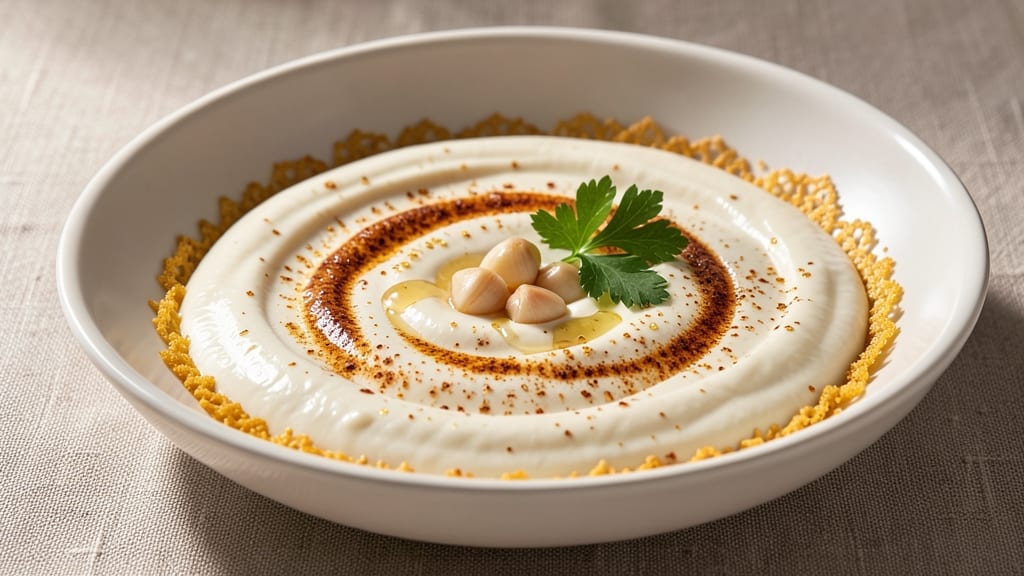
This La Siesta white sauce recipe transforms simple pantry staples into a velvety, restaurant-quality sauce that elevates everything from grilled fish to roasted vegetables. The secret lies in balancing sour cream's tang with the richness of butter and flour, creating a silky texture that clings effortlessly to any dish.
I developed this version after years of testing—it's the one that finally delivers that perfect, velvety finish without breaking a sweat.
The beauty of this sauce is its versatility and simplicity. With just five core ingredients—butter, flour, milk, sour cream, and a touch of nutmeg—you'll achieve a smooth, creamy consistency that's foolproof.
The herbs (parsley or chives) add freshness, while the garlic infuses subtle depth. What sets this apart is the slow, gentle simmer that prevents lumps and ensures every spoonful is perfectly balanced.
Once you taste this sauce, you'll understand why it's a game-changer for weeknight dinners. It pairs beautifully with grilled chicken, seafood, or even as a dip for crusty bread.
The best part? It stays creamy even when reheated, making it ideal for meal prep. Ready to master this silky, tangy sauce that will become your new kitchen staple?
This recipe delivers restaurant-quality results in just 15 minutes, with no fancy techniques required. The key is patience—letting the sauce thicken gradually ensures a velvety finish, not a grainy one.
Whether you're serving it over pasta, drizzling it on roasted vegetables, or using it as a creamy dip, this sauce will transform ordinary meals into something extraordinary. Let's get started!
Ingredients for la siesta white sauce
Five core ingredients and a handful of fresh herbs create this velvety restaurant-quality sauce.
| Ingredient | Amount | Notes |
|---|---|---|
| Unsalted Butter 🧈 | ½ cup | Cold, cubed for even melting |
| All-Purpose Flour 🌾 | ¼ cup | Sifted for smooth texture |
| Full-Fat Sour Cream 🥛 | ½ cup | Full-fat for creaminess |
| Whole Milk 🥛 | 1 cup | Room temperature preferred |
| Ground Nutmeg 🌿 | ¼ tsp | Freshly grated for aroma |
| Fresh Garlic 🧄 | 2 cloves | Minced for subtle depth |
| Fresh Parsley 🌿 | ¼ cup | Chopped, for fresh finish |
| Fresh Chives 🌿 | ¼ cup | Chopped, optional garnish |
| Diamond Crystal Kosher Salt 🧂 | ½ tsp | Adjust to taste |
| Freshly Ground Black Pepper 🌶️ | ¼ tsp | Freshly cracked preferred |
The butter and flour form the sauce's silky base—European-style butter like Plugrá or Land O'Lakes has the perfect fat content for this. King Arthur or Bob's Red Mill flour works best for smooth thickening, but any all-purpose will do. For the sour cream, full-fat is non-negotiable—low-fat versions won't give that luxurious finish. I always grab mine from the refrigerated section at Whole Foods or Trader Joe's where it stays coldest. The nutmeg? Freshly grated makes all the difference—pre-ground loses its punch fast. If you're using dried, toast it lightly in a dry pan first to wake up the flavor.
No butter? Olive oil or coconut oil works in a pinch, though the flavor will shift slightly. Running low on milk? Heavy cream or half-and-half adds richness but will make the sauce thicker. Substituting sour cream? Greek yogurt works at a 1:1 ratio, but it has a tangier finish. Fresh herbs wilting? Dried parsley or chives at one-third the amount will save you, though nothing beats the freshness. The garlic can be roasted for a sweeter profile—just toss whole cloves with olive oil at 400°F for 10 minutes before mincing. And if you're short on time, pre-minced garlic from the jar works, but drain it well to avoid excess moisture.
This sauce reheats beautifully—just warm gently on the stove with a splash of milk if it thickens too much. Store leftovers in an airtight container for up to 5 days in the fridge, or freeze for 3 months in ice cube trays for perfect single-serving portions. The herbs keep best in the fridge wrapped in damp paper towels. For meal prep, I always make a double batch—the extra sauce freezes perfectly and becomes my go-to for quick weeknight dinners. The nutmeg loses potency over time, so if you've had it for months, consider toasting it briefly before grinding.
Why You'll Love This Recipe
- No-Fuss Routine: Between us, this sauce takes five minutes of active work—just melt the butter, whisk in the flour, then slowly add milk while stirring. The sour cream at the end? That’s my secret for that velvety finish without extra effort.
- Nutmeg Magic: That tiny pinch of ground nutmeg transforms it from basic to ridiculously good—warm, earthy, and just sweet enough to make it feel special. Honestly, it’s the ingredient that makes this sauce taste like a restaurant dish, not a weeknight shortcut.
- Pantry Staple Power: You’re already using what’s in your fridge: butter, flour, milk. No weird ingredients, no last-minute grocery runs. I’ve made this for tacos, mashed potatoes, and even drizzled over grilled chicken—it’s the ultimate flavor multiplier.
- Leftovers That Shine: This sauce actually improves the next day—thickens just right and tastes even richer. I double the batch on Sundays, store it in the fridge, and use it all week for quick dinners. (Yes, even on a Tuesday night.)
Step-by-step instructions for La Siesta white sauce
Here's how to create this velvety, herb-infused white sauce that's perfect for pasta or seafood.
Create the Roux Foundation
In a medium saucepan, melt the 0.5 cup unsalted butter over medium-low heat. I like to use cold cubed butter here—it melts more evenly and creates a smoother base. Once fully melted, add the 0.25 cup all-purpose flour all at once and whisk vigorously for 1-2 minutes until the mixture forms a smooth, paste-like roux.
This roux is the backbone of your sauce. You'll know it's ready when it stops looking grainy and takes on a uniform, slightly thickened appearance. If it darkens too much, you've gone too far—keep a close eye on it. The color should be a pale golden hue, not browned. Remove from heat immediately once smooth to prevent cooking the flour.
Gradually Incorporate Milk
Return the pan to medium heat and slowly pour in the 1 cup whole milk while whisking continuously. I add it gradually—about ¼ cup at a time—to prevent lumps from forming. The mixture will thicken immediately as the milk absorbs into the roux.
Continue whisking for 3-4 minutes until the sauce begins to thicken and coat the back of a spoon. This is where patience pays off—rushing causes lumps or a grainy texture. You're aiming for a sauce that's thick enough to coat a spoon but still flows smoothly. If it gets too thick too quickly, add 1 tablespoon of milk at a time to adjust the consistency.
Infuse with Aromatics and Seasonings
Reduce the heat to low and stir in the 2 cloves minced fresh garlic, 0.5 tsp diamond crystal kosher salt, and 0.25 tsp freshly ground black pepper. Let the sauce simmer gently for 2 minutes to allow the garlic to infuse its subtle depth without burning. The sauce should now be smooth and velvety, with a delicate garlic aroma.
Next, stir in the 0.5 cup full-fat sour cream and 0.25 tsp ground nutmeg. The nutmeg adds that signature warmth that makes this sauce special. Whisk until fully incorporated—you'll notice the sauce become even richer and more luxurious in texture. Here's where it gets fun: taste and adjust the seasoning. You might need a pinch more salt or a crack of pepper to balance the flavors.
Finish with Fresh Herbs
Remove the sauce from heat and stir in the 0.25 cup chopped fresh parsley and 0.25 cup chopped fresh chives. These herbs add brightness and freshness that cut through the richness of the sauce. Let the herbs steep in the warm sauce for 1-2 minutes—this allows their flavors to meld without overpowering the delicate balance.
For the smoothest texture, strain the sauce through a fine-mesh sieve to remove any herb stems or garlic bits. Return it to the pan and keep it warm over low heat until ready to use. This sauce is best served immediately, but you can reheat it gently if needed—just add a splash of milk to restore its silky consistency. The result should be a velvety, herb-infused white sauce that's perfect for drizzling over pasta, seafood, or grilled vegetables.
Pro Tips For Making La Siesta White Sauce
- Melt Butter Slowly: I learned this the hard way—dumping cold butter into the pan and ending up with a greasy mess. Instead, cut the butter into small cubes and let them melt gradually over medium-low heat before adding flour. This keeps the sauce from seizing up or tasting buttery in all the wrong ways.
- Whisk Like You Mean It: The moment you add milk, stop stirring and whisk aggressively for 30 seconds. I used to think gentle stirring was enough, but this step cuts down on lumps like magic. If you’re lazy (like me), a handheld mixer works—just don’t walk away.
- Sour Cream Last: Adding sour cream too early turns your sauce into a gloppy, curdled disaster. Stir in the full-fat sour cream after the roux is fully cooked and the milk has thickened—about 2 minutes before you’re done. This keeps it silky, not soupy.
- Nutmeg Freshly Ground: Pre-ground nutmeg tastes like sawdust. Grate your own just before adding it to the sauce—it makes a real difference. A pinch (about ¼ teaspoon) is enough; too much turns it bitter. (Yes, even if you’re impatient like me.)
Serving suggestions for this la siesta white sauce
Pasta Pairings
This sauce transforms simple pasta dishes into something extraordinary. Toss it with fettuccine or tagliatelle for a classic Italian feel, or try it with linguine for a lighter texture. I love adding a pinch of red pepper flakes to the sauce before tossing it with pasta for a subtle kick.
For extra richness, reserve some pasta water and stir in 1-2 tablespoons to loosen the sauce slightly. 🍝
Seafood Elevation
Drizzle this sauce over grilled or pan-seared salmon, cod, or shrimp for an instant restaurant-quality meal. The creamy texture contrasts beautifully with the delicate flavors of seafood.
I recommend finishing with a sprinkle of lemon zest and a few chopped capers for brightness. Serve immediately to maintain the sauce's velvety consistency. 🐟
Vegetable Drizzle
Roasted vegetables become irresistible when bathed in this sauce. Try it with asparagus, zucchini, or brussels sprouts—the creamy texture clings perfectly to their surfaces.
For extra flavor, toss the vegetables with garlic-infused olive oil before roasting. The nutmeg in the sauce adds warmth that pairs beautifully with earthy vegetables. 🥦
Dip for Crusty Bread
Warm this sauce slightly and serve it as a dip for crusty baguette slices or garlic bread. The tangy sour cream and fresh herbs make it irresistible. For a gourmet touch, sprinkle with toasted breadcrumbs and serve with a side of marinated artichokes.
This is a fantastic way to use up leftovers without sacrificing flavor. 🥖
Protein Pairings
This sauce works wonders with grilled or roasted chicken breast or pork tenderloin. The creamy texture complements the savory flavors perfectly. For a complete meal, serve with roasted potatoes or a fresh green salad.
To make it extra special, add a drizzle of balsamic glaze on top before serving. The combination is pure comfort food at its finest. 🍗
Breakfast Twist
Don't limit this sauce to dinner! Use it to elevate breakfast dishes like scrambled eggs or pancakes. Stir a spoonful into warm eggs for a creamy, herby finish.
For a decadent brunch, drizzle it over French toast or waffles. The nutmeg adds a cozy warmth that makes it perfect for chilly mornings. 🍳
Nutrition facts
Frequently asked questions
Can I make this white sauce without sour cream?
For a lighter version, replace the sour cream with ½ cup Greek yogurt (full-fat for best texture) or ¼ cup heavy cream plus 1 tablespoon lemon juice. The sauce will have a slightly tangier profile but still maintain that velvety consistency. If you're avoiding dairy entirely, try ½ cup coconut cream for a rich, neutral base—just reduce the milk to ¾ cup to balance the thickness.
Why did my sauce get lumpy? How can I fix it?
Lumps usually happen when adding milk too quickly or whisking isn't vigorous enough. For immediate fixes, blend the sauce with an immersion blender until smooth, or strain it through a fine-mesh sieve. To prevent lumps next time, melt the butter completely, whisk continuously when adding milk, and keep heat at medium-low while thickening. If the sauce is too thick after fixing lumps, thin it with 1 tablespoon milk at a time.
How can I make this sauce spicier?
Add ½ teaspoon red pepper flakes or 1 teaspoon hot sauce (like Tabasco) while the sauce simmers. For a smoky kick, stir in ½ teaspoon smoked paprika with the nutmeg. If you love heat, finish with a sprinkle of flaky sea salt and a dash of chili oil—it balances the richness beautifully. Always taste as you go to avoid overpowering the delicate herbs.
Can I make this sauce ahead of time?
Yes! This sauce actually tastes better the next day as the flavors meld. Store it in an airtight container in the fridge for up to 5 days. Before reheating, whisk in 1 tablespoon milk or cream to restore its silky texture. For freezing, portion into ice cube trays, freeze, then transfer to a bag. Thaw overnight in the fridge—never microwave directly from frozen. The herbs will keep their brightness when reheated gently.
What's the secret to getting that ultra-smooth texture?
The key is patience and proper technique:
- Whisk constantly when adding milk to prevent lumps,
- Simmer gently on low heat to avoid cooking the flour, and
- Strain through a fine-mesh sieve before serving. For extra silkiness, melt the butter completely (no bits!) and use European-style butter with higher fat content. If you're still getting graininess, try blending with an immersion blender for 10 seconds after straining.