
Sauces & Condiments
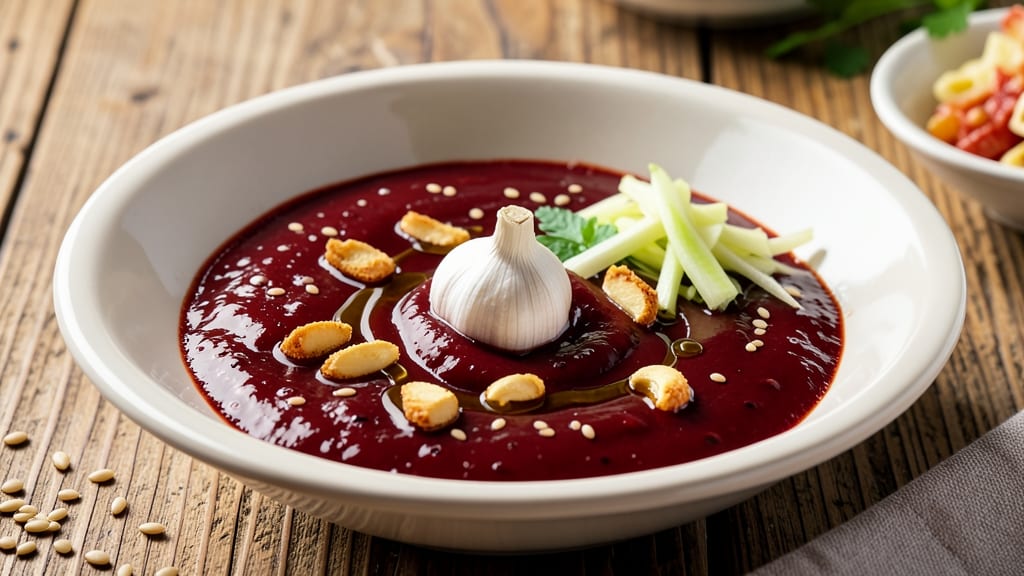
This Korean gochujang sauce recipe transforms simple pantry staples into a bold, fermented chili paste that elevates everything from marinades to glazes in just 15 minutes. The secret lies in balancing gochujang’s deep umami with sweet, tangy, and savory elements—no fermentation required.
I developed this version after years of testing, ensuring it delivers restaurant-quality depth without the complexity of traditional methods.
The foundation is gochujang, fermented chili paste that brings heat, sweetness, and complexity, paired with rice vinegar for brightness and brown sugar to mellow the spice. A splash of sesame oil adds nutty richness, while garlic and ginger deepen the flavor profile.
The sauce thickens slightly as it cools, creating a glossy, clingy consistency perfect for drizzling or brushing.
What sets this apart is its versatility—use it as a marinade for grilled meats, a glaze for roasted vegetables, or a dipping sauce for dumplings. The ingredients are affordable and accessible, yet the results taste like you’ve spent hours simmering.
Store it in the fridge for up to 2 weeks or freeze for longer shelf life, making it a pantry essential for quick, flavorful meals.
Once you taste this sauce, you’ll understand why it’s a game-changer in Korean cuisine. The balance of spicy, sweet, and savory makes it addictive, and the 15-minute prep time ensures it’s always within reach. Let’s make it—your taste buds will thank you.
Ingredients for korean gochujang sauce
Nine simple ingredients create this restaurant-quality Korean gochujang sauce in minutes.
| Ingredient | Amount | Notes |
|---|---|---|
| Gochujang 🌶️ | ½ cup | Korean fermented chili paste, vibrant red |
| Rice Vinegar 🍶 | ¼ cup | Seasoned or white, for brightness |
| Brown Sugar 🍯 | ⅓ cup | Light or dark, packed |
| Sesame Oil 🫒 | 2 tbsp | Toasted, for nutty depth |
| Garlic Cloves 🧄 | 4 cloves | Fresh, minced for bold flavor |
| Fresh Ginger 🌿 | 1 tbsp | Grated, peeled, for zesty kick |
| Soy Sauce 🍶 | 2 tbsp | Light or dark, for umami |
| Water 💧 | ¼ cup | Room temperature for thinning |
| Toasted Sesame Seeds 🥜 | 1 tbsp | Whole, for garnish and texture |
| Diamond Crystal Kosher Salt 🧂 | ¼ tsp | Fine grain for seasoning |
The gochujang is non-negotiable—Maesil Gochujang or Dong Gochujang from the Korean section at H Mart or Trader Joe's delivers the best depth. If you can only find the cheaper store-brand version, add an extra teaspoon of brown sugar to compensate for the less complex flavor. Fresh garlic and ginger are essential here; pre-minced jarred versions lack the punch. The sesame oil should smell toasty and nutty—if it’s rancid, toss it. For the brown sugar, pack it tightly to avoid under-measuring, and use light brown for a smoother finish.
No gochujang? Substitute 2 tbsp of sriracha plus 1 tbsp of tomato paste for heat, but you’ll lose the fermented depth. Running low on rice vinegar? Apple cider vinegar works in a pinch, though it’ll taste slightly sharper. The sesame oil can be swapped for avocado oil if you’re avoiding sesame, but the nutty aroma is key. For a quicker prep, pre-grate the ginger and mince the garlic while you measure the other ingredients—it saves time. If your sauce turns out too thick, add another tablespoon of water and whisk until smooth.
This sauce thickens as it cools, so store it in a sealed jar in the fridge for up to 2 weeks. For longer storage, freeze in ice cube trays—perfect for single-use portions. The flavor actually improves over time, so make a double batch if you’ll use it often. When reheating, warm gently on the stove or microwave in 20-second bursts to avoid splitting. Always stir before using, as the ingredients naturally separate. A sprinkle of toasted sesame seeds on top before serving adds that final restaurant-quality touch.
Why You'll Love This Recipe
- Five-Ingredient Powerhouse: I swear by this sauce because it’s the kind of recipe where you don’t need a shopping list—just grab gochujang, a splash of rice vinegar, some brown sugar, a glug of sesame oil, and a few garlic cloves. That’s it. No measuring cups, no stress, no last-minute ingredient hunts.
- Umami Bomb: The moment that garlic hits the pan with gochujang? Pure magic. It’s sweet, spicy, and tangy all at once, with that deep, savory richness from the fermented paste. Honestly, I’ve made this sauce for everything from eggs to roasted veggies, and it never disappoints.
- Weeknight Workhorse: This isn’t just a sauce—it’s my secret weapon for lazy nights. Drizzle it over noodles, toss it with tofu, or even slather it on grilled chicken. It turns boring meals into something special without extra effort. (Yes, even on a Tuesday night.)
- Pantry Staple: Between us, this sauce lasts for weeks in the fridge, and it’s cheap to boot. A little goes a long way, so you’re not scrambling to use it all up before it spoils. Plus, the ingredients? Basic stuff you already have lurking in your cupboards.
Step-by-step instructions for Korean gochujang sauce
Here's how to balance spicy, sweet, and umami in this vibrant sauce—quickly and perfectly.
Bloom the Gochujang and Brown Sugar
In a medium saucepan over medium-low heat, combine the 0.5 cup gochujang and 0.33 cup brown sugar. Stir constantly for 3-4 minutes until the mixture becomes smooth and the sugar fully dissolves. You'll notice the gochujang's deep red color intensify as it warms—this is your visual cue that the flavors are melding. The low heat prevents burning while allowing the sugar to caramelize slightly, deepening the sauce's complexity.
Here's the thing—don't rush this step. The gochujang contains fermented chili compounds that need time to activate properly. If you see any sugar grains remaining, keep stirring until completely dissolved. This foundational blend will carry all the other flavors, so getting it right matters most.
Add Aromatics and Vinegar
Increase heat to medium and add the 2 tbsp sesame oil, 4 cloves minced garlic cloves, and 1 tbsp grated fresh ginger. Stir for 1-2 minutes until the garlic becomes fragrant and the ginger loses its raw bite. You should smell that nutty sesame aroma mingling with garlic's sharpness—this is where the sauce starts building character.
Next, pour in the 0.25 cup rice vinegar all at once. The vinegar will cause the mixture to bubble slightly as it reacts with the gochujang's natural oils. Let this simmer for 2 minutes while stirring occasionally. This acidity brightens the sauce, cutting through the richness while enhancing the umami depth. If you taste it now, you'll notice a perfect balance between spicy, sweet, and tangy notes.
Incorporate Soy Sauce and Water
Reduce heat to low and stir in the 2 tbsp soy sauce and 0.25 cup water. The soy sauce adds that essential umami backbone while the water thins the sauce to a glossy, coating consistency. Stir gently for 3-4 minutes until everything is fully incorporated and the sauce thickens slightly. You're aiming for a texture that's smooth enough to drizzle but thick enough to cling to food.
This is where you'll want to taste and adjust. If it needs more depth, add a pinch more soy sauce. For extra brightness, a splash of rice vinegar. For sweetness, a touch more brown sugar. The sauce should be vibrant red with a velvety texture—almost like a thick glaze. If it's too thick, add water 1 tablespoon at a time until you reach your desired consistency.
Season and Finish
Remove the saucepan from heat and stir in the 0.25 tsp diamond crystal kosher salt. The salt enhances all the flavors while balancing the sauce's complexity. Let it cool for 5 minutes—this resting period allows the flavors to truly meld together. You'll notice the aroma becomes even more enticing as it cools.
For garnish, sprinkle with 1 tbsp toasted sesame seeds just before serving. These add a delightful crunch and visual contrast to the glossy sauce. The sesame seeds should be toasted to a golden color—if they're still pale, toast them in a dry pan for 30 seconds until fragrant. This final touch elevates the sauce from good to extraordinary.
Use Immediately or Store
Serve the sauce immediately over noodles, grilled meats, or as a dipping sauce for dumplings. The sauce tastes best fresh when all the flavors are at their peak intensity. If you need to store it, transfer to an airtight container and refrigerate for up to 5 days. The flavors will continue developing in the fridge, becoming even more complex over time.
When reheating, warm gently on the stove over low heat while stirring constantly. Never microwave as it can break the sauce's silky texture. A quick stir on the stove maintains that perfect balance of heat, sweetness, and umami that makes this sauce so irresistible.
Pro Tips For Making Korean Gochujang Sauce
- Bloom the Garlic First: Toss minced garlic into the pan before adding gochujang—let it sizzle for 30 seconds until fragrant. I learned this the hard way: raw garlic just sits there, while bloomed garlic builds the sauce’s depth. (Yes, even if you’re impatient like me.)
- Sweat the Gochujang: Cook the gochujang on medium-low for 2–3 minutes before adding liquids—this softens its bitterness and thickens the base. After burning three batches, I finally figured out: high heat turns it into glue, not sauce.
- Balance the Vinegar: Add rice vinegar gradually, tasting as you go—too much kills the umami. Start with half the recipe’s amount, then adjust. (Your future self will thank you when the sauce isn’t sour.)
- Stir in Sesame Oil Last: Drizzle sesame oil at the very end, off the heat, to preserve its nutty aroma. I was skeptical until I tried it: skipping this step makes the sauce taste flat, like someone forgot the finishing touch.
Regional styles of this recipe
Classic Korean Style
This foundational version mirrors what you'd find in Seoul's street food stalls, where gochujang is the star. Use Maesil Gochujang from H Mart for its balanced sweetness and heat. The sauce's signature trio—garlic, ginger, and sesame oil—creates that unmistakable Korean depth.
For authenticity, finish with toasted sesame seeds and serve over bibimbap rice or grilled bulgogi beef. The key is patience: let the flavors meld for 10 minutes before using. 🌶️
Japanese-Inspired Gochujang
Swap the rice vinegar for mirin and add 1 tbsp soy sauce to emphasize umami. Reduce the brown sugar to 2 tbsp and stir in 1 tsp grated daikon radish for subtle sweetness.
This version pairs perfectly with yakitori chicken skewers or tempura vegetables. The mirin adds a fruity brightness that softens gochujang's heat, creating a more approachable sauce for Japanese cuisine lovers. 🍶
Spicy Glaze Version
Double the gochujang to 1 cup and reduce the brown sugar to 2 tbsp for a bolder, spicier glaze. Add 1 tbsp honey and 1 tsp fish sauce for depth. Brush this onto grilled pork chops or tofu skewers during the last 5 minutes of cooking.
The high heat caramelizes the gochujang, creating a sticky, fiery crust. Serve with steamed jasmine rice to balance the heat. ⚡
Thai-Inspired Fusion
Replace the rice vinegar with 1 tbsp lime juice and add 1 tsp fish sauce and ½ tsp shrimp paste (optional but recommended). The lime juice brightens the sauce, while the shrimp paste adds a funky depth.
This version works beautifully as a dipping sauce for spring rolls or a marinade for Thai basil chicken. The gochujang's heat pairs surprisingly well with Thai flavors, creating a fusion sauce that's both familiar and exciting. 🌶️🍋
Sweet and Smoky BBQ
Reduce the vinegar to 2 tbsp and add 1 tbsp molasses or maple syrup for a deeper sweetness. Stir in ½ tsp smoked paprika and ¼ tsp liquid smoke for a smoky twist.
This sauce is perfect for pulled pork sandwiches or as a glaze for smoked ribs. The molasses adds richness, while the smoked paprika gives it that signature BBQ depth. 🔥
Vegetarian Adaptation
Replace the soy sauce with 2 tbsp tamari or coconut aminos for a gluten-free option. Add 1 tbsp miso paste for extra umami and ½ tsp nutritional yeast for a cheesy note.
This version works beautifully with vegetable stir-fries or as a dipping sauce for edamame. The miso paste enhances the fermented flavors of the gochujang, making it even more complex. 🌱
Nutrition facts
Frequently asked questions
Can I make this gochujang sauce without sesame oil?
Yes! While sesame oil adds nutty depth, you can substitute it with 2 tbsp neutral oil like avocado or vegetable oil. For extra flavor, add ½ tsp toasted sesame seeds to the sauce instead. The texture will be slightly less rich, but the spicy-sweet balance remains intact.
How do I adjust the spice level?
Gochujang varies in heat—start with 0.5 cup and taste. For milder sauce, reduce to 0.33 cup and add 1 tbsp honey to balance. For extra heat, increase to 0.67 cup and add ½ tsp gochugaru (Korean chili flakes). Always taste before finishing!
Can I use this sauce as a marinade?
For marinades, mix ½ cup sauce with 1 tbsp soy sauce and 1 tbsp honey. Marinate proteins like chicken or tofu for 30-60 minutes (never longer than 4 hours to prevent over-cooking). The sauce's acidity (from vinegar) tenderizes meat beautifully.
Why did my sauce separate?
This happens when ingredients aren't fully emulsified. Stir in 1 tsp cornstarch mixed with 1 tbsp water and simmer for 1 minute. For prevention, whisk vigorously when combining ingredients and avoid rapid temperature changes. The sauce should thicken slightly as it cools—this is normal!
What’s the best way to reheat leftover sauce?
Always reheat gently! Warm in a saucepan over low heat for 2-3 minutes, stirring constantly. Microwaving can cause separation. For quick use, add 1 tsp water to thin it out. The sauce thickens when cold, so adjust consistency as needed before serving.