
Sauces & Condiments
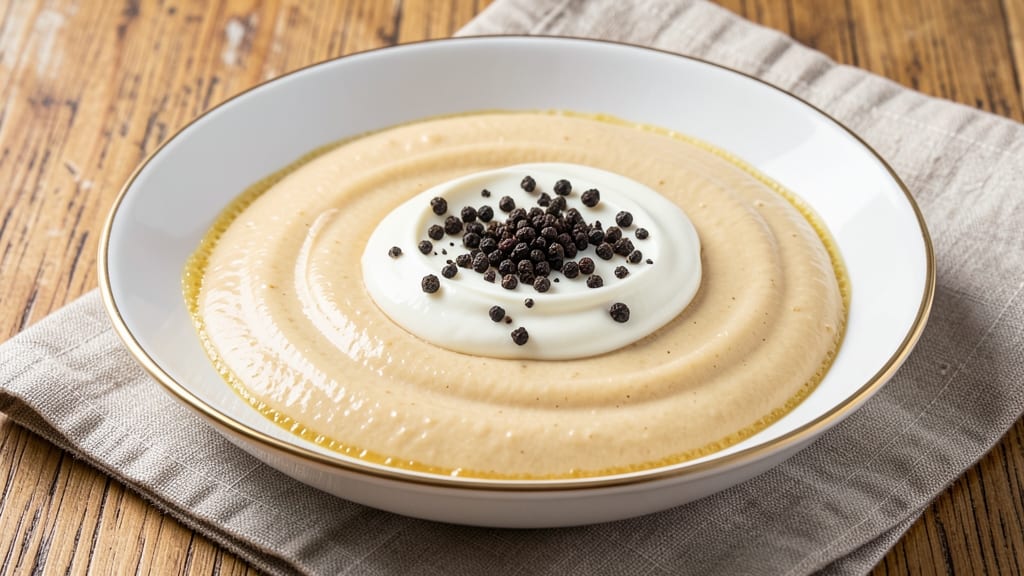
Creating a Knorr white sauce recipe that delivers that signature velvety texture and rich flavor requires just three simple ingredients—flour, butter, and milk—plus a few minutes of careful technique.
This classic white sauce forms the creamy foundation for mac and cheese, pasta dishes, and even casseroles, transforming basic ingredients into something restaurant-worthy. The key lies in proper thickening and timing, which I’ve perfected to ensure a smooth, lump-free result every time.
What sets this white sauce apart is its versatility—it works equally well as a pasta sauce, a creamy dip, or the base for loaded baked potatoes. The process is straightforward: melt butter, whisk in flour to form a roux, then gradually add milk while stirring constantly to prevent lumps.
Seasoning with salt and pepper at the end ensures the sauce remains adaptable for any dish you’re preparing. For extra richness, you can even stir in a splash of cream or a pat of butter at the finish.
The result is a velvety, creamy sauce that coats every bite, adding depth and moisture to your favorite comfort foods. Whether you’re making mac and cheese, creamy soups, or a rich pasta dish, this sauce elevates the meal with minimal effort.
It’s the kind of recipe that becomes a staple in your kitchen once you master it—simple enough for weeknight dinners but impressive enough for guests.
Once you’ve made this white sauce, you’ll find endless ways to use it—toss it with pasta, layer it in casseroles, or serve it as a dip with crusty bread.
The beauty of this recipe is its adaptability, so don’t hesitate to experiment with herbs, cheese, or spices to customize it to your taste. Let’s get started on creating your perfect white sauce base.
Ingredients for knorr white sauce
Three core ingredients, one perfect velvety sauce. No fancy tools needed.
| Ingredient | Amount | Notes |
|---|---|---|
| All-Purpose Flour 🌾 | ¼ cup | Sifted for smooth texture |
| Unsalted Butter 🧈 | ½ cup | Cold, cubed for even melting |
| Whole Milk 🥛 | 2 cups | Room temperature preferred |
| Salt 🧂 | ½ tsp | Kosher or sea salt |
| Freshly Ground Black Pepper 🌶️ | ¼ tsp | Adjust to taste |
| Heavy Cream 🥛 | ¼ cup | Optional for extra richness |
The butter and flour are your dynamic duo here. Use unsalted butter—it lets you control the salt perfectly. I grab the European-style butter from Trader Joe's (the kind with higher fat content) because it melts more smoothly. The flour? King Arthur or Gold Medal brands are my go-tos—they whisk into the sauce without any grit. Pro tip: keep your butter cold when you start—this helps create those tiny, flavorful butter particles that make the sauce taste restaurant-quality. The milk should be whole for creaminess, but 2% works in a pinch.
No heavy cream? Skip it or swap for extra milk—the sauce will still be delicious. Running low on butter? Olive oil or vegetable oil at half the amount works for a lighter version, though it lacks that rich flavor. Want to make it ahead? Stir in a splash of cream or milk powder to prevent separation. The salt and pepper are flexible—start with the listed amounts, then adjust based on what you're pairing it with. For mac and cheese, I usually add a pinch more salt, but for soups, I keep it mild.
This sauce keeps for 3-4 days in the fridge, sealed tightly. To reheat, warm it gently on low heat, stirring constantly—never let it boil or it'll break. For longer storage, freeze portions in ice cube trays. Thaw overnight in the fridge and give it a quick whisk to restore that silky texture. I make double batches all the time—one for immediate use, one to freeze for lazy weeknights.
Why You'll Love This Recipe
- Five-Minute Magic: I swear, this sauce comes together while you’re still debating what to eat for dinner. Just melt butter, toss in flour, then whisk in warm milk—no lumps, no stress, just velvety perfection in one pan.
- Secret Weapon Flavor: That little pinch of black pepper and a splash of salt? It’s the difference between bland and ridiculously good. The butter and milk create this rich, creamy base that clings to everything—pasta, veggies, even toast—like it’s meant to be there.
- Weeknight Wonder: I make this twice a week because it’s my go-to for turning plain chicken or roasted potatoes into something special. No fancy ingredients, no last-minute grocery runs—just open the pantry, measure, and go.
- Budget-Friendly Luxury: Honestly, this sauce costs pennies but tastes like a restaurant dish. A stick of butter, a bag of flour, milk you already drink—it’s the kind of recipe that makes you feel fancy without breaking the bank. Plus, leftovers? They’re even better the next day.
Step-by-step instructions for velvety white sauce
Here's how to make a perfectly smooth, creamy sauce that works for pasta, potatoes, or anything in between.
Melt the Butter and Add Flour
In a medium saucepan, melt the 0.5 cup unsalted butter over medium heat. Once fully melted and foaming subsides, reduce heat to medium-low and sprinkle in the 0.25 cup all-purpose flour all at once. I stir continuously with a wooden spoon for 1-2 minutes until the mixture forms a smooth, pale roux with no floury taste.
This step is crucial—don't rush it. The flour needs to cook off completely to eliminate that raw flour taste. If the roux starts to darken, you've gone too far. The perfect roux should look like wet sandpaper and smell nutty, not burnt. Keep the heat gentle to prevent browning.
Gradually Whisk in the Milk
Slowly pour in the 2 cups whole milk while whisking vigorously to prevent lumps. I add it in a thin, steady stream—about ¼ cup at a time—whisking constantly between each addition. Once all the milk is incorporated, return the heat to medium and continue whisking until the mixture thickens and coats the back of a spoon.
This gradual addition is key to preventing lumps. If you see any, don't panic—just keep whisking vigorously. The sauce should take about 3-4 minutes to thicken to a smooth, velvety consistency. If it thickens too quickly, reduce the heat slightly and let it simmer gently.
Season and Finish with Cream
Once the sauce has thickened, stir in the 0.5 tsp salt and 0.25 tsp freshly ground black pepper. For extra richness, add the 0.25 cup heavy cream now and whisk until fully combined. Let the sauce simmer gently for 2-3 minutes to allow the flavors to meld together.
Here's the thing—this is where the sauce comes together. Taste and adjust the seasoning if needed. The pepper should be just noticeable, not overpowering. If the sauce is too thick, whisk in 1-2 tablespoons of milk to reach your desired consistency. For a glossier finish, simmer uncovered for an extra minute to let any excess moisture evaporate.
Keep Warm and Use Immediately
Remove the sauce from heat and cover the saucepan with a lid to keep it warm. This sauce is best used immediately, but if you need to hold it, keep it at a gentle simmer over the lowest possible heat. Don't let it boil or it will separate.
I know it seems like a lot of steps, but this method guarantees a smooth, lump-free sauce every time. The secret is patience—rushing leads to lumps or graininess. For best results, use this sauce immediately over pasta, potatoes, or whatever you're serving it with. If you need to reheat later, do so gently over low heat while stirring constantly.
Pro Tips For Making Knorr White Sauce
- Whisk Like You Mean It: I learned this the hard way—slow, lazy stirring with a spoon leads to lumps. Use a proper whisk and keep it moving constantly over medium heat. The sauce should smooth out in 2-3 minutes, not 10.
- Cold Butter Wins: Chill your butter first—cut it into small cubes and refrigerate for 15 minutes. This prevents the sauce from separating and gives you that silky texture. (Yes, even if you’re impatient like me.)
- Watch the Milk Temp: Warm your milk slightly—just until it’s steaming, not boiling. Cold milk shocks the butter and makes the sauce grainy. A quick 30-second microwave zap does the trick.
- Salt the Butter First: Toss a pinch of salt into the butter before melting it. This distributes flavor evenly and saves you from over-salting later. (Your future self will notice the difference.)
Wine and beer pairings for this recipe
Crisp White Wine
A dry Riesling from Germany or Alsace is my go-to pairing for this white sauce—its bright acidity and crisp apple or citrus notes cut through the richness beautifully. Look for a Keller or Dr. Loosen Riesling (around $15-$25) for that perfect balance.
The slight sweetness in some Rieslings actually enhances the sauce’s creaminess without overpowering it. 🍷
Chardonnay Options
For a richer pairing, opt for an un-oaked Chardonnay with subtle vanilla notes, like a Meursault or Santa Barbara County Chardonnay. The buttery undertones in these wines mirror the sauce’s texture, creating a harmonious match.
Avoid heavily oaked Chardonnays—they’ll clash with the delicate flavor profile. A $20-$30 bottle works perfectly for this dish.
Light Beer Pairings
A Belgian witbier like Hoegaarden or Stella Artois is surprisingly refreshing with white sauce-based dishes. The coriander and citrus notes in witbiers cleanse your palate between bites of creamy pasta or potatoes. For something heartier, try a pilsner—its crisp, clean finish won’t compete with the sauce’s flavor. 🍺
Seasonal Adaptations
In summer, a sparkling white wine like Prosecco adds a festive touch to lighter versions of this sauce (like those used in seafood dishes). For winter, a warmer, fuller-bodied Viognier (around $25-$40) complements the sauce’s richness in heavier dishes like mac and cheese or creamy soups.
The floral notes in Viognier elevate the dish to restaurant-quality.
Non-Alcoholic Choices
For a non-alcoholic option, try sparkling apple cider—its effervescence and tartness mirror the sauce’s creaminess without alcohol. Alternatively, a cucumber-mint infused water (chilled with ice and a splash of lime) provides a refreshing contrast.
These pairings work especially well for lighter pasta dishes or as a palate cleanser between courses. 💧
Cheese Sauce Twist
If you’re using this white sauce as a base for cheesy dishes (like mac and cheese), pair it with a bold red wine like Cabernet Sauvignon or Syrah. The tannins in these wines stand up to the cheese’s richness, creating a surprisingly balanced match.
For beer lovers, a dark lager or porter adds depth to the creamy, cheesy flavors. 🍷
Nutrition facts
Frequently asked questions
Can I make this white sauce without butter?
Yes! For a dairy-free version, replace the butter with ½ cup neutral oil (like vegetable or canola) and reduce the milk to 1½ cups to maintain consistency. The sauce will have a lighter texture but still work well for pasta or vegetables. For extra richness, stir in ¼ cup coconut milk at the end.
Why did my sauce get lumpy?
Lumps happen when milk is added too quickly or the sauce isn't whisked vigorously enough. To fix it, immediately place the saucepan over low heat and whisk continuously for 2-3 minutes until smooth. For prevention, always whisk constantly while adding milk and keep heat at medium-low. A fine-mesh sieve can also help strain out any stubborn lumps before serving.
How can I make this sauce thicker or thinner?
For a thicker sauce, simmer uncovered for 1-2 extra minutes to evaporate moisture. Need it thinner? Whisk in 1-2 tablespoons of milk or cream at a time until you reach the desired consistency. For instant thickening, mix 1 teaspoon cornstarch with 1 tablespoon cold water, stir into the sauce, and cook for 1 minute until clear.
Can I use powdered milk instead of liquid milk?
Replace the 2 cups liquid milk with ⅓ cup powdered milk plus 1½ cups water. The sauce will still turn out creamy, though slightly lighter. For extra richness, add 1 tablespoon heavy cream at the end. This method works well for meal prep when you're short on fresh milk.
What's the best way to store leftover white sauce?
Store in an airtight container in the fridge for up to 4 days. For longer storage, freeze in ice cube trays or small containers. Thaw overnight in the fridge and reheat gently over low heat, stirring constantly. To prevent separation, whisk in 1 tablespoon milk or cream when reheating. Never microwave—it causes lumps!