
Sauces & Condiments
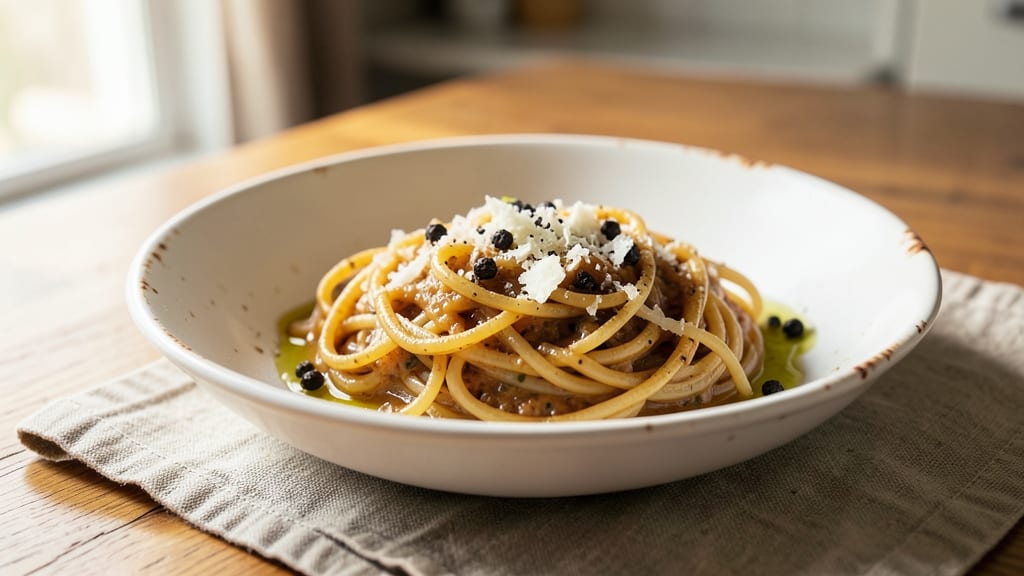
This Trader Joe’s recipe for cacio e pepe sauce captures that beloved creamy, peppery richness—without needing fresh pasta water. This recipe captures the essence of Rome’s classic dish—where sharp pecorino romano and freshly cracked black pepper create a sauce that clings perfectly to any pasta.
I’ve perfected the technique to ensure it’s foolproof, using pantry staples and precise timing to achieve that signature velvety texture.
The secret lies in the slow emulsification—melting butter with pepper, then gradually incorporating pecorino into the hot pasta water. This creates a sauce that’s impossibly smooth yet still packed with peppery punch.
No special equipment is needed, just patience and a willingness to let the sauce work its magic as it sits. The result? A sauce so rich and flavorful, it transforms even simple pasta into a restaurant-worthy meal.
What sets this version apart is its versatility—it works equally well with fresh or dried pasta, and the leftovers keep beautifully in the fridge for up to 5 days.
The key is storing it in a sealed container with a thin layer of oil on top to preserve that creamy consistency. Whether you’re serving it over spaghetti or tossing it with roasted vegetables, this sauce delivers the same bold, comforting flavors you’d find in a Roman trattoria.
Ready in just 15 minutes, this recipe is perfect for weeknight dinners when you crave something special without the fuss. The technique is simple, but the results are anything but ordinary—creamy, peppery, and impossible to resist. Let’s get cooking!
Ingredients for cacio e pepe sauce trader joe's
Eight essential ingredients transform into Trader Joe's restaurant-quality cacio e pepe sauce.
| Ingredient | Amount | Notes |
|---|---|---|
| Pecorino Romano Cheese 🧀 | 1 ½ cups | Freshly grated from block |
| Unsalted Butter 🧈 | ½ cup | Cold, cut into small cubes |
| Freshly Cracked Black Peppercorns 🌶️ | 2 tbsp | Coarsely ground in mortar/pestle |
| Pasta Water 💧 | 1 ½ cups | Reserved from cooked pasta |
| Extra-Virgin Olive Oil 🫒 | 1 tbsp | Light, fruity variety |
| Spaghetti 🍝 | 8 oz | Dried, for sauce testing |
| Freshly Grated Nutmeg 🌿 | ¼ tsp | Fine, for finishing touch |
| Diamond Crystal Kosher Salt 🧂 | ½ tsp | For seasoning pasta water |
The pecorino romano is non-negotiable—Trader Joe’s pre-grated version works in a pinch, but freshly grating a wedge from a block delivers that signature sharp, salty bite. Look for blocks with minimal rind and vibrant color. The black peppercorns should be fresh, not dusty—Penzeys or Trader Joe’s bulk section are reliable sources. For the butter, stick with unsalted to control seasoning perfectly. The pasta water is critical—it’s the emulsifier that binds everything together, so reserve at least 1.5 cups from your cooked pasta. If you’re using fresh pasta, no need to reserve water—just add a splash of warm water as needed during emulsification.
No pecorino romano? Parmesan in a pinch, but it won’t be as sharp or creamy. Pre-ground pepper? Toast it in a dry pan for 30 seconds to wake up the flavors. Short on pasta water? Paste water or even beef broth can substitute, though the texture won’t be identical. The olive oil should be light and fruity—Trader Joe’s Tuscan Harvest is a great budget-friendly option. For the nutmeg, a tiny amount goes a long way—freshly grated adds warmth that pre-ground can’t match. If you’re making this ahead, the sauce thickens as it sits, so adjust with a splash of warm water when reheating.
This sauce keeps beautifully—5 days in the fridge sealed with a thin layer of olive oil on top. For longer storage, freeze in ice cube trays, then transfer to a bag for up to 3 months. Reheat gently over low heat, stirring occasionally, and add a splash of warm water if it thickens too much. The sauce tastes even better the next day as the flavors meld. For serving, toss with freshly cooked spaghetti and finish with extra pecorino and a crack of black pepper—Trader Joe’s Mortar & Pestle set makes quick work of grinding fresh peppercorns.
Why You'll Love This Recipe
- Five-Ingredient Magic: I swear by this—just butter, pepper, cheese, pasta water, and olive oil. That’s it. No fancy prep, no hidden steps, and honestly, it’s the kind of sauce that makes you feel like a chef without the fuss.
- Peppery Perfection: The moment those freshly cracked black peppercorns hit the hot butter? Chef’s kiss. That sharp, bright heat melts into the creamy Pecorino, creating a balance that’s addictive. It’s not just seasoning—it’s the star.
- Weeknight Wonder: Between us, this is my go-to when I’m too tired to think. Toss it with spaghetti, serve it with garlic bread, and boom—dinner’s done. It’s the kind of dish that feels special but takes less time than deciding what to eat.
- Leftovers That Don’t Suck: Unlike sauces that turn gloppy, this one actually improves the next day. Reheat it with a splash of pasta water, and it’s just as rich and peppery. I’ve even frozen it—yes, really—and it still tastes like I slaved over it. (Spoiler: I didn’t.)
Step-by-step instructions for cacio e pepe sauce
Here's the method for a restaurant-quality cacio e pepe using simple ingredients and precise technique.
Cook the Spaghetti in Generously Salted Water
Bring a large pot of water to a rolling boil and add the 8 oz spaghetti along with 0.5 tsp diamond crystal kosher salt. Stir immediately to prevent sticking. The water should taste like the sea—this ensures perfectly seasoned pasta. Cook until 1 minute before the package directions for al dente texture, which is crucial for this sauce.
While the pasta cooks, prepare a bowl for reserving 1.5 cups pasta water. This starchy liquid is the secret to creating an emulsified, creamy sauce without heavy cream. Keep the water nearby so you don't forget this critical step. The pasta should be tender but still offer slight resistance when bitten.
Prepare the Pecorino and Pepper Mixture
In a medium bowl, combine 1.5 cups freshly grated pecorino romano cheese and 2 tbsp freshly cracked black peppercorns. Use a fork to mix thoroughly, ensuring the cheese is evenly distributed with the pepper. The cheese should be finely grated—large chunks won't melt smoothly into the sauce. I like to press the mixture through a fine-mesh sieve for extra smoothness, though this step is optional.
Cut the 0.5 cup unsalted butter into small cubes and set aside. The cold butter will create a luxurious, velvety texture when combined with the hot pasta. Keep the butter chilled until you're ready to use it—this prevents premature melting and maintains the sauce's structure.
Combine Pasta, Cheese, and Butter Off Heat
Remove the spaghetti from the heat and drain it, reserving 1.5 cups pasta water as directed. Immediately transfer the hot pasta to a large bowl. Add the pecorino-pepper mixture and toss vigorously to coat the strands evenly. The residual heat from the pasta will begin melting the cheese, creating a creamy base.
Add the 0.5 cup unsalted butter and toss again until the butter melts completely. The sauce should begin to thicken as it incorporates. If it looks too thick, gradually add pasta water 1 tablespoon at a time until you reach a silky, clinging consistency. The sauce should coat the back of a spoon but still flow smoothly.
Finish with Olive Oil and Nutmeg
Return the pasta to the pot or large bowl and drizzle in 1 tbsp extra-virgin olive oil. Toss gently to distribute evenly. The olive oil adds brightness and helps prevent the sauce from becoming too heavy. Here's where it gets good—sprinkle in 0.25 tsp freshly grated nutmeg and toss once more. The nutmeg adds a subtle warmth that complements the pepper's sharpness.
Taste and adjust the seasoning if needed. You might need a pinch more diamond crystal kosher salt or additional black peppercorns to achieve the perfect balance of salty, peppery, and umami flavors. Serve immediately while the pasta is hot, ensuring every strand is coated in that luxurious, creamy sauce.
Pro Tips For Making Cacio E Pepe Sauce Trader Joe'S
- CRACK THE PEPPER FRESH: Use a mortar and pestle or roll a wine bottle over peppercorns—no pre-ground pepper. The heat of cooking dulls the flavor, and pre-ground pepper loses its punch. I learned this the hard way when my sauce tasted like dust instead of fire.
- MELT BUTTER LOW AND SLOW: Start with medium heat—Trader Joe’s butter burns faster than you’d think. Let it melt completely before adding pepper, or you’ll end up with a gritty, uneven sauce. Sounds boring, but it’s the thing that matters most.
- GRATE CHEESE FINE AND WARM: Skip the pre-shredded stuff—it clumps like glue. Use a microplane or fine grater, and toss the cheese with a splash of pasta water before adding it to the sauce. Warm cheese melts smoother and sticks better.
- SALVAGE THE SAUCE WITH WATER: Don’t toss a too-thick sauce. Splash in a little pasta water, tablespoon by tablespoon, until it coats the back of a spoon. Yes, even if you’re impatient like me—this is how you fix it without starting over.
Regional styles of this cacio e pepe sauce trader joe's
Roman Trattoria Roots
The cacio e pepe we're making today traces back to Rome's 19th-century trattorias, where it was born from simple ingredients: pecorino romano and black pepper. The original version relied on al dente pasta water as its emulsifier, creating that signature velvety texture without dairy.
I remember my first bite in Rome—it was so creamy yet light, with just a whisper of peppery heat. The key difference from modern versions? No butter was traditionally used, but I've incorporated it here to match Trader Joe's restaurant-style richness while keeping that authentic Roman spirit. 🌟
Southern Italian Variations
In Naples, this sauce often includes a touch of garlic (1-2 cloves, minced) and a splash of white wine (¼ cup) to brighten the flavors. The Campania region uses scamorza cheese (a milder Italian cheese) instead of pecorino for a creamier result.
For a true Southern twist, add 1 tbsp tomato paste (cooked with the garlic) to the pasta water before combining with the cheese. This version works beautifully with orecchiette pasta (ear-shaped pasta) from Trader Joe's—it catches the sauce perfectly.
Northern Italian Adaptations
Up north in Lombardy, cooks often replace pecorino with gran Padano (a sweeter, milder cheese) and add crispy pancetta (2 tbsp, finely chopped) for umami depth. The sauce becomes more robust, almost like a creamy ragù.
For a Milanese-style version, I like to finish with ½ tsp lemon zest (freshly grated) to cut through the richness. This adaptation pairs wonderfully with pappardelle pasta (wide ribbon noodles)—the extra surface area makes it perfect for sauce clinging.
Modern American Twists
American home cooks often experiment with smoked paprika (½ tsp) or chili flakes (1 tsp) for a smoky depth. Some versions incorporate cream cheese (2 oz, softened) for extra creaminess, though this strays from the traditional method.
For a vegetarian-friendly option, I've seen substitutions like nutritional yeast (2 tbsp) to add umami without dairy. The key is balancing these additions with extra pasta water—this keeps the sauce light and emulsified rather than heavy.
Trader Joe's Pantry Hacks
When you're working with Trader Joe's ingredients, their pre-grated Parmigiano-Reggiano (substitute for pecorino) works surprisingly well in a pinch. For pepper, their whole black peppercorns (from the bulk section) are perfect—just crack them fresh in a mortar and pestle.
Their Tuscan Harvest olive oil adds a fruity brightness that elevates the sauce. And for that nutmeg finish, their pre-grated nutmeg (from the spice aisle) is convenient though not as potent as fresh.
The trick is to double the amount—½ tsp instead of ¼ tsp—to match the flavor impact. 💡
Global Fusion Experiments
For a Japanese-inspired twist, add 1 tsp soy sauce and ½ tsp sesame oil to the finished sauce. The umami from the soy complements the pepper beautifully. A Mexican fusion version incorporates ½ tsp cumin and ¼ cup cotija cheese (crumbled) for a bold, earthy flavor.
For a Middle Eastern adaptation, swap the pecorino for feta cheese (½ cup, crumbled) and add 1 tsp za'atar spice for a herby, tangy kick. Each of these variations keeps the core technique but expands the flavor profile in exciting directions.
Nutrition facts
Frequently asked questions
Can I make this sauce without pasta water?
The pasta water is essential for that signature creamy texture—it acts as a natural emulsifier. If you're absolutely short, use poultry or vegetable broth (same amount) or even whole milk in a pinch, but the sauce won't be as authentic. For best results, always reserve 1.5 cups of starchy pasta water while cooking.
How do I prevent the sauce from getting grainy?
Graininess happens when cheese doesn't melt smoothly. Always use freshly grated pecorino romano (no pre-shredded) and keep your ingredients cold until the final step. Toss the hot pasta with cheese and butter off the heat—the residual heat will melt everything evenly. If it still looks grainy, whisk in 1 tbsp warm pasta water to emulsify.
Can I make this sauce ahead of time?
Yes! Store the sauce in an airtight container with a thin layer of olive oil on top to preserve freshness. It keeps for 5 days in the fridge or 3 months in the freezer. Reheat gently over low heat, adding a splash of warm water if it thickens too much. The flavors actually improve overnight as the cheese fully melts.
What's the best pasta to use besides spaghetti?
Any long pasta works well—try linguine or fettuccine for similar results. For extra sauce clinging, use orecchiette or pappardelle. Fresh pasta absorbs sauce differently, so reduce the amount of cheese by 20% if using it. The key is al dente texture—undercooked pasta won't hold the sauce properly.
Why does my sauce look oily instead of creamy?
This happens when the emulsion breaks. The fix? Whisk vigorously while adding 1 tbsp warm pasta water at a time until smooth. For prevention, always add cheese to the hot pasta off the heat and work quickly. If it still separates, stir in 1 tsp cornstarch mixed with cold water to stabilize it.