
Sauces & Condiments
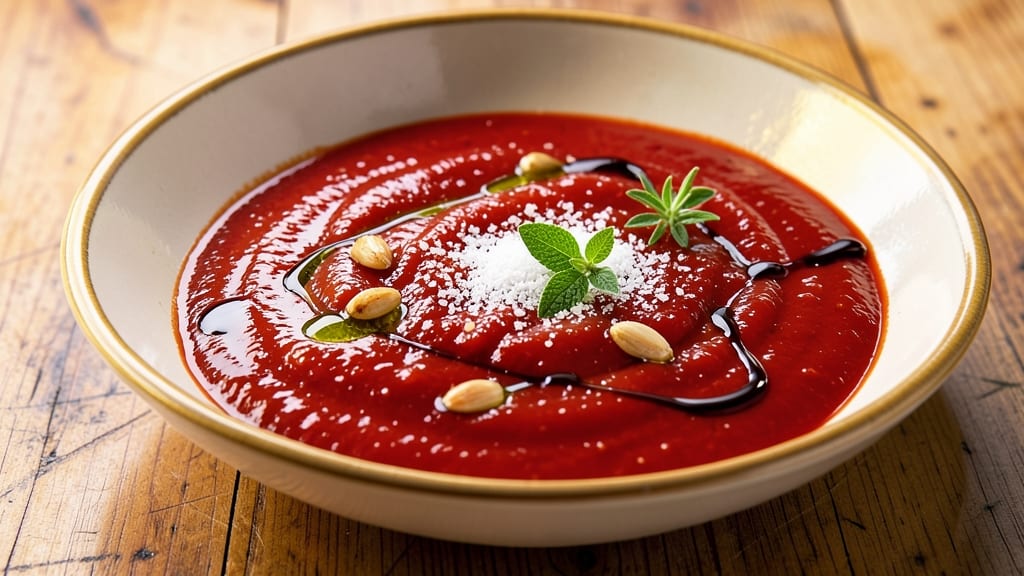
Jamie Oliver’s marinara sauce transforms simple ingredients into a velvety, umami-rich sauce that elevates every pasta dish. The secret lies in balancing acidity, sweetness, and depth—just like Jamie’s signature approach.
This recipe builds flavor through slow simmering, allowing tomatoes and garlic to develop complex notes without overpowering the fresh basil finish.
What sets this marinara apart is its simmered richness, achieved by reducing canned tomatoes with olive oil, garlic, and a touch of sugar until thick and glossy. No heavy cream or processed additives—just fresh herbs and a pinch of salt to highlight the natural sweetness of the tomatoes.
The sauce thickens naturally as it cooks, creating that perfect cling to pasta without being gluey.
By the end, you’ll have a restaurant-quality marinara—bright, aromatic, and packed with layers of flavor. The fresh basil added at the finish keeps it vibrant and fresh, while the slow simmer ensures a deep, caramelized depth.
This is the kind of sauce that turns a simple weeknight dinner into something special, with minimal effort and maximum impact.
Use it immediately over spaghetti or save for later—it reheats beautifully and tastes even better the next day. For extra depth, stir in a splash of red wine during cooking, or add a pinch of smoked paprika for a subtle smokiness. Let’s get cooking!
Ingredients for jamie oliver marinara sauce
Nine simple ingredients transform into Jamie Oliver's velvety, umami-rich marinara sauce perfect for any pasta dish.
| Ingredient | Amount | Notes |
|---|---|---|
| San Marzano Tomato Cans 🍅 | 2 cans | Whole, not crushed, for best texture |
| Extra-Virgin Olive Oil 🫒 | ½ cup | High-quality, fruity variety preferred |
| Garlic Cloves 🧄 | 4 cloves | Freshly minced for maximum aroma |
| White Sugar 🍚 | 1 tbsp | Balances acidity, don't skip |
| Red Wine Vinegar 🍷 | 1 tbsp | Adds bright acidity, sub lemon juice |
| Dried Oregano 🌿 | 1 tsp | Mediterranean variety preferred |
| Sea Salt 🧂 | 1 ½ tsp | Kosher or fine sea salt |
| Fresh Basil Leaves 🌿 | ½ cup | Packed, stems removed for garnish |
| Smoked Paprika 🌶️ | ½ tsp | Optional for subtle smokiness |
| Red Wine 🍷 | ¼ cup | Dry variety, optional depth booster |
San Marzano tomatoes are the foundation—their natural sweetness and low acidity create the perfect base. Grab the 28-ounce cans from Whole Foods or Trader Joe's for the best quality; avoid the watery, crushed varieties. The extra-virgin olive oil should be fruity and peppery—California Early Harvest or Colavita are reliable choices. Fresh garlic cloves make all the difference here; roast them briefly before mincing for even deeper flavor. The sugar and vinegar balance the tomatoes' natural acidity, so don't skip these—think of them as flavor enhancers, not sweeteners. For the oregano, Mediterranean or Italian varieties work best, and if you can find it, Penzeys carries a superior quality.
No San Marzano tomatoes? Crushed tomatoes in a heavy-duty can work in a pinch, but you'll need to strain out the skins for a smoother texture. Substitute the red wine vinegar with lemon juice or balsamic vinegar, though the flavor profile will shift slightly. Fresh basil is ideal, but dried basil at one-third the amount will work if you're in a hurry—just add it at the end. The red wine is truly optional, but if you're using it, Cabernet Sauvignon or Merlot work best; avoid sweet wines. For extra depth without alcohol, tomato paste at half the amount adds richness. If you're making this ahead, freeze the sauce in ice cube trays for perfect portions later.
This sauce develops better with time—let it sit at least 30 minutes before serving to allow flavors to meld. Store in an airtight container in the fridge for up to 5 days, though it's best used within 3 days for peak freshness. For longer storage, freeze for up to 3 months. The basil should be added just before serving to preserve its vibrant color and fresh aroma. If you're prepping ahead, store the basil separately and stir it in right before use. The sauce reheats beautifully—simply warm it on the stove over medium-low heat, stirring occasionally, until heated through.
Why You'll Love This Recipe
- No-Fuss Pantry Magic: I swear, you can make this while scrolling through your phone. Just toss in the San Marzano tomatoes (no chopping, no peeling), a splash of red wine vinegar for that little kick, and let the garlic and olive oil do their thing. It’s the kind of sauce that makes you feel like you’ve earned your dinner—without actually having to do much.
- Sweet-Savory Balance: That pinch of sugar? Genius. It cuts through the acidity of the vinegar and makes the garlic sing without overpowering. The result is rich but bright, smooth but with just enough texture to cling to pasta like it’s been waiting its whole life for that first bite. Honestly, I’ve tried store-bought marinara—this is the only one I’ll keep in my fridge.
- Weeknight to Weekend: Between us, this sauce is my lazy Sunday lunch and my 7 p.m. pasta rescue. Dump it on spaghetti, swirl it into eggs for bruschetta, or even drizzle it over grilled chicken. It’s the one pantry staple that turns “what’s for dinner?” into “oh, it’s that night” every time. My roommates now just grab the jar and go—no questions asked.
- Budget Stretch: A single can of San Marzanos and a vial of vinegar stretch into weeks of meals. Freeze what you don’t use, and suddenly you’ve got a backup for takeout nights or last-minute guest dinners. I’ll be real: I’ve had this sauce sit in my fridge for a month, and it’s still better than most jarred stuff. That’s not nothing.
Step-by-step instructions for Jamie Oliver's marinara sauce
Here's how to craft a vibrant, balanced marinara with deep umami and fresh basil notes.
Sauté Garlic in Olive Oil Until Fragrant
Heat the 0.5 cup extra-virgin olive oil in a medium saucepan over medium heat. Add the 4 cloves minced garlic and cook for 2-3 minutes until the garlic becomes golden and releases its signature aroma. This step develops the sauce's foundation—don't let the garlic brown or it will turn bitter. Stir occasionally to ensure even cooking.
Here's the thing—garlic burns quickly. Watch it closely and remove the pan from heat immediately if it starts to darken. You want the garlic to perfume the oil without coloring it. Once fragrant, proceed immediately to the next step to preserve that fresh garlic flavor.
Add Tomatoes, Vinegar, and Seasonings
Pour in the contents of the 2 cans San Marzano tomato cans, crushing them lightly with your hands as you add them. Stir in the 1 tbsp red wine vinegar, 1 tbsp white sugar, 1 tsp dried oregano, and 1.5 tsp sea salt. The vinegar brightens the tomatoes while the sugar balances their natural acidity. Bring the mixture to a gentle simmer over medium-low heat, stirring occasionally to prevent sticking.
This is where the sauce begins to transform. The tomatoes will release their juices and the vinegar will mellow slightly as it cooks. Let it simmer uncovered for 10 minutes, allowing excess moisture to evaporate. You'll notice the sauce thicken slightly and develop a glossy sheen—this indicates the acidity is integrating properly.
Simmer for Deep Flavor Development
After the initial simmer, reduce the heat to low and continue cooking uncovered for 20-25 minutes. Stir occasionally to prevent any bits from sticking to the bottom. The sauce should reduce to a thick, syrupy consistency with a rich tomato flavor. If it thickens too much before the time is up, add 1-2 tablespoons of water to maintain balance.
This low-and-slow cooking phase is critical. It allows the flavors to meld and develop complexity. You'll see the sauce darken slightly and the aroma deepen—this is the umami building. Taste occasionally and adjust seasoning if needed, adding more sea salt or white sugar as necessary. The sauce should be well-seasoned but not overpowering.
Finish with Wine and Fresh Basil
Stir in the 0.25 cup red wine and the 0.5 tsp smoked paprika. Let the sauce simmer for an additional 5 minutes to allow the wine to cook off and its alcohol to evaporate. This adds a subtle depth that elevates the sauce from basic to sophisticated. Remove the pan from heat and stir in the 0.5 cup fresh basil leaves, tearing them by hand rather than chopping to preserve their texture.
The basil should wilt slightly but remain vibrant. Let the sauce sit off the heat for 5 minutes to allow the flavors to fully integrate. The basil will release its aromatic oils, giving the sauce its signature freshness. Taste one final time and adjust seasoning if needed—this sauce should be bright, balanced, and full of layered flavors.
Serve Immediately or Store Properly
Serve the marinara warm over pasta, drizzled with additional extra-virgin olive oil and topped with extra fresh basil leaves. For best results, use immediately while the basil is still vibrant. If storing, let the sauce cool to room temperature, then transfer to an airtight container. It will keep in the refrigerator for up to 5 days or in the freezer for up to 3 months. Reheat gently over low heat, stirring occasionally to prevent scorching.
This sauce pairs beautifully with al dente spaghetti, grilled meats, or as a dip for crusty bread. The balance of acidity, sweetness, and umami makes it versatile enough for any Italian-inspired dish. Enjoy the rich, fresh flavors you've created—it's worth every minute of simmering.
Pro Tips For Making Jamie Oliver Marinara Sauce
- Crush the Garlic: Use a garlic press instead of mincing—it releases more flavor and avoids burning. I learned this the hard way after charring garlic in my first batch and ending up with bitter, smoky sauce.
- Sweat the Garlic Low: Cook the garlic in olive oil over low heat until just fragrant—not golden. High heat turns garlic bitter, and this sauce is all about bright, clean acidity from the vinegar and tomatoes.
- Strain the Tomatoes: After crushing the San Marzano tomatoes, strain out the seeds and skins for a silky texture. Skimping here leaves a gritty sauce, and you’ll regret it when you’re spooning it over pasta.
- Simmer Slow and Long: Let the sauce bubble gently for at least 20 minutes—no rushing. The sugar and vinegar need time to meld, and reducing it slowly concentrates the flavor without burning the bottom.
Perfect pairings for this recipe
Pasta Perfection
This marinara sauce is designed to cling beautifully to pasta, so choose al dente varieties like spaghetti or linguine. I recommend cooking 8 oz pasta per serving in well-salted boiling water until just al dente—about 1 minute less than package instructions.
Reserve ½ cup pasta water before draining, then toss the pasta with sauce and a splash of water to create a silky emulsion. For extra richness, finish with a drizzle of extra-virgin olive oil and a sprinkle of grated Parmesan. 🍝
Protein Pairings
Marinara sauce elevates simple proteins with its bright acidity and umami depth.
Try it with grilled chicken breast (marinate in olive oil, garlic, and lemon for 30 minutes before grilling), pan-seared shrimp (sauté in olive oil with chili flakes for 2 minutes per side), or crispy pork tenderloin (roast at 400°F for 20 minutes).
The sauce's balance cuts through richness while complementing the natural flavors of the meat. For a heartier option, stir in ½ cup cooked Italian sausage during the final 5 minutes of simmering. 🍗
Bread & Appetizers
Use this marinara as a dipping sauce for garlic bread or focaccia, or serve it as an appetizer with crusty bread and marinated olives. For a gourmet twist, spread it on toasted baguette slices topped with mozzarella pearls and broil for 2-3 minutes until bubbly.
The sauce also works as a marinade for eggplant or zucchini slices—brush on generously and grill for 8-10 minutes until tender. 🥖
Vegetable Enhancements
Marinara sauce transforms roasted or sautéed vegetables into a flavorful side dish. Toss it with roasted bell peppers and onions (roast at 400°F for 25 minutes until caramelized), sautéed mushrooms (cook in olive oil with thyme for 8 minutes), or grilled asparagus (char for 5 minutes on high heat).
The acidity in the sauce brightens the natural sweetness of the vegetables, while the herbs add aromatic depth. For a complete meal, serve over polenta or mashed potatoes as a hearty sauce. 🥦
Global Fusion Twists
Get creative with international pairings! Use the marinara as a base for Mexican-style tacos—top corn tortillas with the sauce, black beans, and avocado.
For an Asian-inspired dish, stir in 1 tsp soy sauce and ½ tsp ginger during the final 5 minutes of cooking, then serve over rice noodles with grilled chicken.
The sauce also works as a pizza sauce—spread on pre-baked crusts topped with mozzarella and cherry tomatoes, then bake at 475°F for 10-12 minutes. 🌍
Cheese & Dairy Pairings
Elevate the sauce with creamy or aged cheeses for a restaurant-worthy finish. Stir in ¼ cup heavy cream or mascarpone during the final 2 minutes of cooking for a silky texture. For a tangy twist, fold in 2 oz ricotta cheese and 1 tbsp lemon zest after removing from heat.
The sauce also pairs beautifully with burrata—serve it warm over arugula with a drizzle of balsamic glaze. For a smoky option, top with crumbled feta and kalamata olives before serving. 🧀
Nutrition facts
Frequently asked questions
Can I make this marinara sauce without red wine?
The red wine adds depth, but it's optional! For a wine-free version, simply omit it and increase the red wine vinegar to 2 tablespoons to maintain brightness. The sauce will still develop rich flavors through the slow simmering process. If you want extra umami without alcohol, stir in 1 teaspoon tomato paste during the final 5 minutes of cooking.
Why does Jamie Oliver's sauce get thicker as it cooks?
The sauce thickens naturally because the tomatoes release moisture while the liquid reduces over low heat. The 20-25 minute simmer allows excess water to evaporate, concentrating the flavors. Avoid stirring too frequently—this helps prevent a skin from forming, which can interfere with proper thickening. The result is a velvety consistency that clings beautifully to pasta.
How can I fix marinara that's too acidic?
If your sauce tastes overly tart, balance it by adding a pinch of white sugar or a splash of broth (vegetable or chicken) to dilute the acidity. Stir in ½ teaspoon more sugar or 1 tablespoon broth and simmer for 2-3 minutes to let the flavors meld. For a richer fix, stir in 1 teaspoon tomato paste to add depth. Taste as you go—this sauce should be bright, not sour!
Can I use this sauce for other dishes besides pasta?
This versatile marinara works as a dipping sauce for garlic bread, a topping for grilled chicken or fish, or even a pizza sauce base. For a heartier option, stir in ½ cup cooked ground meat or chopped mushrooms during the final 5 minutes of simmering. The balanced flavors make it perfect for tacos, stuffed peppers, or as a marinade for vegetables.