
Sauces & Condiments
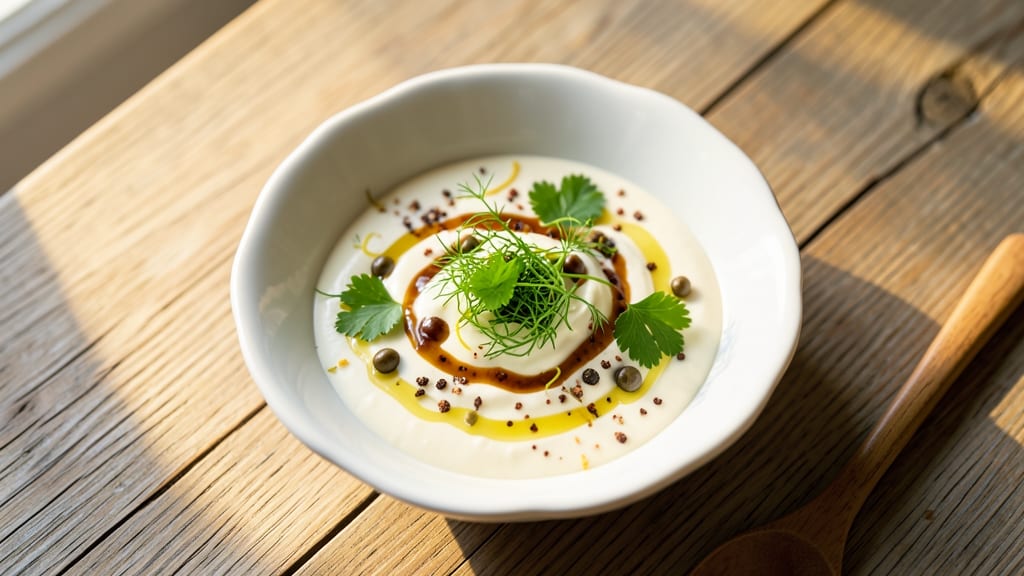
Ina Garten's tartar sauce recipe brings that signature bright, herby flavor to every bite—crisp, tangy, and perfectly balanced. The secret lies in fresh dill, zesty lemon, and just the right amount of capers for that classic briny kick. I've made this sauce countless times for seafood nights, and it never fails to elevate simple dishes into something special.
This classic version uses mayonnaise as the base, creating that signature creamy texture while keeping the sauce light enough to drizzle. The key is balancing the flavors: bright lemon juice cuts through the richness, fresh parsley adds freshness, and a touch of Dijon mustard deepens the complexity.
It's a sauce that works as well on fish as it does with chips or sandwiches.
What makes this tartar sauce truly special is its versatility—it stays fresh in the refrigerator for up to a week, making it perfect for meal prep. The texture remains smooth and creamy, never grainy, and the flavors only develop more over time.
Whether you're serving it with fried shrimp or as a dip for crudités, this sauce delivers that restaurant-quality brightness.
For dietary adaptations, simply swap in vegan mayonnaise for a plant-based version that maintains the same creamy texture. The method remains identical, ensuring the same classic tartar sauce experience without compromising on flavor.
Ingredients for ina garten tartar sauce
These nine ingredients create Ina Garten's signature creamy, herby tartar sauce that's perfect with seafood or veggies.
| Ingredient | Amount | Notes |
|---|---|---|
| Mayonnaise 🥫 | 1 cup | High-quality, smooth texture preferred |
| Fresh Dill Weeds 🌿 | ⅓ cup | Finely chopped, stems removed |
| Fresh Parsley Leaves 🌿 | ¼ cup | Finely chopped, flat-leaf preferred |
| Capers 🫒 | 2 tbsp | Chopped, not drained |
| Lemon Juice 🍋 | 1 tbsp | Freshly squeezed, no pulp |
| Dijon Mustard 🌶️ | 1 tsp | Mild or medium strength |
| Salt 🧂 | ½ tsp | Diamond Crystal kosher salt |
| Black Pepper 🌶️ | ¼ tsp | Freshly ground preferred |
| Extra-Virgin Olive Oil 🫒 | 1 tsp | For finishing, fruity variety |
The mayonnaise is the base, so pick a high-quality brand—Hellmann's or Duke's are reliable choices. Fresh dill and parsley are non-negotiable for that signature brightness; grab them from the produce section and chop them just before mixing. Capers add the classic briny kick, so look for the non-paste variety in jars at the grocery store. The lemon juice should be freshly squeezed—bottled juice lacks that bright zing. For Dijon mustard, Maille or Amoy are excellent choices, but any good-quality brand works. The olive oil at the end adds a final touch of richness.
No fresh dill? Dried dill at half the amount works in a pinch, but the flavor won't be as vibrant. Short on capers? Pickle juice or a pinch of salt mimics the briny note. Want to make this vegan? Swap the mayonnaise for vegan mayo like Hellmann's Vegan. The sauce can be made ahead—flavors meld beautifully over time, so it's perfect for meal prep. If the sauce seems too thick, a splash of water or lemon juice thins it out perfectly.
This tartar sauce keeps beautifully in the fridge for up to 7 days if stored in an airtight container. The texture stays smooth and creamy, never grainy. For longer storage, freeze in ice cube trays—thaw overnight in the fridge. The sauce pairs perfectly with fried shrimp, fish tacos, or as a dip for crudités. For extra brightness, add a pinch of lemon zest just before serving.
Why You'll Love This Recipe
- I’ll be real: I always make extra. The sauce keeps for days in the fridge, and it doesn’t lose its zip. Perfect for meal prep—just grab a spoonful when you need a flavor boost. No sad, wilted leftovers here.
- Five-Ingredient Magic: I swear by this—just mayo, fresh dill, parsley, capers, and lemon juice. That’s it. No weird substitutions, no hunting for obscure spices. The bright tang of lemon and briny capers cuts through the richness of the mayo like a breeze.
- Bright & Tangy: Honestly, the flavor is what makes this sauce a staple. The fresh dill and parsley give it that bright, herby punch, while the capers add a salty crunch. It’s not sweet or heavy—just perfectly balanced, like a good conversation starter at a dinner party.
- Weeknight Hero: Between us, this is my go-to for quick meals. Slather it on fish tacos, dip fries in it, or toss it with pasta—it’s that versatile. No fancy plating, no stress. Just good food, fast.
Step-by-step instructions for Ina Garten's tartar sauce
This classic tartar sauce delivers perfect balance—bright, herby, and never overpowering.
Combine the Base Ingredients
In a medium mixing bowl, add the 1 cup mayonnaise, 0.33 cup finely chopped fresh dill weeds, and 0.25 cup finely chopped fresh parsley leaves. Use a silicone spatula to gently fold these ingredients together until fully incorporated. The dill and parsley should be evenly distributed throughout the mayonnaise, creating a vibrant green hue.
I like to use a spatula rather than a whisk at this stage to avoid incorporating too much air, which could make the sauce light and fluffy rather than smooth and creamy. The herbs should be finely chopped—you can pulse them in a food processor for consistency if needed. This foundational step ensures the sauce has that classic bright flavor Ina Garten is known for.
Add the Briny and Tangy Elements
Next, stir in the 2 tablespoons chopped capers (undrained), 1 tablespoon freshly squeezed lemon juice, and 1 teaspoon Dijon mustard. Mix thoroughly until the capers are evenly distributed and the sauce takes on a slightly briny, tangy character. The capers should be finely chopped to prevent any large pieces from making the sauce grainy.
Here's the thing—don't skip the lemon juice. It's what brightens the entire sauce and cuts through the richness of the mayonnaise. The Dijon mustard adds subtle depth, while the capers bring that essential salty, umami punch. Taste as you go; the sauce should be balanced but still have room for seasoning adjustments.
Season and Finish with Olive Oil
Add the 0.5 teaspoon salt and 0.25 teaspoon freshly ground black pepper, mixing well to combine. The salt should be Diamond Crystal kosher salt for the most accurate measurement. Taste the sauce again and adjust the seasoning if needed—this is where you ensure the flavors are perfectly harmonized.
Finally, drizzle in the 1 teaspoon extra-virgin olive oil and give the sauce one last gentle stir. This finishing touch adds a touch of fruity richness and helps bind everything together. The olive oil should be fruity and high-quality—it makes a noticeable difference in the final product. Cover the bowl and let the sauce rest in the refrigerator for at least 30 minutes before serving to allow the flavors to meld.
Rest and Serve
After the 30-minute rest, give the sauce one final taste and adjust the seasoning if necessary. The flavors will have deepened and come together beautifully. This resting period is crucial—it allows the capers to soften slightly and the lemon to brighten the mayonnaise without overpowering it.
Serve the tartar sauce immediately with fish and chips, shrimp cocktails, or as a dip for veggies. The sauce should be smooth, bright, and perfectly balanced—herby, tangy, and briny all at once. If it's too thick, thin it with a splash of water or lemon juice; if it's too thin, let it sit uncovered for 10 minutes to thicken slightly. Enjoy!
Pro Tips For Making Ina Garten Tartar Sauce
- CHOP HERBS FINE: Fresh dill and parsley lose their punch if left in big chunks—give them a quick pulse in the food processor or a sharp knife chop (a microplane works too). I used to eyeball it, but now I measure: 2 tablespoons each, finely chopped, so every bite gets that bright, herby hit without overwhelming the mayo.
- DRAIN CAPERS WELL: Capers come packed in brine, and leftover liquid turns your sauce watery. Rinse them first, then spread them on a paper towel to dry for 5 minutes—this keeps the sauce thick and lets the briny flavor shine. I learned this the hard way when my first batch turned into a sad, soupy mess.
- WHISK IN LEMON JUICE: Add the lemon juice last, then give the sauce a quick whisk or fold. This brightens the flavors without curdling the mayo—just don’t rush it. I was skeptical until I tried it: the acid cuts through the richness, making the dill and capers pop instead of blending into a dull paste.
- USE COLD MAYO: Pull your mayo from the fridge and let it sit out for 10 minutes before mixing—it blends smoother and won’t separate. Cold mayo also keeps the sauce from getting too warm, which can turn it grainy. (Yes, even if you’re impatient like me.)
Storing and reheating this recipe
Fridge Storage Tips
Store your tartar sauce in an airtight container with a lid—glass jars or plastic containers both work well. The sauce keeps beautifully in the refrigerator for up to 7 days, with flavors actually deepening over time. I like using glass containers because they show off the vibrant green color and prevent any plastic odors from seeping in. Just
Before storing, give the sauce a quick stir to redistribute any settled ingredients. If you're making this for a meal prep session, divide it into smaller portions—this way, you only thaw or use what you need. The sauce should maintain its creamy texture without separating if stored properly. If you notice any separation after refrigeration, just give it a gentle whisk before serving.
Freezing for Later
For longer storage, freeze the tartar sauce in ice cube trays or small airtight containers. Portion it into 1-tablespoon servings for easy thawing later. The sauce can be frozen for up to 3 months without losing its quality, though the texture may become slightly grainier after thawing.
To prevent freezer burn, press plastic wrap directly on the surface before sealing the container. 🧊
When ready to use, transfer the frozen sauce to the refrigerator and let it thaw overnight. Gently stir or whisk to restore the creamy texture. If the sauce seems too thick after thawing, add a splash of lemon juice or water to loosen it up.
Avoid microwaving—this can make the mayonnaise separate or turn grainy. Instead, let it thaw gradually in the fridge for the best results.
Reheating and Texture Fixes
If your tartar sauce has thickened after refrigeration, thin it with 1 teaspoon of lemon juice or water at a time until you reach the desired consistency. The sauce should be smooth enough to drizzle but still cling to foods like fried fish or chips.
For extra brightness after reheating, add a pinch of lemon zest or a few extra drops of fresh lemon juice. 🍋
If the sauce separates after reheating, don’t panic—just whisk vigorously until fully combined. The mayonnaise base is forgiving, and a little extra effort ensures a creamy finish. For best results, always reheat gently over low heat or at room temperature, never boiling.
This keeps the herbs vibrant and the flavors balanced. The key is patience—let the sauce sit for 5-10 minutes after adding any liquid to thicken naturally.
Serving Freshly Made
For the absolute best flavor, serve your tartar sauce freshly made or within 24 hours of preparation. The herbs stay brightest, and the lemon juice retains its zing. I love serving it immediately with crispy fried shrimp or as a dip for carrot and cucumber sticks.
The sauce’s bright, herby profile pairs perfectly with the richness of fried foods, cutting through the oil and adding a refreshing contrast. 🍤
If you’re serving it at room temperature, let it sit for 10-15 minutes before drizzling—this allows the flavors to meld even more. For a restaurant-style presentation, transfer the sauce to a small bowl and garnish with a sprinkle of fresh parsley or a few whole capers on top.
This adds a pop of color and signals to guests that you’ve put care into every detail. Trust me, it makes all the difference!
Nutrition facts
Frequently asked questions
Can I make this tartar sauce without fresh dill?
You can use dried dill at half the amount (about 1.5 teaspoons instead of 0.33 cup fresh), but the flavor won't be as vibrant. For the best results, fresh dill is essential—it gives that signature herby brightness that makes this sauce special. If you're in a pinch, a mix of fresh parsley and a pinch of dried dill works, but fresh dill is the star of the show!
How do I adjust this recipe for vegan tartar sauce?
Simply swap the mayonnaise for vegan mayo like Hellmann's Vegan or Follow Your Heart. The rest of the recipe stays exactly the same—1 cup vegan mayo, 0.33 cup fresh dill, and all the other ingredients. The texture will be just as creamy, and the flavors will shine through. Just make sure your vegan mayo is high-quality for the best results!
Why does my tartar sauce taste too salty or too lemony?
Taste as you go! The capers and lemon juice are key for balance. If it's too salty, add a splash of water or lemon juice to dilute. If it's too tart, stir in a pinch of sugar or a tiny bit more Dijon mustard to mellow the acidity. The sauce should be bright but not overpowering—think of it like a well-balanced cocktail!
Can I make this sauce ahead of time?
This sauce actually tastes even better after 24 hours in the fridge as the flavors meld. Store it in an airtight container for up to 7 days. Give it a quick stir before serving to redistribute the herbs and capers. The texture stays smooth, and the lemon brightens even more over time!
What's the best way to serve this tartar sauce?
This classic sauce pairs perfectly with fried fish or shrimp, fish and chips, or as a dip for crudités. For extra flair, serve it in a small bowl with a sprinkle of fresh parsley or a few whole capers on top. It's also amazing on sandwiches or burgers for a tangy twist!