
Sauces & Condiments
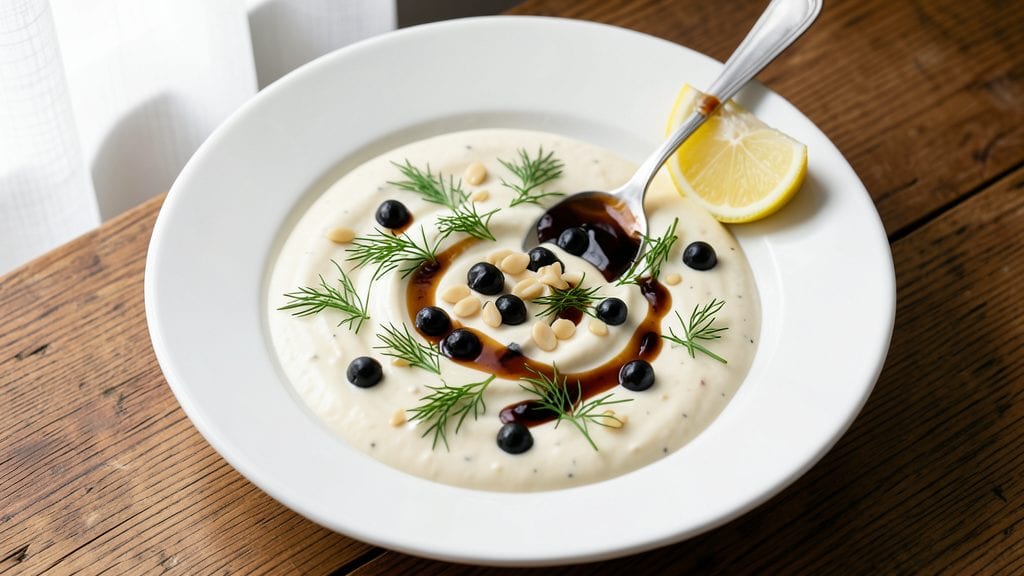
This tartar sauce recipe without pickles delivers the same bright, zesty magic you love—just with fresh dill and lemon taking center stage. The secret lies in balancing creamy mayonnaise with tangy lemon juice and finely chopped herbs, creating a sauce that's vibrant, herbaceous, and perfect for seafood lovers.
I developed this version after realizing pickles weren't essential for that signature tartar flavor, and it's become my go-to for fish tacos and shrimp cocktails.
The beauty of this recipe is its simplicity—just six ingredients come together in minutes to create a sauce that's restaurant-quality but homemade. The fresh dill adds an aromatic brightness, while lemon juice provides the tangy kick that defines tartar sauce.
Capers contribute a subtle briny depth, and a touch of Worcestershire sauce ties everything together with umami richness. It's the kind of sauce that elevates any seafood dish instantly.
What you'll end up with is a smooth, velvety sauce that's bright green from the fresh herbs and packed with flavor. It's creamy enough to coat every bite of fish or shrimp but light enough to complement delicate seafood without overpowering.
The best part? It keeps beautifully in the refrigerator for up to five days, ready to transform your next seafood meal with minimal effort.
Serve this tartar sauce with grilled fish, shrimp skewers, or as a dip for crispy seafood platters. The fresh dill and lemon combination makes it especially perfect for summer dining, but it works year-round for any seafood lover. Here's how to make it—simple, foolproof, and full of zing.
Ingredients for tartar sauce recipe without pickles
Six ingredients, five minutes—this bright, herb-packed tartar sauce skips pickles without missing a beat.
| Ingredient | Amount | Notes |
|---|---|---|
| Mayonnaise 🥛 | ¾ cup | High-quality, full-fat preferred |
| Fresh Dill Weeds 🌿 | ⅓ cup | Finely chopped, stems removed |
| Lemon Juice 🍋 | 2 tbsp | Freshly squeezed, no pulp |
| Capers 🫒 | 2 tbsp | Chopped, drained well |
| Worcestershire Sauce 🧂 | 1 tbsp | Lea & Perrins preferred |
| Garlic Cloves 🧄 | 1 clove | Minced, or 0.5 tsp garlic powder |
| Salt 🧂 | ½ tsp | Adjust to taste |
| Black Pepper 🌶️ | ¼ tsp | Freshly ground preferred |
The mayonnaise is your base, so don't skimp on quality—Duke's or Hellmann's are my go-tos. Fresh dill is absolutely essential for that signature tartar flavor (the stuff in jars just won't cut it). Look for bright green, vibrant dill at the grocery store—Trader Joe's usually has the freshest. If you're using dried dill, cut the amount to one-third since it's less potent. The capers add a briny punch, so make sure they're rinsed well to remove excess salt. I always grab mine from the Italian market section—they're fresher and taste better than the generic brands.
No fresh dill? Substitute 1 tbsp dried dill, but it won't be the same. Out of Worcestershire sauce? Fish sauce or a dash of soy sauce works in a pinch, but the umami depth won't be identical. The garlic can be minced fresh or swapped for garlic powder (just use half the amount). If you're feeling adventurous, add a pinch of Old Bay seasoning for extra seafood flavor. This sauce is incredibly forgiving, so don't stress if you're a little off on measurements—just taste and adjust. The lemon juice is key for that tangy kick, so make sure it's freshly squeezed (bottled won't do).
This sauce keeps beautifully in the fridge for up to 5 days, sealed in an airtight container. For longer storage, freeze it in ice cube trays—just thaw and stir before using. I always make a double batch because it disappears fast. The flavor actually improves after sitting overnight as everything melds together. If the sauce gets too thick, just stir in a splash of water or lemon juice to loosen it up. Perfect for fish tacos, shrimp cocktails, or as a dip for crispy seafood bites!
Why You'll Love This Recipe
- Five-Ingredient Magic: I swear by this combo—mayo, dill, lemon, capers, and Worcestershire. That’s it. No fussing with pickles or extra steps. The capers add a briny punch while the Worcestershire ties everything together like a secret handshake.
- Bright & Tangy: The lemon juice cuts through the richness of the mayo, and the fresh dill? It’s like a breath of summer in every bite. Honestly, I reach for this instead of store-bought because it’s actually bright, not dull or overly sweet.
- Weeknight & Party: Slather it on fish tacos, dip in chips, or toss with shrimp—it’s my go-to for quick dinners or last-minute appetizers. Between us, I’ve even used it to jazz up a sad sandwich when I’m too tired to cook.
- No-Waste Winner: Make a big batch—it keeps for days in the fridge, and the flavors only get better. I’ll be real: I’ve had this sitting for five days, and it’s still the star of my lunch. Plus, capers and Worcestershire are cheap staples that stretch your dollar.
Step-by-step instructions for fresh dill and lemon tartar sauce
This bright, zesty tartar sauce comes together in minutes with just a few simple steps.
Mix the Base Ingredients Together
In a medium bowl, combine the 0.75 cup mayonnaise with the 0.33 cup fresh dill weeds and 2 tablespoons lemon juice. Use a whisk or fork to mix until the dill is evenly distributed and the mayonnaise lightens in color. You're creating the foundation of your sauce here, so take your time to ensure everything blends smoothly.
Here's the thing—fresh dill makes all the difference. If you're using dried dill, you'll need about 1 tablespoon, but fresh gives that vibrant, herby flavor we're after. The lemon juice brightens everything up, cutting through the richness of the mayonnaise. Taste as you go; you'll notice the sauce already has a fresh, tangy profile.
Fold in the Capers and Worcestershire Sauce
Add the 2 tablespoons chopped capers and 1 tablespoon Worcestershire sauce to the bowl. Stir gently with a rubber spatula to incorporate these ingredients without overmixing. The capers bring a briny, salty punch that balances the freshness of the dill and lemon, while the Worcestershire sauce adds depth and umami complexity.
Don't worry if the capers look like they're clumping—just keep stirring. You want them evenly distributed so every bite of your sauce has that little burst of briny flavor. This is where the sauce starts to come together, so pay attention to the texture. It should remain smooth but develop a slightly thicker consistency from the capers.
Add the Garlic and Seasonings
Mince the 1 clove garlic cloves (or use 0.5 teaspoon garlic powder) and stir it into the mixture. Then, add the 0.5 teaspoon salt and 0.25 teaspoon black pepper. Mix everything together until fully combined. The garlic adds a subtle, aromatic warmth that complements the bright lemon and fresh dill beautifully.
Taste the sauce now and adjust the seasoning if needed. You might find the salt needs a tiny tweak or the lemon could use a splash more. Remember, you can always add more lemon juice or salt, but you can't take it out once it's in. This is your chance to fine-tune the flavor to your liking.
Chill and Let Flavors Develop
Transfer the tartar sauce to an airtight container and refrigerate for at least 30 minutes before serving. This chilling time allows the flavors to meld together perfectly. The sauce will thicken slightly as it cools, and the dill will release even more of its aromatic oils, making every bite more vibrant.
I know it's tempting to serve it immediately, but trust me—this waiting period makes a world of difference. The flavors will harmonize, and the sauce will have that perfect balance of creamy, tangy, and briny. If you're in a hurry, you can serve it after 15 minutes, but for the best results, let it chill for the full 30 minutes.
Pro Tips For Making Tartar Sauce Recipe Without Pickles
- CHOP DILL FINE: Fresh dill loses its punch when left in big clumps—give it a sharp chop or pulse in a food processor for 2 seconds. Too much? Strain through a fine-mesh sieve to keep it smooth. (I learned this after serving a sauce where you could still pick out whole stems.)
- MIX IN STAGES: Add Worcestershire and lemon juice first, then fold in capers last—this keeps the sauce from curdling. If using salted capers, taste before adding extra salt; they’re sneaky with sodium.
- DON’T OVERMIX: Stir just until combined, then let it sit for 5 minutes. Overworking it turns mayo into butter. (Yes, I’ve ruined a batch doing this—don’t be me.)
- USE COLD MAYO: Pull mayo from the fridge 10 minutes before mixing—room temp can make the sauce separate. If it starts breaking, add 1 tsp cold water and whisk gently to rebind. (Trust me, it works.)
Wine and beer pairings for tartar sauce recipe without pickles
Crisp White Wine Pairings
For this bright, herbaceous tartar sauce, I reach for a dry Riesling from Germany or Alsace—its crisp acidity and citrus notes mirror the lemon in the sauce while standing up to the richness of seafood.
A Sauvignon Blanc from New Zealand or Loire Valley adds a grassy, zesty contrast that complements the fresh dill beautifully. Both wines cut through the sauce's creaminess without overpowering it. 🍷
Crisp Lager Balance
A Belgian witbier like Hoegaarden or a German Helles provides the perfect beer pairing—light, slightly citrusy, and effervescent enough to cleanse your palate between bites. The coriander and orange peel notes in witbiers echo the lemon in the sauce, while the malt sweetness in Helles balances the briny capers.
I always keep a cold one on hand when serving this sauce with shrimp cocktails.
Sparkling Wine Elevation
For a celebratory touch, serve with Prosecco or Cava—their bubbles and slight sweetness enhance the sauce's freshness without competing. The acidity in these sparkling wines mirrors the lemon, while their effervescence makes each bite feel lighter.
A chilled Spanish Albariño also works wonderfully, offering a mineral-driven crispness that pairs beautifully with grilled fish.
Light Red Option
If you prefer red wine, a Pinot Noir from Oregon or Burgundy offers a surprisingly good match. Its delicate fruit notes and silky texture won't overpower the sauce, while the earthy undertones complement the capers.
Look for a Pinot Grigio from Italy if you want to stay in the white wine family but prefer something slightly bolder than Sauvignon Blanc.
Non-Alcoholic Pairings
For non-drinkers, a sparkling lemonade made with fresh lemon juice and soda water adds a refreshing contrast. A ginger beer with a squeeze of lime also works beautifully, as the ginger's warmth complements the sauce's brightness. For something more substantial, a cucumber-mint infused water keeps the palate clean and fresh.
Nutrition facts
Frequently asked questions
Why does this recipe skip pickles?
Pickles aren't essential for tartar sauce's signature flavor—they're just one way to add tang. This version replaces them with lemon juice and capers, which deliver the same briny brightness without the crunch. The fresh dill and Worcestershire sauce create that classic tartar profile while keeping it smooth and cohesive.
Can I make this sauce ahead of time?
This sauce actually tastes better after resting. Make it up to 5 days ahead and store it in an airtight container in the fridge. For longer storage, freeze it in ice cube trays—just thaw and stir before using. The flavors meld beautifully overnight, making it perfect for meal prep.
What's the best way to serve this sauce?
This bright, herbaceous sauce shines with grilled fish, fish tacos, or shrimp cocktails. It also works as a dip for crispy seafood bites or as a topping for loaded baked potatoes. The fresh dill and lemon make it especially perfect for summer seafood dishes, but it works year-round for any protein you want to elevate.
What if my sauce gets too thick?
No problem! Just stir in a splash of lemon juice or water to loosen it up. The sauce naturally thickens as it chills, but you can easily adjust the consistency to your preference. For a smoother texture, you can also blend it briefly with an immersion blender if you prefer no visible capers.
Can I use dried herbs instead of fresh?
You can substitute 1 tablespoon dried dill for the fresh, but the flavor won't be as vibrant. Fresh dill gives that signature tartar aroma that dried can't replicate. If you're in a pinch, dried will work, but for the best results, always use fresh herbs when possible. The difference is noticeable in every bite!