
Sauces & Condiments
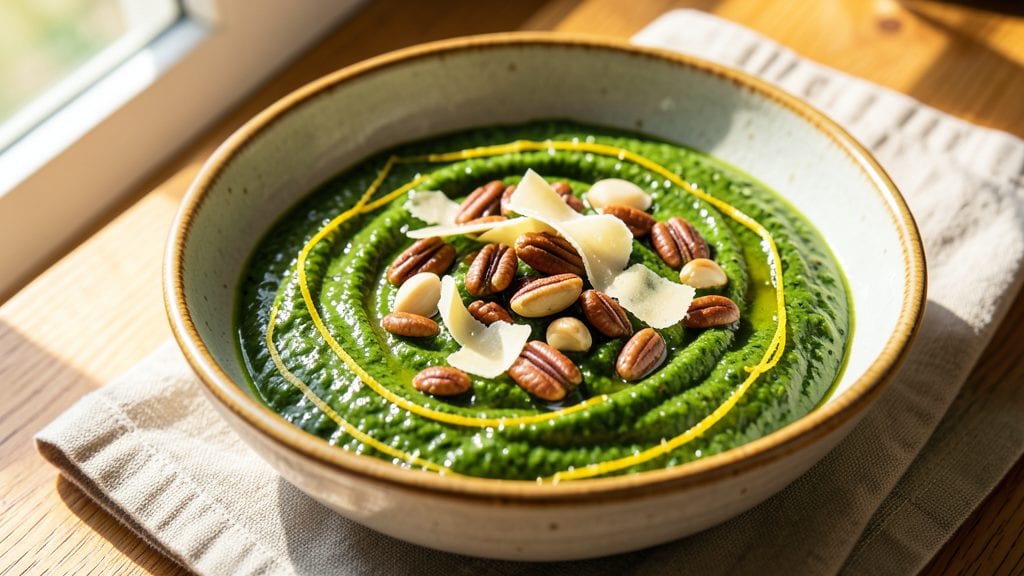
Creating Ina Garten's pesto sauce recipe transforms simple ingredients into a vibrant, aromatic sauce that elevates every dish. The balance of fresh basil, toasted pine nuts, and aged Parmesan creates a rich, velvety texture with bright herbal notes—just like her signature style.
This version stays true to tradition while offering a foolproof method for home cooks.
What sets this pesto apart is the careful attention to texture and flavor balance. Toasting the pine nuts enhances their nuttiness, while garlic and lemon zest add depth without overpowering.
The sauce comes together in minutes but tastes like it simmered for hours, making it perfect for pasta, sandwiches, or dipping. No special equipment needed—just a food processor and a few pantry staples.
You'll end up with a sauce that's creamy yet fresh, with a perfect harmony of flavors that clings beautifully to noodles or spreads effortlessly on toast. The secret lies in using high-quality ingredients and processing just until smooth—never overworking the mixture.
This is the kind of pesto that turns simple meals into something extraordinary.
Store any leftovers in an airtight container with a thin layer of olive oil on top to preserve freshness for up to five days. Pair it with grilled chicken, crusty bread, or fresh vegetables for a meal that feels both elegant and approachable.
Let's make this classic sauce your new kitchen staple.
Ingredients for ina garten pesto sauce
High-quality ingredients transform into Ina Garten's signature vibrant pesto sauce in minutes.
| Ingredient | Amount | Notes |
|---|---|---|
| Fresh Basil Leaves 🌿 | 3 cups | Packed, stems removed |
| Toasted Pine Nuts 🥜 | ¾ cup | Lightly browned in dry pan |
| Garlic Cloves 🧄 | 4 cloves | Peeled, roughly chopped |
| Parmesan Cheese 🧀 | 1 cup | Freshly grated, aged variety |
| Extra-Virgin Olive Oil 🫒 | ¾ cup | High-quality, fruity variety |
| Fresh Lemon Zest 🍋 | 1 tbsp | Fine, from organic lemon |
| Kosher Salt 🧂 | ½ tsp | Fine grain preferred |
| Freshly Ground Black Pepper 🌶️ | ¼ tsp | Freshly cracked preferred |
The fresh basil leaves are the heart of this pesto, so prioritize bright green, fragrant bunches from your local market or grocery store's produce section. Whole Foods or Trader Joe's often carry the most flavorful varieties, but any fresh basil will work if it's vibrant and free from wilting. Toast the pine nuts in a dry skillet until golden—this enhances their natural nuttiness and prevents bitterness. For the Parmesan cheese, always grate it yourself from a block rather than using pre-grated, which contains anti-caking agents that dull the flavor. The extra-virgin olive oil should be a fruity, peppery variety—California Olive Ranch or Colavita are excellent choices for this recipe.
No pine nuts? Walnuts or pecans work beautifully as a substitute, though the texture will differ slightly. If you're out of fresh basil, cilantro or arugula can be used in a pinch, but reduce the amount to 1.5 cups to maintain balance. For a stronger garlic flavor without overpowering, roast the garlic cloves at 400°F for 20 minutes before chopping. The lemon zest adds brightness—if you don't have a zester, use a fine grater and remove any bitter white pith. For a nut-free version, omit the pine nuts entirely and increase the olive oil to 1 cup to maintain creaminess.
This pesto keeps beautifully in an airtight container with a thin layer of extra-virgin olive oil on top to preserve freshness. It will stay vibrant in the refrigerator for up to 5 days or frozen for 3 months in an ice cube tray for single-serving portions. The sauce thickens as it chills, so add a splash of olive oil if it becomes too stiff. Use it immediately on pasta, spread it on sandwiches, or drizzle it over grilled vegetables for a burst of Ina Garten's signature freshness.
Why You'll Love This Recipe
- Here’s what sold me: the garlic isn’t just background noise—it’s roasted until it’s sweet with a whisper of bite, then balanced by the bright basil and salty Parmesan. Drizzle it over pasta, and you’ll taste the difference in one forkful.
- Five-Ingredient Magic: I swear by this combo—no fancy gadgets, just a knife, a bowl, and 10 minutes of your time. Toast the pine nuts in the same pan you’ll crush the garlic, then blend everything until it’s just thick enough to cling. That’s it.
- Garlic-Kissed Bliss: Here’s what sold me: the garlic isn’t just background noise—it’s roasted until it’s sweet with a whisper of bite, then balanced by the bright basil and salty Parmesan. Drizzle it over pasta, and you’ll taste the difference in one forkful.
- Pantry-to-Plate Power: This isn’t just for pasta. Toss it with roasted veggies, dollop it on grilled chicken, or even mix it into hummus for a lunch that feels fancy. Honestly, I’ve used it in everything since I made a double batch—it’s my secret weapon for effortless flavor.
Step-by-step instructions for Ina Garten pesto sauce
Here's how to make this vibrant, balanced pesto with perfect texture every time.
Toast the Pine Nuts and Prepare the Basil
Place the 0.75 cup toasted pine nuts in a dry skillet over medium heat. Toast them for 3-4 minutes, stirring constantly, until they turn a light golden brown and release their nutty aroma. Remove immediately from heat—they'll continue cooking from residual heat and can burn quickly if left unattended.
While the pine nuts toast, wash and thoroughly dry the 3 cups fresh basil leaves. Remove any thick stems and pack the leaves tightly into a food processor or high-powered blender. The leaves should be packed but not compressed—this ensures maximum flavor extraction. I like to work in batches if needed, but try to keep everything together for consistency.
Pulse the Garlic and Toasted Pine Nuts
Add the peeled 4 cloves garlic cloves and toasted 0.75 cup pine nuts to the packed basil leaves in the food processor. Pulse 3-4 times until the garlic is finely chopped but not pasty. You want visible texture here—this prevents the pesto from becoming too smooth and helps create that beautiful, rustic appearance. If the mixture seems too dry at this stage, that's normal and will resolve as we add the olive oil.
Here's the thing—don't skip the garlic chopping step. Whole garlic cloves will create a grainy texture that some people dislike. But finely chopped garlic blends seamlessly while still delivering that essential savory depth. Pulse just until everything is uniformly chopped but not pureed.
Process with Olive Oil and Cheese
With the food processor running, slowly drizzle in the 0.75 cup extra-virgin olive oil through the feed tube. This gradual addition prevents the processor from seizing up and allows the oil to emulsify properly with the other ingredients. Process for about 30 seconds after adding all the oil to ensure everything is well combined and the oil is evenly distributed.
Add the 1 cup freshly grated Parmesan cheese and process for another 15-20 seconds until the cheese is fully incorporated and the mixture begins to thicken. The cheese should melt into the oil, creating a creamy base. If the mixture seems too thick at this point, that's expected—we'll adjust the consistency in the next step. The key is to keep processing just until everything is smooth but not until it becomes a paste.
Finish with Seasonings and Adjust Consistency
Add the 1 tablespoon fresh lemon zest, 0.5 teaspoon kosher salt, and 0.25 teaspoon freshly ground black pepper to the food processor. Pulse 2-3 times just to distribute these seasonings evenly throughout the pesto. Taste at this point—you should notice the bright citrus from the lemon zest cutting through the richness of the cheese and nuts, while the salt and pepper balance the flavors.
With the processor still running, add 1-2 tablespoons of cold water, one at a time, until the pesto reaches your desired consistency. I prefer a slightly thicker pesto that still coats the back of a spoon without being gluey. Transfer the pesto to a bowl and taste again. If it needs more salt, add a pinch at a time—you can always adjust, but you can't take salt out once it's in. The final pesto should be vibrant green, with visible flecks of pine nuts and garlic throughout.
Store and Use Immediately
Cover the pesto with plastic wrap pressed directly onto the surface to prevent a skin from forming. Refrigerate for up to 5 days, but I find it's best used within 2-3 days for maximum freshness. The pesto will keep well in the refrigerator, but the texture may thicken slightly over time. Thin with a splash of olive oil or water if needed before using.
This pesto shines when tossed with warm pasta, spread on sandwiches, or used as a marinade for grilled chicken. The bright lemon zest and fresh basil ensure it stays vibrant and flavorful. Don't skip the fresh lemon zest—it makes all the difference in preventing the pesto from tasting flat or one-dimensional. The balance of rich Parmesan, nutty pine nuts, and bright citrus creates a sauce that's always in demand.
Pro Tips For Making Ina Garten Pesto Sauce
- Pulse, Don’t Blend: Use a food processor, not a blender—this keeps the pine nuts whole and the texture creamy, not paste-like. I learned this the hard way after making a gloppy mess that clung to the sides like glue.
- Toast Nuts Low: Toast pine nuts in a dry pan over low heat, stirring constantly, until they’re golden—about 3-4 minutes. High heat burns them faster than you can blink, and you’ll end up with bitter, crunchless dust.
- Freeze Garlic First: Smash 1-2 frozen garlic cloves with the side of your knife before adding them to the processor. This softens them instantly, so they blend smoothly instead of turning the pesto into a chunky, chewy nightmare.
- Use Cold Parmesan: Grate Parmesan straight from the fridge—it packs tighter and dissolves evenly into the oil. I used to pull it from the fridge at room temp, and it’d clump like sad, lumpy snow in my pesto every time.
Pro cooking tips for great ina garten pesto sauce
Toast Nuts Perfectly
Toast your pine nuts in a dry skillet over medium heat for exactly 3-4 minutes, stirring constantly. They should turn golden brown and smell intensely nutty—this enhances their flavor.
Remove immediately to prevent burning, as they can go from perfect to bitter in seconds. I use a 10-inch nonstick skillet for even heat distribution. 🥜
Pulse, Don’t Puree
When processing the basil, garlic, and nuts, pulse 3-4 times until everything is finely chopped but still retains visible texture. Over-processing turns pesto into a gluey paste. I recommend using a high-powered food processor like the Ninja BN601 for optimal results.
Stop before the mixture becomes completely smooth—those visible flecks of pine nuts and garlic add visual appeal and texture.
Emulsify with Oil
Drizzle the 0.75 cup extra-virgin olive oil slowly through the feed tube while the processor runs. This gradual addition prevents the mixture from seizing up and ensures a silky, emulsified texture. I prefer a fruity, peppery olive oil like California Olive Ranch for the best flavor.
If the pesto looks too thick, add 1 tablespoon water at a time until it reaches your desired consistency.
Balance Flavors Precisely
Taste your pesto after adding all ingredients—it should have a perfect harmony of basil brightness, nutty richness, and cheesy depth. If it tastes flat, add more lemon zest or freshly ground black pepper.
For extra umami, a pinch of red pepper flakes works beautifully. I always adjust seasoning gradually, as you can’t remove salt once it’s in. 🌶️
Preserve Freshness
Store your pesto in an airtight container with a thin layer of olive oil on top to prevent oxidation. Press plastic wrap directly onto the surface to minimize air exposure. Refrigerate for up to 5 days, but use within 2-3 days for peak freshness.
For longer storage, freeze in ice cube trays and transfer to a bag—thaw in the fridge before using.
Use Immediately for Best Results
Pesto tastes best when used fresh, especially on warm al dente pasta or as a sandwich spread. The bright lemon zest and fresh basil lose their vibrancy over time, so plan to use it within 3 days for maximum flavor impact.
If the texture thickens, thin with a splash of olive oil or water before serving. The key is balance—never let it sit too long before using. ✨
Nutrition facts
Frequently asked questions
Can I substitute walnuts for pine nuts in this pesto?
Walnuts work beautifully and are more budget-friendly. Use 0.75 cup walnuts instead of pine nuts, but toast them first to enhance their flavor. The texture will be slightly different—walnuts add a heartier bite—but the taste remains rich and delicious. For extra richness, toast the walnuts until golden brown and aromatic.
Why does my pesto turn out too thick or too thin?
The key is balancing the olive oil and water. If your pesto is too thick, add 1 tablespoon water at a time while processing. For a thinner consistency, drizzle in 1 tablespoon olive oil and blend. The ideal texture coats the back of a spoon without being gluey. Adjust gradually—you can always add more oil or water later.
How can I make this pesto ahead of time?
Store your pesto in an airtight container with a thin layer of olive oil on top. It keeps well in the fridge for up to 5 days, though it’s best used within 2-3 days for peak freshness. For longer storage, freeze in ice cube trays and transfer to a bag. Thaw in the fridge before using and thin with a splash of olive oil if needed.
What’s the best way to use leftover pesto?
Leftover pesto is incredibly versatile! Toss it with warm pasta, spread it on sandwiches, or use it as a marinade for grilled chicken or fish. It also makes a fantastic dip for crusty bread or veggies. If the texture thickens, thin it with a splash of olive oil or water before using.
Can I make this pesto without a food processor?
Yes, but the texture will be less smooth. Use a mortar and pestle or a sharp knife to finely chop the basil, garlic, and nuts. Mix everything together in a bowl, then gradually add olive oil while stirring. The result will be chunkier but still delicious—just expect more visible flecks of ingredients.