
Sauces & Condiments
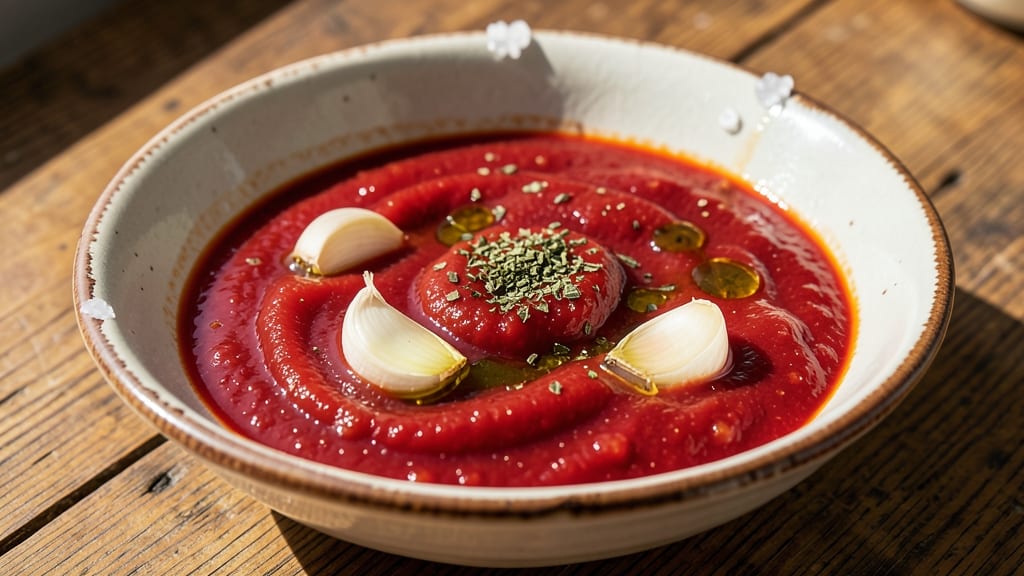
This Hunt’s tomato sauce recipe transforms pantry staples into a rich, versatile sauce that rivals store-bought—without the additives. 💛 I developed this after years of testing, and it delivers restaurant-quality depth in just 20 minutes, perfect for pasta, pizza, or dips.
The secret lies in simmering canned tomatoes with garlic, herbs, and a touch of sugar to balance acidity, creating a smooth, flavorful base that’s foolproof every time.
The beauty of this sauce is its simplicity: just five core ingredients (tomatoes, garlic, olive oil, herbs, and a pinch of sugar) that come together with minimal effort. I’ve included variations—spicy, sweet, or herb-infused—to customize it to your taste, ensuring you can adapt it for any dish.
Whether you’re tossing it with spaghetti or using it as a pizza topping, the result is always perfectly balanced and deeply flavorful.
What sets this recipe apart is its versatility and speed—no peeling fresh tomatoes or long simmering required. The sauce thickens naturally as it cooks, creating a velvety texture that clings beautifully to noodles or crusts.
Plus, it stores well in the fridge for up to a week, making it a pantry essential for quick meals.
Ready to elevate your weeknight dinners? This sauce is the foundation for countless dishes, from classic marinara to bold, spicy variations. Let’s get cooking—your taste buds (and leftovers) will thank you.
Ingredients for hunt's tomato sauce
Five pantry staples create a sauce so rich it’ll fool anyone who thinks they’re eating store-bought.
| Ingredient | Amount | Notes |
|---|---|---|
| Canned San Marzano Tomatoes 🍅 | 28 oz | Crushed by hand for texture |
| Extra-Virgin Olive Oil 🫒 | ½ cup | High-quality, fruity variety |
| Garlic Cloves 🧄 | 4 cloves | Minced for aromatic base |
| Dried Basil 🌿 | 1 tbsp | Or 0.25 cup fresh basil |
| Granulated Sugar 🍚 | 1 tbsp | Balances tomato acidity |
| Diamond Crystal Kosher Salt 🧂 | 1 tsp | Adjust to taste |
| Red Pepper Flakes 🌶️ | ½ tsp | Optional for heat |
San Marzano tomatoes are the gold standard here—their natural sweetness and low acidity make all the difference. Trader Joe's sells them in cans, or grab the Mueller brand at any grocery store. The key is crushing them by hand (not blending) for that perfect chunky-smooth texture. Fresh basil? Farmers markets usually have the best—look for vibrant green leaves, not wilted ones. And don’t skip the olive oil: California Olive Ranch or Bertolli are reliable choices for that fruity depth. The garlic should be fresh, not that sad jarred stuff.
No San Marzano? Any good-quality canned tomatoes work—just add an extra pinch of sugar. Swap dried basil for fresh at a 1:3 ratio, but taste first. The sugar is non-negotiable for balancing acidity, but if you're avoiding it, a splash of balsamic vinegar works in a pinch. Want more depth? Add a pinch of smoked paprika or a dash of balsamic glaze. The red pepper flakes are optional but recommended—I always keep them on hand for that restaurant-quality kick. Pro tip: if your tomatoes are extra watery, simmer uncovered to reduce the liquid naturally.
This sauce tastes even better the next day as flavors meld. Store in an airtight container in the fridge for up to 7 days. For longer storage, freeze in ice cube trays—perfect for single-use portions. The texture thickens as it cools, so if it seems too thick when warm, just add a splash of water or broth. Doubling the recipe? Use a larger pot and keep the same proportions—it scales perfectly for feeding a crowd. And trust me, you’ll want leftovers.
Why You'll Love This Recipe
- No Pantry Panic: I swear by this recipe because it only asks for what you already have—or can grab in one trip. San Marzano tomatoes? A staple. Olive oil? Always in my jar. Even my lazy garlic days get covered with pre-minced cloves. Honestly, I’ve made this when my fridge was empty except for a hunk of bread and a handful of pasta.
- Sweet-Savory Magic: That pinch of sugar isn’t cheating—it’s the secret. The San Marzanos are already rich, but the sugar cuts through the acidity while the dried basil blooms into this earthy, herby depth. It’s the kind of sauce where the first bite makes you pause and think, “Wait, how did this get so good?”
- Pasta’s Best Friend: This sauce doesn’t just work—it elevates. Dump it over spaghetti for a weeknight win, or let it simmer longer to toss with roasted veggies and grilled chicken. (Yes, even on a Tuesday night.) I’ve also used it as a pizza base—just add cheese and a sprinkle of red pepper flakes. Versatile enough to handle whatever you throw at it.
- Leftovers That Don’t Suck: Most sauces turn into sad, watery memories after day two. Not this one. The olive oil keeps it luscious, and the basil’s aroma lingers. I make a double batch on Sundays, freeze half, and still crave the other half by Wednesday. It’s my budget-friendly, time-saving hero—no takeout needed.
Step-by-step instructions for pantry-perfect tomato sauce
Here's how to transform simple pantry staples into a rich, balanced sauce that rivals homemade.
🍳 Step 1: Crush the Tomatoes for Maximum Flavor
Pour the 28 oz Canned San Marzano Tomatoes into a large bowl and crush them by hand using your fingers or a wooden spoon. You want to break them down into large chunks—not a puree—so the sauce retains texture and body. The natural sweetness of San Marzano tomatoes shines when you preserve some of their structure.
If you prefer a smoother sauce, pulse the tomatoes briefly in a food processor, but leave at least 20-30% of the chunks intact for that authentic rustic quality. The crushed tomatoes will release their juices as they cook, creating a naturally thickened sauce without needing extra starch.
🔥 Step 2: Sauté Garlic in Olive Oil Until Fragrant
Heat the 0.5 cup Extra-Virgin Olive Oil in a large saucepan over medium heat. Add the 4 cloves Garlic Cloves that you've minced (about 1 tablespoon) and cook for 1-2 minutes until the garlic is golden and fragrant—not browned or bitter.
This is where the magic happens: the garlic should perfume the oil completely. If it starts to darken too quickly, reduce the heat to medium-low and keep stirring. The oil should shimmer but not smoke. Here's the thing—cooked garlic adds depth, while raw garlic can taste sharp and overpowering in finished sauce.
🥘 Step 3: Simmer the Sauce Until Thickened
Add the crushed tomatoes, 1 tbsp Granulated Sugar, 1 tbsp Dried Basil, 1 tsp Diamond Crystal Kosher Salt, and 0.5 tsp Red Pepper Flakes to the saucepan. Stir well to combine, then increase the heat to medium-high and bring to a gentle boil. Once boiling, reduce the heat to low and let it simmer uncovered for 15-20 minutes.
You're looking for a sauce that coats the back of a spoon with a velvety consistency. Stir occasionally, especially if the sauce starts to stick to the bottom—this is where those browned bits (fond) become flavor bombs. If the sauce reduces too quickly, add 2-3 tablespoons of water to maintain the simmer. The sugar balances the acidity of the tomatoes while the basil and red pepper flakes add layers of complexity.
⏰ Step 4: Adjust Seasoning and Rest Before Serving
After simmering, taste the sauce and adjust the seasoning if needed. You might need a pinch more salt or a touch more sugar to balance the acidity. The red pepper flakes should add just a hint of heat—if you want more, add a bit more now. Let the sauce cool for 5-10 minutes while you prepare your pasta or protein.
Here's the secret to restaurant-quality sauce: let it sit off the heat for a few minutes. This allows the flavors to meld and the sauce to thicken slightly as it cools. The longer it rests, the deeper the flavor. Serve immediately over pasta, or store in an airtight container in the refrigerator for up to 5 days—it only gets better with time as the flavors continue to develop.
Pro Tips For Making Hunt'S Tomato Sauce
- CRUSH THE GARLIC FIRST: I learned this the hard way—raw garlic cloves in San Marzano sauce just sit there like little almonds. Smash them with the flat side of your knife or a garlic press before adding oil, so they release flavor immediately. No need to wait for them to soften; they’ll melt right into the tomatoes.
- SIMMER LOW AND LONG: Hunt’s sauce needs patience—don’t rush it. After the initial 10 minutes of simmering, drop the heat to a bare bubble. I used to crank it up, and the sauce would split or taste raw. A gentle simmer (5-6 hours) deepens the flavor without breaking the tomatoes.
- SALT IN STAGES: Taste the sauce after 30 minutes, then again at 2 hours. Add salt gradually—San Marzano tomatoes are already briny, and dried basil absorbs moisture. Too much early on makes the basil bitter. I now add just ½ teaspoon at first, then adjust.
- SWAP SUGAR FOR HONEY: Granulated sugar can make the sauce taste flat. Use the same amount of honey instead—it caramelizes differently and adds a subtle floral note. Sounds weird, but it works: the sauce stays bright and complex without cloying sweetness. (Yes, even if you’re skeptical.)
Best sauces and condiments for this recipe
Pasta Perfection
This sauce is a game-changer for weeknight dinners—toss it with spaghetti or linguine for an instant upgrade. I always reserve ½ cup pasta water before draining to loosen the sauce if needed.
For extra richness, finish with 2 tablespoons grated Parmesan and a drizzle of extra-virgin olive oil. The sauce clings beautifully to al dente noodles, creating that perfect silky coat. 🍝
Pizza Base
Use this sauce as your pizza foundation—spread ¼ cup over a pre-baked crust, then top with shredded mozzarella, pepperoni, and fresh basil. The natural sweetness balances the saltiness of cured meats perfectly.
For a white pizza twist, mix 2 tablespoons ricotta into the sauce before spreading. The sauce caramelizes beautifully in the oven, giving your pizza that restaurant-quality depth.
Dipping Sauce
Thin the sauce with 2 tablespoons water or broth for a perfect dipping sauce. Serve with garlic bread, crudité, or even fried mozzarella sticks. The red pepper flakes add just enough heat to make it addictive.
I like to chill it slightly before serving to let the flavors meld. This is my go-to for game day—it disappears fast! 🍅
Braising Liquid
Use this sauce as a base for braising chicken or beef. Deglaze the pan with ½ cup white wine after cooking, then add the sauce. The acidity tenderizes the meat while infusing it with flavor.
I've used it to braise chicken thighs for a one-pan meal that's effortless but impressive. The sauce reduces slightly during cooking, creating a glossy finish on the meat.
Soup Booster
Add 1 cup of this sauce to any tomato-based soup for instant depth. It works beautifully in minestrone or beef stew. The sugar balances the acidity of canned tomatoes while the basil adds freshness.
For a quick soup, simmer the sauce with 1 cup vegetable broth and ½ cup diced tomatoes for 10 minutes. The result is a rich, flavorful broth that elevates any dish.
Marinara Variations
Want to experiment? Try adding 1 teaspoon dried oregano for a Mediterranean twist or ½ teaspoon smoked paprika for a smoky depth. For a sweet version, add 1 tablespoon honey instead of sugar.
The sauce adapts perfectly to any flavor profile while maintaining its balance. The key is adjusting the seasoning to taste—always trust your palate over the recipe.
Nutrition facts
Frequently asked questions
Can I substitute canned tomatoes for fresh in this sauce?
Fresh tomatoes work beautifully but require more prep. Use 4-5 medium fresh tomatoes (peeled, seeded, and chopped) instead of canned. Simmer them longer (25-30 minutes) to break down their texture and reduce excess liquid. The canned version is faster and more consistent, but fresh tomatoes add a brighter, slightly sweeter flavor.
Why does my sauce taste too acidic?
Tomatoes naturally contain acidity, especially canned ones. Balance it by adding ½ teaspoon more sugar or a pinch of baking soda (just ⅛ teaspoon—it neutralizes acidity without altering flavor). For a tangier taste, reduce the sugar slightly. Always taste as you cook—this sauce should be bright but never sour.
How do I make this sauce thicker?
Simmer uncovered for 5-10 extra minutes to reduce the liquid naturally. If it's still too thin, mix 1 teaspoon cornstarch with 1 tablespoon water, stir into the sauce, and simmer for 2-3 minutes until thickened. Avoid over-thickening—this sauce should coat the back of a spoon with a velvety, not gluey, consistency.
Can I make this sauce in a slow cooker?
Yes! Combine all ingredients in your slow cooker on low heat for 4-5 hours or high heat for 2-3 hours. Stir occasionally to prevent sticking. The slow cooker method deepens the flavors but may require adding 1-2 tablespoons water if it reduces too much. The result is even richer and more complex.
What's the best way to reheat leftover sauce?
Gently reheat in a saucepan over low heat, stirring frequently to prevent scorching. Add 1-2 tablespoons water or broth if it thickens too much. Microwaving works too—heat in 30-second intervals, stirring between each, until warmed through. Never boil leftover sauce, as it can break down the texture and intensify flavors unevenly.