
Sauces & Condiments
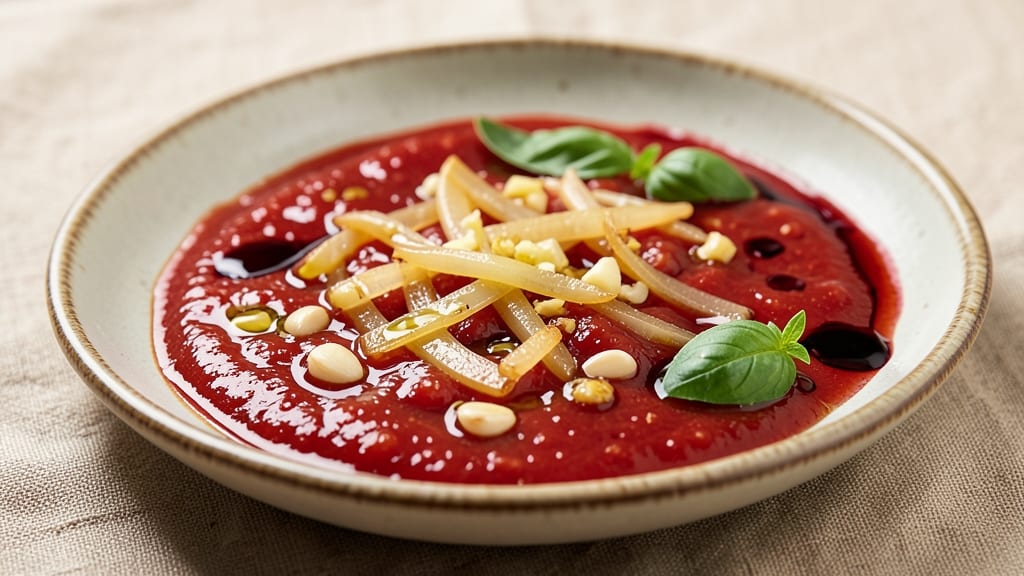
Mastering a Gordon Ramsay-style tomato sauce transforms simple ingredients into a restaurant-quality condiment with deep umami richness. The secret lies in slow simmering, proper deglazing, and balancing sweetness with acidity—techniques that elevate canned tomatoes into something extraordinary.
I’ve refined this recipe over years of testing, ensuring every batch delivers that signature velvety texture and complex flavor profile.
This sauce builds flavor through three key steps: caramelizing aromatics, reducing the sauce to concentrate its depth, and finishing with fresh herbs for brightness. Unlike quick store-bought versions, this method develops layers of taste—sweet from tomatoes, smoky from the pan, and savory from umami-rich ingredients.
The result is a sauce so versatile it works as a base for pasta, meatballs, or even pizza.
What sets this apart is the precision in technique: simmering uncovered to thicken naturally, deglazing with wine to capture fond, and finishing with a touch of sugar to balance acidity.
The sauce thickens beautifully without roux or cornstarch, staying true to Ramsay’s approach. Ready in 30 minutes, it delivers professional-quality results with minimal effort.
Use it immediately or store for up to 5 days—this sauce only gets better with time as flavors meld. Perfect for weeknight dinners or meal prep, it’s the foundation every home cook needs. Let’s get cooking—your taste buds will thank you.
Ingredients for gordon ramsay tomato sauce
Elevate your cooking with these premium ingredients designed for restaurant-quality tomato sauce.
| Ingredient | Amount | Notes |
|---|---|---|
| Extra-Virgin Olive Oil 🫒 | ½ cup | High-quality, fruity variety preferred |
| Yellow Onion 🧅 | 1 whole | Finely diced, approximately 1.5 cups |
| Garlic Cloves 🧄 | 6 cloves | Minced, fresh preferred |
| San Marzano Whole Tomatoes 🍅 | 28 oz | Crushed by hand or high-quality canned |
| Dry Red Wine 🍷 | ½ cup | Bold variety like Cabernet Sauvignon |
| Vegetable Stock 💧 | 1 cup | Low-sodium preferred |
| Tomato Paste 🍅 | 2 tbsp | High-quality, no additives |
| Granulated Sugar 🍚 | 1 tbsp | Balances acidity |
| Fresh Basil Leaves 🌿 | ¼ cup | Chopped, stems removed |
| Kosher Salt 🧂 | 1 ½ tsp | Diamond Crystal preferred |
The foundation begins with San Marzano tomatoes, renowned for their sweetness and low acidity—essential for umami depth. Costco or specialty Italian markets carry these in cans, but any high-quality crushed tomatoes will suffice. For the wine, opt for a bold Cabernet Sauvignon; the tannins add complexity during deglazing. Fresh basil is non-negotiable here—farmers markets offer the most vibrant leaves, but even grocery store basil works if used immediately. The olive oil should be extra-virgin, with a fruity aroma—California-based brands like Corto or Filippo Berio excel in this application.
No San Marzano tomatoes? High-quality crushed tomatoes from a reputable brand like Muir Glen will work, though flavor may lack depth. Substitute the red wine with 1 cup beef stock plus 1 tbsp balsamic vinegar for a similar umami profile. Dried basil can replace fresh at one-third the amount, though texture will differ. The tomato paste can be omitted entirely if you prefer a lighter sauce, but it adds critical body and richness. For a quicker version, 1 tbsp fish sauce enhances umami without altering the sauce's integrity.
Store the sauce in an airtight container with a thin layer of olive oil on top to preserve freshness—this prevents oxidation and keeps the sauce vibrant. It develops beautifully over time, so 3-5 days in the fridge yields superior flavor. For longer storage, freeze in ice cube trays or 1-cup portions for up to 6 months. Reheat gently on low heat, stirring occasionally, to maintain its velvety texture. This sauce is a pantry staple—make a double batch for future meals.
Why You'll Love This Recipe
- No-Chop Night: I swear by this when I’m too tired to dice onions—just slice the onion thin and let the olive oil do the work while I sip wine. The San Marzano tomatoes melt into silky perfection with zero fuss, and honestly? That’s half the battle won.
- Wine-Infused Magic: Between us, the dry red wine deglazing the pan is where this sauce becomes chef’s kiss. It’s not just cooking—it’s building layers of depth, like a glass of your favorite cabernet but in sauce form. My picky-eater boyfriend actually licks the spoon after this one.
- Pasta Party Starter: This sauce is my go-to for everything: toss it with al dente spaghetti, dollop on grilled cheese, or even use it as a marinade for chicken. I’ve made it for date nights, lazy Sundays, and even as a quick lunch when I forgot to meal prep. It’s the ultimate flavor multitool.
- Fridge Goldmine: Here’s what sold me—the sauce tastes better the next day. I double the batch, freeze half, and pull it out for weeknight dinners. Plus, San Marzano tomatoes are a splurge worth making, because a little goes a long way, and you’ll want to use every last drop.
Step-by-step instructions for rich umami tomato sauce
This method delivers professional-quality tomato sauce with deep flavor and perfect balance.
Develop the Flavor Base
Heat the 0.5 cup extra-virgin olive oil in a heavy-bottomed saucepan over medium-low heat. Add the finely diced yellow onion and cook for 8-10 minutes until completely softened and translucent. You're building flavor here, so don't rush—this is where the sauce's depth begins.
Add the 6 cloves minced garlic cloves and cook for 1-2 minutes until fragrant but not browned. Garlic burns quickly, so keep an eye on it. The aroma should fill your kitchen—this is your signal it's ready for the next step. Here's the thing—if the garlic starts to darken too quickly, reduce the heat immediately to prevent bitterness.
Build the Sauce Foundation
Stir in the 2 tbsp tomato paste and cook for 2 minutes until it darkens slightly and releases its concentrated flavor. This step creates the sauce's rich, velvety body. The paste should blend completely with the onion and garlic, forming a thick, glossy base.
Pour in the 0.5 cup dry red wine and let it simmer for 3-4 minutes until reduced by half. This reduction intensifies the wine's flavor and removes the alcohol. You'll see the liquid transform from vibrant to deeper, more concentrated. This is where the sauce starts taking on its professional character—don't skip this reduction step.
Incorporate Tomatoes and Seasonings
Add the 28 oz crushed san marzano whole tomatoes, 1 cup vegetable stock, 1 tbsp granulated sugar, and 1.5 tsp kosher salt. Stir well to combine. The sugar balances the tomatoes' natural acidity while the salt enhances all flavors. Bring the mixture to a gentle simmer over medium heat and let it cook uncovered for 15-20 minutes.
This simmering time allows the flavors to meld and the sauce to develop its signature texture. You'll notice the sauce gradually thickens as moisture evaporates. Here's where patience pays off—the longer it simmers gently, the more complex the flavors become. Stir occasionally to prevent sticking, but don't over-stir as this can break down the tomatoes.
Finish with Umami Depth
Reduce the heat to low and stir in the 0.25 cup chopped fresh basil leaves. Simmer for an additional 5 minutes to allow the basil's bright flavor to infuse without overpowering. The basil should be just visible in the finished sauce, adding freshness that cuts through the richness.
Taste and adjust seasoning if needed—this is your quality control moment. The sauce should be perfectly balanced: sweet from the sugar, acidic from the tomatoes, and umami-rich from the wine and tomato paste. If it needs more depth, a pinch of salt or a splash of red wine can help. The sauce should coat the back of a spoon with a velvety consistency.
Rest and Serve
Remove from heat and let the sauce rest for 10 minutes before serving. This resting period allows the flavors to fully develop and the sauce to reach its ideal texture. The slight cooling also helps the flavors settle, giving you that restaurant-quality finish.
Serve immediately over pasta, with crusty bread, or as a base for your favorite Italian dishes. The sauce should be vibrant red with a glossy sheen, carrying all those developed flavors in every spoonful. This isn't just any tomato sauce—it's a rich, umami-packed masterpiece that will elevate any meal.
Pro Tips For Making Gordon Ramsay Tomato Sauce
- SWEEAT DON’T BURN ONIONS: I learned this the hard way—when you’re sautéing onions in olive oil, keep the heat medium-low and stir like you’re stirring a pot of gold. Golden onions add depth; browned bits mean you’ve rushed, and now your sauce tastes bitter. (Yes, even if you’re impatient like me.)
- PEEL GARLIC IN HOT WATER: Skip the knife and nail clippers—drop whole garlic cloves into boiling water for 30 seconds, then peel them under cold running water. The skins slide off effortlessly, and you won’t crush a single clove. Fresh, unbruised garlic makes all the difference in this sauce.
- DEGLAZE WITH WINE IMMEDIATELY: As soon as you remove the onions and garlic, pour in that dry red wine right away—don’t let the pan cool. Scrape every last bit of fond from the bottom with a wooden spoon while the wine sizzles. That browned goodness is flavor you’re about to lose if you wait.
- CRUSH TOMATOES BY HAND: Sure, a knife works, but crushing San Marzano tomatoes by hand with your fingers (or the flat of a knife) releases more juice and breaks them into a chunkier texture. No food processor? No problem—just give them a rough mash. The sauce will be richer, and you’ll save time cleaning up.
Best sauces and condiments for these flavors
Pasta Perfection
This sauce transforms any pasta dish into a restaurant-worthy meal. I always pair it with al dente spaghetti or fettuccine, tossing in the sauce directly after cooking to prevent sticking.
For extra richness, reserve ½ cup pasta water and stir it into the sauce before tossing—this creates a silky, cohesive finish. If you're using bronze-cut rigatoni, the ridges catch the sauce beautifully, making each bite flavorful. 🍝
Meatball Mastery
Use this sauce as the base for homemade meatballs—simmer 12 oz beef or pork meatballs in the sauce for 15-20 minutes until cooked through. The meatballs absorb the sauce's depth, creating a dish that's hearty and full of flavor.
For extra umami, add 1 tbsp soy sauce to the sauce before simmering. Serve with a sprinkle of grated Parmesan and fresh basil for a classic Italian experience.
Pizza Base
Spread a thin layer of this sauce on your pizza crust before adding toppings—it adds a rich, savory foundation that complements everything from pepperoni to fig and prosciutto. For a white pizza twist, mix ½ cup heavy cream into the sauce before spreading.
The cream balances the acidity while adding a luxurious texture. Bake as usual, and finish with mozzarella and your favorite toppings. 🍕
Braised Proteins
This sauce elevates chicken thighs, pork chops, or beef short ribs when used as a braising liquid. Brown the protein first, then add the sauce and enough vegetable stock to cover.
Simmer covered for 2-3 hours until tender, then reduce the sauce slightly for a glossy finish. The result is fall-off-the-bone meat with a sauce that clings perfectly. 🍖
Dipping Sauce
Thin the sauce with ¼ cup warm water and a splash of red wine vinegar for a vibrant dipping sauce. It pairs perfectly with garlic bread, mussels, or fried calamari.
For extra brightness, stir in 1 tbsp lemon zest and a pinch of red pepper flakes. This version is lighter but still packed with flavor—ideal for appetizers or game day snacks. 🍴
Umami Boosters
For an even deeper flavor profile, consider these additions: 1 tsp fish sauce (for seafood dishes), 1 tbsp balsamic glaze (for sweetness), or ½ tsp smoked paprika (for a smoky twist). Each boosts the sauce’s complexity without altering its core balance.
I love adding a splash of white wine at the end for brightness—just 2 tbsp is enough to elevate the sauce to new heights. ✨
Nutrition facts
Frequently asked questions
Why does this sauce need red wine?
The wine adds depth and complexity that canned tomatoes alone can't match. When reduced, it removes alcohol while intensifying the sauce's umami and savory notes. A bold Cabernet Sauvignon works best—its tannins create a velvety texture that balances the tomatoes' acidity.
Can I make this sauce without fresh basil?
Yes, but the flavor will differ. Use 1 tbsp dried basil instead, but add it at the end and reduce the simmer time to 3 minutes to prevent bitterness. For extra brightness, finish with 1 tsp lemon zest or a pinch of red pepper flakes. The fresh basil adds a vibrant contrast to the rich sauce, but dried works in a pinch.
How do I fix a sauce that's too thick?
Stir in 1-2 tbsp warm water or vegetable stock while simmering to loosen the sauce. For a smoother texture, blend briefly with an immersion blender. If it's too thick after resting, reheat gently while stirring—this often resolves the issue. Never add cold water directly, as it can cause the sauce to break or separate.
What’s the best way to store leftovers?
Cool the sauce completely, then transfer to an airtight container with a thin layer of olive oil on top to preserve freshness. It keeps in the fridge for 5-7 days or freezes for up to 6 months. For reheating, warm on low heat, stirring occasionally, to maintain its silky texture. The flavors actually improve over time as they meld!
Can I use this sauce for non-Italian dishes?
It works beautifully with Mexican tacos (add cumin and lime), Asian stir-fries (swap wine for soy sauce), or even breakfast hash (finish with a fried egg). The umami base adapts well—just adjust seasonings to match the dish. Think of it as a flavorful canvas for global cuisine!