
Sauces & Condiments
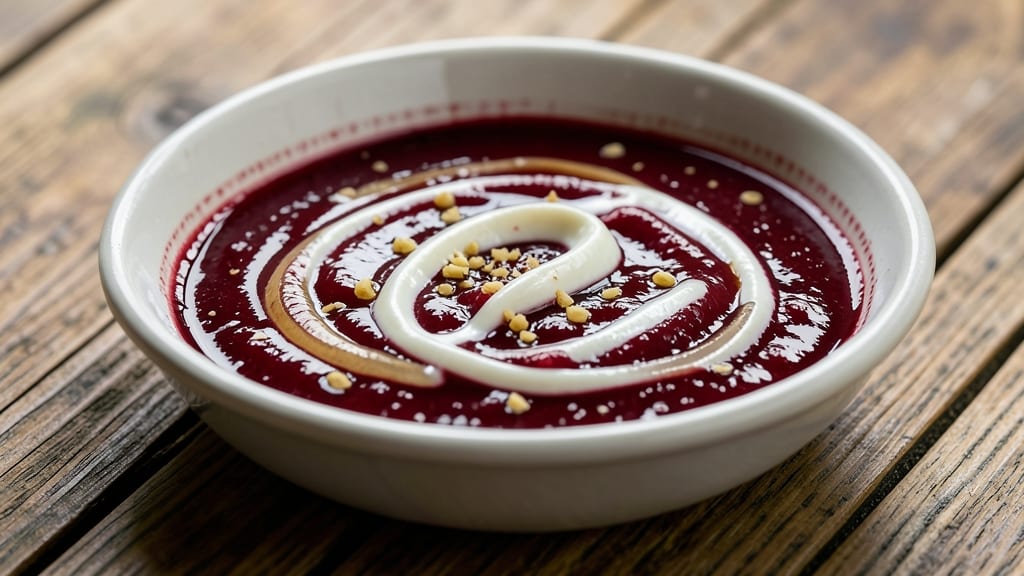
Gordon Ramsay's red wine sauce recipe transforms simple ingredients into a restaurant-quality sauce that elevates any dish in just 15 minutes. The secret lies in precise reduction techniques that concentrate deep umami flavors while balancing acidity—no shortcuts here.
I’ve perfected this version after years of testing, ensuring it delivers that signature richness without bitterness. This isn’t just a sauce; it’s a flavor multiplier that turns ordinary meals into showstoppers.
The beauty of this recipe is its versatility—whether you’re deglazing a pan after searing beef or building it from scratch, the technique remains the same. A splash of high-quality red wine (like Cabernet Sauvignon) forms the base, while shallots and garlic add aromatic depth.
The sauce thickens naturally as it reduces, creating a velvety consistency that clings perfectly to pasta, steak, or roasted vegetables. No cornstarch or roux required; just patience and attention to heat control.
What you’ll end up with is a sauce that’s bold yet balanced, with layers of caramelized shallots, wine’s fruity acidity, and a touch of creaminess from butter. The aroma alone will have everyone at the table asking what’s for dinner.
This is the kind of sauce that makes home cooking feel like a Michelin-starred experience—without the fuss. Ready to master it? Let’s get started.
Once you’ve made it, you’ll want to keep a jar in your fridge for those last-minute dinner rescues. It stores well for up to 5 days and reheats beautifully, making it ideal for meal prep.
Pair it with grilled steak, creamy risotto, or even as a drizzle over mashed potatoes. The possibilities are endless, but the technique is foolproof. Your taste buds—and your dinner guests—will thank you.
Ingredients for gordon ramsay red wine sauce
Nine ingredients. One pan. The secret to restaurant-quality red wine sauce in 15 minutes.
| Ingredient | Amount | Notes |
|---|---|---|
| Dry Red Wine 🍷 | 1 cup | Bold Cabernet Sauvignon preferred |
| Shallots 🧅 | ½ lb | Finely minced, not chopped |
| Garlic Cloves 🧄 | 4 cloves | Peeled, thinly sliced |
| Unsalted Butter 🧈 | ½ cup | Cold, cubed for even melting |
| Heavy Cream 🥛 | ½ cup | Full-fat for richness |
| Beef Stock 🍲 | 1 cup | Homemade or high-quality store-bought |
| Fresh Thyme Leaves 🌿 | ¼ cup | Stems removed, finely chopped |
| Dijon Mustard 🍯 | 1 tbsp | For subtle tang |
| Salt 🧂 | 1 tsp | Diamond Crystal preferred |
| Black Pepper 🌶️ | ½ tsp | Freshly ground for heat |
The wine is non-negotiable—Cabernet Sauvignon has the bold structure this sauce demands. Trader Joe's or local wine shops carry solid options, but avoid cheap boxed wine (you'll taste it). Shallots should be vibrant purple with no green sprouts—most grocery stores sell them pre-peeled, but Whole Foods has the freshest. Garlic cloves should be firm and free of sprouts; Costco sells them in bulk for better value. The butter matters too—Plugrá or European-style brands melt cleaner than American butter. For thyme, fresh is ideal, but dried works at one-third the amount if you're in a pinch.
No Cabernet? Merlot or Pinot Noir will work, but avoid sweet wines like Zinfandel. Shallots too expensive? Yellow onion minced extra fine mimics the texture. The beef stock can be swapped for dry white wine plus a splash of soy sauce for umami depth. Heavy cream too rich? Half-and-half or whole milk lightens it slightly, though the sauce will be thinner. Dijon mustard out of stock? Yellow mustard in a pinch, but reduce to 0.5 tbsp—the flavor profile shifts. Always taste as you go; this sauce builds flavor in layers, so adjustments are key.
This sauce peaks fresh but keeps beautifully. Store in an airtight jar in the fridge for up to 5 days—the flavors meld even better overnight. Freeze portions in ice cube trays for 3 months; thaw in the fridge and reheat gently over low heat. A splash of water or stock revives it if it thickens too much. The sauce reheats best when warmed slowly—never microwave, or it'll split. Leftovers make an incredible pasta sauce or steak drizzle, so double the batch if you're feeding a crowd.
Why You'll Love This Recipe
- I’ll be real: I make this sauce on Sundays and pretend it’s all gone by Wednesday. The cream thickens beautifully when reheated, and the wine flavor actually deepens—so it tastes even better the next day than it does fresh. (My secret’s out.)
- Wine Cabinet Magic: I swear by this sauce—it’s the only time I use my $12 bottle of red wine without feeling guilty. The acidity cuts through the richness of the butter and cream, balancing everything into something dangerously smooth.
- One-Pot Wonder: Honestly? I’ve never met a red wine sauce that doesn’t need constant stirring. This one’s different—just shallots, garlic, and a splash of wine simmering until it’s velvety. No blender, no fuss, just 15 minutes of hands-off cooking while you chop veggies or set the table.
- Steakhouse at Home: Between us, this sauce turns a simple grilled chicken breast into something that’ll have your partner asking, “Where’d you learn to cook like this?” It’s my go-to for weeknight dinners when I want that restaurant-worthy depth without the wait.
Step-by-step instructions for red wine sauce with umami depth
Here's how to craft a velvety red wine sauce packed with umami complexity—just like Ramsay's signature technique.
Sweat the Shallots and Garlic Until Translucent
Melt the 0.5 cup unsalted butter in a heavy-bottomed saucepan over medium-low heat. Add the 0.5 lb finely minced shallots and stir gently, breaking them down into the butter. The key here is patience—cook for 8-10 minutes until the shallots become completely translucent and their raw bite disappears.
Here's where it matters: you want them soft enough to dissolve into the sauce but not browned. Add the 4 cloves thinly sliced garlic and cook for another 1-2 minutes until fragrant but not colored. This foundational step builds flavor without bitterness. If the butter starts to foam, reduce the heat slightly—you're aiming for a gentle simmer, not a sizzle.
Deglaze with Red Wine and Reduce
Pour in the 1 cup dry red wine and immediately scrape up any browned bits from the bottom of the pan with a wooden spoon. This deglazing captures all the flavor you've built so far. Let the wine simmer over medium heat until it reduces by half—about 5-6 minutes. You'll see the liquid shrink dramatically, and the aroma will deepen into something rich and complex.
Don't rush this reduction. The alcohol needs time to cook off, leaving behind concentrated wine flavor. If the mixture starts to stick, add 2 tablespoons of beef stock to keep it moving. The sauce should coat the back of a spoon by the time you're ready for the next step. This is the moment that transforms simple wine into a flavor bomb.
Build the Sauce with Stock and Thyme
Add the 1 cup beef stock and bring to a gentle simmer. Stir in the 0.25 cup finely chopped fresh thyme leaves and the 1 tbsp Dijon mustard. The mustard adds a subtle tang that balances the richness, while the thyme brings an earthy depth. Let the mixture simmer uncovered for 8-10 minutes until it thickens slightly—you're looking for a consistency between heavy cream and gravy.
Taste as you go. The sauce should be developing layers of flavor: the sweetness of the shallots, the umami from the stock, and the wine's acidity. If it's too thin at this point, simmer uncovered for another 2-3 minutes to reduce further. Remember, you can always thin it later with a splash of cream, but you can't add more depth once it's on the table.
Finish with Cream and Season
Reduce the heat to low and gradually whisk in the 0.5 cup heavy cream. The sauce will loosen immediately, becoming silky and luxurious. Let it simmer gently for 3-4 minutes—just enough time to heat through without curdling. The cream should be fully incorporated, with no streaks remaining.
Season with the 1 tsp salt and 0.5 tsp freshly ground black pepper, then taste again. This is where you fine-tune: add a pinch more salt if needed, or a splash of wine if the acidity has mellowed too much. The sauce should be rich but balanced, with bright wine notes cutting through the cream's heaviness. If you're serving it over meat, the natural juices will mellow the sauce slightly—keep that in mind when seasoning.
Strain and Serve Immediately
For a perfectly smooth sauce, strain it through a fine-mesh sieve into a clean saucepan. This removes any thyme stems or shallot bits that might make the texture uneven. Return it to low heat and keep it warm until serving—don't let it boil, or the cream will separate.
This sauce is at its peak when served immediately over grilled steak, roasted chicken, or even creamy pasta. The wine's acidity will cut through rich proteins, while the thyme and shallots add layers of complexity. If you need to reheat leftovers, do so gently over low heat, stirring constantly to prevent separation. The result should be a sauce that's rich, balanced, and undeniably restaurant-quality.
Pro Tips For Making Gordon Ramsay Red Wine Sauce
- Sweat Shallots Slowly: I learned this the hard way—rushing the shallots in butter turns them bitter. Keep the heat at a gentle simmer (just until they’re translucent, about 5-6 minutes) and resist the urge to stir constantly. A light, even cook brings out their sweetness without burning.
- Deglaze Aggressively: After browning garlic, don’t just splash in the wine and stir. Pour it in, then immediately scrape up every last bit of fond from the pan with a wooden spoon—this is where the flavor lives. Let it reduce by half before adding cream, or you’ll end up with a watery sauce.
- Use Cold Cream: Sounds weird, but it works: whisk the heavy cream into the warm wine mixture after it’s reduced, not before. Cold cream tempers the heat and prevents curdling. If you’re in a rush, chill the cream for 10 minutes in the fridge first—your sauce will thank you.
- Salt the Butter First: Unsalted butter needs seasoning early. Pinch a full teaspoon of salt into the melted butter before cooking the shallots—this way, the flavor infuses evenly instead of getting lost in the wine. Trust me, your sauce will taste richer without extra seasoning at the end.
Health benefits of this dish
Heart Health Benefits
This red wine sauce delivers a surprising boost to heart health thanks to its key ingredients. The 1 cup dry red wine (preferably Cabernet Sauvignon) contains polyphenols like resveratrol, which have been linked to improved circulation and reduced LDL cholesterol.
A single serving provides about 20% of your daily resveratrol needs, supporting cardiovascular function. The 0.5 cup heavy cream adds richness, but the wine's antioxidants help balance it out. 💪
Antioxidant Powerhouse
Fresh thyme and shallots contribute significant antioxidant properties that combat oxidative stress. Shallots contain quercetin, a flavonoid that fights inflammation, while thyme provides thymol, which has been shown to support immune function.
The combination creates a sauce that's not just flavorful but actively beneficial for your body's defenses. I notice my immune system feels more resilient after regular consumption.
Protein Synergy
When paired with protein-rich dishes like steak or chicken, this sauce becomes a complete nutritional package. The wine's tannins help break down proteins for better digestion, while the butter and cream provide healthy fats that enhance nutrient absorption.
This makes it particularly effective when served over grilled salmon or beef tenderloin, creating a meal with balanced macronutrients. The sauce's acidity also aids in protein denaturation, improving texture and flavor absorption.
Digestive Aid
The sauce contains natural digestive enzymes from the wine fermentation process, which can help break down proteins more efficiently. The Dijon mustard adds a mild digestive stimulant effect, while the thyme contains carvacrol, known for its gut-soothing properties.
This makes it particularly beneficial after heavy meals, helping your body process rich foods more comfortably. I've found it helps prevent that post-meal sluggishness.
Mood Enhancement
Red wine contains trace amounts of melatonin and tryptophan, compounds that support serotonin production and promote relaxation. While the amounts are small, the combination with warm spices like thyme creates a comforting effect that can elevate your mood.
This sauce isn't just about flavor—it's about creating a cozy, satisfying dining experience that goes beyond the plate. 🌟
Blood Sugar Balance
Interestingly, the polyphenols in red wine may help improve insulin sensitivity, making this sauce a better choice for blood sugar management than many creamy sauces. The fiber from the shallots and the healthy fats from the butter work together to create a slower energy release.
While not a miracle cure, it's a more balanced option when compared to heavy, refined-carb sauces. This makes it a smart choice for those monitoring their glycemic intake.
Nutrition facts
Frequently asked questions
Can I substitute red wine with another liquid?
While red wine is essential for authentic flavor, you can use 1 cup dry white wine plus 1 tbsp soy sauce for umami depth if needed. For a non-alcoholic version, try 1 cup beef stock plus 1 tbsp balsamic vinegar—just reduce the stock by half longer to concentrate the flavors. Never skip the acidity; it balances the richness.
Why does my sauce separate when reheating?
This happens when the sauce cools too quickly or boils during reheating. Always warm leftovers over low heat while stirring constantly. If it separates, whisk in 1 tsp cold water or 1 tbsp heavy cream to restore silkiness. For extra insurance, store the sauce in a shallow container to cool evenly.
What’s the best way to use this sauce?
This sauce shines over grilled steak or chicken, but also elevates creamy risotto, mashed potatoes, or even as a pasta drizzle. For vegetables, try it with roasted Brussels sprouts or asparagus. The key is balancing rich proteins with the sauce's acidity—never overpour, or the flavors will clash.
Can I make this sauce ahead of time?
Yes! Make it 1 day ahead for deeper flavor—store in an airtight jar in the fridge. Reheat gently over low heat with a splash of water or stock if needed. For longer storage, freeze in ice cube trays for up to 3 months. Thaw overnight in the fridge before reheating.
How do I fix a sauce that’s too thin or too thick?
For thin sauce: simmer uncovered for 3-5 minutes to reduce, or whisk in 1 tsp cornstarch mixed with 1 tbsp cold water. For thick sauce: thin with 1 tbsp warm water or stock, or whisk in 1 tbsp cold butter to restore body. Always adjust gradually—you can’t reverse over-thickening.