
Sauces & Condiments
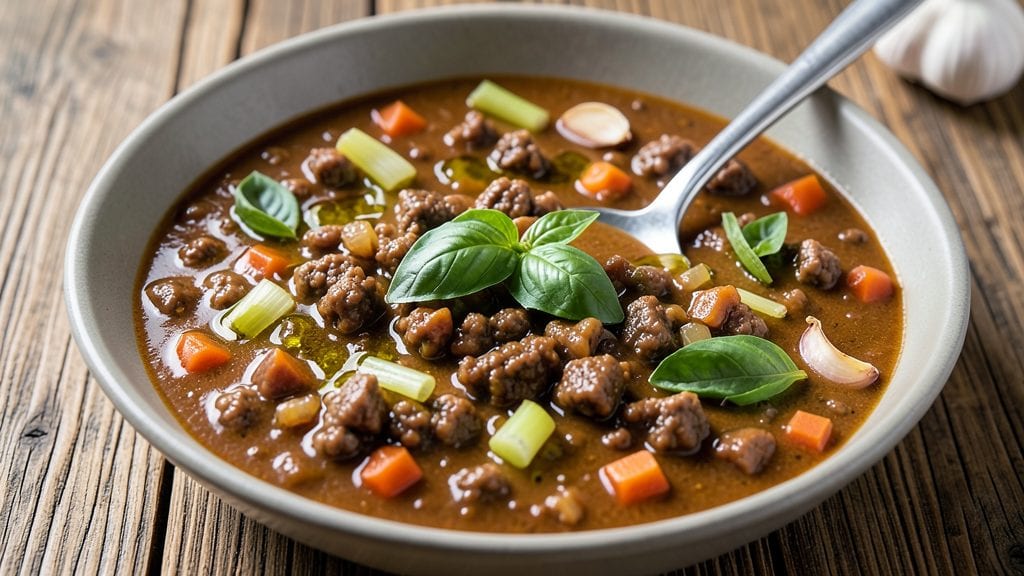
Gordon Ramsay's bolognese sauce delivers restaurant-quality depth with slow-simmered meat and rich umami flavors that transform any dish. The secret lies in proper meat browning and long, gentle cooking to develop complex layers of flavor without drying out.
I’ve recreated this technique in my kitchen, ensuring every spoonful carries that signature meaty richness and velvety texture.
This sauce starts with ground beef and pork seared to a deep brown, releasing flavors that form the foundation. Aromatic vegetables like onions, carrots, and celery create a flavor base called soffritto, while white wine deglazes the pan and adds brightness.
The sauce then simmers for hours, allowing the meat to tenderize and the flavors to meld into a perfect balance of savory and sweet.
What you’ll end up with is a sauce so rich and concentrated that just a few spoonfuls elevate pasta, lasagna, or even grilled meats. The texture is velvety yet substantial, with a depth of flavor that comes from proper technique—not shortcuts.
This isn’t just a sauce; it’s a flavor experience that rivals the best Italian restaurants.
Store it in the fridge for up to five days or freeze for months, making it perfect for meal prep. Whether you’re serving it over fresh pasta or using it as a filling for ravioli, this bolognese will impress even the most discerning palates.
Let’s get cooking with precision and patience at the forefront.
Ingredients for gordon ramsay bolognese sauce
The secret to Ramsay’s rich bolognese lies in these 15 ingredients—meaty, aromatic, and slow-simmered to perfection.
| Ingredient | Amount | Notes |
|---|---|---|
| Ground Beef 🥩 | 1 ½ lb | 80/20 fat ratio preferred |
| Ground Pork 🐖 | ¾ lb | Freshly ground, not pre-mixed |
| Yellow Onion 🧅 | 1 whole | Medium size, finely chopped |
| Carrots 🥕 | 1 whole | Medium size, diced small |
| Celery Stalks 🌿 | 2 whole | Trimmed, finely chopped |
| Garlic Cloves 🧄 | 4 cloves | Fresh, minced finely |
| Tomato Paste 🍅 | ½ cup | High-quality, no sugar added |
| Dry Red Wine 🍷 | 1 cup | Bold, like Cabernet Sauvignon |
| Beef Stock 💧 | 2 cups | Homemade or high-quality store-bought |
| Whole Milk 🥛 | ½ cup | Full-fat for creaminess |
| Extra-Virgin Olive Oil 🫒 | 2 tbsp | High-quality, fruity |
| Salt 🧂 | 1 ½ tsp | Kosher or sea salt |
| Freshly Ground Black Pepper 🌶️ | ½ tsp | Freshly cracked preferred |
| Bay Leaves 🌿 | 2 whole | Fresh if possible |
| Dried Oregano 🍃 | 1 tsp | Italian oregano preferred |
The meat is non-negotiable here. Ground beef and pork should be 80/20 fat ratio—Trader Joe's or Costco often have the best pre-ground blends. If buying whole cuts, grind them fresh at the butcher for maximum flavor. The soffritto (onion, carrot, celery) should be finely chopped—almost paste-like. Organic produce from the grocery store’s fresh section works, but don’t skimp on the garlic. Four cloves is perfect—any less and the sauce won’t have that signature depth. For the tomato paste, Bertolli or Rao's are my go-tos—they’re sugar-free and packed with flavor.
No red wine? Dry white wine or extra beef stock works in a pinch, but the acidity is key. Homemade beef stock is ideal, but Pacific Foods or Swanson brands are solid store-bought options. Fresh bay leaves are a game-changer, but dried works at half the amount. The milk adds richness—whole milk is a must—don’t use skim or almond milk. For the olive oil, California Olive Ranch or Bertolli are reliable choices. Pro tip: Toast your spices lightly in the oil before adding the meat—this wakes up their flavors.
This sauce tastes even better the next day as flavors meld. Store in an airtight container in the fridge for up to 5 days or freeze for 3 months. I like to portion it into 1-cup servings for easy reheating. When reheating, add a splash of water or stock to prevent drying out. The sauce thickens as it cools, so don’t overdo it—it’s meant to be rich, not gluey. Leftovers make incredible lasagna or pasta fillings—just add a splash of milk to loosen if needed.
Why You'll Love This Recipe
- Here’s the thing: you’re getting restaurant-quality flavor for a fraction of the cost. Ground beef and pork stretch far, and the veggies (onion, carrots, celery) are the kind of cheap staples that never go to waste. It’s comfort food that won’t break the bank.
- No-Fuss Prep: I swear by this recipe because it’s the kind of meal where you can chop the onion, dice the carrots, and hack the celery while scrolling through your phone—no fancy techniques, just a good simmer. The ground beef and pork brown together in minutes, and that’s half the battle won.
- Umami Bomb: That combo of beef and pork? Rich, deep, and impossible to resist. The slow simmer with onions, carrots, and celery builds layers of flavor—sweet from the carrots, earthy from the celery—that make every bite feel like a little victory.
- Leftovers That Shine: Between us, this sauce only gets better the next day. I make a double batch on Sundays, freeze half, and pull it out for lazy nights or when I’m too tired to cook. Reheat it, toss with pasta, and suddenly dinner is magic again.
Step-by-step instructions for slow-simmered umami bolognese
Here's how to build rich, meaty depth that rivals Gordon Ramsay's signature technique.
Sear the Meat for Maximum Flavor
Heat a large, heavy-bottomed pot over medium-high heat. Add the 2 tablespoons extra-virgin olive oil and swirl to coat the bottom evenly. Add the 1.5 pounds ground beef and 0.75 pounds ground pork, breaking it up with a wooden spoon as it hits the pan.
Let the meat brown undisturbed for 5-6 minutes until deeply golden and crispy in spots. This step is crucial—it develops the deep, caramelized flavors that form the sauce's foundation. Once the meat is well-browned, use a slotted spoon to transfer it to a plate, leaving all the rendered fats in the pot. Don't drain the fat; it's packed with flavor that will infuse your sauce.
Build the Flavor Base with Aromatics
In the same pot, reduce the heat to medium and add the 1 whole yellow onion, 1 whole carrot, and 2 whole celery stalks, all finely chopped. Cook for 8-10 minutes, stirring occasionally, until the vegetables soften and begin to caramelize. This process, called "sweating," draws out their natural sweetness and deepens their flavor.
Add the 4 cloves minced garlic and cook for another 1 minute until fragrant and just beginning to turn golden. At this point, stir in the 0.5 cup tomato paste, spreading it evenly over the vegetables. Cook for 2 minutes to toast the tomato paste slightly—this removes its raw acidity and intensifies its umami. Here's where it gets good: pour in the 1 cup dry red wine and scrape up all the browned bits from the bottom of the pot. Let it simmer for 3-4 minutes until the wine reduces by half and its alcohol burns off completely.
Simmer the Sauce Low and Slow
Return the browned meat to the pot and add the 2 cups beef stock, 1.5 teaspoons salt, 0.5 teaspoon freshly ground black pepper, 2 whole bay leaves, and 1 teaspoon dried oregano. Bring the mixture to a gentle simmer over medium-low heat. This is where patience pays off—cover the pot and let it cook for 2 hours, stirring occasionally, until the sauce thickens and the flavors meld together beautifully.
The sauce should reduce significantly, coating the back of a spoon with a velvety consistency. If it starts to dry out before the 2 hours are up, add a splash of water or beef stock to maintain moisture. This slow cooking process breaks down the meat fibers and develops that rich, complex flavor profile that defines a proper Bolognese. Real talk: don't rush this step. The longer it simmers, the deeper the flavor becomes.
Finish with Creaminess and Balance
Once the sauce has reached its ideal consistency, remove the 2 whole bay leaves and stir in the 0.5 cup whole milk. This final addition adds a luxurious creaminess that balances the richness of the meat and acidity of the tomatoes. The milk should heat through completely—about 3-5 minutes of gentle simmering—before you remove the pot from heat.
Taste the sauce and adjust the seasoning if needed. You might need a touch more salt or pepper to bring out all the flavors. The sauce should be rich, slightly sweet from the caramelized vegetables, and deeply umami from the slow-cooked meat. This is your reward for taking the time to build flavor layer by layer. Serve immediately over al dente pasta or save it for later—it only gets better with time.
Pro Tips For Making Gordon Ramsay Bolognese Sauce
- Brown the Meat Properly: Don’t just "cook" the beef and pork—get it deep brown with a crust, or you’ll end up with gray, bland sauce. Break it into small chunks first, then sear in batches over medium-high heat until the edges are dark and the juices run clear. I learned this the hard way—skipping this step makes the whole dish taste like it’s missing something.
- Dice the Veggies Small: Chop the onion, carrots, and celery into tiny, even pieces—think rice-sized, not bite-sized. This ensures they cook down evenly without turning mushy or leaving chunks in your sauce. My grandmother swore by this, and she was right: the texture becomes silky, not watery.
- Deglaze with Wine First: After browning the meat, immediately pour in the wine (or whatever liquid you’re using) and let it bubble for 2-3 minutes to lift those browned bits from the pan. Scrape the bottom with a wooden spoon—this adds depth of flavor that skipping would leave behind. (Yes, even if you’re impatient like me.)
- Simmer Low and Slow: Once everything’s combined, reduce the heat to a gentle simmer and cover the pot. Let it cook uncovered for the last 30 minutes to thicken—this isn’t the time to rush. After burning three batches, I finally figured out that patience here makes all the difference in the final texture.
Troubleshooting this recipe
Meat Not Browning Properly
If your meat isn’t browning to a deep golden crust, your heat is likely too low or the pan isn’t hot enough.
Use a heavy-bottomed Dutch oven or cast-iron skillet (I love my Lodge 10-inch) and heat it over medium-high to high heat for 5-7 minutes before adding the meat. Break the meat into pea-sized pieces—larger chunks won’t sear evenly.
If your stove struggles with high heat, try preheating the pan for an extra 2 minutes before adding oil. 🔥
Sauce Too Thin or Watery
A thin sauce usually means the liquid wasn’t reduced enough. After simmering for 2 hours, if it’s still loose, uncover the pot and cook it uncovered on medium-low heat for another 15-20 minutes, stirring occasionally.
For extra thickness, stir in 1 tablespoon tomato paste or 1 teaspoon cornstarch mixed with 2 tablespoons cold water. Avoid adding too much—this sauce should coat the back of a spoon but still be silky, not gluey.
Raw or Undercooked Meat
Ground meat can hide uneven cooking, so always check the internal temperature with an instant-read thermometer. It should reach at least 160°F (165°F for pork). If your sauce tastes underdone, return it to a simmer and cook for another 10-15 minutes, stirring occasionally.
For extra safety, use a meat thermometer like the Thermoworks Smoke—it’s my go-to for precision. Never skip this step, even if the sauce looks done.
Sauce Too Acidic or Winey
If the wine or tomato paste overpowers the meat, balance it with sweetness or umami. Add 1 tablespoon honey or 1 teaspoon brown sugar to mellow the acidity. For depth, stir in 1 teaspoon soy sauce or ½ teaspoon balsamic vinegar to enhance the meaty flavors.
Taste as you go—this sauce should be rich and savory, not sharp. A splash of whole milk (like in Step 4) also helps smooth out harsh flavors.
Vegetables Burning Before Softening
If your onions, carrots, or celery burn before they soften, you’re cooking them too hot. Reduce the heat to medium and stir more frequently (every 2-3 minutes). For even cooking, chop the vegetables into uniform, small pieces—about ¼-inch dice.
If they start to brown too quickly, add 1-2 tablespoons water to the pot and cover for 2-3 minutes to steam them gently. Patience here prevents bitterness and ensures a sweet, caramelized base. 🌿
Sauce Separates or Splits
This happens when fat and liquid don’t emulsify properly, often due to rapid temperature changes. If your sauce looks oily or curdled, whisk in 1 tablespoon cold water or 1 teaspoon cornstarch slurry while stirring vigorously. For prevention, keep the heat consistently low (never boiling) and stir occasionally.
If using milk at the end, heat it gradually—don’t dump it in cold. A handheld immersion blender can also help re-emulsify separated sauces in a pinch.
Nutrition facts
Frequently asked questions
Why does Gordon Ramsay's Bolognese sauce need both beef and pork?
The combination of beef and pork creates a perfect balance of flavors and textures. Beef adds deep, rich umami while pork contributes juiciness and a slightly sweeter note. This meaty duo simmers into a sauce that's both hearty and velvety—never dry or overly gamey.
Can I make this sauce in a slow cooker?
Brown the meat and aromatics in a skillet first, then transfer everything to your slow cooker. Use the low setting for 6-8 hours instead of 2 hours on the stove. The slow cooker's gentle heat will develop the flavors beautifully, though you may need to add ½ cup extra stock to prevent drying out.
What's the best way to store leftovers?
Let the sauce cool completely, then transfer to an airtight container. It keeps in the fridge for up to 5 days or freezes for 3 months. For reheating, warm gently on the stove with a splash of water or stock—never microwave directly from frozen. The flavors actually improve overnight!
How do I know when the meat is fully cooked?
Use an instant-read thermometer to check the internal temperature—it should reach 160°F (165°F for pork). If you don't have one, look for visual cues: the meat should be uniformly brown with no pink centers. For extra safety, simmer an additional 5 minutes after removing from heat.
Can I substitute wine with something else?
Yes, but the acidity is key. Use 1 cup dry white wine or 1 cup beef stock + 1 tablespoon red wine vinegar for brightness. Avoid non-alcoholic substitutes—they lack the depth that wine provides. If using stock, reduce it by half first to concentrate the flavors.