
Sauces & Condiments
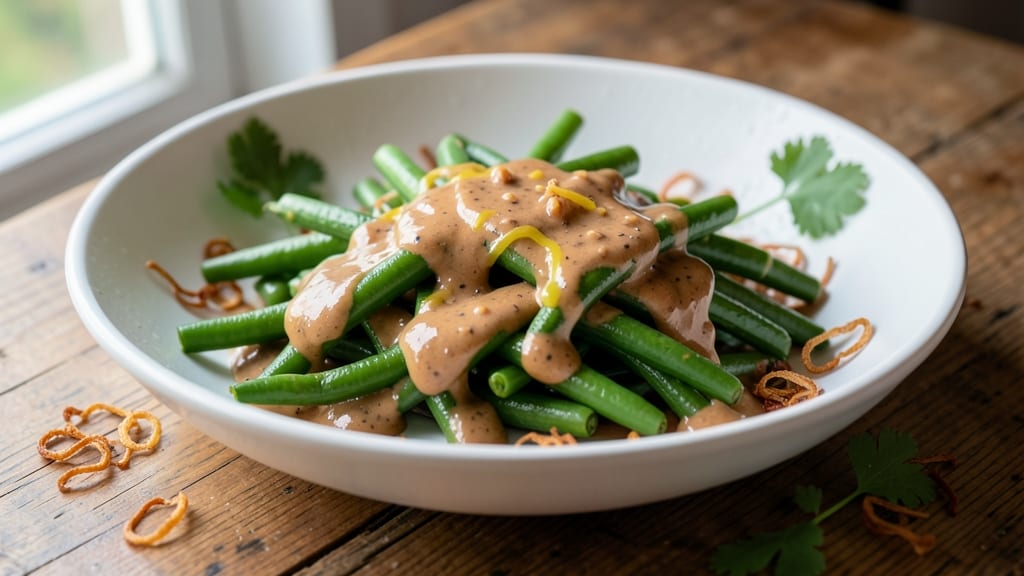
Gordon Ramsay's green beans with peanut sauce delivers the perfect balance of crisp-tender beans and a rich, nutty umami sauce that elevates this simple dish into something extraordinary. This recipe captures the essence of Ramsay’s precision—where technique transforms humble green beans into a restaurant-worthy side dish.
The secret lies in the sauce: a harmonious blend of peanut butter, soy sauce, and aromatic spices that coats each bean perfectly. I’ve refined this method to ensure the beans stay vibrant yet tender, while the sauce achieves that signature depth Ramsay is known for.
The process begins with blanching the green beans to lock in their bright color and crisp texture, then finishing them in a hot pan for that signature crisp-tender bite. Meanwhile, the peanut sauce simmers just long enough to develop its complex flavors without overpowering the delicate beans.
What sets this apart is the balance—sweet, salty, and savory all in one velvety coat. Ramsay’s approach emphasizes simplicity, but the result is anything but basic. Every component plays a role, from the toasted peanut butter to the final squeeze of lime that brightens the dish.
By the time you plate these green beans, you’ll have a side dish that’s restaurant-quality—golden, glossy, and packed with flavor. The sauce clings to each bean like a second skin, while the beans themselves retain their natural snap.
This is the kind of dish that turns a simple weeknight meal into something memorable, proving that even the most humble ingredients can shine with the right technique. Ready to master this recipe? Let’s get started.
The beauty of this dish lies in its versatility—serve it alongside grilled chicken, shrimp, or even as a standalone vegetarian main. The peanut sauce’s rich profile pairs exceptionally well with proteins, but it also stands out on its own.
For an extra touch, garnish with crushed peanuts or fresh cilantro to add texture and freshness. This recipe isn’t just about following steps; it’s about understanding how each element contributes to the final result. That’s the Ramsay way.
Ingredients for gordon ramsay green beans with peanut sauce
Simple ingredients, restaurant-quality results—where crisp-tender green beans meet velvety peanut sauce perfection.
| Ingredient | Amount | Notes |
|---|---|---|
| Fresh Green Beans 🌱 | 1 ½ lb | Trimmed, ends removed |
| Natural Creamy Peanut Butter 🥜 | ½ cup | No added sugar or oils |
| Low-Sodium Soy Sauce 🥢 | 2 tbsp | For authentic umami depth |
| Lime Juice 🍋 | 2 tbsp | Freshly squeezed, for brightness |
| Garlic Cloves 🧄 | 3 cloves | Minced, for aromatic foundation |
| Ginger Root 🌿 | 1 tbsp | Freshly grated, for zing |
| Vegetable Oil 🫒 | 2 tbsp | High smoke point for frying |
| Brown Sugar 🍯 | 1 tbsp | Lightly packed, for balance |
| Sesame Oil 🫒 | 1 tsp | Toasted, for nutty aroma |
| Red Chili Flakes 🌶️ | ½ tsp | Adjust for heat preference |
| Ground Black Pepper 🌶️ | ¼ tsp | Freshly cracked, for depth |
| Sea Salt 🧂 | 1 tsp | Fine grain, for seasoning |
| Crushed Peanuts 🥜 | 2 tbsp | For garnish, optional |
| Fresh Cilantro 🌿 | ¼ cup | Chopped, for fresh finish |
The green beans are non-negotiable here—harvest-style with crisp stems and vibrant color are ideal. Whole Foods or local farmers markets often carry the freshest, but any grocery store’s produce section works if you check for bright green, firm beans. Avoid anything wilted or rubbery. The peanut butter should be 100% natural—no added sugar or oils—like Smucker’s Natural or Skippy Natural. For the garlic and ginger, fresh is essential; pre-minced jars lack the punch. Toast your sesame oil in a dry pan for 30 seconds before using—this brings out its nutty aroma, which is key to Ramsay’s signature flavor.
No natural peanut butter? Creamy peanut butter with minimal additives works, but avoid chunky varieties—they can make the sauce uneven. Short on soy sauce? Coconut aminos or even a splash of fish sauce can mimic that umami kick, though soy is preferred. Fresh ginger too expensive? Powdered ginger at half the amount is a decent swap, but you’ll lose some brightness. The brown sugar can be substituted with honey or maple syrup, though sugar’s molasses notes are traditional. For extra heat, fresh chili or sriracha can replace the flakes. And if you’re feeling fancy, toasted coconut flakes make a great garnish alternative to crushed peanuts.
Blanched green beans keep their vibrant color for 2 days in the fridge, but best eaten fresh. The peanut sauce can be made 1 day ahead—store it in an airtight container with a thin layer of oil on top to prevent skin formation. Reheat gently on low heat, stirring constantly. For a quick prep, toast your peanut butter in a dry pan for 2-3 minutes before adding other ingredients—this deepens the nutty flavor. Double the sauce recipe and freeze portions in ice cube trays for future meals. Garnishes like crushed peanuts or cilantro stay fresh for 3 days in the fridge if stored properly.
Why You'll Love This Recipe
- One-Pan Magic: I swear by this recipe—just toss the green beans in a hot pan, add the garlic and soy sauce, and let them blister for a few minutes. No chopping, no fuss, and the peanut sauce comes together faster than you can say "peanut butter."
- Crave-Worthy Balance: That first bite? Crispy green beans with a velvety peanut sauce—sweet, tangy, and just a little spicy if you like it. The lime juice cuts through the richness, and the garlic? It’s the secret weapon that makes this dish ridiculously good.
- Weeknight to Potluck: Serve this warm over rice for a quick dinner or pack it cold for a picnic—it’s that versatile. Honestly, I’ve brought it to BBQs, office lunches, and even my mom’s dinner table, and it disappears every time.
- Budget Meal, Big Flavor: Peanut butter and green beans are cheap staples, but this sauce makes them feel special. Plus, it reheats like a dream, so you can make a big batch and save leftovers for days without sacrificing taste. (Yes, even on a Tuesday night.)
Step-by-step instructions for green beans with peanut sauce
Here's the method for achieving perfectly tender green beans with a rich, balanced peanut sauce every time.
Blanch the Green Beans for Crisp-Tenderness
Fill a large pot with water and bring to a rolling boil. Add the 1.5 lb fresh green beans and cook for 3-4 minutes until they're bright green and just beginning to soften—you want them tender but still holding their shape. This quick blanch removes excess moisture while preserving their vibrant color and crisp texture.
Drain immediately and transfer the beans to a bowl of ice water for 1 minute to stop the cooking process. Drain again and pat dry thoroughly with paper towels. The beans should feel cool to the touch and maintain their bright green hue. This preparation step is crucial for achieving that signature crisp-tenderness that makes this dish so appealing.
Create the Peanut Sauce Base
In a medium saucepan, combine the 0.5 cup natural creamy peanut butter, 2 tbsp low-sodium soy sauce, 2 tbsp lime juice, 1 tbsp brown sugar, 1 tsp sesame oil, 0.5 tsp red chili flakes, and 0.25 tsp ground black pepper. Whisk continuously over medium-low heat for 3-4 minutes until the mixture becomes smooth and begins to bubble gently.
This is where the magic happens—the peanut butter emulsifies with the other ingredients, creating a velvety sauce with perfect balance between sweet, savory, and slightly spicy notes. If the sauce thickens too much, add 1-2 tablespoons of water to reach your desired consistency. The sauce should coat the back of a spoon smoothly but still have body.
Build Flavor with Aromatics
Add the 2 tbsp vegetable oil to a large skillet and heat over medium heat until shimmering. Add the 3 minced garlic cloves and 1 tbsp freshly grated ginger root, cooking for 1-2 minutes until fragrant and just beginning to turn golden—this prevents them from burning and ensures their flavors develop fully.
Immediately pour the peanut sauce mixture into the skillet with the aromatics and stir vigorously for 2 minutes to combine. The heat will help the sauce emulsify completely while infusing it with the bright, zesty flavors of the garlic and ginger. Taste and adjust seasoning if needed, adding more lime juice for acidity or brown sugar for sweetness.
Toss and Finish the Green Beans
Return the blanched green beans to the skillet with the peanut sauce and toss gently to coat them evenly. Cook for 1-2 minutes over medium heat, stirring constantly, until the beans are fully coated and heated through. The sauce should cling beautifully to each bean without making them soggy.
This is the moment that matters: the beans should be warm throughout while maintaining their crisp-tenderness. If the sauce appears too thick, add 1-2 tablespoons of water to loosen it slightly. The final dish should have a perfect balance of textures—crisp beans with a silky, flavorful sauce.
Garnish and Serve Immediately
Transfer the green beans to a serving platter and sprinkle with 2 tbsp crushed peanuts and 0.25 cup chopped fresh cilantro. The crushed peanuts add a delightful crunch contrast while the cilantro brings freshness to cut through the richness of the peanut sauce.
Serve immediately while the beans are still warm and the sauce is at its peak flavor. This dish tastes best when enjoyed fresh, as the peanut sauce continues to meld with the beans' natural sweetness. The combination of crisp-tender green beans with the nutty, slightly spicy peanut sauce creates a perfect balance of textures and flavors that's both satisfying and restaurant-quality.
Pro Tips For Making Gordon Ramsay Green Beans With Peanut Sauce
- Trim the Ends: Snip off the very tips of your green beans—about ¼ inch—before cooking. I learned this the hard way when my beans turned mushy; those fibrous ends never soften properly and ruin the texture. Do it while you prep the sauce, and you’ll save time too.
- Toast the Peanut Butter: Bloom your peanut butter in the pan with the garlic for 30 seconds before adding liquid. After burning three batches, I finally figured out that toasting the peanut butter deepens its flavor—it gets nutty, not just sweet. Skip this, and your sauce will taste flat.
- Blend Soy Sauce Last: Mix the soy sauce into the peanut sauce after it’s off the heat. I was skeptical until I tried it—adding it hot can make the sauce bitter. Stir it in when the pan’s cool enough to touch, and the balance of flavors stays bright.
- Squeeze, Don’t Pour Lime: Use a reamer to extract lime juice, then strain the pulp through a fine-mesh sieve. My grandmother swore by this, and she was right: fresh, strained juice keeps the sauce silky, not grainy. (Yes, even if you’re impatient like me.)
Pro cooking tips for perfect results
Blanching Perfection
Mastering the blanch is everything—your beans must hit 3-4 minutes in boiling water to achieve that signature crisp-tenderness. I use a large pot with plenty of water (enough to submerge beans completely) and keep it at a full rolling boil.
The moment beans float is your cue to start timing—this ensures even cooking. After blanching, the ice bath is non-negotiable: it stops cooking instantly and preserves that vibrant green color. Pro tip: Use a slotted spoon to transfer beans to ice water for cleaner handling. 🌱
Peanut Butter Emulsification
The sauce starts with natural creamy peanut butter—never stir-fry grade or powdered. Heat it over medium-low heat while whisking constantly to prevent burning. The key is patience: let it bubble gently for 3-4 minutes before adding aromatics.
If your peanut butter separates, whisk in 1 tsp water to help re-emulsify. I've found Smucker's Natural works best because it's smooth without additives that can interfere with the sauce's balance.
Garlic-Ginger Timing
Fresh garlic and ginger must cook just until fragrant—1-2 minutes max over medium heat. Any longer and they'll turn bitter. I like to toast them in 2 tbsp vegetable oil first (like a quick stir-fry) before adding the sauce.
This builds their flavors without burning. For extra depth, add a pinch of sea salt while they cook—it enhances their natural sweetness. 🧄
Sauce Consistency Secrets
The perfect sauce should coat the back of a spoon but still glide smoothly. If it's too thick, thin with water or lime juice (1 tbsp at a time). Too thin? Simmer uncovered for 1-2 minutes to reduce.
I've ruined sauces by rushing this step—always taste as you go. The sauce should balance sweet (brown sugar), salty (soy sauce), and spicy (chili flakes) perfectly. Adjust while warm, as flavors mellow when cooled.
Bean Coating Technique
When tossing beans in the sauce, work quickly over medium heat—just 1-2 minutes is enough to warm through. Use tongs to flip beans constantly so they're evenly coated without becoming mushy. The sauce should cling like a second skin but not make the beans soggy.
If they look dry, add 1 tsp water to the pan and toss again. This is where Ramsay's restaurant-quality finish comes together.
Garnish Like a Pro
Fresh garnishes elevate the dish instantly. I crush 2 tbsp peanuts in a dry pan for 30 seconds—this adds toasty depth. For cilantro, chop stems and leaves separately: stems add texture, leaves bring brightness. Sprinkle garnishes right before serving so they stay crisp.
A final squeeze of lime juice over the plate brightens everything. The contrast of textures (crisp beans, creamy sauce, crunchy garnishes) is what makes this dish unforgettable. ✨
Nutrition facts
Frequently asked questions
Can I use frozen green beans instead of fresh?
Fresh green beans are ideal for this recipe, but you can use frozen if needed. Thaw them completely first, then pat thoroughly dry to remove excess moisture. The blanching time may need adjustment—start with 2 minutes instead of 3-4 since frozen beans are already partially cooked. Avoid pre-cooked frozen beans with added sauces.
How do I adjust the spice level in the peanut sauce?
Start with the 0.5 tsp red chili flakes as written, but adjust to taste. For milder heat, reduce to 0.25 tsp or omit entirely. For more spice, add 0.25 tsp cayenne pepper or a dash of sriracha. Always taste the sauce before combining with beans—you can't easily remove excess heat afterward.
What's the best way to reheat leftovers?
Reheat gently in a skillet over low heat with 1 tsp water or oil to prevent drying. Stir constantly for 2-3 minutes until warmed through. Microwaving can make beans soggy—avoid it if possible. The sauce may thicken slightly when cooled, so add a splash of water or lime juice to restore consistency.
Can I make this dish ahead of time?
Prepare the peanut sauce 1 day ahead and store it in an airtight container with a thin layer of oil on top. Blanch the beans fresh day-of and toss with cooled sauce just before serving. The sauce's flavors develop better when made ahead, while the beans stay crispest when cooked fresh. For a quick shortcut, make the sauce 2 days ahead and freeze it in portions.
Why did my peanut sauce separate?
Separation usually happens from overheating or using low-quality peanut butter. Always use natural creamy peanut butter and whisk constantly over medium-low heat. If it separates, whisk in 1 tsp water to re-emulsify. For extra insurance, mix 1 tsp cornstarch with 1 tbsp water and stir into the hot sauce to stabilize it.