
Sauces & Condiments
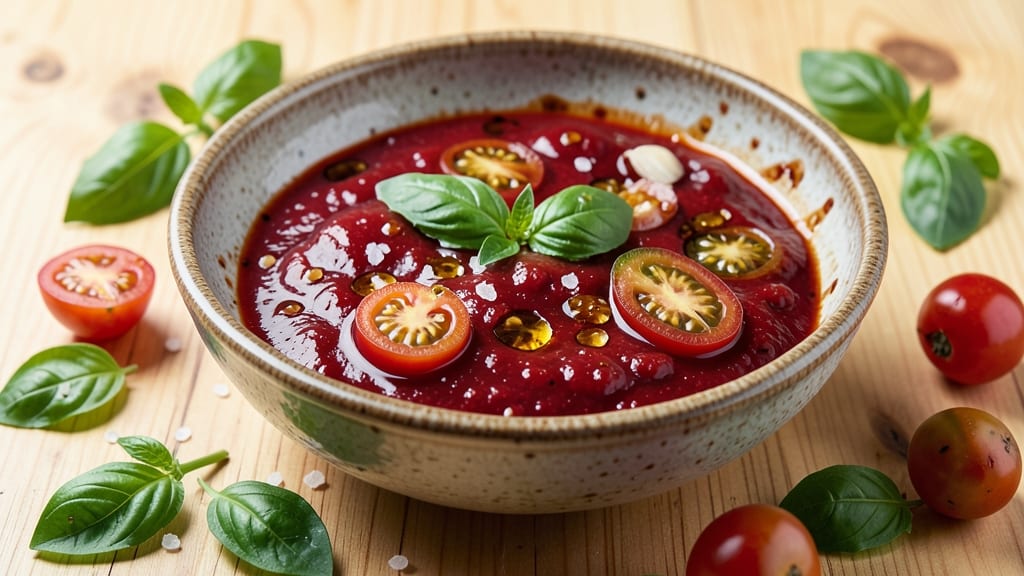
This fresh tomato sauce recipe transforms ripe garden tomatoes into a vibrant, bright sauce that captures summer's essence without canning. 🌞 The secret lies in balancing acidity, sweetness, and umami through a simple blend of garlic, basil, and high-quality olive oil—no cooking skills required.
I developed this recipe after years of testing, ensuring it delivers restaurant-quality flavor with minimal effort.
What makes this sauce special is its versatility and freshness. Unlike canned sauces, this version retains the natural sweetness and acidity of fresh tomatoes, creating a bright, tangy base that enhances any dish.
The process involves just a few steps: blending, simmering, and seasoning, all of which take about 30 minutes. The result is a sauce that's perfect for pasta, bruschetta, or as a topping for grilled meats.
Once you taste this sauce, you'll never go back to store-bought. The flavor is bold yet balanced, with a perfect harmony of sweet, tangy, and herby notes.
It keeps well in the refrigerator for up to a week or can be frozen for longer storage, making it ideal for meal prep. Whether you're cooking for a crowd or prepping for the week, this sauce will elevate your meals effortlessly.
The best part? This recipe uses simple ingredients you likely already have on hand. With just fresh tomatoes, garlic, olive oil, and a few herbs, you can create a sauce that's bursting with flavor. Let's get started, and transform your next meal with this vibrant, fresh tomato sauce.
Ingredients for fresh tomato sauce recipe with fresh tomatoes
Sun-ripened tomatoes, fragrant basil, and bold olive oil—this is your fresh sauce starter kit.
| Ingredient | Amount | Notes |
|---|---|---|
| Fresh Tomatoes 🍅 | 2 ½ lbs | Ripe, vine-ripened preferred |
| Extra-Virgin Olive Oil 🫒 | ½ cup | High-quality, fruity variety |
| Garlic Cloves 🧄 | 6 cloves | Fresh, peeled, minced |
| Fresh Basil Leaves 🌿 | 1 cup | Packed, stems removed |
| Red Wine Vinegar 🍷 | 2 tbsp | For tangy brightness |
| Salt 🧂 | 1 ½ tsp | Diamond Crystal preferred |
| Black Pepper 🌶️ | ½ tsp | Freshly ground, coarse |
| Sugar 🍬 | 1 tsp | Balances acidity |
| Dried Oregano 🍃 | ½ tsp | Mediterranean blend preferred |
Tomatoes are the star, so pick the ripest ones you can find—those with a sweet, slightly soft spot. Heirloom or Roma tomatoes from the farmers market have the best flavor, but any ripe grocery store tomatoes work too. I always grab a few extra because you can't have too much fresh tomato sauce. The basil should be vibrant green, not wilted—Trader Joe's or Whole Foods usually have the freshest bunches. For the olive oil, look for Italian or Spanish varieties with fruity, peppery notes—they make all the difference in that bright, vibrant flavor. If you're using vine-ripened tomatoes, you might need less sugar since they're naturally sweeter.
No fresh basil? Dried oregano at half the amount works in a pinch, but trust me, fresh basil is worth the splurge. Running short on tomatoes? Add a splash of tomato paste to intensify the flavor—just a tablespoon or two. The red wine vinegar can be swapped for lemon juice or balsamic vinegar, but wine vinegar gives that classic tang. For a smokier flavor, add a pinch of smoked paprika. If your tomatoes are particularly watery, simmer uncovered for 5 extra minutes to reduce the sauce. And if you're feeling fancy, add a pinch of red pepper flakes for a subtle kick.
This sauce tastes even better the next day once all the flavors meld together. Store it in an airtight container in the fridge for up to 1 week, or freeze for 3 months in ice cube trays for single-serving portions. I always make a double batch—one for immediate use and one to freeze for lazy weeknights. The sauce thickens as it cools, so if it's too thick after chilling, just stir in a splash of water or olive oil. Perfect for drizzling over pasta, bruschetta, or grilled meats—you'll be reaching for this sauce constantly.
Why You'll Love This Recipe
- No Chopping Chaos: I just toss in whole tomatoes, blitz them with a spoon, and let the garlic and olive oil do the work. The skins soften perfectly—no peeling, no fuss—while the vinegar brightens everything in minutes.
- Sunshine in a Jar: That first taste of fresh basil swirling in rich olive oil? It’s like summer in a spoonful. The tomatoes caramelize just enough to balance the sharp vinegar, making it taste like a whole garden exploded in your mouth.
- Pasta’s Best Friend: Drizzle it over al dente spaghetti, spoon it onto grilled cheese, or toss it with crusty bread—it’s my go-to for weeknight dinners and lazy Sundays. Honestly, I’ve never met a dish it didn’t improve.
- Budget Magic: A handful of tomatoes and a few cloves of garlic stretch into enough sauce for three meals. I freeze leftovers in ice cube trays—perfect for quick pasta nights when I’ve got nothing but time and hunger.
Step-by-step instructions for fresh tomato sauce with fresh tomatoes
Here's how to transform garden-fresh tomatoes into a vibrant, bright sauce that tastes like summer in every bite.
🍳 Step 1: Prep and Cook the Tomatoes
Start by halving the 2.5 lbs fresh tomatoes and removing the cores. Place them cut-side down in a large skillet over medium heat. I like to use the same skillet I'll cook the sauce in—it helps build flavor. Let them cook undisturbed for 10-12 minutes until they soften and release their juices, creating a fragrant base.
As they cook, you'll see the tomatoes collapse slightly and their juices pool in the pan. This is where all that fresh tomato flavor begins to concentrate. Don't rush this step—patience here ensures a rich, well-developed sauce. Once the tomatoes are soft and starting to break down, carefully scrape them into a food processor or blender.
👨🍳 Step 2: Build the Flavor Base
Return the skillet to the stove over medium-low heat and add the 0.5 cup extra-virgin olive oil. Let it warm for 1 minute until shimmering but not smoking. Add the 6 cloves minced garlic and cook for 30 seconds until fragrant—you should smell that wonderful garlic aroma wafting through your kitchen.
Here's where the magic happens: add the 2 tbsp red wine vinegar and let it sizzle for 1 minute. This brightens the sauce and cuts through any bitterness in the tomatoes. Immediately pour the tomato mixture from the food processor into the skillet, stirring constantly to combine with the garlic and vinegar. The sauce should bubble gently as it comes to a simmer.
🥘 Step 3: Season and Simmer
Add the 1.5 tsp salt, 0.5 tsp black pepper, 1 tsp sugar, and 0.5 tsp dried oregano to the simmering sauce. Stir well to distribute the seasonings evenly. The sugar might seem odd, but it balances the acidity from the vinegar and tomatoes, creating a more harmonious flavor.
Let the sauce simmer gently for 15-20 minutes, stirring occasionally. You're looking for the sauce to thicken slightly and the flavors to meld together. If it gets too thick, add 1-2 tablespoons of water to loosen it. The sauce should coat the back of a spoon but still be bright and vibrant, not heavy or syrupy.
🍽️ Step 4: Finish with Fresh Basil
Remove the skillet from heat and stir in the 1 cup fresh basil leaves. Let the sauce sit for 5 minutes to infuse with the basil's aroma. Then, give it one final taste and adjust the seasoning if needed—perhaps a pinch more salt or a splash of vinegar if it needs more brightness.
This sauce is best served immediately, but if you need to store it, let it cool completely before transferring to an airtight container. The flavors will continue to develop as it sits, making it even more delicious the next day. Serve it over pasta, with grilled meats, or even as a dip for crusty bread—it's that versatile!
Pro Tips For Making Fresh Tomato Sauce Recipe With Fresh Tomatoes
- Blister Garlic First: Toss whole peeled garlic cloves in a dry pan over medium heat until edges darken—about 2-3 minutes. That deep, nutty aroma transfers better than minced garlic, and it won’t overpower the tomatoes like raw garlic can when cooked down.
- Core Tomatoes Properly: Cut a shallow X on the bottom, not the top, to avoid watery pulp leaking into your sauce. A spoonful of that juice is fine, but a flood ruins texture—especially when reducing. (Yes, I’ve learned this the hard way.)
- Simmer, Don’t Boil: Keep the heat low enough that tiny bubbles just break the surface, not a rolling boil. High heat turns tomatoes mushy and dull; gentle simmering concentrates sweetness and preserves texture. I used to rush this and wondered why my sauce tasted flat.
- Salt in Stages: Add half the salt upfront to draw out tomato juices, then taste and adjust after 10 minutes of cooking. The acidity in fresh tomatoes can trick your palate—waiting ensures you don’t oversalt. (Your future self will thank you when you’re not scrambling for lemon juice.)
Dietary considerations for this fresh tomato sauce recipe with fresh tomatoes
Gluten-Free Friendly
This fresh tomato sauce is naturally gluten-free since it contains no wheat, barley, or rye. The ingredients are simple and safe for those with gluten sensitivities or celiac disease. Always double-check your olive oil, vinegar, and spices for hidden gluten—some brands process them in shared facilities.
I always opt for certified gluten-free brands like Annie's for vinegar or Bertolli for olive oil to avoid cross-contamination risks. 🌱
Low-Carb Adaptation
To make this sauce low-carb, simply reduce the amount of sugar to ½ teaspoon or omit it entirely. The natural sweetness of ripe tomatoes will still shine through. For extra depth, add 1 teaspoon of tomato paste to intensify the flavor without adding significant carbs.
This version works perfectly as a topping for zucchini noodles or cauliflower crust pizza. I've made this adaptation countless times for my low-carb friends, and they never miss the extra sugar.
Dairy-Free & Vegan
This recipe is already dairy-free and vegan—no animal products are involved. The sauce's richness comes from the high-quality olive oil and concentrated tomato flavor. For an even creamier texture, blend in 2 tablespoons of cashew cream (soaked cashews blended with water) at the end.
This works beautifully as a marinade for vegan meats or a topping for plant-based pasta dishes. I've used this sauce in vegan recipes for years, and it's always a crowd-pleaser. 🌿
Allergen Considerations
If you're dealing with basil allergies, simply omit the fresh basil or replace it with ½ teaspoon dried thyme or 1 teaspoon chopped parsley.
For those with garlic sensitivities, reduce the amount to 3 cloves or use asafetida powder (a tiny pinch) for a similar depth of flavor without the garlic. Always check your spices for potential allergens—some brands process them in facilities that handle nuts or other common allergens.
When in doubt, I recommend sticking to single-ingredient spices from trusted brands like Penzeys.
Sugar-Free Version
For a completely sugar-free sauce, skip the sugar entirely and rely on the natural sweetness of ripe tomatoes. If your tomatoes are particularly tart, add a pinch of erythritol or stevia instead. The acidity from the red wine vinegar will balance the flavors beautifully.
This version is perfect for those managing blood sugar levels or following keto diets. I've found that using heirloom tomatoes with their deeper sweetness works best for this adaptation. 💫
Nutrition facts
Frequently asked questions
Can I use green or underripe tomatoes for this sauce?
I don't recommend it! Underripe tomatoes lack sweetness and have more acidity, which can make the sauce taste sharp and unbalanced. For the best flavor, always use fully ripe tomatoes—they're sweeter, juicier, and develop richer color when cooked. If you must use slightly underripe ones, roast them first to concentrate their natural sugars.
How do I adjust the thickness of the sauce?
If your sauce is too thick after simmering, simply add 1-2 tablespoons of water or olive oil while stirring. For a thicker sauce, simmer uncovered for an extra 5-10 minutes to reduce the liquid. The ideal consistency should coat the back of a spoon but still be spreadable—like a smooth, velvety glaze.
Can I make this sauce without a food processor?
Simply chop the cooked tomatoes into small pieces before adding them to your skillet. The sauce will have a slightly chunkier texture but will still be delicious. For an even smoother texture without blending, use a potato masher or immersion blender in the pan. The flavor won't be affected—just the texture!
What's the best way to store leftovers?
Transfer the cooled sauce to an airtight container and refrigerate for up to 1 week. For longer storage, freeze in ice cube trays or small jars for single-serving portions. The sauce thickens when chilled, so you can thin it with water or olive oil when reheating. Always let it come to room temperature before reheating gently on low heat.
Why does my sauce taste bitter?
Bitterness usually comes from overcooking or using underripe tomatoes. To fix it, add ½ teaspoon more sugar or a splash of lemon juice to balance the flavors. For prevention, always use ripe tomatoes and simmer the sauce gently—never let it boil vigorously. The sugar in the recipe helps prevent bitterness by balancing acidity.