
Sauces & Condiments
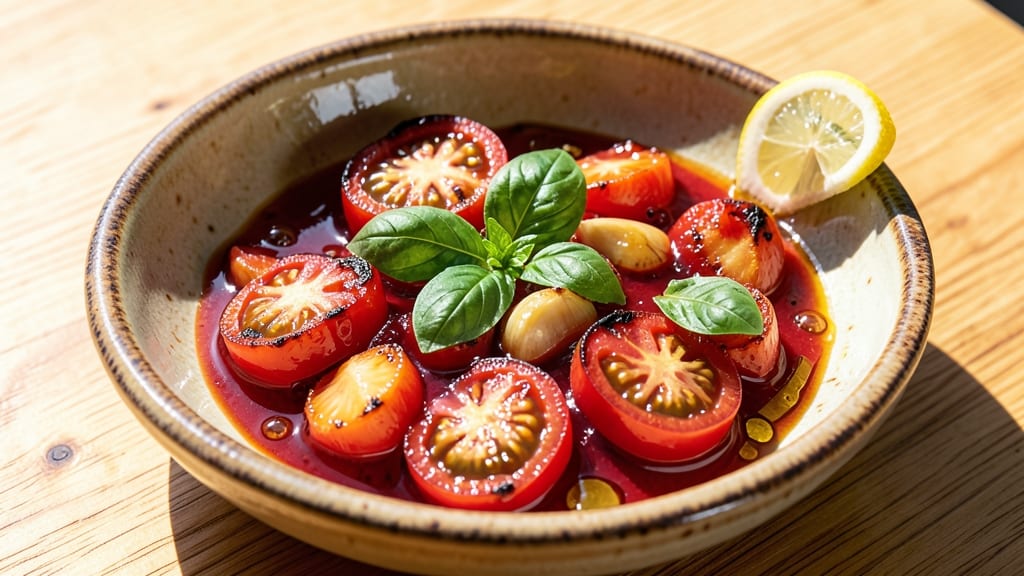
This fresh tomatoes marinara sauce recipe transforms summer's best produce into a vibrant, herb-finished sauce that tastes like a sun-drenched Italian garden. The secret lies in balancing ripe tomatoes with bright acidity—just a splash of lemon and a touch of vinegar preserve that fresh flavor while simmering.
I developed this after years of testing store-bought versions that always fell short of homemade quality, and it's now my go-to for everything from pasta to pizza nights.
The beauty of this sauce is its versatility—it works equally well as a quick weeknight dinner base or a meal-prep staple that keeps beautifully in the fridge for up to 5 days.
We start with fresh tomatoes (no canned substitutes here) that we simmer gently to preserve their natural sweetness, then finish with fresh basil and a pinch of red pepper flakes for that authentic Italian brightness.
The texture is smooth yet vibrant, with just enough body to cling perfectly to noodles or crust.
What makes this marinara truly special is that fresh herb finish—no dried spices here. The combination of fresh basil, garlic, and a touch of oregano creates layers of flavor that dried blends simply can't match.
This sauce delivers that restaurant-quality taste you crave without the fuss of long simmering times or complicated techniques. It's the kind of sauce that transforms simple meals into something extraordinary with just a few minutes of prep.
Perfect for drizzling over fresh pasta, topping homemade pizza, or serving as a dipping sauce for crusty bread. The bright acidity and fresh herbs make it especially refreshing in summer, but it's hearty enough for any season.
Let's get started on creating this vibrant, flavor-packed marinara that will become your new kitchen staple.
Ingredients for fresh marinara sauce recipe with fresh tomatoes
Fresh tomatoes shine here—bright, juicy, and packed with summer flavor.
| Ingredient | Amount | Notes |
|---|---|---|
| Fresh Tomatoes 🍅 | 2 ½ lb | Ripe, vine-ripened preferred |
| Extra-Virgin Olive Oil 🫒 | ½ cup | High quality, fruity |
| Garlic Cloves 🧄 | 6 cloves | Peeled, roughly chopped |
| Fresh Basil Leaves 🌿 | ½ cup | Packed, stems removed |
| Lemon Juice 🍋 | 2 tbsp | Freshly squeezed |
| White Wine Vinegar 💧 | 1 tbsp | For bright acidity |
| Dried Oregano 🍃 | 1 tsp | Italian preferred |
| Red Pepper Flakes 🌶️ | ½ tsp | Adjust for heat |
| Sea Salt 🧂 | 1 ½ tsp | Diamond Crystal preferred |
| Black Pepper 🌶️ | ½ tsp | Freshly ground |
Tomatoes are the star, so grab the ripenest ones you can find. Farmers markets or a quick stop at Whole Foods usually have the best selection—look for tomatoes that yield slightly to gentle pressure. The basil? Fresh is non-negotiable—dried just won't give that same vibrant finish. I always buy extra because half gets torn over the sauce, and half gets saved for garnish. The garlic should smell pungent, not musty. If you're buying in bulk, Costco has great prices for frozen garlic cloves, which keep for months.
No fresh tomatoes? San Marzano canned tomatoes work in a pinch, but they won't have that same bright acidity. Short on basil? Fresh parsley at half the amount gives a milder but still fresh finish. The vinegar is key—white wine vinegar adds brightness, but apple cider vinegar works too. Want to skip the red pepper flakes? A pinch of cayenne gives heat without changing the color. The oregano? Italian or Mediterranean blends work best, but regular dried oregano is fine if that's what you've got.
Sauce keeps for 5 days in the fridge, but it tastes even better the next day once flavors meld. Freeze in ice cube trays for single portions—perfect for pasta nights. If you make a big batch, portion into containers so you can grab and go. The basil wilts fast, so store it in a jar of water in the fridge like flowers, and it'll last up to a week. This sauce reheats beautifully—just warm gently on the stove with a splash of water to loosen it up.
Why You'll Love This Recipe
- I’ll be real: I used to dread chopping tomatoes for sauce. Now? I just crush them by hand—no knife skills required. The burst of fresh juice and seeds? That’s where the magic happens, and it takes half the time.
- No Chopping Nightmares: I’ll be real: I used to dread chopping tomatoes for sauce. Now? I just crush them by hand—no knife skills required. The burst of fresh juice and seeds? That’s where the magic happens, and it takes half the time.
- Sunshine in a Jar: That bright, bright acidity from lemon juice and basil? It cuts through the richness like a cool breeze. Honestly, the first time I tasted this, I thought, “Why didn’t I do this sooner?” It’s the kind of sauce that makes you pause mid-bite and go, “Damn.”
- Pasta Party Starter: This sauce is my weeknight MVP—dump it on spaghetti, toss it with grilled chicken, or let it simmer in a slow cooker for braised meatballs. I’ve even used it as a bruschetta base. (Yes, even on a Tuesday night.)
Step-by-step instructions for fresh tomatoes marinara sauce
Here's how to create a vibrant, bright marinara that balances sweet tomatoes with perfect acidity.
Prep and Roast the Tomatoes
Preheat your oven to 425°F and line a baking sheet with parchment paper. Cut the 2.5 lb fresh tomatoes into quarters, removing the cores as you go. Arrange them cut-side down on the prepared sheet, leaving space between each piece for even browning.
Roast for 25-30 minutes until the skins blister and darken slightly. This process intensifies their natural sweetness and develops deep, caramelized flavors. I like to check them at the 20-minute mark—they're ready when the edges start to brown and the tomatoes soften slightly when pressed.
Sauté Garlic in Olive Oil
While the tomatoes roast, heat the 0.5 cup extra-virgin olive oil in a large, deep skillet over medium-low heat. Add the 6 cloves peeled garlic cloves and cook gently for 2-3 minutes until they're golden and fragrant but not browned.
Watch the garlic closely—it burns quickly. You want it to smell amazing without turning bitter. Remove the skillet from heat and set it aside, leaving the garlic in the oil. This infused oil will carry all the flavors through your sauce.
Blend Roasted Tomatoes and Aromatics
Transfer the roasted tomatoes to a food processor or blender. Add the garlic and its infused oil, then pulse until you achieve a smooth but slightly rustic texture—think chunky rather than completely smooth. This gives your sauce beautiful texture and body.
Return the mixture to the skillet and stir in the 1 tsp dried oregano, 0.5 tsp red pepper flakes, 1.5 tsp sea salt, and 0.5 tsp black pepper. Bring to a gentle simmer over medium heat, stirring occasionally for 10 minutes to let the flavors meld.
Brighten with Acid and Finish with Fresh Herbs
Remove the sauce from heat and stir in the 2 tbsp lemon juice and 1 tbsp white wine vinegar. These acids cut through the richness of the tomatoes, creating that perfect bright balance. Taste and adjust seasoning—you might need a touch more salt or acid depending on your tomatoes' natural sweetness.
Finally, add the 0.5 cup fresh basil leaves and stir gently. Let the sauce sit for 5 minutes to infuse with the basil's fresh aroma. Serve warm over pasta, with crusty bread, or as a vibrant topping for grilled meats.
Pro Tips For Making Fresh Marinara Sauce Recipe With Fresh Tomatoes
- Blister Garlic First: Toss whole garlic cloves in olive oil and fry them in the same pan you’ll use for the sauce—just until the edges turn golden and paper-thin. This mellows their sharpness while adding a deeper, nutty flavor that cuts through the acidity of fresh tomatoes. (Yes, even if you’re impatient like me, resist the urge to burn them.)
- Salt Tomatoes Early: Toss halved tomatoes with a generous pinch of salt the moment they hit the pan or pot. Letting them sit for 10 minutes before cooking draws out moisture and concentrates their sweetness—no watery, diluted sauce here. I learned this the hard way after making a batch that tasted like sad tomato juice.
- Simmer, Don’t Boil: Keep the heat low enough that you’re barely seeing bubbles at the edges, not a rolling boil. High heat turns fresh tomatoes into mush and burns the garlic before the basil can infuse. Sounds weird, but it works: the sauce thickens naturally without losing its bright, vibrant texture.
- Reserve Some Basil: Pull out half the basil leaves before blending or crushing them into the sauce—add them back at the very end. This keeps their aroma sharp and prevents the sauce from turning bitter. (Your future self will thank you when you’re not left with a bowl of herbal disappointment.)
Wine and beer pairings for this recipe
Italian White Wine
My go-to pairing is a crisp, dry Italian white wine like Vermentino or Pinot Grigio—both complement the bright acidity of the sauce without overpowering its fresh tomato flavor. The mineral notes in these wines mirror the sauce's vibrant herbs, while their citrusy finish echoes the lemon and vinegar.
I keep a bottle of Santa Margherita Pinot Grigio from Italy in my fridge for these occasions. 🍷
Light Red Options
For a red wine lover, a Chianti Classico or Sangiovese works beautifully. The wine's earthy, tart profile stands up to the sauce's acidity while adding a touch of sophistication.
I've found that a 12% alcohol Chianti with medium tannins pairs best—avoid heavy, oaked wines that might clash with the fresh herbs. A glass of Castello di Volpaia Chianti Classico is my favorite.
Beer Pairings
A light Italian lager like Peroni or Birra del Borgo cuts through the sauce's richness perfectly. The crisp, clean finish refreshes your palate after each bite. For craft beer enthusiasts, a Belgian witbier with its citrusy notes and coriander adds an interesting contrast.
I love pairing this sauce with a Hoegaarden—the peppery spice in the beer complements the red pepper flakes in the marinara. 🍺
Non-Alcoholic Options
For a refreshing non-alcoholic pairing, try a sparkling blood orange soda—the effervescence and citrus notes enhance the sauce's brightness. I also love a sparkling water with a splash of white wine vinegar and a pinch of sea salt—it mimics the sauce's acidity perfectly.
For something heartier, a chilled rosé spritzer (mix equal parts rosé wine and sparkling water) works wonderfully.
Summer Cocktail Pairing
If you're serving this sauce at a summer gathering, try a Aperol Spritz—the bittersweet Aperol and bubbly prosecco complement the sauce's fresh herbs and acidity. I make mine with 2 oz Aperol, 3 oz prosecco, and a splash of soda water, garnished with a basil leaf.
The basil ties everything together beautifully. 🍹
Seasonal Adaptations
In summer, I love pairing this sauce with chilled white wine or sparkling drinks to highlight its freshness. For winter meals, a full-bodied red like Barolo or Amarone adds warmth to the dish. The sauce's acidity balances the wine's richness, creating a perfect harmony.
Always adjust your pairing based on the tomatoes' natural sweetness—sweeter tomatoes work well with lighter wines, while tart tomatoes pair better with bolder options.
Nutrition facts
Frequently asked questions
Can I use any fresh tomatoes for this recipe?
Vine-ripened tomatoes work best for their natural sweetness and lower acidity. Heirloom varieties like Roma or San Marzano are ideal, but any ripe, flavorful tomato will do. Avoid green or overly firm tomatoes—they won't develop the same depth of flavor during roasting.
How do I adjust the sauce if my tomatoes are very tart?
Add 1 extra tablespoon of sugar or 1 teaspoon of honey to balance the acidity. You can also reduce the lemon juice to 1 tablespoon instead of 2. Taste as you go—this sauce should be bright, not sour.
Can I make this sauce without roasting the tomatoes?
Yes! Simmer 2.5 lb chopped fresh tomatoes in a pot with 0.5 cup olive oil for 20-25 minutes until they break down. The flavor will be slightly less concentrated, but the sauce will still be delicious. For extra depth, add a pinch of sugar to caramelize the tomatoes naturally.
How can I make this sauce less chunky?
Blend the roasted tomatoes and garlic until completely smooth before adding them back to the skillet. For an ultra-smooth texture, strain the sauce through a fine-mesh sieve after blending. If you prefer some texture, blend for 10-15 seconds instead of fully liquefying.
What's the best way to store leftovers?
Transfer to an airtight container and refrigerate for up to 5 days. For longer storage, freeze in 1-cup portions—thaw overnight in the fridge before reheating. Add a splash of water when reheating to restore the sauce's consistency.