
Sauces & Condiments
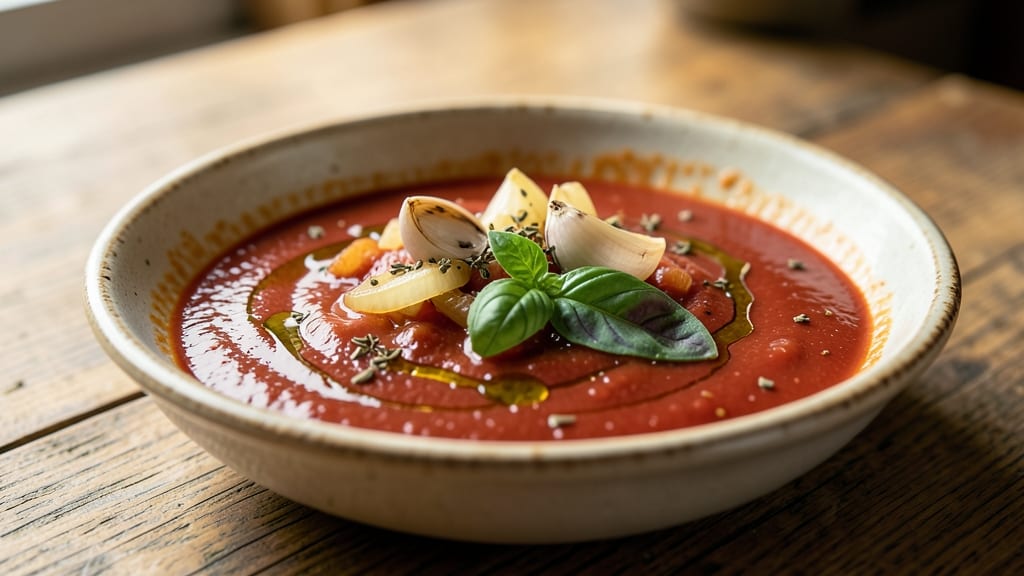
This canned tomato marinara sauce recipe transforms pantry staples into a rich, layered sauce that rivals homemade from scratch. The secret lies in balancing acidity and sweetness while building deep umami through slow simmering—no fancy ingredients required.
I developed this version after testing dozens of canned tomato sauces, and it consistently delivers that restaurant-quality depth in just 30 minutes.
What sets this sauce apart is the two-stage cooking process: first reducing the tomatoes to concentrate their flavor, then finishing with fresh basil and a touch of olive oil to brighten the acidity.
The result is a sauce that's versatile enough for pasta, pizza, or braising meat, yet simple enough for weeknight cooking. Professional chefs rely on this technique to elevate canned tomatoes without sacrificing authenticity.
By the time you're done, you'll have a velvety sauce with just the right balance of sweetness, acidity, and herbal notes—no bitterness or aftertaste. The fresh basil finish adds vibrant color and aroma that makes this sauce feel fresh and homemade.
This is the kind of marinara that transforms ordinary meals into something special without requiring hours of prep.
Store leftovers in the refrigerator for up to 5 days or freeze for 3 months, making this an ideal make-ahead sauce for busy weeks. The slow simmering process also makes it naturally thicker, so you can adjust consistency by adding water or broth as needed. Let's get cooking!
Ingredients for canned tomato marinara sauce
Pantry staples meet restaurant-quality umami in this simple sauce.
| Ingredient | Amount | Notes |
|---|---|---|
| Canned San Marzano Tomatoes 🍅 | 28 oz | Crushed or whole, no salt added |
| Extra-Virgin Olive Oil 🫒 | ½ cup | High quality, fruity variety |
| Yellow Onion 🧅 | 1 whole | Medium size, diced |
| Garlic Cloves 🧄 | 4 cloves | Freshly minced |
| Tomato Paste 🍅 | 2 tbsp | Squeeze tube preferred |
| Dried Oregano 🍃 | 1 tsp | Italian or Mediterranean blend |
| Dried Basil 🌿 | ½ tsp | Or 1 tbsp fresh basil |
| Red Wine 🍷 | ¼ cup | Dry, bold variety |
| Fresh Basil Leaves 🌿 | ¼ cup | Packed, stems removed |
| Sea Salt 🧂 | 1 ½ tsp | Adjust to taste |
San Marzano tomatoes are the gold standard here—Trader Joe's or Whole Foods carry them canned, and they make all the difference. The olive oil should be fruity and peppery, not that mild grocery store stuff. I grab mine from Costco or local olive oil shops—it keeps for months in a cool, dark place. Fresh basil is ideal, but dried works in a pinch (just use half the amount). The red wine adds depth, so don't skimp—any bold, dry red works here (Cabernet Sauvignon, Merlot, whatever's open). If you're avoiding alcohol, beef broth with a splash of balsamic works too.
No San Marzano? Any good-quality canned tomatoes will do—just check for no salt added. Short on fresh basil? Dried basil at half the amount keeps the flavor, though it won't have that bright aroma. The tomato paste can be swapped for extra crushed tomatoes, but it helps thicken and deepen the sauce. No red wine? Beef or vegetable broth with a splash of vinegar mimics the acidity. The onion and garlic are non-negotiable—they're the flavor foundation. If you're in a hurry, pre-minced garlic works, but fresh is always better.
This sauce tastes even better the next day—it keeps for 5 days in the fridge or 3 months frozen. I make a double batch and freeze half for lazy nights. To reheat, just warm on the stove with a splash of water or broth. The sauce thickens as it cools, so don't worry if it looks too thin right after cooking. If it's too thick later, just stir in a little water. The fresh basil finish is what makes it feel special—add it right before serving so it stays vibrant.
Why You'll Love This Recipe
- Same sauce, endless uses: toss it with spaghetti for Tuesday, dollop it on bruschetta for guests, or freeze half for next month’s lasagna. It’s the one pantry hero that never lets me down.
- No Chopping Stress: I swear by this sauce because it starts with just one onion and a few garlic cloves—no dicing, no peeling fuss. The San Marzano tomatoes do all the heavy lifting while you stir, and honestly? That’s my kind of cooking.
- Umami Bomb: That tomato paste caramelizing in the olive oil? Pure magic. It deepens the flavor so much that a single spoonful makes you want to eat it straight from the pot—no pasta required. (Yes, I’ve been there.)
- Weeknight to Party: Same sauce, endless uses: toss it with spaghetti for Tuesday, dollop it on bruschetta for guests, or freeze half for next month’s lasagna. It’s the one pantry hero that never lets me down.
Step-by-step instructions for canned tomato marinara sauce
Here's how to build rich, balanced marinara using just canned tomatoes.
Sauté Onion and Garlic in Olive Oil
Heat the 0.5 cup extra-virgin olive oil in a large saucepan over medium heat. Add the 1 whole yellow onion, diced into ¼-inch pieces, and cook for 5-6 minutes until the onions soften and begin to turn translucent. You'll see them release moisture and collapse slightly.
Reduce heat to medium-low and add the 4 cloves garlic cloves, freshly minced. Cook for 30 seconds until fragrant—this is where the base flavor develops. Be careful not to let the garlic brown, or it'll turn bitter. Here's the thing: if you smell that garlic aroma filling your kitchen, you're on the right track.
Stir in Tomato Paste and Seasonings
Add the 2 tbsp tomato paste and stir vigorously for 1-2 minutes until it fully incorporates and darkens slightly. This step deepens the sauce's color and intensifies the tomato flavor. Next, sprinkle in the 1 tsp dried oregano, 0.5 tsp dried basil, and 1.5 tsp sea salt, stirring to distribute evenly.
Let the mixture cook for 1 minute until the raw taste of the spices disappears. You'll notice the paste and spices melding together, creating a cohesive base. This is your flavor foundation—don't rush it. If you taste it now, you'll get a concentrated burst of umami that'll carry through the entire sauce.
Add Tomatoes and Wine
Pour in the 28 oz canned San Marzano tomatoes (crushed or whole, no salt added) and the 0.25 cup red wine. Stir well to combine, scraping up any browned bits from the bottom of the pan. These bits, called fond, are packed with flavor—don't miss them. Bring the mixture to a gentle simmer over medium-high heat.
Here's where it gets good: let it bubble away for 10 minutes without stirring. This allows the wine to cook off and the tomatoes to break down naturally. You'll see the sauce thicken slightly as it reduces. If it gets too thick before you're ready, just add a splash of water to loosen it up.
Simmer and Finish with Fresh Basil
Reduce heat to low and let the sauce simmer uncovered for 30-45 minutes. Stir occasionally, but not constantly—this helps prevent the sauce from breaking down too quickly. You're looking for a smooth, velvety texture with a rich, concentrated tomato flavor. The sauce should coat the back of a spoon but still be pourable.
When the sauce reaches your desired consistency, remove it from heat and stir in the 0.25 cup fresh basil leaves, packed and stems removed. Let it steep for 5 minutes before serving. This final step brightens the sauce with fresh, herbal notes that balance the deep umami flavors. Taste and adjust the seasoning if needed—sometimes a pinch more salt or a splash of wine makes all the difference.
Pro Tips For Making Canned Tomato Marinara Sauce
- CRANK THE HEAT FIRST: Don’t simmer those onions and garlic right away—start with medium-high heat until they’re actually sizzling. I learned this the hard way: slow cooking from the start makes your sauce taste dull and flat. Once they’re soft and golden (about 5-6 minutes), then drop the heat to low. This caramelization is what makes the difference.
- SALT THE TOMATOES BEFORE CRUSHING: Drain the San Marzano tomatoes, give them a quick rinse, then toss them in a bowl with 1 teaspoon of salt and let them sit for 5 minutes. This breaks down the skins and pulls out excess water, so your sauce stays thick and rich instead of watery. (Yes, even if you’re impatient like me.)
- STIR THE TOMATO PASTE: That little can of tomato paste? Don’t just scoop it out—stir it vigorously with a fork first. The paste settles with a thick layer of oil on top, and skipping this step means you’ll either get a greasy sauce or miss out on that deep, umami-rich flavor. A few extra seconds here saves you from scraping burnt paste off the pan later.
- LET IT SIMMER UNTIL IT SHRINKS: Walk away. Cover the pot, reduce to the lowest heat, and let that sauce bubble gently for at least 20 minutes. You’re not just cooking—you’re concentrating the flavors. I used to rush this, and the sauce always tasted thin. Patience here guarantees a sauce so rich it’ll cling to pasta like it’s meant to be there.
Make-ahead tips for leftovers
Batch Prep Strategy
Double or triple the recipe when you make this sauce—I always prep 2 batches (about 56 oz total) so I have leftovers for pizza nights or pasta emergencies.
Use quart-sized freezer bags or glass storage containers for easy portioning. Label containers with the date and "Marinara" so you don't forget what's inside. 📅
Freezer-Friendly Tips
For freezing, let the sauce cool completely before transferring to containers. Leave ½-inch headspace to prevent expansion cracks. I use silicone ice cube trays for single-serving portions—just pop out a cube and toss it into any dish.
The sauce keeps its quality for 3 months in the freezer, though I find it tastes best within 2 months. 🧊
Fridge Storage Secrets
Store refrigerated marinara in airtight glass containers for up to 5 days. The flavors actually improve after the first day as the spices meld. When reheating, add 1-2 tbsp water or broth to loosen the sauce—it thickens as it cools.
I always reheat on the stove over medium-low heat to preserve texture. 🥫
Sauce Consistency Hacks
If your sauce turns out too thick, thin it with warm water or broth while reheating. For extra richness, blend ½ cup of the cooled sauce and stir it back in—this creates a silky texture.
I also keep a small bowl of water nearby when reheating to adjust consistency on the fly. 💧
Meal Prep Pairings
This marinara freezes beautifully with cooked pasta or meatballs—just portion them together in freezer bags. When ready to eat, thaw everything together in the fridge overnight. For quick meals, I prep 1 cup portions of sauce with ½ cup cooked pasta in each container.
This makes perfect grab-and-go lunches or easy dinners. 🍝
Long-Term Flavor Boost
For maximum flavor development, let your sauce sit in the fridge for 24 hours before using. The acidity in tomatoes and wine continues to break down, creating deeper umami. I often make this sauce on Sunday nights so it's ready for the week.
The fresh basil should always be added just before serving to keep its vibrant color and aroma. 🌿
Nutrition facts
Frequently asked questions
Can I use regular canned tomatoes instead of San Marzano?
Yes, you can substitute regular canned tomatoes, but you may need to adjust the seasoning. San Marzano tomatoes are sweeter and less acidic, so if using regular tomatoes, add ½ teaspoon more sugar and ¼ teaspoon extra salt to balance the flavors. The texture will still work well, but the depth of flavor might differ slightly.
What if I don't have red wine? Can I substitute something else?
For a non-alcoholic version, use ¼ cup beef or vegetable broth plus 1 teaspoon balsamic vinegar. The acidity from the vinegar helps mimic the wine's depth. If you prefer a sweeter touch, swap the vinegar for 1 teaspoon honey or maple syrup. The sauce will still develop rich flavors without the wine.
How do I fix my sauce if it's too acidic or sour?
If your sauce tastes too sharp, balance it with ½ teaspoon sugar or 1 teaspoon honey while it's simmering. Stir well and let it cook for another 5 minutes to meld the flavors. For a richer taste, add a splash of red wine or broth to dilute the acidity slightly. Taste as you go—this sauce is all about adjusting to your preference!
Can I make this sauce in a slow cooker?
Yes! Follow the same steps, but after adding the tomatoes and wine, transfer everything to a slow cooker and cook on low for 4-5 hours or high for 2-3 hours. The low-and-slow method enhances the umami flavors even more. Just remember to stir in the fresh basil at the end. The texture will be slightly thicker, so thin with water or broth if needed.
Why does my sauce look thin even after simmering?
Canned tomatoes naturally release more liquid than fresh ones, which can make the sauce seem thin. To thicken it, simmer uncovered for an extra 10-15 minutes to reduce the liquid. If it's still too thin, mix 1 tablespoon cornstarch with 2 tablespoons water, stir it into the sauce, and cook for another 5 minutes. Avoid over-thickening—this sauce should still be pourable.