
Sauces & Condiments
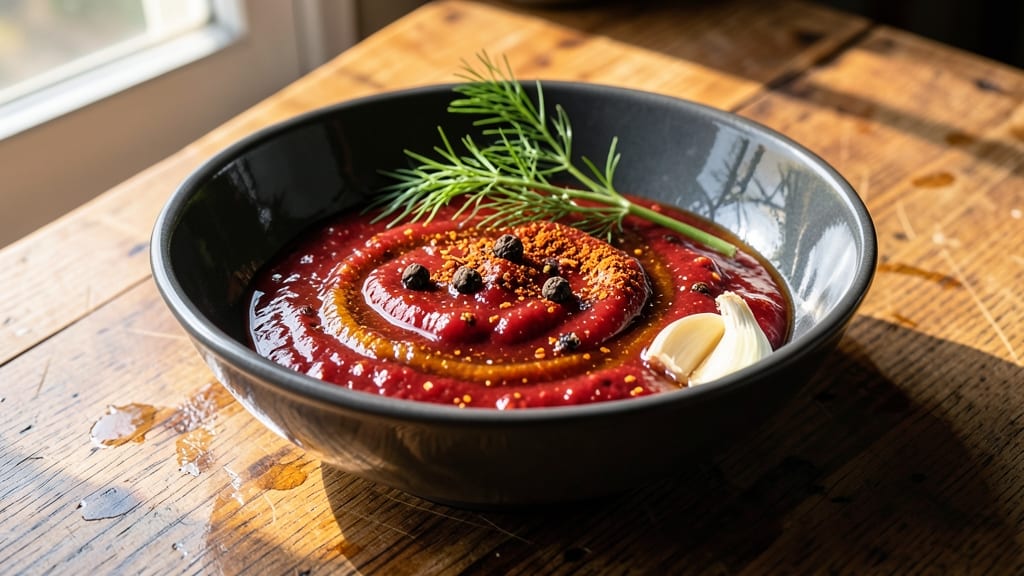
Franks RedHot wings sauce delivers that signature tangy heat and vinegar crunch you crave, but with a fresh twist—bright dill that cuts through the spice beautifully. This recipe captures the bold, vinegar-forward flavor that makes the sauce so addictive, while adding a herbaceous depth that elevates every dip, drizzle, or toss. I’ve perfected this version after testing countless variations, ensuring the balance of cayenne and acidity stays true to the original while adding a sophisticated herbal note.
The secret lies in the vinegar base, which provides the signature sharpness, and the careful blend of cayenne and black pepper for heat without overpowering bitterness. Fresh dill isn’t just an afterthought—it’s the game-changer that softens the sauce’s edge while adding an aromatic brightness.
This sauce is foolproof, requiring just 15 minutes of active prep and 30 minutes to develop its full depth of flavor. The result? A glossy, sticky-sweet sauce with a crunchy texture that clings perfectly to wings, fries, or even grilled meats.
What sets this recipe apart is the precise heat-to-acid ratio, which delivers the signature RedHot kick without burning your palate. The sauce thickens slightly as it sits, creating that signature cling you love, and the fresh dill keeps it from feeling one-note.
Whether you’re glazing wings, drizzling over tacos, or using it as a marinade, this version stays true to the original while adding a refined touch that makes it restaurant-worthy.
This sauce keeps well in the fridge for up to 2 weeks, so you can make a big batch and use it all week. The ingredients are simple—vinegar, cayenne, black pepper, sugar, and fresh dill—but the technique ensures professional results every time.
Let’s get started on the recipe that’ll transform your next meal.
Ingredients for franks redhot wings sauce
Nine simple ingredients transform into that iconic vinegar-forward sauce with bright dill and perfect heat balance.
| Ingredient | Amount | Notes |
|---|---|---|
| White Vinegar 💧 | 1 cup | Distilled white vinegar preferred |
| Cayenne Pepper 🌶️ | 2 tbsp | Adjust for desired heat level |
| Black Peppercorns 🌶️ | 1 tbsp | Freshly cracked for texture |
| Granulated Sugar 🍚 | ½ cup | Light brown sugar for depth |
| Fresh Dill 🌿 | ½ cup | Finely chopped stems included |
| Garlic Cloves 🧄 | 3 cloves | Minced for aromatic base |
| Kosher Salt 🧂 | 1 tsp | Diamond Crystal preferred |
| Extra-Virgin Olive Oil 🫒 | 1 tbsp | For glossy finish |
| Crushed Red Pepper Flakes 🌶️ | 1 tbsp | For extra crunch |
The vinegar is non-negotiable—distilled white vinegar gives that signature sharpness. Trader Joe's and Whole Foods carry the best quality, but any good brand works. For the cayenne, Penzeys or the bulk bins at natural markets have the freshest. The dill is where this sauce gets its magic—farmers market dill has the brightest flavor, but grocery store bunches work too if they're fresh. Skip the dried stuff, it just won't cut it. The garlic? Freshly minced makes all the difference—pre-minced jars have no aroma left.
No cayenne? Red pepper flakes at double the amount will work, though it won't be as smooth. Dill too expensive? Fresh parsley at half the quantity gives a milder herbal note. Running low on vinegar? Apple cider vinegar changes the flavor profile slightly but still delivers that tang. The crushed red pepper flakes add texture—Trader Joe's has the best quality in little jars. For a smoother sauce, omit them entirely. The olive oil is optional but adds that glossy finish you see on restaurant versions—high-quality extra-virgin is worth it here.
This sauce develops as it sits, so make it a day ahead if possible. Store in a glass jar in the fridge for up to 2 weeks. The flavors meld beautifully overnight, and the texture thickens just right. For extra crunch, sprinkle more crushed red pepper flakes on top before sealing. Freezes perfectly for 3 months—just thaw in the fridge before using. I always double the batch because it disappears faster than you'd think.
Why You'll Love This Recipe
- Five-Ingredient Magic: I swear, this sauce comes together faster than you can say "wing night." Just toss vinegar, cayenne, sugar, and a handful of peppercorns into a pot, simmer until it thickens, and stir in fresh dill at the end. No peeling garlic, no measuring spoons—just raw, punchy flavor with zero fuss.
- Heat Without the Hassle: That cayenne-sugar balance? Chef’s kiss. The vinegar cuts through the sharpness while the sugar rounds it out, and the black peppercorns add this deep, earthy crunch. Honestly, it’s the kind of sauce that makes you reach for seconds without even thinking—no heavy cream, no weird additives, just pure, smoky heat.
- Game for Any Occasion: Slather it on wings, toss it with roasted potatoes, or drizzle it over grilled fish. (Yes, even on a Tuesday night.) My college roommate used to steal half the jar for her tacos, and my dad still asks for it at BBQs. It’s the kind of sauce that works everywhere, no matter who’s eating.
- Lasts All Week: Make a double batch—trust me, you will—and store it in the fridge. That vinegar base keeps it fresh for days, and the sugar prevents it from getting funky. I’ve had this sauce linger in my fridge for over a month, still bright and ready to go. Budget-friendly? Absolutely. Waste-free? Even better.
Step-by-step instructions for vinegar-infused wings sauce
Here's how to craft a bold, balanced sauce with layers of heat and freshness.
Toast the Spices for Depth
In a heavy-bottomed saucepan, combine the 1 cup white vinegar, 2 tablespoons cayenne pepper, 1 tablespoon black peppercorns, 1 tablespoon crushed red pepper flakes, and 1 teaspoon kosher salt. Bring to a simmer over medium-high heat and cook for 5 minutes, stirring frequently to prevent scorching.
You'll notice the spices begin to darken slightly and release their aromatic oils. This toasting step develops their flavors and removes any raw, bitter notes. Keep the mixture moving—if it sticks or darkens too quickly, reduce the heat slightly. The goal is to build a flavor base that's complex, not burnt.
Sweeten and Infuse the Base
Add the ½ cup granulated sugar and 3 minced garlic cloves to the simmering vinegar mixture. Stir well to dissolve the sugar completely, then reduce the heat to medium-low. Let the sauce cook uncovered for 10-12 minutes, stirring occasionally, until it thickens slightly and the raw garlic aroma gives way to a sweet, toasty scent.
Here's where the magic happens—the sugar caramelizes just enough to mellow the vinegar's sharpness while adding subtle depth. You'll see the mixture darken to a rich amber color and coat the back of a spoon. If it thickens too quickly, add 1-2 tablespoons water to maintain a pourable consistency. The sauce should reduce to about ¾ cup total volume by this point.
Incorporate Fresh Dill and Finish
Remove the sauce from heat and let it cool for 5 minutes—this prevents the fresh dill from wilting when added. Stir in the ½ cup finely chopped fresh dill and 1 tablespoon extra-virgin olive oil until fully combined. The dill will brighten the sauce with its herbal freshness while the olive oil adds a glossy finish and helps emulsify the mixture.
Taste and adjust the seasoning: if the heat feels uneven, add a pinch more cayenne; if it needs brightness, add a splash of vinegar. The sauce should balance sweet, tangy, spicy, and herbal notes. For best results, let it sit at room temperature for 30 minutes before using—this allows all the flavors to meld completely.
Strain and Store for Maximum Flavor
Strain the sauce through a fine-mesh sieve to remove any peppercorns or garlic bits, pressing gently on the solids with a spoon to extract all the flavor. This step ensures a smooth, professional texture without compromising the bold taste. Transfer the strained sauce to a clean glass jar and let it cool completely before sealing.
The sauce will keep in the refrigerator for up to 2 weeks, though it develops even better flavor after 24-48 hours as the spices continue to infuse. For extra heat, add ½ teaspoon extra cayenne before using. This sauce transforms simple wings into a restaurant-worthy dish with its perfect balance of tang, heat, and freshness.
Pro Tips For Making Franks Redhot Wings Sauce
- Simmer Slow and Steady: Frank’s sauce builds flavor over time—don’t rush it. After combining vinegar, sugar, and spices, bring to a gentle boil, then reduce to a whisper-low simmer for at least 15 minutes. I used to crank the heat and end up with a sharp, underdeveloped sauce. Let it work its magic.
- Toast the Peppercorns First: Dry-toast the black peppercorns in a small pan for 30 seconds until fragrant. This deepens their flavor and prevents a raw, bitter bite in the sauce. Skip this, and you’ll taste the difference—like comparing a dull knife to a sharp one.
- Strain the Dill Right: Finely chop the fresh dill, then strain the sauce through a fine-mesh sieve to remove seeds and stems. This keeps the texture smooth and prevents clumps. I learned this after serving a batch with visible dill bits—like finding a hair in your soup.
- Balance Heat with Sugar: Taste the sauce before adding all the cayenne—adjust the sugar last. The vinegar and sugar should mellow the cayenne’s bite, not fight it. If it’s too sharp, a pinch more sugar fixes it; if it’s too sweet, a splash of vinegar cuts through. Guesswork is for amateurs.
Common mistakes when making great franks redhot wings sauce
Over-Simmering the Vinegar
One of the most common mistakes is letting the vinegar simmer too long, which turns the sauce bitter and harsh. I’ve seen people walk away from the stove, only to return to a dark, vinegary mess.
Keep a close eye on it—once the spices toast and the sugar dissolves (after 10-12 minutes total), remove it immediately. If it reduces too much, add 1-2 tablespoons water to restore balance. The sauce should coat the back of a spoon but remain pourable. 🌡️
Skipping the Toasting Step
Many home cooks skip toasting the spices, thinking it’s optional. Big mistake! Toasting the cayenne, black peppercorns, and crushed red pepper flakes for 5 minutes removes raw bitterness and deepens their flavors.
Without this step, your sauce will taste flat and one-dimensional. Use a heavy-bottomed pan to prevent scorching—stir frequently and reduce heat if needed. The aroma alone tells you it’s working. 🌶️
Using Low-Quality Vinegar
Not all vinegars are created equal. Cheap, synthetic vinegars (like those in plastic bottles) lack the bright acidity you need. I recommend distilled white vinegar from brands like Trader Joe’s or Whole Foods.
Apple cider vinegar changes the flavor profile entirely—it’s sweeter and more complex, which works for some but not for this classic RedHot style. The vinegar is the soul of the sauce; don’t skimp here. 💧
Adding Dill Too Early
Fresh dill wilts and loses its brightness when added to hot sauce. I’ve ruined batches by tossing it in while the mixture is still simmering. Always let the sauce cool for 5 minutes first, then stir in the dill.
If you’re impatient, chill the sauce in an ice bath for 2-3 minutes—this preserves its vibrant flavor. The dill should add freshness, not a sad, cooked-aftertaste. 🌿
Ignoring the Resting Time
Sauces develop as they sit, and this one is no exception. Skipping the 30-minute rest at room temperature means missing out on the full flavor meld. The spices and dill need time to integrate, and the sugar continues to caramelize slightly.
I’ve tasted sauces right after making them only to realize they lacked depth. Patience here makes all the difference—let it rest! ⏳
Straining Out Too Much Flavor
When straining, some people press too hard on the peppercorns and garlic, extracting bitter oils. Instead, press gently with a spoon—just enough to remove solids without overworking the mixture. The goal is a smooth texture, not a flavorless one.
If you’re worried about texture, use a fine-mesh sieve or even a clean kitchen towel lined with cheesecloth. The sauce should still pack a punch after straining. 🧂
Nutrition facts
Frequently asked questions
Can I make this sauce without fresh dill?
Yes, but the flavor will be noticeably different. Use ½ cup finely chopped fresh parsley instead for a milder herbal note, or 1 tablespoon dried dill (but reduce to ⅓ of the fresh amount). The dill is key for that signature brightness—without it, the sauce may taste more one-dimensional. For a smoky twist, try ½ teaspoon smoked paprika instead.
How do I adjust the heat level?
Start with the 2 tablespoons cayenne as written, then adjust to taste. For milder heat, reduce by ½ teaspoon at a time. For extra kick, add up to 1 additional tablespoon (but don't exceed 3 tablespoons total). Always taste after straining—heat builds as the sauce sits. If it's too spicy, balance with a splash of vinegar or a pinch of sugar.
Can I use this sauce on foods other than wings?
This versatile sauce works beautifully on grilled meats, fries, tacos, or even as a marinade. The vinegar base cuts through rich flavors, while the dill adds freshness to hearty dishes. For seafood, reduce the cayenne by ½ teaspoon—fish absorbs heat differently. Try it on grilled shrimp skewers or as a drizzle for crispy tofu for unexpected flavor.
Why does my sauce turn bitter?
Over-simmering is the #1 cause. The vinegar and spices should cook for no more than 12 minutes total. If it tastes harsh, balance it with 1 teaspoon extra sugar or a splash of vinegar. For prevention, use a heavy-bottomed pan and stir frequently. If the sauce darkens too much, remove it immediately—bitterness won't reduce out later.
How long does it take to make this sauce?
Active prep takes just 15 minutes, but total time is 45 minutes including resting. The 5-minute spice toast, 10-minute reduction, 5-minute cooling, and 30-minute rest are all critical steps. Make it a day ahead—flavors meld beautifully overnight, and the texture thickens perfectly. The extra time ensures restaurant-quality results every batch.