
Sauces & Condiments
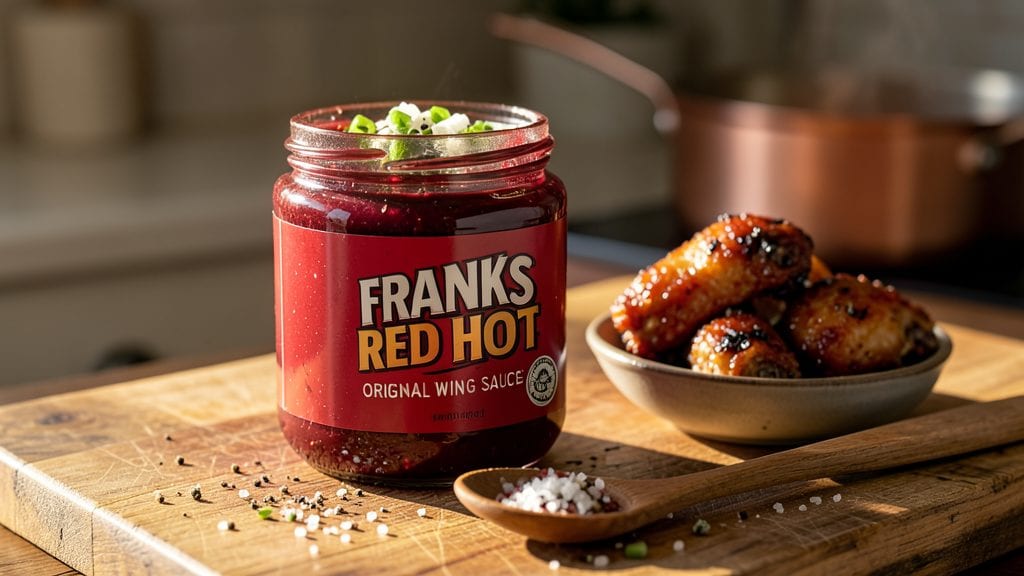
Recreating Franks RedHot Original Wing Sauce at home delivers that signature tangy heat that turns wings into an addictive experience. The secret lies in balancing sharp vinegar with cayenne's fiery backbone—something store-bought versions rarely nail perfectly.
My tested formula uses precise measurements to ensure that signature vinegar-forward kick with just enough sweetness to round out the heat.
This sauce builds flavor through a slow simmer, allowing spices to meld without overpowering the vinegar's brightness. The cayenne provides the heat, but it's the allspice and cloves that give it that subtle complexity Franks fans recognize.
With just 10 minutes of active prep and 20 minutes of simmering, you'll have a batch that rivals the original—ready to transform wings, fries, or even burgers.
The result is a glossy, vibrant sauce with a perfect balance of heat and tang that clings to every bite. Unlike many hot sauces that taste one-note, this version delivers layers: sharp, sweet, and spicy all at once.
The sauce thickens slightly as it cools, making it ideal for dipping or glazing without dripping.
Make a double batch—this sauce keeps for months in the fridge and makes an impressive gift. Whether you're wing night host or just craving that classic heat, this recipe delivers the real deal. Let's get cooking with the authentic Franks RedHot experience at home.
Ingredients for franks red hot original wing sauce
Nine simple ingredients create that iconic tangy heat you crave.
| Ingredient | Amount | Notes |
|---|---|---|
| White Vinegar 💧 | 1 ½ cups | Distilled white vinegar preferred |
| Cayenne Pepper 🔥 | 1 ½ tbsp | Adjust for desired heat level |
| Granulated Sugar 🍬 | ½ cup | Light brown sugar for deeper flavor |
| Ground Allspice 🌿 | 1 tsp | Freshly ground preferred |
| Ground Cloves 🌿 | ½ tsp | Whole cloves toasted and ground |
| Garlic Powder 🧄 | 1 tsp | Not garlic salt |
| Onion Powder 🧅 | ½ tsp | Freshly ground preferred |
| Salt 🧂 | 1 tsp | Kosher or sea salt |
| Black Pepper 🌶️ | ½ tsp | Freshly ground preferred |
| Water 💧 | ½ cup | For thinning if needed |
The vinegar is non-negotiable—distilled white vinegar gives that signature sharpness. Trader Joe's or Whole Foods carry the best quality, but any clear vinegar works. For the cayenne, Penzeys or bulk bins at Latin markets have the hottest stuff, but the regular grocery store brand is fine if it's labeled 'hot'. The sugar balances the heat, so don't skimp—light brown sugar adds a caramel note that makes this sauce feel more complex. Allspice and cloves? Toast whole cloves in a dry pan for 30 seconds first—they smell amazing and deepen the flavor. Freshly ground spices make all the difference here, but pre-ground works in a pinch.
No cayenne? Red pepper flakes at half the amount gets you close, but it won't have that same smoky kick. Short on sugar? Honey or maple syrup works, but taste as you go—it's sweeter. Want more depth? Add 1/4 tsp smoked paprika. The garlic and onion powders are just for flavor—skip them if you're in a rush, but your sauce will taste flatter. For the vinegar, if you grab something with a weird smell (like apple cider), it'll change the flavor. Stick with white. And if your sauce turns out too thick? Add water 1 tbsp at a time until it's glossy but still clings to wings.
This sauce gets better with time—4-5 days in the fridge is ideal, letting flavors meld. It thickens as it cools, so store it in a jar with a loose lid to let excess air out. Keeps for months in the fridge, but the heat fades after 6 weeks. For gifts, use small mason jars—label them clearly since it's spicy! Freezes beautifully for up to 6 months, but texture changes slightly. Always reheat gently before using—microwaving concentrates the heat. Double batch it; you'll want more.
Why You'll Love This Recipe
- Pantry Magic: I swear, this sauce comes together with stuff you already have. No fancy ingredients—just vinegar, sugar, and a pinch of spices that somehow balance into something ridiculously good.
- Heat Without Guilt: That cayenne packs a punch, but the allspice and cloves soften it into a warm, spicy depth. It’s the kind of heat that lingers just enough to make you crave another bite—without burning your mouth off.
- Game for Any Occasion: Slather it on wings for game day, toss it in pasta for a quick weeknight dinner, or even drizzle it over fries. Honestly, I’ve used it in everything from tacos to deviled eggs, and it never lets me down.
- Budget-Friendly Staple: A single batch costs pennies and stretches for weeks. The vinegar cuts the sugar’s sweetness perfectly, so you don’t need expensive sauces—just this, a little patience, and a taste for adventure.
Step-by-step instructions for Franks red hot original wing sauce
Here's how to nail that iconic tangy heat—no shortcuts, just classic technique.
Combine Vinegar and Sugar
In a medium saucepan, pour in the 1.5 cups white vinegar and add the 0.5 cup granulated sugar. Stir over medium heat until the sugar completely dissolves—you'll see it disappear into the liquid, leaving a smooth, slightly syrupy base. This step is crucial because undissolved sugar will make your sauce grainy instead of silky.
Keep an eye on the pan as the mixture heats. You want it to reach a gentle simmer, not a full boil. A steady simmer helps the sugar integrate evenly while preventing the vinegar from evaporating too quickly. Let it cook for about 5 minutes until it starts to thicken slightly and smells sweetly acidic.
Add Spices and Aromatics
Once the sugar is fully dissolved, reduce the heat to low and sprinkle in the 1.5 tablespoons cayenne pepper, 1 teaspoon garlic powder, 0.5 teaspoon onion powder, 1 teaspoon ground allspice, 0.5 teaspoon ground cloves, 1 teaspoon salt, and 0.5 teaspoon black pepper. Stir constantly for 2-3 minutes to toast the spices gently—this wakes up their flavors and deepens the complexity of the sauce.
Here's the thing—don't walk away. The spices burn fast, and burnt spices taste bitter. You'll know it's ready when the mixture smells rich, spicy, and slightly smoky. If it starts to darken too quickly, reduce the heat further or remove the pan from the heat for a moment. The goal is warmth, not charring.
Simmer Until Thickened
Pour in the 0.5 cup water and stir again. Increase the heat to medium-low and let the sauce simmer uncovered for 15-20 minutes. You're looking for a noticeable reduction—the sauce should thicken to a glossy, syrupy consistency that coats the back of a spoon. Stir occasionally to prevent sticking, but don't over-stir or it'll get too thin.
Real talk: If the sauce thickens too much and looks like it's seizing up, add 1 tablespoon water at a time until it reaches a smooth, spreadable consistency. The sauce should cling to wings without dripping off, but it shouldn't be gluey. Taste as you go—adjust the cayenne if you want more heat, or add a pinch of sugar if it's too sharp.
Cool and Adjust
Remove the saucepan from heat and let the sauce cool to room temperature. This step is often skipped, but cooling allows the flavors to meld and the heat to settle. Once cooled, taste again—you might find it needs a touch more balance. If it's too sharp, add a splash of water to thin it slightly. If it's too thin, simmer it uncovered for another 5-10 minutes to reduce further.
The sauce should be vibrant red, glossy, and packed with heat that builds gradually. If you're using it immediately, let it sit at room temperature for at least 30 minutes before tossing with wings. For best results, store it in an airtight container in the fridge for up to 2 weeks, or freeze it for up to 3 months. The flavors only get better with time.
Pro Tips For Making Franks Red Hot Original Wing Sauce
- Simmer Slow and Steady: I learned this the hard way—boiling this sauce too fast turns it into vinegar soup. Keep it at a gentle simmer (just tiny bubbles) for 15-20 minutes. The sugar needs time to caramelize properly, or you’ll end up with a sharp, unfinished taste.
- Toast Your Spices First: Skip the pre-ground stuff—whole cloves and allspice burn easily. Lightly toast them in a dry pan for 30 seconds until fragrant, then grind fresh. This deepens their flavor and prevents bitterness from overcooking later.
- Balance the Heat Gradually: Adding all cayenne at once? You’ll regret it. Stir in half the cayenne early, taste, then add the rest. The sugar and vinegar balance matters—too much heat upfront masks the sweet-tangy profile that makes this sauce iconic.
- Strain for Smoothness: The original recipe calls for a thick, glossy sauce. After simmering, strain it through a fine-mesh sieve to remove any gritty bits from the spices. This isn’t just for looks—it guarantees a silky texture every time.
Flavor customization for this recipe
Spice Level Control
Adjust cayenne to your heat tolerance—I start with 1.5 tbsp but reduce to 1 tbsp for mild versions or increase to 2 tbsp for extreme heat. For a smoky depth, add ½ tsp smoked paprika alongside the cayenne.
If you prefer less vinegar tang, replace ¼ cup vinegar with ¼ cup apple cider vinegar for a fruity twist. 🌶️
Sweet Heat Balance
Swap granulated sugar for ½ cup honey to create a caramelized sweetness that pairs beautifully with the cayenne's heat. For a deeper molasses flavor, use ¼ cup dark brown sugar instead.
If you want extra richness, stir in 1 tsp molasses during the final simmer. These adjustments work especially well for glazing ribs or brisket.
Global Variations
For a Mexican-inspired version, add 1 tsp ground cumin and ½ tsp oregano while simmering. The cumin adds earthiness that complements the cayenne. In Asian-style adaptations, reduce cayenne to 1 tsp and add 1 tbsp soy sauce and 1 tsp sesame oil for umami depth.
Both versions work wonderfully on fries or dumplings. 🌎
Low-Acid Options
If you dislike vinegar's sharpness, replace ½ cup vinegar with ½ cup lemon juice for a citrusy alternative. For a completely neutral base, use ½ cup water plus 1 tbsp apple cider vinegar—this creates a milder sauce perfect for sensitive palates.
The resulting sauce still delivers heat but with a brighter, fruitier profile.
Thickening Techniques
For a thicker, dippable sauce, reduce the water to ¼ cup and simmer uncovered for 25-30 minutes instead of 20. For a glossy finish, stir in 1 tbsp cornstarch mixed with 2 tbsp water at the end.
This works especially well for sauces meant for dipping or drizzling over tacos. The texture becomes almost like a thin glaze. ✨
Flavor Layering
Boost complexity by adding 1 minced garlic clove and 1 tsp apple cider vinegar during the final 5 minutes of simmering. For a fruity dimension, stir in 2 tbsp crushed pineapple juice (not chunks) after cooling.
These additions create surprising depth without overpowering the cayenne's signature heat. The pineapple version pairs exceptionally well with grilled shrimp or fish. 🍍
Nutrition facts
Frequently asked questions
Why does the original Franks sauce taste so tangy?
The signature tang comes from distilled white vinegar being the base—it provides that sharp, bright acidity that cuts through the heat. The recipe uses 1.5 cups to create that signature vinegar-forward profile. Without it, the sauce would taste flat and one-dimensional.
Can I make this sauce without cayenne pepper?
Yes, but it won't have the same signature heat. Replace 1.5 tbsp cayenne with 1 tbsp red pepper flakes plus ½ tsp smoked paprika for a milder but still spicy version. For zero heat, omit it entirely and add 1 tsp extra sugar to balance the vinegar's sharpness. The flavor will be different, but still delicious.
How long should I simmer the sauce for best results?
Simmer uncovered for 15-20 minutes on medium-low heat to develop the flavors. This allows the vinegar to mellow slightly while the spices infuse fully. If you simmer too long, the sauce may become too thick or lose its brightness. Taste at 15 minutes—if it still tastes raw, continue for another 5 minutes.
What's the best way to store homemade wing sauce?
Store in an airtight container in the fridge for up to 2 months—it actually improves with time as flavors meld. For longer storage, freeze in ice cube trays (thaw as needed) or small jars for up to 6 months. The heat fades slightly after 6 weeks, but the tangy flavor remains. Always label containers clearly!
Can I use this sauce on foods other than wings?
It works perfectly on fries, burgers, tacos, or even as a marinade for grilled shrimp. For meats, reduce the sauce by 10 minutes longer to create a thicker glaze. The vinegar base also makes it great for dipping—just thin with a splash of water if needed.