
Sauces & Condiments
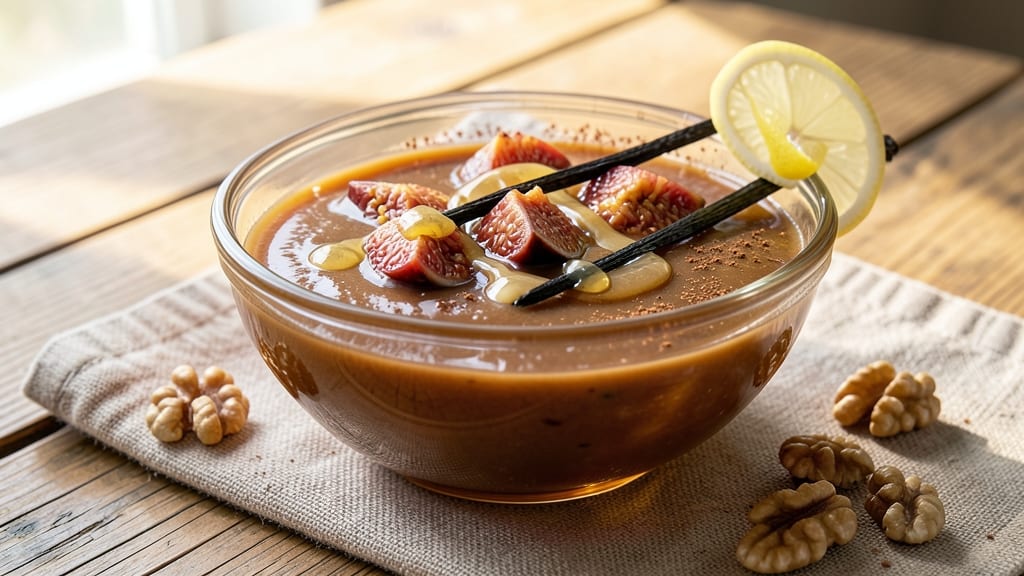
This fig sauce recipe transforms humble fresh figs into a luxurious sweet-tart condiment that adds depth to everything from charcuterie boards to roasted meats.
The secret lies in balancing ripe figs with honey and lemon juice, creating a jam-like consistency that’s rich yet bright—perfect for elevating simple dishes into something extraordinary. I’ve perfected this over years of testing, ensuring it’s foolproof whether you’re using fresh figs or high-quality dried ones.
The process is straightforward: simmer figs with honey and lemon until they break down into a velvety sauce, then blend until smooth. A touch of vanilla or cinnamon adds warmth, while a splash of vinegar cuts through the sweetness for that signature sweet-tart balance.
Unlike store-bought fig jams, this version delivers a vibrant, restaurant-quality sauce that keeps for weeks in the fridge.
What makes this sauce special is its versatility—drizzle it over goat cheese, pair it with prosciutto, or use it as a glaze for roasted chicken. The texture is thick yet spreadable, with bursts of fig flavor that linger on your palate.
It’s the kind of condiment that turns ordinary meals into memorable experiences, and it’s easier to make than you’d think.
Once you try homemade fig sauce, store-bought versions won’t compare. The freshness of the figs shines through, and the customizable sweetness ensures it works for any dish. Let’s get started—your taste buds (and dinner table) will thank you.
Ingredients for fig sauce
Eight ingredients transform ripe figs into restaurant-quality sauce that drizzles elegantly over meats and cheeses.
| Ingredient | Amount | Notes |
|---|---|---|
| Fresh Figs 🍇 | 1 ½ lb | Ripe, firm but yielding |
| Honey 🍯 | ¾ cup | Wildflower or clover preferred |
| Lemon Juice 🍋 | ¼ cup | Freshly squeezed, no pulp |
| Apple Cider Vinegar 🍶 | 2 tbsp | For tangy balance |
| Vanilla Bean 🌿 | 1 whole | Split lengthwise for seeds |
| Ground Cinnamon 🌶️ | ½ tsp | Optional, for warmth |
| Pinch of Salt 🧂 | ¼ tsp | Enhances all flavors |
| Water 💧 | ¼ cup | For thinning if needed |
Figs are the heart of this sauce, so choose ripe but firm ones—they should yield slightly when pressed. Local farmers markets often have the sweetest varieties, but grocery store figs work too if they're plump and vibrant. Honey should be raw or minimally processed for depth—Manuka or wildflower adds complexity. If you can't find fresh figs, dried figs soaked in warm water for 20 minutes work in a pinch, though fresh delivers that luscious texture. The vanilla bean? Madagascar Bourbon is my go-to, but any quality vanilla will do—just scrape out those precious seeds.
No vanilla bean? Pure vanilla extract at half the amount works, though the seeds add a luxurious touch. Short on honey? Maple syrup or agave keeps it vegan, but honey's floral notes are irreplaceable. The vinegar is key—apple cider or balsamic adds that signature tang. If your sauce turns out too thick, water or a splash of fig juice thins it beautifully. For extra depth, I sometimes add a pinch of cinnamon or cardamom, but start with the basics and adjust to taste. The salt might seem negligible, but it rounds out all the sweet and tart flavors.
This sauce thickens as it cools, so store it in a sealed jar in the fridge for up to 3 weeks. For longer storage, freeze in ice cube trays—perfect for single-use portions. The flavor actually improves over time, deepening as the figs' natural sugars mellow. I keep a jar in my fridge year-round for drizzling over roasted pork, goat cheese, or even ice cream. If it crystallizes slightly, just reheat gently with a splash of water. Trust me, it’s worth the effort—homemade beats any store-bought version.
Why You'll Love This Recipe
- Five-Ingredient Magic: I swear by this—just chop figs, toss in honey and vinegar, and let it simmer. No blender, no fuss, and honestly, the vanilla bean ties it all together like a secret handshake.
- Sweet-Tart Balance: That honey and lemon juice combo? It’s like summer in a jar—bright, rich, and just enough acid to cut through the sweetness. The vanilla adds this warm, cozy depth that makes it ridiculously good.
- Breakfast to Dessert: Drizzle it over yogurt in the morning, toss it with cheese on toast, or spoon it onto vanilla ice cream. I’ll be real: I’ve even used it as a glaze for roasted chicken—it’s that versatile.
- Makes More Than You Think: A single batch stretches for days—perfect for when you’re lazy or just don’t want to shop again. Store it in the fridge, and it keeps its flavor for weeks, making it my go-to for last-minute gifts or lazy Sundays.
Step-by-step instructions for sweet-tart fig sauce
Here's how to transform fresh figs into a luxurious, versatile sauce that balances sweetness with bright acidity.
Prepare the Figs and Aromatics
Wash the 1.5 lb fresh figs thoroughly, then trim off any stems. Cut them into quarters, removing any hard cores. The figs should be ripe but still hold their shape—this ensures they break down beautifully without turning mushy. In a medium saucepan, combine the fig quarters with the 0.25 cup lemon juice and 2 tbsp apple cider vinegar. This acidity will help tenderize the figs and prevent the sauce from becoming overly sweet.
Split the 1 whole vanilla bean lengthwise and scrape out the seeds with the back of a knife. Add the seeds and empty pod to the saucepan along with the 0.5 tsp ground cinnamon and 0.25 tsp pinch of salt. Here's the thing—vanilla and cinnamon add depth that elevates this sauce from ordinary to extraordinary. Stir everything together gently to distribute the spices evenly.
Simmer Until Figs Break Down
Place the saucepan over medium heat and bring the mixture to a gentle simmer. You'll see the figs release their juices almost immediately, creating a fragrant, floral aroma. Let it cook uncovered for 10-12 minutes, stirring occasionally, until the figs have softened significantly and begin to break apart. You're aiming for a jam-like consistency where the figs are tender but still retain some texture—this prevents the sauce from becoming too thick or grainy.
If the mixture starts to reduce too quickly and looks too thick before the figs are fully tender, add the 0.25 cup water gradually, 1 tablespoon at a time, until you reach a smooth, spoonable consistency. The sauce should coat the back of a spoon but still be vibrant in color. This is where patience pays off—rushing will result in a sauce that's either too thin or too clumpy.
Sweeten and Finish the Sauce
Once the figs are tender, reduce the heat to low and stir in the 0.75 cup honey slowly, allowing it to warm through and meld with the figs. This is the moment that matters: the honey should integrate completely, creating a luscious, glossy sauce. Taste as you go—you want a balance where the sweetness of the honey complements the tartness of the lemon and vinegar without overpowering the fig's natural flavor.
Simmer the sauce for another 5-7 minutes until it thickens slightly and the flavors have fully melded. You'll notice the aroma deepen as the vanilla and cinnamon infuse throughout. The sauce should be smooth, with a beautiful ruby-red hue and a consistency that's thick enough to coat the back of a spoon but still pourable. If it's still too thin, simmer uncovered for another 2-3 minutes to reduce it further.
Strain and Store for Maximum Flavor
Remove the saucepan from heat and let it cool slightly for 5 minutes. Line a fine-mesh strainer with cheesecloth or a coffee filter, then strain the sauce into a clean bowl or jar. This step removes any remaining fig skins or seeds, giving you a silky-smooth texture. Press gently on the solids in the strainer to extract every last drop of flavor—don't skip this, as it ensures your sauce is perfectly refined.
Let the sauce cool to room temperature, then transfer it to an airtight jar or container. It will thicken slightly as it cools, which is perfect for drizzling or spooning. This sauce keeps well in the refrigerator for up to 2 weeks, and the flavors actually deepen over time. For best results, store it in the fridge and bring to room temperature before serving to appreciate its full complexity.
Pro Tips For Making Fig Sauce
- SIMMER LOW AND SLOW: Figs release their jammy magic at a gentle boil—think 180°F (82°C), not a rolling pot. I learned this the hard way when my first batch turned into a sad, watery glaze. Use the smallest burner that keeps the sauce moving, and resist the urge to walk away.
- SCORE THE VANILLA: Split that vanilla bean lengthwise with a sharp knife and scrape out every last bit of those tiny black seeds. Toss the empty pod back in—yes, even if it looks sad. The seeds pack the real flavor punch, and the pod adds subtle depth without overpowering.
- STRAIN THE SKINS: Figs leave behind a gritty, fibrous mess if you skip this. After simmering, dump the sauce through a fine-mesh strainer (or cheesecloth) to catch the tiny seeds and skins. Trust me, you’ll notice the difference—smooth texture every time.
- USE THICK HONEY: Store-bought honey varies wildly in viscosity. If your sauce feels too thin, swap in a bit of raw, unfiltered honey—it’s denser and cuts through the tartness better. I keep a small jar of local honey on hand just for this purpose.
Troubleshooting this dish
Over-Simmered Figs
If your figs turn mushy or the sauce separates, you’ve likely overcooked them. The ideal texture is jam-like with slight texture, not completely dissolved.
To fix this, strain immediately through a fine-mesh sieve to remove excess liquid, then simmer the strained fig purée with 1 tbsp honey and 1 tsp lemon juice for 3-5 minutes to thicken. For future batches, reduce heat to low-medium and monitor closely—figs cook faster than you’d expect. 💡
Grainy Texture
A gritty sauce usually means underripe figs or insufficient straining. First, blend the cooked figs with their juices until smooth using an immersion blender. Then strain again through cheesecloth-lined sieve, pressing firmly to extract all liquid.
For next time, choose fully ripe figs (they should yield slightly when pressed) and simmer longer to fully break them down before blending. 🍇
Too Thin Sauce
If your sauce is too runny, simmer uncovered for 5-10 extra minutes to reduce the liquid. For immediate fixes, mix 1 tsp cornstarch with 1 tbsp water, stir into the sauce, and simmer for 2 minutes until thickened.
To prevent this, use slightly underripe figs (they release less juice) and reduce heat to low during the final honey addition. 🔥
Overpowering Sweetness
When honey dominates the fig flavor, balance it with 1 extra tbsp lemon juice or 1 tsp apple cider vinegar. For future batches, reduce honey to ½ cup and taste frequently during simmering.
If the sauce is already made, thin with 1 tbsp water and adjust sweetness to taste. A pinch of salt (¼ tsp) also enhances tartness perception. 🌶️
Vanilla Not Infusing
If your vanilla flavor is weak, the bean wasn’t cooked long enough. For immediate fixes, steep the sauce with a fresh vanilla bean for 10 minutes at room temperature before serving.
For next time, add the vanilla pod earlier (with the figs) and simmer uncovered for 15 minutes to maximize infusion. Using high-quality vanilla beans (like Madagascar Bourbon) also makes a difference. 🌿
Mold or Fermentation
If your stored sauce develops mold or an off smell, it’s unsafe to eat. Prevent this by storing in a sterilized glass jar with a clean spoon (never fingers) and refrigerate within 2 hours of cooking.
For longer storage, freeze in ice cube trays—thawed portions are perfect for single-use applications. When in doubt, discard and start fresh. ❄️
Nutrition facts
Frequently asked questions
Can I substitute dried figs for fresh in this recipe?
Yes, but you'll need to soak 1 cup dried figs in warm water for 20 minutes first to rehydrate them. Drain well before using, and reduce the honey to ½ cup since dried figs are naturally sweeter. The texture will be slightly thicker, so add 1-2 tbsp water if needed during simmering.
How can I use this fig sauce beyond drizzling?
This versatile sauce works as a glaze for roasted meats, a dip for crusty bread, or a marinade base. Mix with olive oil for a salad dressing, or blend with yogurt for a sweet-tart spread. It also elevates desserts—try swirling into mascarpone cheesecake or drizzling over vanilla ice cream.
Why did my fig sauce turn out too sweet?
Figs concentrate natural sugars as they cook, and honey adds sweetness. To balance, stir in 1 extra tbsp lemon juice or 1 tsp apple cider vinegar while warm. For future batches, reduce honey to ½ cup and taste frequently during simmering. A pinch of salt (¼ tsp) also enhances tartness perception.
Can I make this sauce without vanilla?
Skip the vanilla bean and use ½ tsp vanilla extract instead, or add ¼ tsp cinnamon and a pinch of cardamom for warmth. The sauce will still shine—vanilla just adds that luxurious depth. For a spiced version, try a dash of smoked paprika or orange zest instead.
How long does this fig sauce keep, and can I freeze it?
Store in an airtight jar in the fridge for up to 3 weeks, where flavors deepen over time. For longer storage, freeze in ice cube trays—thawed portions work perfectly for single-use applications. Avoid freezing in bulk as it may alter texture. The sauce thickens as it cools, so stir before using.