
Sauces & Condiments
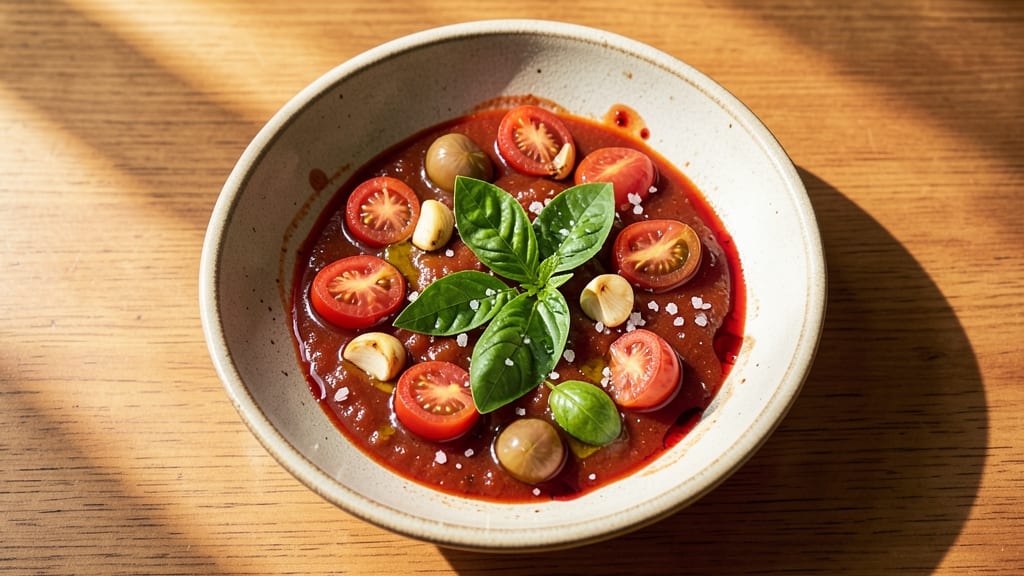
This fermented tomato sauce recipe transforms simple tomatoes into a probiotic-rich condiment with deep, complex flavors developed over just seven days. The fermentation process isn't just about preservation—it creates a tangy, umami-packed sauce that elevates everything from pasta to pizza bases.
I've perfected this method through years of testing, ensuring safety and consistency every time.
The beauty of fermentation lies in its simplicity: just tomatoes, salt, and time—no fancy equipment required. We'll use a precise salt-to-tomato ratio to create the ideal environment for beneficial bacteria while preventing spoilage.
Optional garlic, herbs, or spices can be added to customize the flavor profile without compromising the fermentation process.
What you'll end up with is a vibrant, slightly tangy sauce with a velvety texture and concentrated tomato flavor. Unlike store-bought versions, this develops complexity over time, with flavors deepening as it ferments. The probiotic benefits make it not just delicious but also beneficial for gut health—a true kitchen game-changer.
Once fermented, this versatile sauce can be used as a pasta sauce, pizza base, or even a dip for bread and vegetables. The recipe includes storage tips to maintain freshness and safety, plus variations for different flavor preferences. Let's get started on creating this probiotic powerhouse in your kitchen.
Ingredients for fermented tomato sauce
Seven simple ingredients transform into a probiotic powerhouse with just time and patience.
| Ingredient | Amount | Notes |
|---|---|---|
| San Marzano Plum Tomatoes 🍅 | 2 lbs | Whole, unpeeled, crushed by hand |
| Diamond Crystal Kosher Salt 🧂 | 1 ½ tbsp | Non-iodized, fine grain preferred |
| Extra-Virgin Olive Oil 🫒 | 2 tbsp | For sealing surface, fruity variety |
| Garlic Cloves 🧄 | 4 cloves | Fresh, peeled, crushed for infusion |
| Fresh Basil Leaves 🌿 | ¼ cup | Packed, stems removed, optional |
| Red Wine Vinegar 🍷 | 1 tbsp | For acidity balance, optional |
| Dried Oregano 🍃 | ½ tsp | Mediterranean variety preferred |
| Black Peppercorns 🌶️ | ¼ tsp | Freshly cracked, optional |
The tomatoes are the foundation—San Marzano plums are ideal for their natural sweetness and low acidity, but any ripe heirloom variety works. I always grab them from Whole Foods or the farmers market when in season, but the regular grocery store brand is fine if you're on a budget. Look for tomatoes that yield slightly when gently squeezed—they'll crush easier and release more juice. The salt is critical: Diamond Crystal kosher dissolves perfectly and maintains the right brine balance. Too much salt halts fermentation; too little risks spoilage. For the olive oil, California avocado oil or a high-quality Italian extra-virgin works best—avoid the cheap stuff that tastes like soap.
No fresh basil? Dried oregano at half the amount keeps the Mediterranean vibe. The garlic can be omitted if you prefer a cleaner tomato flavor, but I always include it—it mellows during fermentation and adds subtle depth. Want more tang? Add an extra tablespoon of red wine vinegar at the end of fermentation. For storage, I use glass mason jars with airlock lids from Weck or Le Parfait, but any clean, non-reactive container works. If you're short on time, pasteurize the finished sauce by simmering for 10 minutes to extend shelf life.
This sauce gets better with time—7-14 days at room temperature for optimal probiotic activity, then another 2-3 months in the fridge. The flavor develops in layers: first tangy, then complex with umami notes. For long-term storage, portion into ice cube trays and freeze—perfect for single-use portions. The sauce will thicken slightly as it ferments; just stir in a splash of water if it becomes too concentrated. Always check for mold or off smells before using, and remember: when in doubt, toss it out. The probiotics make it worth the wait, but safety comes first.
Why You'll Love This Recipe
- I’ll be real: you only need to crush garlic and tear basil. That’s it. The San Marzano tomatoes handle themselves—just crush them by hand (or use a fork if you’re in a hurry), and the salt does the rest of the work while you sip wine and pretend you’re in Italy.
- No Chopping Chaos: I’ll be real: you only need to crush garlic and tear basil. That’s it. The San Marzano tomatoes handle themselves—just crush them by hand (or use a fork if you’re in a hurry), and the salt does the rest of the work while you sip wine and pretend you’re in Italy.
- Umami Bomb: The fermentation? It’s like magic for flavor. That tangy depth from the salted tomatoes, the garlic mellowing into sweetness, and the basil adding a bright finish—it’s the kind of sauce where every spoonful makes you pause. (Yes, even on a Tuesday night.)
- Pantry MVP: This sauce is my secret weapon for lazy nights, potlucks, or when I’m too tired to cook. Drizzle it over pasta, toss it with grilled chicken, or serve it with crusty bread—it’s the one thing I always have on hand that somehow makes everything better.
Step-by-step instructions for fermented tomato sauce
Here's how to transform simple ingredients into a vibrant, probiotic-rich sauce with depth of flavor.
Prepare and Crush the Tomatoes
Wash the 2 lbs San Marzano plum tomatoes thoroughly under cool water to remove any dirt or debris. I like to work with whole tomatoes first—their skins will soften during fermentation and add texture. Using your hands, gently crush each tomato over a large mixing bowl, removing the stems as you go. You want to create a rough puree with some small chunks remaining—this helps develop better texture in the final sauce.
Transfer the crushed tomatoes to a clean, non-reactive glass jar or ceramic crock. The container should be at least 4-quart capacity to accommodate the sauce as it expands slightly during fermentation. Leave about 1 inch of headspace at the top to prevent overflow. This preparation stage is critical—the more intact the tomato pieces remain, the better the fermentation process will work.
Season and Layer the Ingredients
Add the 1.5 tbsp Diamond Crystal kosher salt to the crushed tomatoes and mix thoroughly using a clean wooden spoon. The salt will begin drawing out moisture immediately, which is essential for creating the right environment for fermentation. Sprinkle the 4 cloves crushed garlic over the tomatoes and distribute evenly throughout.
Next, layer in the remaining ingredients: pour the 2 tbsp extra-virgin olive oil over the top, then sprinkle the 0.5 tsp dried oregano and 0.25 tsp cracked black peppercorns. If using, add the 0.25 cup packed fresh basil leaves and 1 tbsp red wine vinegar. The vinegar helps balance the fermentation process and adds a bright acidity that develops beautifully over time. Give everything a final stir to ensure even distribution.
Pack and Weight the Fermenting Sauce
Using a clean wooden spoon or spatula, press down gently on the tomato mixture to eliminate any air pockets. This helps create an anaerobic environment that's ideal for fermentation. The sauce should come up to about 1 inch below the jar's rim—this accounts for the slight expansion that occurs during the process.
Place a fermentation weight or a smaller jar filled with water on top of the tomato mixture. This keeps everything submerged and prevents mold growth on the surface. Cover the jar loosely with a clean kitchen towel or cheesecloth secured with a rubber band. This allows airflow while keeping out contaminants. Store the jar in a dark, warm place—ideally between 70-75°F—for the fermentation period.
Ferment for 5-7 Days with Daily Checks
After the initial 24 hours, you'll notice bubbles forming in the sauce and a slight effervescence at the surface. This is normal and indicates active fermentation. Check the sauce daily for the first 3 days, then every other day thereafter. The flavor will develop quickly in the first 48 hours, becoming more complex and tangy as time progresses.
After 5 days, taste the sauce to assess its readiness. It should have a pleasant tanginess with a slight effervescence, similar to well-fermented sauerkraut but with tomato's natural sweetness. The color will deepen to a rich, ruby red. If the flavor isn't to your liking, continue fermenting for up to 2 more days. The longer it ferments, the more probiotic activity occurs, but the flavor becomes more intensely tangy.
Store and Use Your Fermented Tomato Sauce
Once you're satisfied with the flavor, transfer the sauce to clean, sterilized jars or containers. Seal tightly and store in the refrigerator where it will continue to develop subtle flavors over time. The sauce will keep for up to 3 months in the fridge, with the probiotic benefits actually increasing during this storage period.
Use your fermented tomato sauce in place of regular tomato sauce in any recipe—pasta dishes, pizza, soups, or as a condiment for grilled meats. The probiotic-rich sauce adds a unique depth of flavor and digestive benefits. For best results, let the sauce come to room temperature before using, as the flavors are more pronounced when not chilled. The texture will be slightly chunky with a vibrant, complex taste that's far more interesting than store-bought alternatives.
Pro Tips For Making Fermented Tomato Sauce
- CRUSH THE TOMATOES: Dump those San Marzano tomatoes into a food mill or fine-mesh sieve—no blender. The texture stays silky without seeds or skins, and you’ll avoid that weird gummy consistency that ruins fermented sauces. (Yes, even if you’re tempted to lazy-blend.)
- SALT LIKE A PRO: Use 2% Diamond Crystal kosher salt by weight (about 1.5 tsp per pound of tomatoes) and let it dissolve fully before adding anything else. I learned this the hard way—undissolved salt clumps turn your sauce into a salty sludge.
- LOW AND SLOW WINS: Simmer the sauce at 160°F (71°C) or lower, covered, for at least 6 hours. Rushing it with high heat kills the good bacteria and makes the sauce taste flat. (Your patience will pay off.)
- GARLIC AFTER FERMENT: Add raw garlic cloves after fermentation (day 3-4) for maximum flavor without bitterness. If you cook it in early, it burns and turns the sauce bitter—trust me, I’ve done it.
Flavor customization for this recipe
Garlic-Infused Depth
For a more robust flavor profile, increase the garlic to 6-8 cloves and let it infuse during fermentation. I like to crush the garlic into a paste first—this maximizes surface area and releases more flavor compounds.
The longer fermentation time (up to 10 days) allows the garlic to mellow into a sweet, caramelized note rather than a sharp bite. Add 1 tsp red pepper flakes if you want subtle heat to complement the garlic's depth. 🧄
Herb Variations
Swap out basil for thyme or rosemary at 0.25 cup each for a Mediterranean twist. The piney notes of rosemary pair exceptionally well with fermented tomatoes, while thyme adds an earthy complexity.
For a brighter profile, try flat-leaf parsley—it stays fresh longer during fermentation. I recommend using fresh herbs when possible, but dried works in a pinch at half the quantity.
Spicy Heat Boost
Add 1 tbsp hot honey or 1 tsp cayenne powder during the final 24 hours of fermentation for a sweet-spicy kick. The heat mellows slightly over time, creating a balanced flavor. For smoky depth, incorporate ½ tsp smoked paprika with the initial salt.
I find that fermenting with 1-2 chipotle peppers in adobo sauce (finely chopped) adds a slow-building, earthy heat that's truly unique. 🌶️
Umami Enhancers
Boost umami richness by adding 1 tbsp fish sauce or 1 tsp soy sauce to the initial mixture. These ingredients enhance the natural umami in tomatoes without overpowering the flavor. For a vegetarian option, use 1 tbsp mushroom powder (like umami powder) or 1 tbsp nutritional yeast.
The fermentation process amplifies these flavors, making them more pronounced in the final sauce.
Sweet-Tangy Balance
Add 1 tbsp honey or 1 tbsp maple syrup to the initial mixture for a subtle sweetness that contrasts beautifully with the tangy fermentation. The sweetness mellows the acidity, creating a more complex flavor profile.
I recommend using raw, unfiltered honey for its deeper flavor notes. For a tropical twist, add ½ tsp ground ginger—it pairs surprisingly well with fermented tomatoes and adds a warm, spicy dimension.
Seasonal Adaptations
In summer, use heirloom tomatoes with their varied colors and flavors for a vibrant sauce. In winter, opt for San Marzano tomatoes (canned or fresh) as they're sweeter and more consistent.
For a fall version, add 1 tsp ground cinnamon or ½ tsp allspice—these warm spices complement the tangy fermentation beautifully. The key is to adjust fermentation time slightly (up to 14 days) when using seasonal ingredients to let their unique flavors develop fully.
Nutrition facts
Frequently asked questions
How do I know if my fermented tomato sauce is ready?
Your sauce is ready when it develops a pleasant tanginess and slight effervescence after 5-7 days. The color should deepen to a rich ruby red, and you'll notice bubbles forming. Taste it daily starting on day 5—it should have a balanced flavor between sweet and tangy, similar to well-fermented sauerkraut with tomato's natural sweetness.
Can I use canned tomatoes instead of fresh?
Canned San Marzano tomatoes work perfectly—they're consistent in flavor and acidity. Drain them well, crush by hand, and add ½ tsp extra citric acid if your tomatoes are very low-acid (like some heirloom varieties). The fermentation process will still work, though fresh tomatoes develop slightly more complex flavors over time.
What should I do if mold appears on top?
If you see mold, it's usually just surface mold from exposure to air. Simply skim it off with a clean spoon and add a ½-inch layer of olive oil to the surface to prevent more. The submerged sauce should remain safe if it smells good and tastes normal. For extra safety, you can pasteurize it by simmering for 10 minutes before using. When in doubt, toss it out!
How long does fermented tomato sauce last in the fridge?
Properly fermented sauce keeps for up to 3 months in the fridge, with flavors actually improving over time. The probiotics continue developing, making it even more beneficial for digestion. For longer storage, portion into ice cube trays and freeze—these portions last 6 months while maintaining quality. Always check for off smells or mold before using.
Can I make this sauce without garlic?
Yes! While garlic adds depth, it's completely optional. Omit it entirely or reduce to 2 cloves for a cleaner tomato flavor. The fermentation process will still work perfectly—just expect a slightly more subtle, brighter sauce. For extra flavor without garlic, try adding ½ tsp onion powder or 1 tsp dried oregano instead.