
Sauces & Condiments
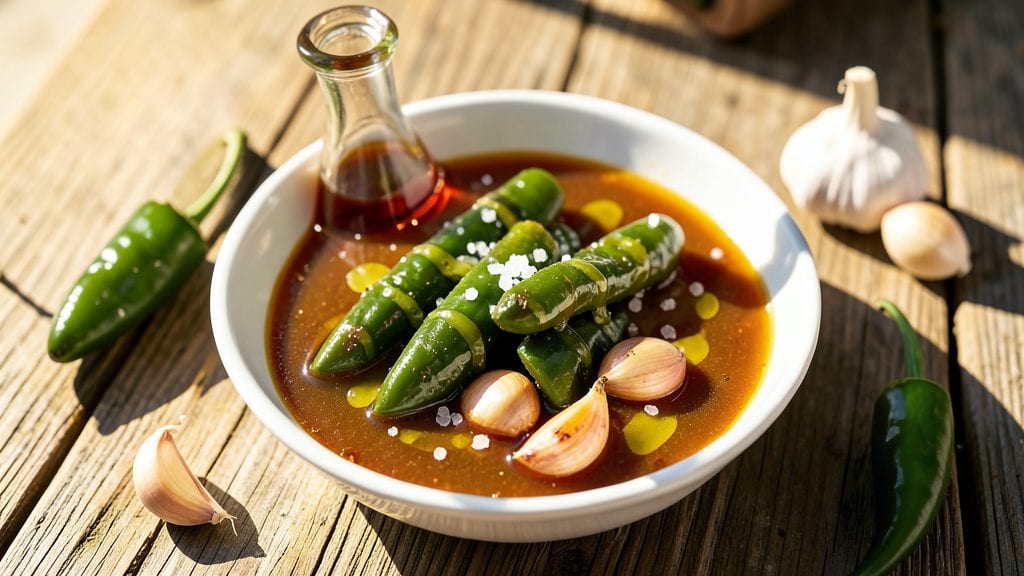
Fermented jalapeño hot sauce delivers probiotic heat that store-bought versions simply can't match, and this recipe proves you don't need vinegar to achieve it. The magic happens over 7 days of controlled fermentation, transforming fresh jalapeños into a complex, tangy, and spicy condiment with gut-friendly benefits.
I developed this method after years of experimenting with traditional hot sauces—this version skips vinegar entirely while preserving all the vibrant flavor and beneficial bacteria.
The process is straightforward but requires precision: salt, water, and fresh jalapeños are all you need to start, with no special equipment beyond a clean jar and a scale.
Fermentation unlocks deep, umami-rich flavors that develop as the peppers break down naturally, creating a sauce that's both bold and balanced. Safety is critical here—proper salt levels prevent mold while preserving the probiotics that make this sauce uniquely beneficial for digestion.
What you'll end up with is a glossy, golden-red sauce with layers of heat, tang, and subtle sweetness from the fermented peppers. Unlike vinegar-based hot sauces, this version maintains its probiotic properties, making it a healthier addition to tacos, grilled meats, or even cocktails.
The texture is smooth yet slightly textured from the fermented peppers, with a slow-building heat that lingers just enough to satisfy.
Best of all, this hot sauce keeps improving with age—30 days in the fridge delivers the most complex flavor profile, though it's ready to use after just 7 days. Store it in a clean glass jar with the lid loosely sealed to allow gases to escape during fermentation.
Once fully fermented, you can adjust the heat by blending in more peppers or thinning with water as needed. Let's get started on creating your own probiotic-powered heat.
Ingredients for fermented jalapeno hot sauce
Four core ingredients transform into probiotic heat—no vinegar needed.
| Ingredient | Amount | Notes |
|---|---|---|
| Fresh Jalapeño Peppers 🌶️ | 1 ½ lb | Organic preferred, no blemishes |
| Non-Iodized Sea Salt 🧂 | ¼ cup | Diamond Crystal preferred |
| Filtered Water 💧 | 2 cups | Room temperature preferred |
| Extra-Virgin Olive Oil 🫒 | ¼ cup | For final blend, high quality |
| Garlic Cloves 🧄 | 4 cloves | Peeled, for post-ferment blend |
| Apple Cider Vinegar 🍏 | 1 tbsp | Balances fermentation, optional |
| Raw Honey 🍯 | 1 tbsp | For subtle sweetness, optional |
The jalapeños are your foundation—organic is ideal since conventional peppers often have wax coatings that inhibit fermentation. Look for firm, vibrant green peppers at farmers markets or specialty grocers like Whole Foods or Trader Joe's. If you can't find organic, scrub them thoroughly with a vegetable brush to remove any residue. The sea salt is non-negotiable here: iodized salt can inhibit fermentation, so grab Diamond Crystal or another non-iodized brand. For water, filtered is best—chlorine can slow down the process. I always use a digital kitchen scale for precision, but measuring cups work in a pinch if you're just starting out.
No organic jalapeños? Regular jalapeños work fine—just scrub them well. Running short on sea salt? Morton kosher salt at 1.5x the amount gets you close, but Diamond Crystal is the gold standard. Want to skip the honey? Maple syrup at half the amount works too, though it adds a different flavor profile. The apple cider vinegar is optional but recommended—it helps balance the fermentation and adds a subtle tang. If you're feeling adventurous, try adding 1 tsp of smoked paprika to the final blend for depth. The garlic cloves can be omitted if you prefer a cleaner heat profile, but they add beautiful complexity.
This sauce improves with age—30 days delivers peak flavor, but it's safe to use after just 7 days. Store in a clean glass jar with a loose lid (fermentation creates gas). Once fully fermented, transfer to the fridge where it'll keep for up to a year. For best results, blend before each use—this breaks down the peppers and creates that signature glossy texture. If the sauce gets too thick, add filtered water 1 tbsp at a time until you reach your desired consistency. The probiotics stay active as long as you maintain proper storage—no vinegar needed to preserve them.
Why You'll Love This Recipe
- Here’s what sold me: a single batch keeps for months in my fridge, and the ingredients? Cheaper than takeout. You’re basically buying flavor for less than a coffee run. Plus, the more it ferments, the deeper the taste—so it just gets better over time.
- Just Five Ingredients: I swear, this is the kind of recipe where you’ll laugh at how simple it is—literally just peppers, salt, water, oil, and garlic. No fancy techniques, no hidden pantry staples, and honestly? That’s the magic. The fermentation does all the work while you’re free to do whatever else life throws at you.
- Garlic-Kissed Heat: Between us, the garlic in this sauce is everything—it mellows the jalapeños’ bite into something complex and addictive. That first tangy, briny sip? It’s like a little flavor explosion that lingers just right, not too sharp, not too sweet, but perfectly balanced.
- Game for Any Meal: I use this on everything—drizzled over eggs, tossed into tacos, even stirred into soups when I’m feeling fancy. It’s my go-to for quick weeknight meals and the sauce I bring to potlucks because, let’s be real, everyone loves a good hot sauce.
Step-by-step instructions for fermented jalapeño hot sauce
Here's how to transform fresh jalapeños into vibrant, probiotic-rich hot sauce in just seven days.
Prepare and Pack the Jalapeños
Begin by thoroughly washing the 1.5 lb of fresh jalapeño peppers to remove any surface contaminants. Cut them in half lengthwise, then remove stems and seeds using a small spoon. This step is crucial—seeds contain capsaicin, which can make your sauce too spicy if left in.
In a large bowl, combine the jalapeño halves with the 0.25 cup of non-iodized sea salt. Using your hands, gently massage the salt into the peppers for about 5 minutes. This helps draw out moisture and initiates the fermentation process. The salt should coat each piece evenly, creating a brine that will preserve the peppers and encourage beneficial bacteria growth.
Pack the salted jalapeños tightly into a clean, quart-sized mason jar, pressing down gently to remove air bubbles. Leave about 1 inch of space at the top since the peppers will release liquid as they ferment. The jar should be about 75% full to allow room for expansion.
Add Water and Begin Fermentation
Pour the 2 cups of room-temperature filtered water over the packed jalapeños until they're completely submerged. Use a wooden spoon to press down the peppers again, ensuring no air pockets remain. The liquid should cover the peppers by at least 1 inch.
Place a fermentation lid or a regular lid with a small weight (like a fermentation weight) on top of the jar. This keeps the peppers submerged while allowing gases to escape. Seal the jar and store it at room temperature, away from direct sunlight. You'll see bubbles forming within 24 hours—this is a good sign that fermentation is actively beginning.
Let the mixture ferment for 5 days, checking daily. You'll notice the liquid may become cloudy or develop a slight effervescence. This is normal and indicates beneficial bacteria are working. After 5 days, taste one of the jalapeños—it should be tangy with developing complexity, not overly sour or bitter.
Strain and Blend the Fermented Mixture
After 5 days of fermentation, remove the jalapeños from the jar and transfer them to a blender. Add the 4 peeled garlic cloves and blend until completely smooth. You'll have about 1½ cups of puréed jalapeño-garlic mixture. The texture should be silky, with no visible chunks remaining.
Return the purée to the jar and stir in the 1 tablespoon of apple cider vinegar and 1 tablespoon of raw honey. The vinegar helps balance the fermentation and adds tang, while the honey provides subtle sweetness to complement the heat. Mix well until fully incorporated. This step is where you can adjust the flavor profile—add more honey if you prefer it sweeter, or leave it as is for a more straightforward heat.
Emulsify with Olive Oil
Pour the 0.25 cup of extra-virgin olive oil into the jar with the jalapeño mixture. Using an immersion blender or whisk, emulsify the oil into the purée until it reaches a smooth, creamy consistency. This step is critical for achieving that velvety texture hot sauces are known for. If using an immersion blender, blend in short bursts to avoid splattering.
The sauce should now have a thick, pourable consistency—similar to a well-emulsified vinaigrette. If it's too thick, add 1 tablespoon of water at a time until it reaches your desired texture. Taste the sauce and adjust seasoning if needed, though the fermentation process should have developed most of the flavor already.
Bottle and Store
Transfer the finished hot sauce to clean, sterilized bottles or jars. Seal tightly and store in the refrigerator, where it will keep for up to 3 months. The flavors will continue to develop and mellow over time, making the sauce even more complex with each passing week.
This fermented jalapeño hot sauce delivers a vibrant, probiotic-rich heat that's perfect for drizzling over tacos, soups, or grilled meats. The absence of vinegar gives it a unique, tangy depth that traditional hot sauces can't match. Enjoy immediately or let it mature in the fridge for deeper flavor development.
Pro Tips For Making Fermented Jalapeno Hot Sauce
- Pack Peppers Tight: DESCRIPTION: Use a clean mason jar or fermentation vessel—pack those sliced jalapeños firmly with a weight (like a fermentation lid or even a bag of coins) to keep them submerged. I learned this the hard way when my first batch floated like sad seaweed, leaving half the peppers moldy and weak-tasting. No exceptions—submerged means fermented.
- Salt Like a Pro: DESCRIPTION: Aim for 2-3% salinity (about 20g salt per liter of water) and dissolve it completely before adding peppers. I used to sprinkle salt on top, and it’d clump—leading to uneven fermentation and a funky aftertaste. Stir until the salt vanishes, then let the mixture sit for 10 minutes before packing the peppers. Trust the math, not the guesswork.
- Burp the Jar Daily: DESCRIPTION: Open your jar and press down the peppers to release trapped CO₂ every 24 hours for the first week. Skipping this step is how I ended up with exploded jars and a kitchen that smelled like a chemistry lab. Yes, it’s annoying—but it’s the only way to avoid pressure buildup and keep things safe.
- Age the Garlic First: DESCRIPTION: Peel and smash your garlic cloves, then let them sit in the brine for 3-4 days before blending. Raw garlic can dominate the flavor and make the sauce bitter. My grandmother swore by this, and she was right: the garlic softens into a mellow, sweet background note that lets the jalapeños shine. Patience here pays off.
Serving suggestions for this recipe
Taco Night Elevation
Drizzle your fermented jalapeño hot sauce over crispy carnitas tacos or smoky grilled chicken for an instant flavor boost. The probiotic tang cuts through the richness of slow-cooked pork, while the slow-building heat enhances every bite.
I like to serve it with corn tortillas, pickled red onions, and avocado crema for a balanced, restaurant-quality meal. 🌮
Cocktail Game-Changer
This hot sauce transforms ordinary margaritas into spicy-sweet masterpieces. Add 1 tsp to your favorite margarita mix or muddle a small piece of fermented jalapeño directly into the glass.
For a smoky twist, rim the glass with tajín and serve with grilled pineapple chunks on the side. The probiotics even help balance the alcohol's effects! 🍹
Grilled Meats Perfection
Brush onto grilled steaks or smoked ribs during the last 5 minutes of cooking for a caramelized, spicy crust. The fermented peppers cling beautifully to charred surfaces, creating a sticky, umami-rich glaze. Pair with garlic mashed potatoes and roasted Brussels sprouts for a complete, flavor-packed meal. 🔥
Dip for Crudités
Thin your hot sauce with 1 tbsp water and serve as a spicy dip for celery sticks, carrot batons, or jicama slices. The probiotic heat makes vegetables irresistible—perfect for parties or healthy snacking. For extra flair, sprinkle with crumbled feta or toasted pumpkin seeds. 🥕
Eggs & Breakfast
Stir ½ tsp into scrambled eggs or poached eggs for a fermented kick. The tangy heat pairs surprisingly well with crispy bacon and sourdough toast. For a brunch showstopper, drizzle over avocado toast with chili flakes and everything bagel seasoning. 🍳
Pasta & Noodle Upgrade
Toss with fresh linguine and cherry tomatoes for a quick spicy aglio e olio. The fermented jalapeños add depth without overpowering the dish. For Asian-inspired flavors, mix with udon noodles, sesame oil, and scallions. The probiotics even aid digestion after a carb-heavy meal! 🍜
Nutrition facts
Frequently asked questions
Why does this recipe skip vinegar?
Fermentation naturally preserves the sauce through beneficial bacteria, eliminating the need for vinegar. The 7-day process creates probiotics that enhance digestion while developing complex flavors. Vinegar-free fermentation also preserves the peppers' natural sweetness and umami depth.
Can I adjust the heat level?
Remove seeds for milder heat or keep them for extra spice. For stronger kick, blend in additional fermented jalapeños. To mellow it, add 1 tbsp honey or thin with water. The fermentation process naturally balances flavors over time.
What if mold appears during fermentation?
Discard immediately if you see fuzzy spots—this indicates harmful mold. Always use clean equipment and ensure peppers stay submerged. Proper salt levels (2.5% brine) prevent mold growth. If unsure, taste a small piece (safe if tangy, not sour or bitter).
How long should I ferment for best flavor?
The sauce is ready after 7 days, but flavors peak at 30 days in the fridge. Longer fermentation develops deeper umami and tang. For immediate use, ferment 5-7 days—the probiotics will still be active. Taste test daily after 5 days to monitor progress.
Can I make this with other peppers?
Yes! Try serrano or habanero for extra heat, or bell peppers for milder flavor. Adjust salt to 2.5% brine regardless of pepper type. Fermentation time may vary slightly—monitor daily for optimal results.