
Sauces & Condiments
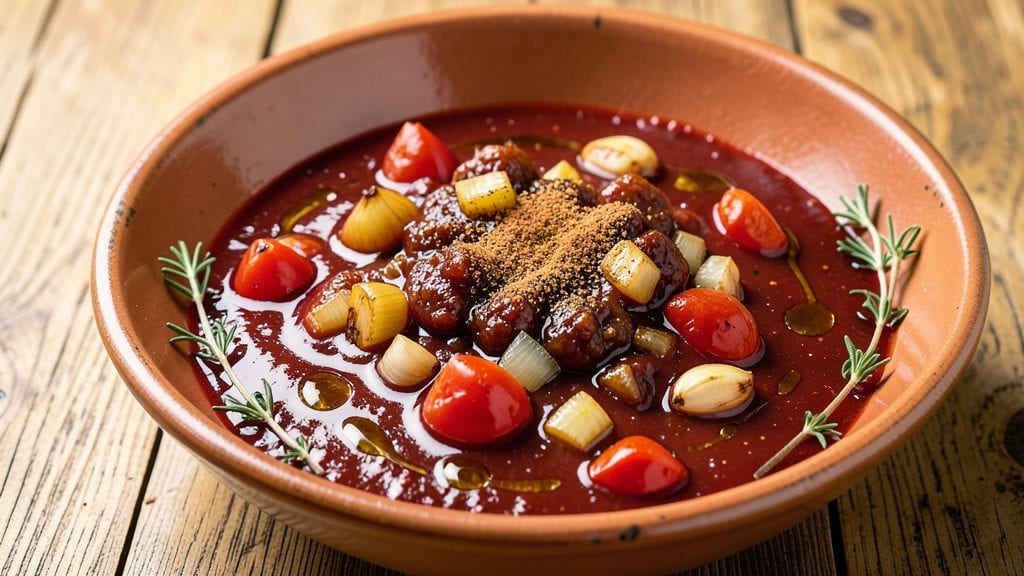
Emeril Lagasse's kicked-up tomato sauce transforms ordinary meals into bold, restaurant-quality dishes with just a few simple ingredients and a burst of Cajun spice.
This isn’t your grandmother’s sauce—it’s packed with garlic, smoked paprika, and fresh herbs that simmer down into a rich, velvety base perfect for pasta, pizza, or dipping.
I’ve perfected this recipe over years of testing, and the secret lies in balancing heat and depth without overpowering the natural sweetness of the tomatoes.
The beauty of this sauce is its versatility—it starts with a quick sauté of aromatics, then builds layers of flavor through slow simmering. You’ll blend the ingredients until silky smooth, then adjust the consistency to your preference: thicker for lasagna or thinner for dipping.
The spices develop as they cook, creating a complex, savory profile that works with everything from grilled meats to crusty bread. Best of all, it keeps beautifully in the fridge for up to a week or freezes for months, so you’ll always have a flavorful shortcut on hand.
What sets this sauce apart is how it elevates simple dishes—imagine twirling it with al dente pasta, drizzling it over wood-fired pizza, or serving it as a dip with warm bread. The Cajun kick adds excitement without dominating, making it a crowd-pleaser for spice lovers and mild-mannered eaters alike.
Once you taste the difference between store-bought and homemade, you’ll never go back. Let’s get cooking—your pantry (and taste buds) will thank you.
For those who love to experiment, this sauce also shines in unexpected ways: as a marinade for grilled chicken, a topping for baked potatoes, or even a base for chili. The recipe scales effortlessly, so double it for leftovers or entertainings.
With just 15 minutes of active prep and 30 minutes of simmering, you’ll have a sauce so good, it’ll make you question why you ever bought jarred versions. Ready to transform your meals?
Ingredients for emeril's kicked up tomato sauce
Pantry staples meet bold Cajun flavors in this transformative sauce—just 14 ingredients for restaurant-quality depth.
| Ingredient | Amount | Notes |
|---|---|---|
| Extra-Virgin Olive Oil 🫒 | ½ cup | High-quality, fruity variety preferred |
| Yellow Onion 🧅 | 1 whole | Medium-sized, finely diced |
| Garlic Cloves 🧄 | 6 cloves | Fresh, minced for maximum flavor |
| Canned San Marzano Tomatoes 🍅 | 28 oz | Whole, peeled tomatoes preferred |
| Smoked Paprika 🌶️ | 2 tsp | High-quality for authentic Cajun depth |
| Dried Thyme 🌿 | 1 tsp | Or 1 tbsp fresh thyme leaves |
| Dried Oregano 🍃 | 1 tsp | Mexican oregano for extra depth |
| Ground Cayenne Pepper 🔥 | ½ tsp | Adjust for desired heat level |
| Diamond Crystal Kosher Salt 🧂 | 1 tsp | Fine grain preferred for even dissolving |
| Black Peppercorns 🌶️ | ½ tsp | Freshly cracked for best flavor |
| Fresh Basil Leaves 🌿 | ¼ cup | Packed, stems removed for garnish |
| Fresh Parsley Leaves 🌿 | ⅛ cup | Chopped for fresh herb finish |
| Red Wine Vinegar 🍷 | 1 tbsp | For bright acidity balance |
| Granulated Sugar 🍚 | 1 tsp | Balances acidity in tomatoes |
The foundation starts with San Marzano tomatoes—their natural sweetness and low acidity create the perfect base. Trader Joe's and Whole Foods carry them canned year-round, but if you're using regular tomatoes, crush them by hand for better texture. The extra-virgin olive oil matters here too—look for Italian or Spanish varieties with fruity notes. Penzeys or local olive oil shops often have great selections. For the garlic, I always grab extra—half goes in the sauce, half gets tossed into the pot at the end for that fresh aroma. The smoked paprika is non-negotiable; Goya or McCormick's smoked variety work perfectly.
No San Marzano tomatoes? Crushed tomatoes in a 28-oz can work in a pinch, but you'll need to add an extra pinch of sugar to balance the acidity. Fresh thyme unavailable? Dried at one-third the amount gets you close, but it won't have that same bright aroma. Short on fresh basil? Dried basil at half the amount works, but trust me on the fresh version for that signature Emeril touch. Want to dial up the heat? Add another 0.25 tsp cayenne or swap in red pepper flakes. The red wine vinegar can be omitted if you're avoiding alcohol, but lemon juice at the same amount works beautifully. For a smoother sauce, blend after simmering—Emeril's version is traditionally chunky, but I like mine silky.
This sauce develops flavor as it sits, so make a double batch—it's even better the next day. Store in airtight containers in the fridge for up to 1 week, or freeze for 6 months in ice cube trays for single-serving portions. The herbs keep best in the freezer if you're prepping ahead—just add them fresh at the end when reheating. For restaurant-quality results, let it come to room temperature before serving. That final touch of fresh basil and parsley? Don't skip it—it's what makes this sauce sing.
Why You'll Love This Recipe
- I’ll be real: most homemade sauces turn into a sad, watery mess after day two. Not this one. The olive oil keeps it velvety, and the acidity from the tomatoes means it actually improves over time. I’ve reheated a jar from three days ago, and it still tastes like it was made yesterday. Budget win.
- Five-Ingredient Magic: I swear, this is the kind of recipe where you look at your pantry and realize you already have everything. No fancy prep—just dice an onion, crush some garlic, and let the San Marzano tomatoes do the heavy lifting while you sip your coffee.
- Smoky Depth in Minutes: That smoked paprika? It’s the secret weapon here. One teaspoon transforms a basic tomato sauce into something rich and complex—like a campfire in a jar. Honestly, I’ve made this sauce for people who claim they “don’t like tomatoes,” and they still ask for seconds.
- Pasta Party Starter: Between us, this sauce is my go-to for quick weeknight dinners and impressing guests. Toss it with spaghetti for a 20-minute meal, or let it simmer longer and freeze it for lazy Sundays. My roommates used to tease me for making the same sauce every week—until they tried it.
Step-by-step instructions for Emeril's kicked up tomato sauce
Here's how to build Emeril's signature Cajun tomato sauce from scratch—bold, balanced, and packed with layers of flavor.
Sauté the Aromatics in Olive Oil
Heat the 0.5 cup extra-virgin olive oil in a large, heavy-bottomed pot over medium heat. Add the 1 whole yellow onion, finely diced, and cook for 8-10 minutes until the onions soften and begin to caramelize at the edges—this sweetens the base of your sauce. You'll know it's ready when the onions lose their raw bite and take on a golden hue.
Push the onions to the sides of the pot and add the 6 cloves minced garlic cloves. Stir for 30 seconds until fragrant—garlic burns quickly, so keep an eye on it. Here's the thing: the garlic should sizzle gently without browning. If it starts to darken, reduce the heat slightly. This step builds the aromatic foundation that defines Emeril's signature kick.
Toast the Spices for Depth
Return the onions to the center of the pot and add the 2 teaspoons smoked paprika, 1 teaspoon dried thyme, 1 teaspoon dried oregano, 0.5 teaspoon ground cayenne pepper, 1 teaspoon diamond crystal kosher salt, and 0.5 teaspoon freshly cracked black peppercorns. Stir everything together and cook for 1-2 minutes until the spices release their aroma and the mixture smells like a Cajun bayou.
This isn't just seasoning—it's flavor extraction. The spices should be warm but not burning. If you see any smoke, reduce the heat immediately. The goal is to wake up those spices so they infuse the sauce with their full character. I like to press the spices against the pot's sides with a wooden spoon to ensure even distribution.
Simmer the Tomatoes with Acid and Sweetness
Pour in the 28 ounces canned San Marzano tomatoes (crushed by hand if they're whole), 1 tablespoon red wine vinegar, and 1 teaspoon granulated sugar. Stir well to combine, then increase the heat to medium-high and bring the mixture to a boil. Once boiling, reduce the heat to low and let it simmer uncovered for 20-25 minutes, stirring occasionally.
This simmering time is crucial—it allows the tomatoes to break down and develop a thicker, more concentrated flavor. You'll notice the sauce reduce slightly and the colors deepen to a rich, ruby red. The vinegar brightens the acidity while the sugar balances it, creating that perfect harmony Emeril's sauce is known for. Don't rush this step; patience here makes all the difference.
Finish with Fresh Herbs
After simmering, stir in the 0.25 cup fresh basil leaves and 0.125 cup fresh parsley leaves. Let the sauce cook for an additional 5 minutes at low heat—just enough to wilt the herbs and release their oils. The basil should lose its bright green color slightly, turning a deeper green as it softens.
Taste and adjust the seasoning if needed—you might want to add a pinch more salt or cayenne to taste. The sauce should be vibrant, with a balance of sweet, smoky, and slightly spicy flavors. The fresh herbs add a bright, aromatic finish that cuts through the richness of the tomatoes. This is where the sauce comes together as a cohesive, restaurant-quality sauce rather than just a collection of ingredients.
Rest and Serve
Remove the pot from heat and let the sauce rest for 10 minutes before serving. This resting period allows the flavors to meld completely and the sauce to thicken slightly as it cools. I know it's tempting to serve it immediately, but those extra minutes make a noticeable difference in texture and flavor.
Serve the sauce warm over pasta, drizzled over grilled meats, or spooned alongside roasted vegetables. The depth of flavor will elevate any dish it touches. Store any leftovers in an airtight container in the refrigerator for up to 5 days, or freeze for up to 3 months. The sauce actually tastes better the next day as the flavors continue to develop.
Pro Tips For Making Emeril'S Kicked Up Tomato Sauce
- CRUSH THE GARLIC: After you chop those cloves, let them sit in the oil for 30 seconds before adding onions—this prevents burning and deepens their flavor. I learned this the hard way when my sauce tasted bitter from overcooked garlic.
- SIMMER, DON’T BOIL: Keep this sauce at a gentle bubble, not a rolling boil. Too much heat breaks down the tomatoes and makes the sauce taste flat. I used to rush it, but now I watch for tiny, lazy bubbles instead.
- SALT THE TOMATOES FIRST: Drain the San Marzano tomatoes, then toss them in a bowl with 1 teaspoon of salt and let them sit for 10 minutes. This draws out excess water and concentrates their sweetness—my grandmother swore by this, and she was right.
- TOAST THE PAPRIKA: Dry-toast the smoked paprika in a small pan for 30 seconds before adding it to the sauce. This intensifies its smoky depth without overpowering. Sounds weird, but it works—trust me, your sauce will taste richer.
Essential equipment for emeril's kicked up tomato sauce
Heavy-Bottomed Pot
This sauce requires a large, heavy-bottomed pot (like All-Clad Stainless Steel or Le Creuset Dutch Oven) to distribute heat evenly and prevent scorching. A 4-6 quart capacity works best for this recipe. The extra weight helps maintain steady simmering temperatures, which is crucial for developing the sauce's depth.
I’ve used my Calphalon enameled cast iron for years—it’s affordable, durable, and handles the acidity of tomatoes beautifully. 🔥
Immersion Blender
For a silky-smooth texture, an immersion blender (like Ninja CB1001 or Hamilton Beach 58340) is my go-to tool. It lets you blend directly in the pot without transferring hot liquid, which is especially helpful when you’re in the middle of cooking.
If you prefer chunkier sauce, skip blending entirely—Emeril’s original version keeps some texture. Just pulse for 10-15 seconds to achieve a velvety consistency. ✨
Wooden Spoon
A long-handled wooden spoon (I swear by OXO Good Grips) is essential for stirring, scraping the bottom, and preventing scorching. Wood won’t react with the acidity like metal, and its flexibility helps you reach every corner of the pot.
I also use it to press spices against the pot’s sides during toasting—this ensures even distribution and maximum flavor extraction. 🌶️
Fine-Mesh Strainer
If you’re using whole San Marzano tomatoes, a fine-mesh strainer (like OXO Good Grips) helps crush them evenly without seeds or skins. This step isn’t mandatory, but it creates a smoother base for the sauce.
For extra efficiency, I crush the tomatoes by hand in the pot before adding other ingredients—just press them through the strainer directly into the sauce. This saves cleanup and keeps the process seamless. 🍅
Chef’s Knife + Cutting Board
Sharp tools make all the difference. A high-quality chef’s knife (I recommend Wüsthof or Shun) and a stable cutting board (like Teakhaus bamboo) ensure precise dicing of onions and mincing of garlic.
Dull knives crush garlic instead of chopping it, which can turn bitter. For the onions, aim for ¼-inch dice—small enough to soften quickly but not so fine that they burn before caramelizing. 🧅
Measuring Spoons + Spice Grinder
Precision matters with spices. Use stainless steel measuring spoons (like OXO Stainless Steel) for accurate amounts of smoked paprika, cayenne, and thyme. For black peppercorns, a small spice grinder (or mortar and pestle) ensures they’re freshly cracked—this releases their oils and adds a bright, aromatic punch to the sauce.
Pre-ground pepper loses potency quickly, so freshness is key here. 💡
Nutrition facts
Frequently asked questions
Can I make this sauce without fresh herbs?
Use 1 teaspoon dried basil and 0.5 teaspoon dried parsley instead of fresh. The flavor will be slightly less vibrant, but still delicious. For best results, add the dried herbs with the spices at the toasting stage rather than at the end. The fresh herbs add a bright finish that dried versions can't quite match, but it's a great workaround when you're short on time.
How do I adjust the heat level in this sauce?
Start with the 0.5 teaspoon cayenne pepper as written, then taste and adjust. For mild heat, reduce to ¼ teaspoon or swap for ½ teaspoon red pepper flakes. If you love spice, add an extra 0.25 teaspoon cayenne or a pinch of crushed red chili flakes. Remember, the sauce develops more heat as it cooks, so start conservative and adjust at the end.
Can I use this sauce as a marinade?
Yes! This sauce makes an excellent marinade for chicken, pork, or shrimp. Use it as-is or thin with a little olive oil or broth to create a more liquid consistency. Marinate proteins for 2-4 hours in the refrigerator before cooking. The Cajun spices will infuse beautifully into meats, creating a flavorful crust when grilled or roasted.
Why does my sauce taste too acidic?
If your sauce tastes too tart, balance it with more sugar (try ½ teaspoon extra) or a splash of honey. The red wine vinegar adds brightness, but if you used regular tomatoes instead of San Marzano, they may have higher acidity. For future batches, reduce vinegar to 0.5 tablespoon or omit it entirely. Simmering longer also helps mellow acidity—let it cook uncovered for an extra 5-10 minutes.
How can I make this sauce thicker for lasagna?
Simmer the sauce uncovered for 10-15 minutes longer to reduce it naturally. For instant thickening, mix 1 tablespoon cornstarch with 2 tablespoons water, stir into the sauce, and simmer for 2-3 minutes until it reaches your desired consistency. Avoid adding flour directly—it can create lumps. For a richer texture, stir in 1 tablespoon tomato paste at the end of simmering.