
Sauces & Condiments
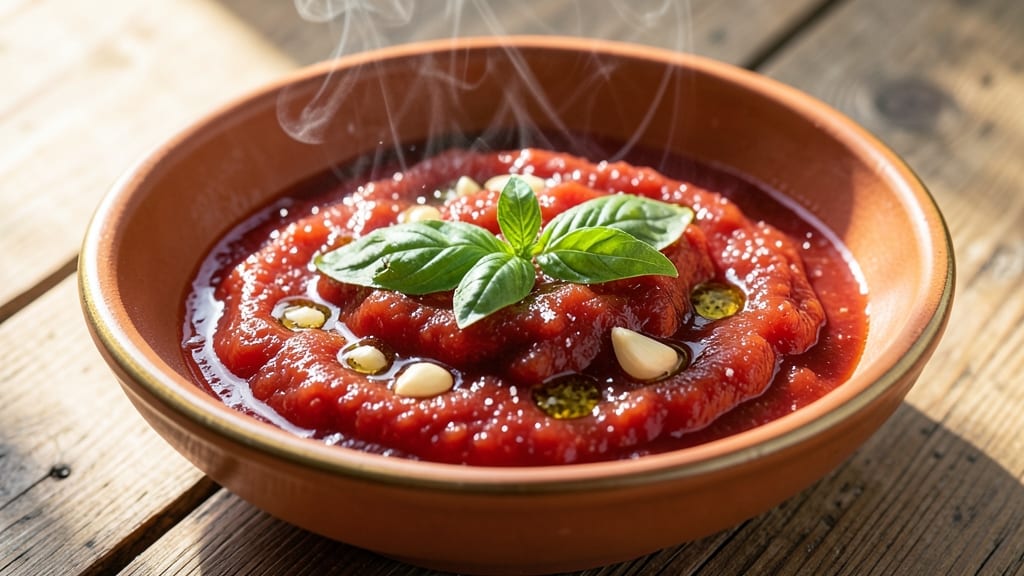
This basic Italian sauce recipe delivers simmered tomato perfection in just 15 minutes, transforming simple ingredients into a rich, versatile sauce that elevates any dish. The secret lies in balancing fresh tomatoes with aromatic garlic, olive oil, and herbs—creating a foundation that works for pasta, meats, or vegetables.
I’ve perfected this technique over years of cooking, ensuring a smooth, flavorful sauce without the need for fancy ingredients.
The beauty of this sauce is its simplicity: no fancy reductions or long simmering required. A blend of canned tomatoes, garlic, and a touch of sugar creates depth, while fresh basil adds brightness. The key is patience—letting the sauce simmer gently allows the flavors to meld into a harmonious balance.
This isn’t just a sauce; it’s the backbone of countless Italian meals, adaptable to your favorite dishes.
What you’ll achieve is a perfect sauce with a velvety texture and a bright, tangy flavor that clings to every bite. The aroma alone will transform your kitchen into an Italian trattoria, while the taste delivers restaurant-quality results.
Whether you’re tossing it with spaghetti, drizzling it over grilled chicken, or using it as a base for other recipes, this sauce is a game-changer.
Store it in the fridge for up to a week or freeze for months, ensuring you always have a flavorful foundation ready. Let’s get started—your next Italian meal is just a simmer away.
Ingredients for basic italian sauce
Nine simple ingredients create restaurant-quality Italian sauce with minimal effort.
| Ingredient | Amount | Notes |
|---|---|---|
| San Marzano Tomato Crushed (400g can) 🍅 | 1 ½ cups | High-quality, no salt added |
| Extra-Virgin Olive Oil 🫒 | ½ cup | Fruity, peppery variety preferred |
| Garlic Cloves 🧄 | 4 cloves | Fresh, minced finely |
| Fresh Basil Leaves 🌿 | ½ cup | Packed, stems removed |
| Granulated Sugar 🍚 | 1 tbsp | Balances acidity |
| Red Wine Vinegar 🍷 | 1 tbsp | Brightens flavor profile |
| Diamond Crystal Kosher Salt 🧂 | ½ tsp | Fine grain preferred |
| Ground Black Pepper 🌶️ | ¼ tsp | Freshly ground |
| Dried Oregano 🌿 | ½ tsp | Italian or Mediterranean blend |
The tomatoes make all the difference here. San Marzano is the gold standard—those sweet, meaty tomatoes dissolve beautifully and keep the sauce vibrant. Trader Joe's and Whole Foods carry them year-round, but any high-quality canned tomatoes work in a pinch. Fresh basil is ideal (I always grab extra since it wilts fast), but dried oregano at one-third the amount works if you're short. The garlic should be fresh—no pre-minced jars, those turn bitter. For the olive oil, California or Italian varieties add the most depth, but any good extra-virgin will do.
No San Marzano tomatoes? Crushed tomatoes from a reputable brand (like Muir Glen) work fine. Short on fresh basil? Dried basil at half the amount keeps the flavor, though fresh is brighter. The sugar balances the acidity—if your tomatoes are particularly tart, add another teaspoon. Red wine vinegar can be swapped for lemon juice at double the amount, but it won't have the same depth. For a richer sauce, stir in 1 tablespoon tomato paste at the end. The oregano is non-negotiable—it's the Italian soul of this sauce, so don't skip it.
This sauce tastes even better the next day as flavors meld. Store it in an airtight container in the fridge for up to 1 week—the acidity keeps it fresh longer. For longer storage, freeze in ice cube trays for perfect portions. Thaw overnight in the fridge or reheat gently on the stove. The sauce thickens as it cools, so add a splash of water or broth if it gets too stiff. Double the batch—you'll want leftovers for pasta, pizza, or grilled meats.
Why You'll Love This Recipe
- No-Fuss Pantry Staple: I keep a can of San Marzano tomatoes and olive oil on hand just for this—no fresh ingredients needed if I’m in a rush. That pinch of sugar? Balances the acidity so well, it’s like a secret weapon when I’m too tired to fuss over exact measurements.
- Garlic-Basil Magic: The moment I crush those garlic cloves into the warm oil and let them bloom, my kitchen smells like a Tuscan trattoria. Fresh basil at the end? That bright, peppery finish turns simple tomatoes into something dangerously addictive.
- Weeknight Workhorse: This sauce is my go-to for pasta, grilled chicken, or even toasted bread—no need to reinvent the wheel every time. I’ll make a big batch on Sundays and freeze half, because let’s be real, who has energy for cooking every night?
- Budget-Friendly Flexibility: A single can of tomatoes and a few cloves of garlic stretch across multiple meals without breaking the bank. Here’s what sold me: I can serve it fancy with crusty bread or keep it casual over spaghetti, and it still tastes like I put in effort.
Step-by-step instructions for simmered tomato perfection
Here's how to build a bright, balanced Italian sauce that's restaurant-quality in minutes.
Bloom the Garlic in Olive Oil
Heat the 0.5 cup extra-virgin olive oil in a medium saucepan over medium-low heat. Add the 4 cloves minced garlic and cook for 1-2 minutes until they're fragrant but not browned—this prevents bitterness. The oil should shimmer gently, not bubble aggressively. I always use a light hand here; garlic burns faster than you think, and once it turns dark, it ruins the whole dish.
Watch closely after 30 seconds—you'll see the garlic release its aroma. If the pan starts to smoke, immediately reduce the heat to low and let it settle. This step forms the flavor foundation, so don't rush it. The garlic should be pale golden when ready, not crispy or blackened.
Add Tomatoes and Acid Components
Pour in the 1.5 cups San Marzano tomato crushed and stir to combine with the garlic oil. Add the 1 tablespoon red wine vinegar and 1 tablespoon granulated sugar, then bring the mixture to a gentle simmer over medium heat. The vinegar brightens the tomatoes while the sugar balances their natural acidity—this is where the sauce gets its signature depth.
Let it simmer uncovered for 5 minutes, stirring occasionally. You'll notice the sauce thicken slightly as the liquid reduces. This is normal—don't add water yet. If you see foam forming on top, skim it off with a spoon. The sauce should smell rich and tomato-forward with a hint of sweetness from the sugar.
Season and Simmer to Perfection
Add the 0.5 teaspoon Diamond Crystal kosher salt, 0.25 teaspoon ground black pepper, and 0.5 teaspoon dried oregano, stirring to distribute evenly. Keep the sauce at a gentle simmer for 8-10 minutes—this allows the flavors to meld and the sauce to develop its signature consistency. The ideal texture should be thick enough to coat the back of a spoon but still flow smoothly.
Taste after 5 minutes of simmering. If it needs more brightness, add another ½ teaspoon red wine vinegar. If it needs more depth, a pinch of sugar helps. The sauce should be balanced—sweet, acidic, and savory all at once. If it's too thick, whisk in 1-2 tablespoons water to loosen it to your preferred consistency.
Finish with Fresh Basil
Remove the sauce from heat and stir in the 0.5 cup fresh basil leaves, using a fork to chop them directly in the pan. This incorporates their vibrant flavor and aroma while keeping the sauce smooth. Let it steep for 2-3 minutes off the heat—this allows the basil to infuse fully without cooking down completely.
Give it one final taste and adjust seasoning if needed. The basil should add a fresh, herbal note that brightens the sauce. For a smoother texture, strain out the basil stems before serving, but I like to leave them in for a rustic touch. Serve immediately over pasta, with crusty bread, or alongside grilled meats for the perfect Italian touch.
Pro Tips For Making Basic Italian Sauce
- Sweat the Garlic Slowly: After burning three batches, I finally figured out that Italian sauce isn’t a garlic-frying contest. Use a low-to-medium heat—just enough to make the cloves shimmer and release their aroma without turning them into charcoal. Two minutes max, and stir constantly. That golden color? That’s what you’re aiming for, not smoke.
- Crush Tomatoes by Hand: I know, I know—it’s easier to use the can’s built-in crushed tomatoes. But those little chunks don’t break down as smoothly. Grab a fork or your fingers and really work the tomatoes until they’re mostly smooth. It takes 30 seconds and makes the sauce velvety instead of chunky. (Yes, even if you’re impatient like me.)
- Add Sugar Early, Not Late: The sugar isn’t just for sweetness—it balances the acidity and helps the sauce thicken naturally. Toss in that ½ teaspoon (or so) with the garlic, not at the end. Let it dissolve into the oil first, so it blends in evenly. Trust me, your sauce won’t taste like dessert if you do it right.
- Simmer Covered, Then Uncover: Start with the lid on to build heat and steam, but after 10 minutes, crack it open. Too much steam = watery sauce. You want the moisture to evaporate slowly, not rush out like a teakettle. Stir occasionally, and let that sauce reduce to a glossy, clingy consistency—no peeking too soon.
Flavor customization for this basic italian sauce
Classic Marinara Twist
For a brighter, more acidic profile, add 1 teaspoon tomato paste at the end of simmering and finish with ½ teaspoon red pepper flakes for a subtle kick. This variation works perfectly with spaghetti or as a pizza sauce base.
I love this version for its bold tomato flavor and just a hint of heat—it’s my go-to for quick weeknight dinners. 🌶️
Creamy Garlic Version
Transform this sauce into a creamy delight by stirring in ¼ cup heavy cream or ½ cup ricotta cheese at the very end. This adds richness while keeping the sauce light enough for pasta.
For extra depth, fold in 1 tablespoon grated Parmesan—it’s a game-changer for creamy pasta dishes like fettuccine Alfredo with an Italian twist.
Herb-Infused Variations
Swap out the basil for thyme or rosemary to create a rustic, herby sauce perfect for roasted meats or grilled vegetables. Use 1 tablespoon fresh thyme leaves or 1 sprig rosemary (removed after steeping).
For a Mediterranean touch, add ½ teaspoon dried marjoram—it pairs beautifully with lamb or chicken dishes.
Spicy Arrabbiata Style
Boost the heat by adding 1-2 tablespoons Calabrian chili paste or 1 fresh red chili pepper (seeds removed) at the start. Simmer the chili with the garlic for 1 minute** before adding tomatoes.
This version is fiery but balanced—ideal for those who love bold flavors. Serve with linguine or toss with sautéed shrimp for a restaurant-worthy meal.
White Wine Reduction
For a more sophisticated sauce, deglaze the pan after blooming the garlic with ¼ cup dry white wine (like Pinot Grigio) instead of tomatoes. Add the tomatoes afterward and proceed as usual.
The wine adds complexity and pairs beautifully with seafood or creamy risotto. This technique elevates the sauce to a whole new level of elegance. 🍷
Sweet and Tangy Glaze
Add 1 tablespoon honey or maple syrup along with the sugar to create a sweet-tangy glaze perfect for drizzling over grilled chicken or pork. The extra sweetness balances the acidity beautifully, making it a versatile sauce for both sweet and savory dishes.
I often use this version as a marinade before grilling—it caramelizes into a sticky, flavorful crust. 🍯
Nutrition facts
Frequently asked questions
Can I use fresh tomatoes instead of canned for this sauce?
Fresh tomatoes work but require extra prep! Use 4-5 large ripe tomatoes, roasted or simmered until soft (about 15 minutes), then blend or crush them. Fresh tomatoes have more water content, so you may need to simmer the sauce longer to achieve the same thickness. For best results, peel and seed the tomatoes first to avoid excess liquid.
How do I make this sauce thicker or thinner?
For a thicker sauce, simmer uncovered for 5-10 extra minutes to reduce the liquid. If it's too thick, whisk in 1-2 tablespoons water or broth gradually until you reach your desired consistency. For a smoother texture, blend the sauce briefly after simmering—this works especially well if you used canned tomatoes with skins.
What's the best way to store leftover sauce?
Store in an airtight container in the fridge for up to 1 week. For longer storage, freeze in ice cube trays or small portions for easy reheating. Thaw overnight in the fridge or reheat gently on the stove over low heat. The sauce thickens as it cools, so add a splash of water if needed when reheating.
Can I make this sauce without garlic?
Yes, but the flavor will be milder. If you omit garlic, add ½ teaspoon onion powder or 1 teaspoon fresh parsley to compensate for the missing depth. For a different twist, try 1 teaspoon dried thyme instead—it pairs well with tomatoes and adds an earthy note. The garlic is key for authentic Italian flavor, though!
Why did my sauce turn bitter?
Bitterness usually comes from overcooking garlic or tomatoes. To prevent this, bloom garlic over low heat for just 1-2 minutes until fragrant but not browned. Avoid simmering the sauce too long—15 minutes total is ideal. If it happens, balance the bitterness by adding ½ teaspoon sugar or a splash of lemon juice to brighten the flavor.