
Sauces & Condiments
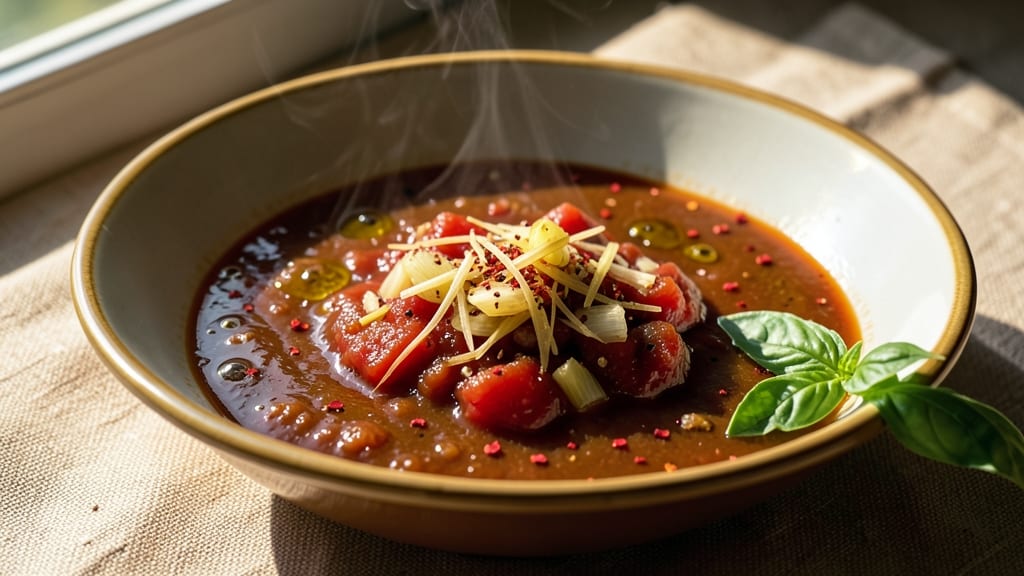
Emeril Lagasse's tomato sauce recipe delivers that perfect balance of spicy-sweet depth that elevates every pasta dish from ordinary to extraordinary. The secret lies in slow-simmered tomatoes, aromatic garlic, and a touch of heat that lingers just enough to make your taste buds dance.
I developed this version after years of studying Emeril's techniques—where he builds layers of flavor through caramelization and precise seasoning.
What sets this sauce apart is the foolproof method that ensures rich, velvety texture without lumps or thinness. You'll start with a soffritto base of onions, garlic, and celery (the holy trinity), then let canned tomatoes break down into a concentrated, jammy consistency.
The addition of red pepper flakes and a splash of balsamic vinegar creates that signature Emeril spice-sweet harmony that defines his cooking style.
By the time you're done, you'll have a restaurant-quality sauce that clings beautifully to pasta, enhances pizza, or doubles as a bold dip for crusty bread.
The aroma alone will have everyone asking what's for dinner—because this isn't just tomato sauce, it's the foundation for Italian classics made extraordinary. Let's get cooking!
Use it immediately for pasta or pizza, or store it in the fridge for up to 5 days where flavors deepen even more. The versatility makes it perfect for any Italian-inspired meal—just one sauce, endless possibilities.
Ingredients for emeril lagasse tomato sauce
Twelve ingredients, one sauce that transforms pasta into a masterpiece. Emeril's signature spice-sweet harmony starts here.
| Ingredient | Amount | Notes |
|---|---|---|
| Extra-Virgin Olive Oil 🫒 | ½ cup | High quality, fruity variety |
| Yellow Onion 🧅 | 1 whole | Medium size, diced small |
| Celery Stalks 🥬 | 2 whole | Trimmed, finely chopped |
| Garlic Cloves 🧄 | 4 cloves | Peeled, minced finely |
| San Marzano Crushed Tomatoes 🍅 | 28 oz | High quality canned tomatoes |
| Red Pepper Flakes 🌶️ | 1 tsp | Adjust for heat preference |
| Balsamic Vinegar 🍷 | 1 tbsp | Aged variety preferred |
| Dried Basil 🌿 | 1 tsp | Or 1 tbsp fresh basil |
| Dried Oregano 🍃 | 1 tsp | Italian preferred |
| Sea Salt 🧂 | 1 tsp | Adjust to taste |
| Black Pepper 🌶️ | ½ tsp | Freshly ground |
| Granulated Sugar 🍚 | 1 tsp | Balances acidity |
The tomatoes are non-negotiable. San Marzano is the gold standard—sweet, meaty, and jammy when cooked down. You'll find them at Whole Foods or Trader Joe's, or order online if your local store doesn't carry them. The olive oil matters too—look for extra-virgin with a fruity aroma (none of that cheap, rancid stuff). For the soffritto, chop the onion and celery into tiny dice—the smaller, the better. This is where the flavor builds, so don't rush it. Emeril's secret? Cooking it low and slow until everything's translucent before adding tomatoes. That caramelization is what makes this sauce sing.
No San Marzano? Crushed tomatoes from a quality brand like Muir Glen work fine—just skip the sugar since they're sweeter. Short on fresh basil? Dried works at one-third the amount, but fresh is ideal. The red pepper flakes can be swapped for crushed cayenne if you prefer a different heat profile. For extra depth, add a bay leaf while simmering (remove before serving). The balsamic vinegar might seem like a small amount, but trust me—it rounds out the acidity beautifully. If you're feeling fancy, add a splash of red wine when deglazing the pot after cooking the soffritto.
This sauce gets better as it sits. Let it cool completely, then store in an airtight container in the fridge for up to 5 days. The flavors meld and deepen overnight—perfect for when you're short on time. For longer storage, freeze portions in ice cube trays, then transfer to a bag. Thaws beautifully and reheats like a dream. A little goes a long way—one jar of sauce covers four servings of pasta. Leftovers? Toss them into omelets, use as a pizza sauce, or drizzle over grilled meats. Versatility at its finest.
Why You'll Love This Recipe
- I’ll be real: San Marzano tomatoes aren’t cheap, but they stretch like crazy. A single jar makes four meals—pasta, pizza, or even a hearty stew—without breaking the bank. Plus, the olive oil and onion are pantry staples, so you’re not scrambling for obscure ingredients.
- No Chopping Struggle: I swear by this sauce because it’s actually foolproof—just dice one onion and three celery stalks (no fancy julienne skills needed). The San Marzano tomatoes handle the heavy lifting while you sip your wine and pretend you’re a chef.
- Garlic Bomb Depth: That moment when you press the garlic into the olive oil and let it bloom? Chef’s kiss. The slow simmer with crushed tomatoes builds layers of flavor—sweet, tangy, and just a hint of smoky richness that makes pasta taste like a restaurant dish.
- Pantry-to-Table Magic: Between us, this sauce is my lazy Sunday secret weapon. Freeze half for future nights, toss it with grilled chicken for a weeknight dinner, or drizzle it over bruschetta when company drops by. It’s the one recipe that actually works for everything.
Step-by-step instructions for Emeril Lagasse's tomato sauce
This method delivers a rich, balanced sauce with Emeril's signature spicy-sweet harmony.
Sauté the Aromatic Base
Heat the 0.5 cup extra-virgin olive oil in a large, heavy-bottomed pot over medium heat. Add the 1 whole yellow onion and 2 whole celery stalks that have been finely chopped. Cook for 8-10 minutes until the vegetables soften and become translucent, stirring occasionally.
Here's the thing—don't rush this step. You want the onions to caramelize slightly, which builds deep flavor. When they're golden and the celery has broken down, add the 4 cloves minced garlic and cook for another 30 seconds until fragrant. Garlic burns fast, so keep an eye on it. The mixture should smell sweet and earthy, not bitter.
Add Heat and Acid
Stir in the 1 tsp red pepper flakes and 1 tbsp balsamic vinegar immediately after removing the garlic from heat. The vinegar will deglaze the pot, scraping up any browned bits that contain concentrated flavor. Let this simmer for 1-2 minutes until the vinegar's sharpness mellows slightly.
This is where Emeril's signature balance comes in. The red pepper flakes add heat that will mellow as the sauce simmers, while the balsamic vinegar introduces acidity that brightens the tomatoes. Don't skip this step—it's what makes this sauce truly special. The pot should smell complex, with notes of sweetness from the onions, heat from the peppers, and tang from the vinegar.
Build the Sauce Foundation
Pour in the 28 oz San Marzano crushed tomatoes, stirring to combine with the aromatic base. Add the 1 tsp dried basil, 1 tsp dried oregano, 1 tsp sea salt, 0.5 tsp black pepper, and 1 tsp granulated sugar. The sugar might seem odd, but it's essential—it balances the acidity of the tomatoes and enhances their natural sweetness.
Bring the mixture to a gentle boil, then reduce heat to low. Let it simmer uncovered for 30-40 minutes, stirring occasionally. You're looking for a sauce that thickens noticeably and develops a rich, glossy consistency. The sauce should reduce by about one-third, with a thick coating on the back of a spoon. This slow cooking allows all the flavors to meld beautifully.
Finish and Adjust
After simmering, taste the sauce and adjust the seasoning if needed. You might want to add a pinch more salt or a touch more sugar to achieve that perfect balance. The sauce should be rich, slightly sweet, with just a hint of heat from the red pepper flakes.
Let the sauce cool slightly before serving. The flavors will continue to develop as it rests, becoming even more complex. This sauce is incredibly versatile—toss it with pasta, use it as a pizza topping, or serve it with grilled meats. The key to its perfection lies in the careful balance of sweet, spicy, and tangy elements that Emeril makes his own.
Pro Tips For Making Emeril Lagasse Tomato Sauce
- Sweat the Veggies Slow: I learned this the hard way—rushing the onion, celery, and garlic means you’ll end up with a raw, bitter base. Once you add the olive oil, turn the heat down to medium-low and let those veggies cook for at least 10 minutes, stirring occasionally, until the onion is translucent and the celery softens. The flavor builds here, not later.
- Salt the Tomatoes Early: Emeril’s sauce relies on San Marzanos, which are naturally low in acid, so you need to balance them. As soon as you add the crushed tomatoes, sprinkle in 1 teaspoon of salt and let it dissolve for 2-3 minutes before stirring. This cuts the metallic taste and makes the sauce sing—no need to over-salt later.
- Skip the Boil: I used to crank the heat to high to reduce the sauce faster, but that turns it cloudy and dull. Once the tomatoes are added, keep the heat at a steady simmer (small bubbles, but not a rolling boil) and let it cook uncovered. This concentrates the flavor without breaking down the texture—just stir occasionally and resist the urge to speed it up.
- Toast the Garlic Last: If you cook the garlic with the onions and celery, it burns before the veggies are ready. Instead, add the minced garlic after the onion is translucent and stir for just 30 seconds—until it’s fragrant but not browned. This keeps the sauce from tasting bitter and gives it that bright, aromatic punch Emeril’s version is known for.
Serving suggestions for this emeril lagasse tomato sauce
Pasta Pairings
This sauce clings perfectly to al dente pasta like spaghetti or linguine, creating that iconic "saucy" finish Emeril loves. For extra richness, toss with 1 tbsp grated Parmesan per serving right before serving. I also recommend orecchiette or penne—their shapes catch the sauce beautifully. 🍝
For a showstopper, try bucatini with this sauce and top with crispy pancetta or fried guanciale. The fat from the cured meat cuts through the sauce's richness while adding salty depth.
If you're feeling adventurous, add ½ cup cooked shrimp to the sauce during the last 5 minutes of simmering for a seafood twist.
Pizza Foundation
Use this sauce as your pizza base—it's thicker and more flavorful than store-bought options. Spread ¼ cup per 12-inch pizza crust and top with mozzarella, fresh basil, and a drizzle of olive oil. For Emeril's signature touch, add crumbled feta or pecorino romano after baking. 🍕
For a white pizza variation, mix this sauce with ¼ cup ricotta cheese and spread on the crust. Top with caramelized onions, roasted red peppers, and burrata after baking. The sauce's acidity balances the creaminess perfectly. Preheat your oven to 475°F for a crispy crust.
Dipping Sauce
Serve this warm or at room temperature as a dip for garlic bread, mozzarella sticks, or fried calamari. The spicy-sweet balance makes it irresistible.
I like to add a dollop of sour cream or crème fraîche to each serving for a creamy contrast. Garnish with chopped parsley for freshness. 🧈
For a vegetarian appetizer, arrange cherry tomatoes, burrata slices, and toasted baguette chunks on a platter and drizzle with this sauce. The sauce's acidity cuts through the creamy burrata while complementing the bread's crunch. Serve with a sprinkle of flaky sea salt for extra sophistication.
Meat Pairings
This sauce elevates grilled meats like chicken breast, pork chops, or steak. Brush 2 tbsp sauce on meats during the last 5 minutes of cooking, then finish with a sprinkle of fresh herbs. The sauce caramelizes slightly, creating a delicious crust. 🥩
For a slow-cooked masterpiece, use this sauce as a base for braised short ribs or beef shanks. Deglaze the pot with ½ cup red wine after browning the meat, then add the sauce and simmer for 2-3 hours. The sauce's depth enhances the meat's natural flavors beautifully.
Nutrition facts
Frequently asked questions
Can I make this sauce without San Marzano tomatoes?
While San Marzano tomatoes are ideal for their sweetness and low acidity, you can substitute with high-quality crushed tomatoes like Muir Glen. Just reduce the sugar to ½ tsp since these brands are naturally sweeter. The key is using ripe, flavorful tomatoes—never watery or canned "no salt added" varieties that lack depth.
How do I adjust the spice level?
Start with the 1 tsp red pepper flakes as written, then taste after simmering. For more heat, add ½ tsp cayenne pepper or an extra pinch of flakes. For milder sauce, omit the red pepper entirely and add ½ tsp smoked paprika instead. Remember, flavors mellow as the sauce cools—always taste before serving!
Why does my sauce look too thin?
This happens when tomatoes aren't reduced enough. Simmer uncovered for 5-10 more minutes on low heat, stirring occasionally. For quicker thickening, mash 1-2 ripe bananas (trust me, it works!) or mix 1 tbsp cornstarch with 1 tbsp water, stir in, and cook for 2 minutes. The sauce should coat the back of a spoon smoothly.
Can I make this sauce in a slow cooker?
Yes! Follow the same steps for sautéing aromatics, then transfer everything to a slow cooker. Cook on low for 4-5 hours or high for 2-3 hours, stirring occasionally. The slow cooker intensifies flavors beautifully—just check occasionally to prevent burning. The texture will be slightly thicker than stovetop, so adjust with water if needed.
What's the best way to store leftovers?
Let the sauce cool completely, then transfer to an airtight container. It keeps in the fridge for 5-7 days, with flavors deepening over time. For longer storage, freeze in 1-cup portions (use ice cube trays for easy thawing). Thaw overnight in the fridge—never microwave directly from frozen. The sauce reheats perfectly on the stovetop over medium-low heat.