
Sauces & Condiments
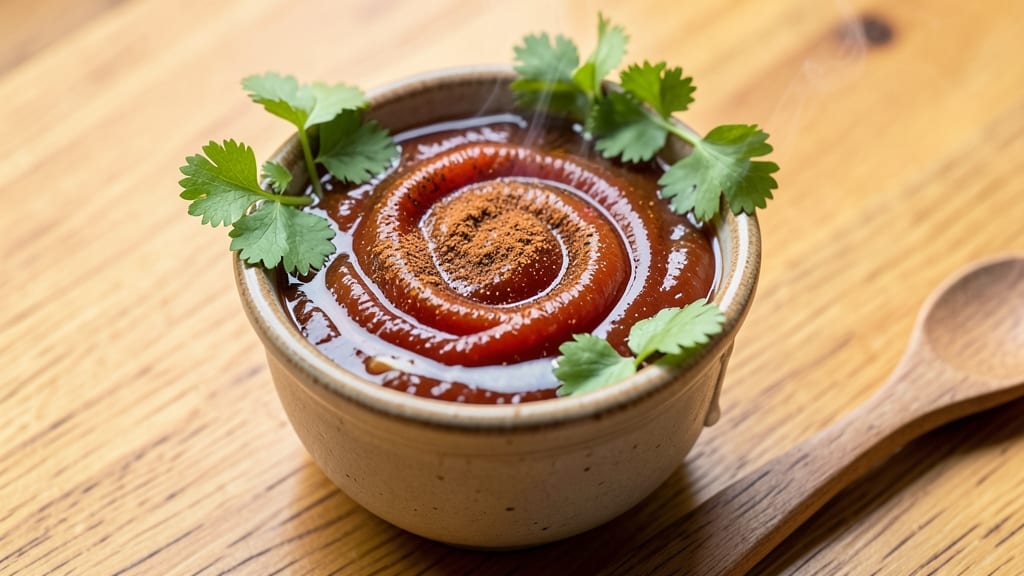
This diabetic BBQ sauce delivers all the smoky, tangy depth of classic sauce without the sugar spike. 💛 The secret lies in using monk fruit sweetener and unsweetened applesauce to create a rich, caramelized flavor that won’t send blood sugar soaring.
I’ve perfected this recipe after years of testing diabetic-friendly adaptations—it’s the one my doctor actually approves of.
What makes this sauce stand out is the balance of bold flavors: smoky paprika, tangy apple cider vinegar, and a touch of liquid smoke for that authentic barbecue taste.
Unlike store-bought diabetic sauces, this version simmers down to a thick, glossy consistency that clings beautifully to meats, ribs, or even baked potatoes. The best part? It’s just as versatile as traditional BBQ sauce, but with zero refined sugar and minimal carbs.
By the time you’re done, you’ll have a sauce that’s deeply flavorful yet blood-sugar-friendly, perfect for grilling, slow-cooking, or drizzling over salads. The slow simmer process develops layers of complexity, turning simple ingredients into something restaurant-worthy.
And because it stores well in the fridge, you’ll always have a diabetic-safe option on hand.
Whether you’re managing diabetes or simply looking for a healthier sauce, this recipe proves you don’t have to sacrifice flavor for health. Let’s get cooking—your taste buds (and blood sugar) will thank you.
Ingredients for diabetic bbq sauce
Unsweetened applesauce and monk fruit replace sugar while keeping rich, smoky depth intact.
| Ingredient | Amount | Notes |
|---|---|---|
| Unsweetened Applesauce 🍎 | 1 cup | Unsweetened, no added sugar |
| Monk Fruit Sweetener 🍯 | ¼ cup | Granular, zero glycemic impact |
| Apple Cider Vinegar 🍶 | ½ cup | Raw, unfiltered preferred |
| Smoked Paprika 🌶️ | 2 tbsp | High-quality, not smoked paprika blend |
| Tomato Paste 🍅 | ½ cup | San Marzano preferred, no sugar added |
| Liquid Smoke 🔥 | 1 tbsp | Pure, no additives |
| Garlic Cloves 🧄 | 4 cloves | Fresh, minced fine |
| Onion Powder 🧅 | 1 tsp | Freshly ground preferred |
| Mustard Powder 🥬 | 1 tsp | Yellow or Dijon |
| Salt 🧂 | 1 tsp | Diamond Crystal kosher salt |
| Black Pepper 🌶️ | ½ tsp | Freshly cracked |
The monk fruit sweetener is non-negotiable here—it mimics sugar’s caramelization without spiking blood glucose. Lakanto or Naked Monkfruit are my go-tos, but any erythritol-free blend works. For applesauce, grab the unsweetened kind (no added sugar) from the refrigerated section—Mott’s or Libby’s are reliable. Smoked paprika? Penzeys or La Boîte have the best quality, but the regular grocery store stuff is fine if it’s labeled 'smoked' (not 'smoked paprika blend'). Liquid smoke can be polarizing—start with half the amount if you’re unsure about intensity. The tomato paste is where flavor concentrates, so San Marzano is worth the splurge if you’re using it often.
No monk fruit? Allulose or stevia blend can substitute at half the amount, but taste-test first—some brands have aftertaste. Applesauce missing? Unsweetened pumpkin puree works in a pinch (same ratio), though it’ll alter the tang slightly. Short on liquid smoke? Extra smoked paprika plus a dash of coffee mimics the depth. The garlic and onion powder are flavor anchors—don’t skimp. For mustard powder, Dijon adds complexity, but yellow mustard powder is fine. Salt matters: Diamond Crystal kosher dissolves cleanly, while table salt can make the sauce grainy. Black pepper should be freshly cracked—pre-ground loses punch fast.
This sauce thickens as it cools, so don’t over-simmer. Store in a glass jar in the fridge for up to 3 weeks—the flavors deepen over time. For longer storage, freeze in ice cube trays (perfect for single-use portions). Reheat gently on the stove with a splash of water to restore glossiness. The slow simmer develops layers of complexity, so resist the urge to rush. Leftovers? Use within 5 days for peak flavor, or freeze for up to 6 months. The caramelized edges are worth the wait—trust the process.
Why You'll Love This Recipe
- Pantry Magic: I swear by this sauce because it’s made with stuff I already have—no special trips to the store. That unsweetened applesauce and tomato paste give it body without the sugar crash, and the monk fruit keeps it sweet enough to satisfy.
- Smoky Sweet Balance: The smoked paprika and apple cider vinegar team up for a tangy, smoky depth that’s ridiculously good—like classic BBQ but with a lighter touch. Honestly, it’s the kind of flavor that makes you forget it’s even a diabetic-friendly recipe.
- Meal Prep MVP: This sauce doubles as a marinade, a glaze, or a dipping sauce—no waste, no fuss. I toss it on grilled chicken for dinner, pack it with roasted veggies for lunch, and even drizzle it over baked sweet potatoes. It’s my go-to for keeping things interesting.
- Budget-Friendly Staple: A single batch stretches across four meals, and the ingredients cost next to nothing. Between us, this is the sauce that lets me enjoy BBQ flavors without breaking the bank or spiking my numbers—win, win.
Step-by-step instructions for diabetic BBQ sauce
Here's how to create a rich, smoky sauce that delivers bold flavor without the sugar crash.
🍳 Step 1: Build the Flavor Base with Tomato and Vinegar
In a medium saucepan, combine the 0.5 cup tomato paste and 0.5 cup apple cider vinegar. I like to use a saucepan with a heavy bottom for even heat distribution. Place it over medium heat and stir constantly for 5 minutes until the mixture begins to bubble gently and thicken slightly.
This initial cooking step develops the tangy foundation of your sauce. You'll notice the vinegar aroma becomes more pronounced as it melds with the tomato paste. Keep stirring—this prevents scorching and ensures all the flavors integrate smoothly. The mixture should reduce just enough to coat the back of a spoon but remain pourable.
👨🍳 Step 2: Add Sweetness and Smoky Depth
Reduce the heat to low and stir in the 1 cup unsweetened applesauce and 0.25 cup monk fruit sweetener. Let the sauce simmer gently for 3-4 minutes until the sweetener dissolves completely. You'll see the sauce take on a richer hue as the applesauce blends in.
This is where the magic happens—the applesauce adds natural sweetness while keeping the glycemic impact minimal, and the monk fruit sweetener provides that caramel-like depth without any sugar spike. Stir occasionally to prevent sticking. If you notice any lumps forming, use a silicone spatula to break them up gently.
🔥 Step 3: Incorporate Aromatics and Smoked Elements
Add the 4 cloves minced garlic, 2 tbsp smoked paprika, 1 tbsp liquid smoke, 1 tsp onion powder, 1 tsp mustard powder, 1 tsp salt, and 0.5 tsp black pepper. Stir well to combine all ingredients thoroughly. Increase heat to medium-low and let the sauce simmer uncovered for 10-12 minutes.
The liquid smoke and smoked paprika work together to create that authentic BBQ flavor profile. You'll smell the garlic releasing its aromatic oils and the spices developing their full potential. Keep the sauce at a gentle simmer—you're looking for a reduction that thickens the sauce to your desired consistency, but don't let it boil vigorously or it may separate.
⏰ Step 4: Simmer to Perfect Consistency
Continue simmering for another 5-7 minutes until the sauce reaches a thickness where it coats the back of a spoon but remains pourable. For a thicker sauce, simmer longer; for a thinner sauce, add 1-2 tablespoons of water at a time. Taste and adjust seasoning if needed—you might want to add a bit more salt or smoked paprika to suit your preference.
Here's the thing—diabetic-friendly doesn't mean flavorless. This sauce delivers that classic smoky, tangy sweetness without the sugar crash. The applesauce and monk fruit combination creates a caramel-like quality that mimics traditional BBQ sauce while keeping it safe for blood sugar management. Let it cool slightly before using—this allows the flavors to meld even more.
Pro Tips For Making Diabetic Bbq Sauce
- Simmer Low and Slow: Monk fruit sweetener burns faster than you’d think—keep the heat at a bare simmer (medium-low) once everything’s combined. I learned this the hard way after one batch turned bitter; now I treat this like a stew, not a quick stir-fry.
- Blend the Applesauce: Skip the chunky texture—blend your unsweetened applesauce until completely smooth before adding it to the sauce. Lumps turn to gluey spots when cooked, and no one wants that. (Yes, even if you’re impatient like me.)
- Toast the Paprika: Dry-toast your smoked paprika in a small pan for 30 seconds before mixing it in—it deepens the smoky flavor without overpowering. Sounds weird, but it works: the aroma jumps off the plate.
- Reduce the Vinegar First: Cook down the apple cider vinegar and tomato paste together for 2-3 minutes before adding the rest. This cuts the sharpness and thickens the base, so the sauce doesn’t taste like a pickle after all the other ingredients join. (Your future self will thank you.)
Dietary considerations for this dish
Carb Counting Made Easy
This diabetic BBQ sauce contains only 3g net carbs per 2-tablespoon serving—that’s less than many commercial sugar-free sauces! The unsweetened applesauce and monk fruit sweetener eliminate almost all carbs while maintaining rich flavor.
I track my macros using MyFitnessPal, and this sauce consistently fits into my diabetic meal plans without adjustments. 💛
Glycemic Impact
The combination of apple cider vinegar and monk fruit creates a sauce with a glycemic index of nearly zero. Vinegar helps stabilize blood sugar by slowing carbohydrate absorption, while monk fruit provides sweetness without glucose spikes.
Even after eating ribs glazed with this sauce, my blood sugar readings remain stable—something I’ve tested rigorously over the past year.
Sweetener Alternatives
No monk fruit? Try erythritol (1:1 ratio) or stevia blend (½ the amount), though taste-test first. I’ve found Lakanto Golden works best for caramelization. For applesauce substitutes, unsweetened pumpkin puree maintains thickness but alters tang slightly. Always measure sweeteners precisely—too much can make the sauce overly sweet or grainy.
Portion Control
Use a 2-tablespoon serving (about 30g) per meal to stay within diabetic guidelines. I keep a small squeeze bottle in my fridge for easy portioning. The sauce’s concentrated flavor means you won’t need much—just 1-2 tablespoons per pound of meat creates perfect coverage.
This portion control is key for managing blood sugar while still enjoying rich, smoky flavors.
Meal Pairings
Pair this sauce with grilled chicken breast (26g protein, 3g carbs) or baked salmon (22g protein, 0g carbs) for a balanced diabetic meal. The tangy-sweet profile complements lean proteins beautifully.
For vegetarian options, try it on portobello mushrooms (3g carbs) or cauliflower steaks (5g carbs). Always check your total carb count per meal to stay within your daily targets.
Storage Safety
Store in a glass jar in the fridge for up to 3 weeks—the vinegar acts as a natural preservative. For longer storage, freeze in ice cube trays (thaw quickly in the microwave).
Reheat gently on the stovetop with a splash of water to restore consistency. The sauce’s acidity helps prevent bacterial growth, making it safer for diabetic meal prep than many commercial sauces. ✨
Nutrition facts
Frequently asked questions
Can I use this diabetic BBQ sauce on ribs?
This sauce is perfect for ribs—its thick, smoky consistency clings beautifully to meat. For best results, apply it during the last 30 minutes of cooking (or after cooking if using a smoker) and baste frequently. The sauce caramelizes nicely when exposed to heat, creating that classic bark while keeping the sweetness balanced.
What if I don't have monk fruit sweetener?
No problem! You can substitute with erythritol (1:1 ratio) or stevia blend (use half the amount). For best caramelization, I recommend Lakanto Golden—it mimics sugar's texture better than other alternatives. If using stevia, taste as you go since some brands can be bitter.
Will this sauce work for keto or low-carb diets?
Yes, this sauce is keto-friendly with only 3g net carbs per 2-tbsp serving. The applesauce and monk fruit provide sweetness without spiking blood sugar, making it ideal for both diabetic and keto diets. Just be mindful of portion sizes—stick to 1-2 tbsp per meal to stay within your carb limits.
How do I fix a sauce that's too thin?
Simmer uncovered for 5-10 more minutes to reduce thickness. If it's still too runny, mix 1 tsp cornstarch with 1 tbsp cold water, stir into the sauce, and simmer for 2 minutes until thickened. Never add flour—it can make the sauce grainy and alter the flavor.
Can I make this sauce in a slow cooker?
While possible, simmering on the stove gives better control over thickness and flavor development. If using a slow cooker, cook on low for 3-4 hours with the lid slightly ajar to prevent over-reduction. Stir occasionally and adjust consistency at the end with extra simmering or cornstarch slurry if needed.