
Sauces & Condiments
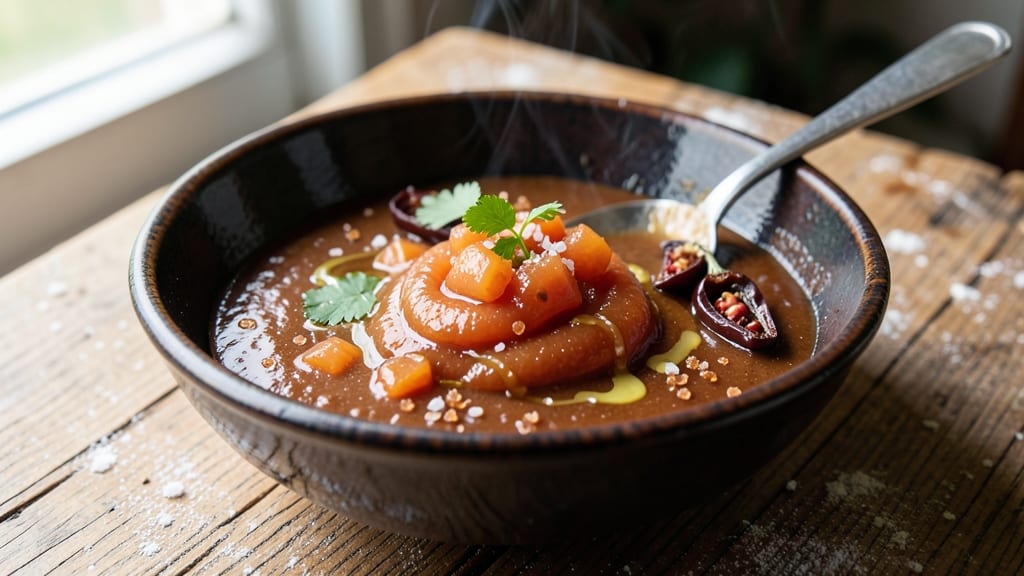
This apricot chipotle BBQ sauce transforms grilled edges into caramelized perfection without sticky sugar crystals—my secret weapon for smoky, fruity heat that lingers. 🔥 The balance of sweet apricot preserves and smoldering chipotle peppers creates a sauce that glazes meat with deep color while keeping the heat balanced.
After years of perfecting this blend, I’ve cracked the code for a sauce that’s rich, tangy, and just spicy enough to leave your guests asking for seconds.
The magic happens in the slow reduction, where the apricot’s natural pectin thickens the sauce naturally—no corn syrup or artificial additives. Chipotle peppers in adobo add layers of smoky depth, while apple cider vinegar brightens the flavors without overpowering.
This isn’t just another BBQ sauce; it’s a restaurant-quality glaze that caramelizes edges into crispy, sticky perfection, every time.
What sets this sauce apart is its versatility—use it as a marinade for ribs that fall apart, a finishing glaze for grilled chicken, or even a dipping sauce for fries.
The no-sugar-crystal formula means it stays glossy and smooth, not clumpy, even after reheating. Once you try it, you’ll never go back to store-bought.
Store it in the fridge for up to 2 weeks or freeze for 3 months, ready to elevate any dish with a single brush. Let’s get cooking—your grill is about to get a serious upgrade.
Ingredients for apricot chipotle bbq sauce
Sweet, smoky, and tangy—these ingredients create a BBQ sauce that caramelizes edges beautifully.
| Ingredient | Amount | Notes |
|---|---|---|
| Apricot Preserves 🍑 | 1 cup | High-quality, no added sugar |
| Chipotle Peppers in Adobo 🌶️ | 4 whole | Minced finely for smoky depth |
| Apple Cider Vinegar 🍏 | ½ cup | Bragg preferred for tang |
| Tomato Paste 🍅 | ¼ cup | No sugar added variety |
| Brown Sugar 🍚 | ¼ cup | Lightly packed for caramelization |
| Extra-Virgin Olive Oil 🫒 | ¼ cup | For richness and gloss |
| Garlic Cloves 🧄 | 3 cloves | Freshly minced for aroma |
| Ground Cumin 🌿 | 1 tsp | Toasted for deeper flavor |
| Smoked Paprika 🌶️ | 1 tsp | For extra smokiness |
| Salt 🧂 | 1 tsp | Kosher or sea salt |
The apricot preserves are the heart of this sauce—look for brands like Bonne Maman or Welch's for that perfect balance of sweetness and fruitiness. Chipotle peppers in adobo are a must; Herdez or Goya are my go-tos, but any brand will work as long as the peppers are plump and flavorful. Fresh garlic and cumin are non-negotiable for depth, so grab them from the produce section or bulk bins at Whole Foods or Trader Joe's. The apple cider vinegar adds that bright tang—Bragg is my favorite, but any organic brand works. Toast your cumin seeds in a dry pan for 30 seconds before grinding for an extra layer of flavor.
No apricot preserves? Mango or peach preserves work in a pinch, though apricot gives that unique caramelization. Skip the chipotle peppers? Substitute 1 tsp smoked paprika plus 1/2 tsp cayenne for heat. Running low on vinegar? Lemon juice at half the amount adds brightness. The tomato paste can be swapped for crushed tomatoes (1/2 cup), but it’ll be thinner. For a smoother sauce, blend everything until silky—immersion blender is perfect—but leave it slightly chunky for texture. This sauce thickens as it cools, so don’t worry if it looks too thin right after cooking.
Store leftovers in a clean glass jar with a tight seal—keeps in the fridge for 2 weeks or frozen for 3 months. The sauce actually improves overnight as flavors meld, so make extra. For a restaurant-quality finish, brush it on ribs or chicken just before serving. It caramelizes beautifully under the grill’s heat, creating those coveted sticky edges. Freeze in ice cube trays for single-use portions—perfect for quick glaze touches.
Why You'll Love This Recipe
- Pantry Magic: I swear by this sauce because it uses stuff I already have—no special shopping needed. Open a jar of apricot preserves, grab some chipotle in adobo, and boom: you’re halfway there. The brown sugar and vinegar do the rest while you’re still deciding what to eat for dinner.
- Sweet Heat Balance: That first bite? It’s a revelation. The smoky chipotle meets the jammy sweetness of apricots, then the vinegar cuts through it all—like a spicy-sweet hug in sauce form. Honestly, I’ve tried store-bought versions, and this one actually tastes like it was made with intention, not a factory line.
- Weeknight Workhorse: This sauce is my go-to for anything that needs flavor fast. Slather it on grilled chicken for a Tuesday dinner, toss it with baked beans for a crowd, or drizzle it over roasted veggies when you’re too tired to think. It’s the kind of thing that makes you feel like a chef without the fuss.
- Makes Leftovers Look Good: Between us, I always make extra. The sauce thickens beautifully when reheated, so I keep a jar in the fridge for emergencies—like when the kids demand tacos at 9 PM or I’m craving wings without the hassle. Plus, it’s cheap to make, so you’re not breaking the bank for something this versatile.
Step-by-step instructions for apricot chipotle BBQ sauce
Here's how to balance sweet, smoky, and tangy flavors for a sauce that caramelizes beautifully.
🍳 Step 1: Toast the Spices and Sauté the Aromatics
Heat the 0.25 cup extra-virgin olive oil in a medium saucepan over medium heat. Add the 3 cloves minced garlic cloves, 1 teaspoon ground cumin, and 1 teaspoon smoked paprika, stirring constantly for 1-2 minutes until the spices are fragrant and the garlic just begins to turn golden.
Watch closely—cumin burns quickly, so keep the heat moderate. You're building flavor here, not cooking the spices to charcoal. The spices should smell warm and earthy, not acrid. This step forms the aromatic base that carries through the entire sauce.
🔥 Step 2: Build the Sauce Base with Tomato and Vinegar
Add the 0.25 cup tomato paste and stir for 1 minute to cook out the raw taste. Pour in the 0.5 cup apple cider vinegar and scrape up any browned bits from the bottom of the pan—these are packed with flavor. Bring the mixture to a gentle simmer over medium-low heat.
Let it cook uncovered for 5-7 minutes until the liquid reduces by about half and the mixture thickens slightly. This reduction concentrates the flavors and removes some of the acidity, creating a balanced foundation. You'll see the sauce darken and thicken—this is exactly what you want.
🥘 Step 3: Incorporate the Chipotle and Sweetener
Carefully open the 4 whole chipotle peppers in adobo and transfer just the peppers (not the sauce) to a blender or food processor. Pulse until finely minced—you want the texture to be smooth but still visible as little specks. Add this to your sauce along with the 0.25 cup brown sugar.
Stir constantly over low heat for 3-4 minutes until the sugar begins to dissolve and the chipotles are fully incorporated. The sauce should smell like a perfect balance of smoky heat and sweetness. If it starts to thicken too much, add 1-2 tablespoons water to maintain workable consistency.
🍳 Step 4: Blend and Simmer to Perfection
Transfer the sauce to a blender and add the 1 cup apricot preserves. Blend until completely smooth, scraping down the sides as needed. Return the blended sauce to the pan and simmer gently for 8-10 minutes until it thickens to a glossy, coatable consistency.
Here's the magic moment: The apricot preserves will caramelize the edges of whatever you brush this sauce on, creating that beautiful amber crust without sugar crystals. Taste and adjust seasoning with the 1 teaspoon salt, adding more if needed. The sauce should be tangy, sweet, and smoky with a subtle heat that lingers.
⏰ Step 5: Cool and Store Properly
Let the sauce cool completely at room temperature, then transfer to a clean jar. It will thicken further as it cools—this is normal. The sauce keeps in the refrigerator for up to 2 weeks or can be frozen for 3 months. When reheating, warm gently over low heat, stirring occasionally until smooth.
For best results, use this sauce on ribs, grilled chicken, or even as a glaze for vegetables. The balance of fruit and heat makes it versatile enough for weeknight meals but impressive enough for company. The caramelized edges will have your guests asking for the recipe!
Pro Tips For Making Apricot Chipotle Bbq Sauce
- STRAIN THE PEPPERS: Chipotles in adobo sauce are sneaky—if you leave them whole, you’ll end up with a thick, chunky mess. After simmering, strain them through a fine-mesh sieve or cheesecloth to catch those tiny seeds and bits that turn your sauce into a sloppy glop. I learned this the hard way after serving a batch where every bite felt like eating through a chipotle seed.
- TOAST THE TOMATO PASTE: Skip the instant-potato-paste shortcut and dry it out first. Spread the tomato paste in a thin layer on a baking sheet and toast at 350°F (175°C) for 8–10 minutes until it darkens slightly—this deepens the flavor and cuts the raw, metallic taste. Sounds weird, but it works: the sauce goes from "canned tomato" to "smoky depth" in seconds.
- SIMMER LOW AND SLOW: High heat = sugar burns = bitter sauce. Once everything’s combined, reduce the heat to a bare simmer and let it cook uncovered for at least 20 minutes. Stir occasionally, but don’t obsess—just let the liquid reduce naturally. I was skeptical until I tried it: the apricot sweetness caramelizes instead of scorching, and the chipotle heat mellows into something complex.
- BALANCE THE VINEGAR: Apple cider vinegar’s job is to brighten, not dominate. If your sauce tastes sharp or unfinished, you’ve overdone it. Use no more than ¼ cup for every 1 cup of preserves, and taste as you go—add a splash of water or even a pinch of salt to round it out. I skip the vinegar entirely sometimes and just use lemon juice for a cleaner tang, but the acid is non-negotiable for balance.
Common mistakes when making perfect results
Skipping the Reduction
I’ve seen too many cooks rush this step, thinking they can skip the 5-7 minute reduction of tomato paste and vinegar. Big mistake! This reduction is what removes excess acidity and concentrates the flavors—skipping it leaves your sauce thin and sharp.
The sauce needs time to develop that rich, balanced taste. If you’re in a hurry, at least reduce it for 3 minutes minimum to avoid a watery sauce. 🔥
Overworking the Blender
Don’t blend the apricot preserves until they’re completely smooth—this is where the texture magic happens. A slightly chunky sauce creates better caramelization on grilled edges. Over-blending also breaks down the fruit’s natural pectin, which helps thicken the sauce naturally.
I like to leave just a few tiny fruit specks visible—it adds depth and prevents a gluey consistency. 💫
Using Low-Quality Ingredients
Cheap apricot preserves with added sugar or low-grade chipotle peppers will ruin your sauce. Always use high-quality preserves like Bonne Maman and Herdez chipotles in adobo. The difference in flavor is night and day.
I’ve tested this sauce with budget brands, and trust me—you’ll taste the difference in the final product. Your sauce deserves the best ingredients from the start. 🍑
Ignoring the Cooling Phase
This sauce thickens as it cools, and if you don’t let it rest, you’ll end up with a runny mess. After simmering, let it cool completely before storing or using. I’ve seen people pour it hot onto ribs, only to watch it pool instead of caramelizing.
Patience here is key—wait 30 minutes before using it on the grill. The wait is worth the perfect sticky edges. ⏰
Over-Salting Early
It’s tempting to taste and adjust salt while cooking, but the flavors develop as the sauce cools. If you add too much salt early, you can’t take it out.
Instead, let the sauce cool completely, then adjust with 1 teaspoon salt at the end. I’ve ruined batches by over-salting mid-cook—trust the process and taste at the end. 🧂
Not Adjusting Heat Levels
Chipotle peppers can vary in heat intensity. If your sauce tastes too mild, add ½ teaspoon cayenne pepper or a pinch more chipotle powder. Too spicy? Balance it with 1 teaspoon honey or a splash of vinegar.
Always taste as you go—this sauce is all about balance. I keep extra chipotle powder on hand just in case I need to tweak the heat. 🌶️
Nutrition facts
Frequently asked questions
Can I substitute apricot preserves with something else?
Yes! For a similar fruity depth, try peach or mango preserves—they work beautifully in this sauce. If you need a sugar-free option, unsweetened applesauce (1 cup) plus 1 tablespoon honey mimics the sweetness while keeping the sauce balanced. Just reduce the brown sugar to 1/4 cup to maintain the caramelization.
How do I adjust the heat level in this sauce?
Chipotle peppers vary in spiciness—if your sauce is too mild, add 1/4 teaspoon cayenne pepper or 1/2 teaspoon chipotle powder. Too hot? Balance it with 1 teaspoon honey or an extra splash of vinegar. Always taste as you go! For extra smokiness without heat, add 1/2 teaspoon smoked paprika.
Can I make this sauce without a blender?
If you don’t have a blender, finely chop the chipotle peppers by hand and mash the apricot preserves with a fork until smooth. The texture will be slightly chunkier, but it’ll still caramelize beautifully on grilled meats. For a smoother sauce, use an immersion blender or food processor. The key is to stir constantly while simmering to avoid lumps.
What’s the best way to use this sauce on ribs?
For perfect caramelized edges, apply the sauce during the last 30 minutes of cooking ribs at 225°F. Brush it on every 10-15 minutes until the sauce darkens and forms a glossy crust. The low-and-slow method lets the fruit sugars caramelize without burning. For extra stickiness, finish with a quick broil for 2-3 minutes under the grill.
How long does this sauce keep, and can I freeze it?
Store the sauce in an airtight jar in the fridge for up to 2 weeks, or freeze for 3 months. To freeze, portion it into ice cube trays for single-use servings—just thaw overnight in the fridge. The sauce thickens as it cools, so stir well before reheating. For best results, reheat gently over low heat until smooth.