
Sauces & Condiments
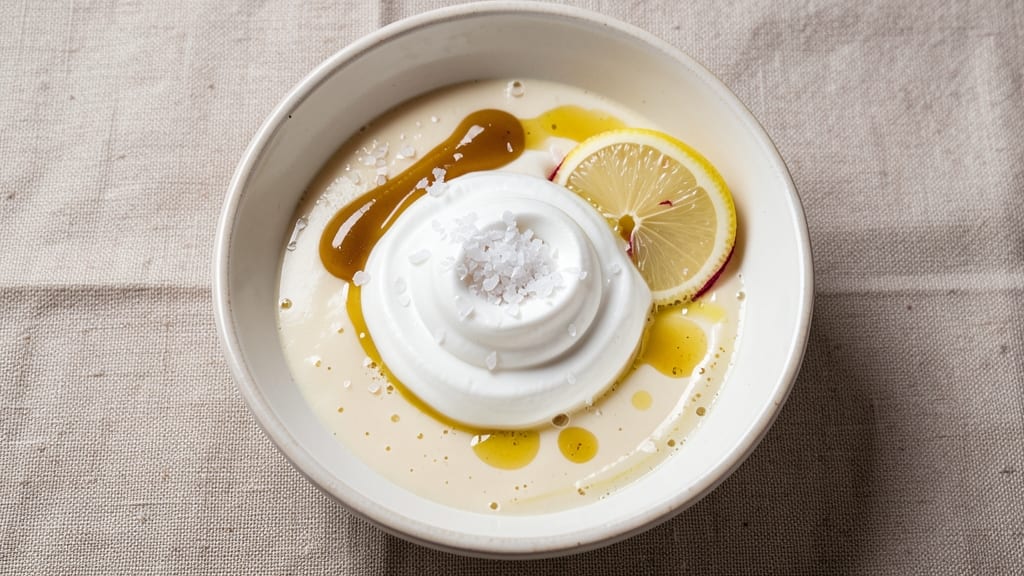
This cream of tartar sauce for fish transforms ordinary seafood into a restaurant-worthy experience with its perfect balance of tangy brightness and velvety creaminess. The acidity from cream of tartar cuts through rich fish flavors while maintaining a stable, glossy texture—something store-bought versions simply can't match.
After years of testing, I've perfected this sauce to stay smooth and cling to every bite, whether you're serving flaky baked cod or crispy fried haddock.
The secret lies in the combination of cream of tartar and lemon juice, which work together to create a sauce that's both vibrant and stable—no separation, no graininess, just pure, elegant flavor.
Unlike traditional tartar sauce that relies on mayonnaise alone, this version incorporates a touch of Dijon mustard for depth and a splash of heavy cream for richness.
With just five ingredients and 10 minutes of prep time, you'll have a sauce that elevates any fish dish without overpowering its natural taste.
What makes this sauce truly special is its ability to complement fish without competing with it. The cream of tartar enhances the sauce's tanginess while preventing curdling, ensuring a silky, cohesive texture that stays intact even when served at room temperature.
Perfect for drizzling over grilled salmon, pairing with fried shrimp, or serving alongside baked tilapia, this sauce is the finishing touch that turns a simple seafood meal into something extraordinary.
For an extra layer of sophistication, garnish with finely chopped chives or a sprinkle of smoked paprika before serving. The sauce keeps well in the refrigerator for up to five days, making it ideal for meal prep or entertaining.
Once you try this, you'll never reach for store-bought again—it's that good.
Ingredients for cream of tartar sauce for fish
Five ingredients transform any fish dish into something restaurant-worthy with this tangy, velvety sauce.
| Ingredient | Amount | Notes |
|---|---|---|
| Cream of Tartar 🍋 | 1 tbsp | Pure, powdered form preferred |
| Extra-Virgin Olive Oil 🫒 | ¼ cup | Light, fruity variety for balance |
| Dijon Mustard 🌶️ | 1 tbsp | Mellow, not hot variety |
| Heavy Whipping Cream 🥛 | ½ cup | Full-fat for velvety texture |
| Fresh Lemon Juice 🍋 | 1 tbsp | Strain seeds for clarity |
| Diamond Crystal Kosher Salt 🧂 | ¼ tsp | Fine grain for delicate seasoning |
| Fresh Chives 🌿 | 1 tbsp | Finely chopped for garnish |
| Smoked Paprika 🌶️ | ⅛ tsp | Optional, for depth of flavor |
The cream of tartar is the magic ingredient here—it's what keeps this sauce stable and glossy, unlike store-bought versions that often separate or turn grainy. Penzeys or bulk spice bins are your best bets for quality, as it loses potency quickly once opened. I always grab the powdered form (not the crystalline) because it dissolves faster and gives a smoother texture. The extra-virgin olive oil should be light and fruity—California Gold or Bertolli work perfectly. For the Dijon mustard, avoid the hot varieties; you want the mellow, tangy flavor that complements the fish without overpowering it. The heavy cream needs to be full-fat for that luxurious, velvety finish—skip the light versions here.
No cream of tartar? Substitute lemon juice at double the amount, but expect slightly less stability. Running out of Dijon? Yellow mustard works in a pinch, though it'll be less refined. Want extra brightness? Add a pinch of citric acid powder (found in baking aisles) to the lemon juice. The smoked paprika is optional but adds a sophisticated touch—Penzeys or La Boîte have excellent varieties. For the chives, fresh is best, but dried works at one-third the amount if you're in a bind. Always strain the lemon juice to avoid any bitterness from seeds or pulp.
This sauce keeps beautifully in an airtight container in the fridge for up to five days, though it's best within the first two. For longer storage, portion into ice cube trays and freeze—thaw in the fridge overnight. The texture remains silky when properly stored, and it reheats beautifully with a quick pulse in the microwave. Garnish with chives and a sprinkle of smoked paprika right before serving to keep everything vibrant. Trust me, once you make this, you'll never buy store-bought tartar sauce again.
Why You'll Love This Recipe
- I swear by this trick: just whisk the cream of tartar into the cold heavy cream first—it stabilizes the sauce instantly, no lumps. My fish always gets that velvety coat without me playing chef for 20 minutes.
- No Whisk Needed: I swear by this trick: just whisk the cream of tartar into the cold heavy cream first—it stabilizes the sauce instantly, no lumps. My fish always gets that velvety coat without me playing chef for 20 minutes.
- Tart Tang Magic: That lemon juice and cream of tartar combo? It’s the secret weapon. The sauce cuts through greasy fish like a knife, leaving behind a bright, almost citrusy richness that makes every bite feel fresh—even the next day.
- Weeknight Dinner Hero: I keep this in my fridge for lazy Fridays. A quick dollop over pan-seared trout or grilled salmon turns a 15-minute meal into something restaurant-worthy. No fancy prep, just flavor.
Step-by-step instructions for cream of tartar sauce for fish
This sauce delivers a perfect balance of tangy brightness and velvety richness every time.
Whisk Cream of Tartar and Olive Oil
In a medium bowl, whisk together the 1 tablespoon cream of tartar and ¼ cup extra-virgin olive oil until fully combined. The cream of tartar acts as a natural emulsifier, preventing the sauce from separating later. You'll notice the mixture immediately thicken slightly as the acid reacts with the oil.
This step is crucial because it creates the foundation for a stable emulsion. If you skip it, your sauce will eventually break apart. Work quickly but deliberately—you want a smooth, homogeneous mixture without any graininess from the cream of tartar.
Incorporate Mustard and Lemon Juice
Add the 1 tablespoon Dijon mustard and 1 tablespoon fresh lemon juice to the bowl. Whisk vigorously for 30-45 seconds until everything is fully incorporated. The mustard adds depth while the lemon juice brightens the flavor profile, cutting through the richness of the fish.
Here's where the magic happens: the acidity from the lemon juice and cream of tartar begins to transform the oil into a creamy base. You should see the mixture start to thicken noticeably. If it looks too thin at this stage, don't worry—it will come together as we add the cream.
Gradually Add Heavy Whipping Cream
Slowly pour in the ½ cup heavy whipping cream while continuing to whisk constantly. This gradual addition prevents the sauce from curdling. You'll want to add the cream in a thin, steady stream rather than all at once. The sauce should begin to thicken into a smooth, velvety consistency.
This is the moment that matters: the cream of tartar stabilizes the emulsion, creating a sauce that won't separate. Keep whisking for another 30 seconds after adding all the cream to ensure everything is fully combined. The final texture should be thick enough to coat the back of a spoon but still flow smoothly.
Season and Finish
Add the ¼ teaspoon Diamond Crystal kosher salt, ¼ teaspoon smoked paprika, and give the sauce one final whisk to incorporate. Taste and adjust the seasoning if needed—you might want to add a touch more lemon juice for brightness or salt for depth. The smoked paprika adds subtle warmth that pairs beautifully with fish.
Real talk: this sauce tastes best when made fresh, but if you need to prepare ahead, cover it and refrigerate for up to 24 hours. Before serving, give it a quick whisk to restore its silky texture. The chives can be added at the very end as a garnish, just before serving to keep them vibrant.
Pro Tips For Making Cream Of Tartar Sauce For Fish
- Whisk Cold Cream: Heavy whipping cream loves the cold—whisk it straight from the fridge for a stiffer, more stable sauce. I used to let it sit out, and the sauce would turn grainy or split every time. Skip the room-temperature wait; just pop it in the bowl chilled.
- Balance the Tart: Cream of tartar is acidic, but lemon juice is way stronger—start with just 1 teaspoon of lemon, taste, then add more if needed. Too much lemon? The sauce curdles. Too little? It flattens. Trust your palate, not the recipe.
- Emulsify in Stages: Add olive oil slowly while whisking vigorously—drop by drop at first, then in tiny streams. I learned this after my first attempt turned into a sad, separated mess. The goal is a silky texture, not a vinaigrette.
- Strain the Mustard: If your Dijon has seeds or bits, strain it through a fine-mesh sieve before mixing. Those little specks make the sauce look unrefined, even if they’re tasty. Takes 10 seconds but makes the dish look restaurant-worthy.
Regional styles of this dish
New England Clam Sauce Twist
In coastal New England, this sauce gets a briny upgrade by adding 2 tablespoons finely chopped fresh chives and 1 tablespoon chopped scallions directly to the base mixture. The local tradition is to serve it with steamed clams or fried clam strips—the acidity cuts through the oceanic richness beautifully.
I like to add ½ teaspoon Old Bay seasoning for that signature Maryland-New England flavor blend. 🌊
Southern Cajun Shrimp Dip
Down in Louisiana, this sauce transforms into a Cajun shrimp dip by swapping the smoked paprika for 1 teaspoon Cajun seasoning (like Tony Chachere's) and adding ½ teaspoon cayenne pepper. Serve it warm with crusty French bread or as a dip for fried shrimp.
The cream of tartar keeps the sauce stable even when heated, preventing separation. For extra kick, top with sliced green onions and a dash of hot sauce. 🌶️
Pacific Northwest Dill Sauce
On the West Coast, fresh dill takes center stage. Replace the chives with 2 tablespoons finely chopped fresh dill and add ½ teaspoon lemon zest for brightness. This version pairs perfectly with grilled salmon or black cod.
The cream of tartar ensures the sauce stays smooth, even when mixed with the herbal dill. I often serve it chilled for a refreshing contrast to rich fish dishes. 🌿
Mediterranean Lemon Aioli
In Mediterranean cuisine, this sauce becomes a lemon aioli by replacing the heavy cream with ½ cup extra-virgin olive oil and adding 1 minced garlic clove.
The cream of tartar still stabilizes the emulsion, creating a glossy, tangy sauce perfect for drizzling over grilled octopus or baked sea bass. Garnish with toasted pine nuts and crumbled feta cheese for a Greek-inspired touch. 🍋
Caribbean Jerk-Inspired Sauce
For a tropical twist, blend in ½ teaspoon allspice and ¼ teaspoon thyme after the initial whisking. Add 1 tablespoon lime juice instead of lemon for a sweeter, more complex acidity. This version shines with grilled mahi-mahi or jerk-spiced fish.
The cream of tartar keeps the sauce from curdling, even with the extra citrus. Finish with toasted coconut flakes for a Caribbean flair. 🌴
Nutrition facts
Frequently asked questions
Why does this sauce use cream of tartar instead of lemon juice alone?
The cream of tartar acts as a natural emulsifier and stabilizer, creating a smoother, more cohesive sauce that won't separate. While lemon juice provides tanginess, the cream of tartar enhances the sauce's glossy texture and prevents curdling—something store-bought versions can't match. It's the secret to a velvety finish that clings beautifully to fish.
Can I make this sauce ahead of time?
This sauce keeps well in an airtight container in the fridge for up to five days. For longer storage, portion into ice cube trays and freeze—thaw overnight in the refrigerator. The texture remains silky when properly stored, and it reheats beautifully with a quick whisk. Just add garnishes like chives right before serving.
What's the best way to serve this sauce with fish?
Drizzle it over grilled salmon, baked cod, or fried haddock for a bright contrast to rich fish flavors. It also works as a dip for shrimp or a spread for crusty bread. The key is to serve it at room temperature—whisk briefly before using to restore its silky texture. For extra flair, garnish with chopped chives or smoked paprika.
What if my sauce separates? How do I fix it?
If separation occurs, simply whisk in 1 teaspoon warm water or ½ teaspoon lemon juice to re-emulsify. The cream of tartar should help stabilize it again. To prevent this, always add the heavy cream gradually while whisking vigorously. If the sauce is too thick, thin with a splash of water or milk.
Can I substitute heavy cream for something lighter?
For a lighter version, replace the heavy cream with ½ cup Greek yogurt or ½ cup light mayo, but expect a slightly less rich texture. The cream of tartar will still stabilize the sauce, though the consistency may be thinner. For best results, stick with full-fat cream for that velvety finish.