
Sauces & Condiments
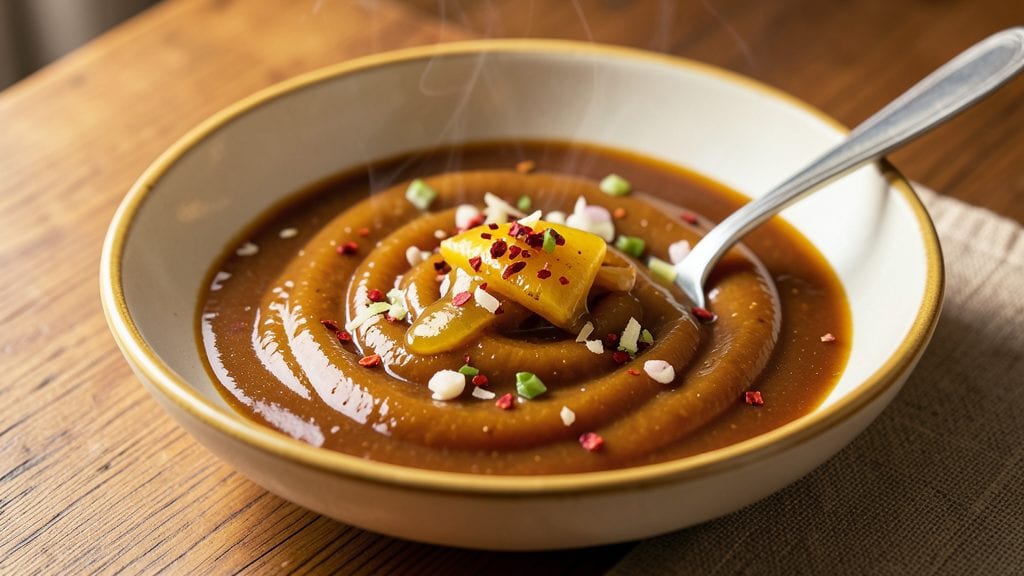
This copycat Polynesian sauce recipe delivers the same tropical sweetness and tangy depth you love from the chain—just without the markup.
The secret lies in balancing pineapple juice’s bright acidity with rich soy sauce and a touch of honey, creating a versatile glaze that works as a marinade, dipping sauce, or finishing touch for grilled meats and seafood.
I’ve perfected this sauce over years of testing, ensuring it stays true to the original while adapting to home kitchens.
The beauty of this recipe is its simplicity: just five core ingredients come together in a single pan, simmered until the flavors meld into a perfectly balanced sauce. No complicated techniques required—just patience and a few minutes of attention.
The result is a glossy, slightly sticky sauce with notes of caramelized garlic, ginger, and a hint of spice that elevates any dish it touches.
What makes this sauce truly special is its versatility. Use it as a glaze for grilled chicken or pork, a marinade for shrimp skewers, or a dipping sauce for spring rolls—it’s equally at home in savory and slightly sweet applications.
The sauce keeps well in the refrigerator for up to two weeks, or you can freeze it for longer storage, making it a perfect addition to your pantry for quick weeknight meals.
Once you try this copycat version, you’ll never need to settle for the bottled stuff again. The flavors are bold, the texture is just right, and the process is straightforward—proof that restaurant-quality sauces are well within reach at home. Let’s get started!
Ingredients for copycat polynesian sauce
Five simple ingredients transform into restaurant-quality Polynesian sauce perfect for grilling or dipping.
| Ingredient | Amount | Notes |
|---|---|---|
| Pineapple Juice 🍍 | 1 cup | Freshly squeezed preferred |
| Soy Sauce 🥢 | ½ cup | Light or dark variety |
| Honey 🍯 | ¼ cup | Wildflower or clover preferred |
| Garlic Cloves 🧄 | 4 cloves | Minced for caramelization |
| Fresh Ginger 🌿 | 2 tbsp | Finely grated, organic preferred |
| Red Pepper Flakes 🌶️ | 1 tsp | Adjust for heat preference |
| Extra-Virgin Olive Oil 🫒 | 1 tbsp | For finishing drizzle |
| Lime Juice 🍋 | 1 tbsp | Freshly squeezed |
| Salt 🧂 | ½ tsp | Kosher or sea salt |
The pineapple juice is your flavor anchor—Dole or Del Monte cans work great, but fresh is better if you can get it. Trader Joe's often has organic pineapple juice that adds extra depth. Ginger and garlic are non-negotiable here; organic ginger from the produce section has the best zing. I always grab a whole head of ginger and grate what I need—it keeps for weeks in the freezer. The soy sauce should be the good stuff, not the cheap stuff from the middle aisle. Kikkoman or Pearl River Bridge are solid choices for that authentic umami punch.
No pineapple juice? Coconut water plus a splash of lemon gets you close, though it'll be slightly lighter. Short on honey? Maple syrup works 1:1, but you'll lose that floral complexity. The red pepper flakes can be swapped for 1/2 tsp cayenne powder if you prefer a smoother heat. For extra richness, stir in 1 tbsp brown sugar at the end. The sauce thickens as it cools, so if it's too thin, simmer uncovered for another 2-3 minutes. Trust me, the balance of sweet, salty, and spicy is what makes this sauce sing.
This sauce keeps beautifully—2 weeks in the fridge sealed in a jar. For longer storage, freeze in ice cube trays and transfer to a bag. Thaws perfectly with a quick microwave zap. The flavor actually improves after a day or two as everything melds. I like to make a big batch and keep it on hand for quick weeknight meals. It's perfect for grilling, stir-fries, or even drizzled over popcorn for a sweet-savory snack.
Why You'll Love This Recipe
- Five-Ingredient Magic: I swear, this sauce is the kind of recipe that makes me feel like a genius—because it actually is genius. Just blend pineapple juice, soy sauce, honey, minced garlic, and ginger, then simmer. No fancy techniques, no hidden steps, just pure, tangy-sweet perfection.
- Tropical Umami Bomb: That balance of pineapple’s bright acidity and soy’s deep savoriness? It’s ridiculously addictive. The honey rounds it out while the ginger adds a little kick—like a vacation in a bottle, but way cheaper.
- Taco Night to BBQ: Honestly, I’ve drizzled this over grilled chicken, tossed it with rice, and even used it as a glaze for baked salmon. It works with protein, veggies, or even as a marinade—no rules, just flavor.
- Leftovers That Don’t Suck: Between us, most sauces turn sad after day two. Not this one. The flavors actually deepened in my fridge, so I just reheat and use it again. Budget win, time win, and zero food waste.
Step-by-step instructions for Polynesian sauce
This sauce delivers that signature tropical sweetness with a perfect balance of heat and umami.
Prepare the Aromatics
In a medium saucepan, combine the 1 cup pineapple juice, 0.5 cup soy sauce, 0.25 cup honey, 4 cloves garlic cloves (minced), 2 tbsp fresh ginger (finely grated), and 0.5 tsp salt. I like to use a wooden spoon here—it helps prevent scratching the pan.
Place the saucepan over medium-high heat and bring the mixture to a gentle boil. You'll notice the aromatics start to dissolve almost immediately, releasing their fragrant oils into the liquid. Let it boil vigorously for 3-4 minutes until the mixture reduces slightly and the garlic becomes fragrant.
Here's the thing—don't walk away during this step. The garlic and ginger can burn quickly, and you want them to caramelize just enough to add depth without turning bitter. Watch for the mixture to bubble steadily and reduce by about ¼ cup—that's your visual cue it's ready for the next stage.
Simmer and Thicken
Once the mixture reaches a gentle boil, reduce the heat to medium-low and let it simmer uncovered for 10-12 minutes. This slow reduction is what develops that rich, syrupy consistency that makes this sauce so special.
Stir occasionally with your wooden spoon, making sure to scrape up any browned bits from the bottom of the pan. These bits pack serious flavor—don't let them go to waste. As it simmers, you'll notice the sauce darkening slightly and thickening. It should coat the back of a spoon when you lift it for a taste test.
If the sauce starts to stick or looks like it's reducing too quickly, add 1-2 tablespoons of water to keep it moving. The goal is a glossy, thick sauce that's still pourable but clings beautifully to proteins or noodles. This is where the magic happens—patience pays off with a sauce that's perfectly balanced between sweet, salty, and slightly spicy.
Add Heat and Finish
After 10-12 minutes of simmering, stir in the 1 tsp red pepper flakes and 1 tbsp lime juice. The red pepper flakes will infuse heat gradually, while the lime juice brightens the entire sauce with a citrusy tang. Give it a quick stir to distribute everything evenly.
Let the sauce simmer for another 2-3 minutes—just long enough for the flavors to meld together. You'll smell that perfect combination of tropical sweetness, umami from the soy sauce, and a hint of spicy kick. Taste it now and adjust if needed: add a pinch more salt if it needs more depth, or a splash more lime juice if you want more brightness.
For the final touch, remove the sauce from heat and stir in the 1 tbsp extra-virgin olive oil. This adds a silky texture and helps the sauce cling better to whatever you're serving it over. Let it sit for 1-2 minutes off the heat—this resting period allows all the flavors to fully integrate. The sauce should be thick enough to coat the back of a spoon but still flow smoothly.
Pro Tips For Making Copycat Polynesian Sauce
- Simmer Slow and Steady: This sauce isn’t a race—bring it to a gentle boil first, then drop to the lowest heat possible. I’ve seen it turn bitter when rushed, and that’s a flavor crime you don’t want to commit. Keep it at a whisper of a simmer for 15-20 minutes, stirring occasionally so the honey doesn’t scorch.
- Grate, Don’t Mince Ginger: Fresh ginger loses its punch when finely minced—it oxidizes too fast. Instead, use a box grater for thin strips or quick pulses in a food processor. This keeps the zing alive longer, especially when simmered with garlic. (Yes, even if you’re impatient like me.)
- Balance the Soy First: Taste the soy sauce alone before adding it to the pot. If it’s salty, cut the honey slightly—this sauce needs harmony. I learned this the hard way after overdoing the soy and ending up with a gloppy, one-note mess. Start with 2 tablespoons and adjust.
- Strain for Smoothness: Unless you’re going for rustic texture, strain the sauce through a fine-mesh sieve after cooking. The garlic and ginger bits add depth, but a silky finish makes all the difference—especially when drizzled over grilled meats or noodles. (Your future self will thank you.)
Creative variations of this dish
Tropical Glazes
Use this sauce as a glaze for grilled meats or roasted veggies—its sticky-sweet profile caramelizes beautifully. Brush onto pork chops or shrimp skewers in the last 5-7 minutes of cooking for a glossy finish.
For extra drama, toss pineapple chunks in the sauce and grill alongside your protein. I love using it on teriyaki-style chicken thighs—the tropical notes complement the meat perfectly. 🍍
Marinade Magic
Double the recipe to use as a marinade for grilled salmon or beef skewers. Let the protein soak for at least 2 hours (or overnight for deeper flavor). The sauce's acidity tenderizes while infusing bold Polynesian flavors.
I always reserve ¼ cup of the marinade to use as a finishing sauce after cooking—just simmer it briefly to thicken. For extra richness, add 1 tbsp coconut milk to the marinade. 🌊
Dipping Sauce
Serve this sauce as a dipping sauce for spring rolls, fried wontons, or grilled prawns. Its balanced sweet-spicy profile cuts through fried foods beautifully. For a restaurant-style presentation, chill the sauce for 30 minutes before serving—it thickens slightly and becomes even more clingy.
I like to garnish with toasted sesame seeds or cilantro for freshness. It’s also fantastic with crispy tofu for a vegetarian option. 🥢
Pasta Perfection
Toss linguine or soba noodles with this sauce for a quick Polynesian-inspired pasta. Add sliced bell peppers and scallions for crunch. The sauce’s tangy-sweet balance works surprisingly well with rice noodles too.
For extra depth, stir in 1 tbsp fish sauce after cooking. This version is a game-changer for weeknight dinners—ready in 15 minutes! 🍜
Sweet-Savory Popcorn
Yes, you read that right! Drizzle this sauce over popped popcorn for a sweet-savory snack. The heat from the red pepper flakes balances the sweetness, while the umami from the soy sauce adds depth.
Toss lightly so the popcorn stays crispy. I like to add crushed peanuts for texture—it’s a crowd-pleaser at parties. 🍿
Breakfast Twist
Use this sauce as a glaze for breakfast—brush onto pancakes or French toast before serving. The tropical flavors pair surprisingly well with syrup and whipped cream.
For a savory option, drizzle over scrambled eggs with crispy bacon. It’s a fun way to start the day with a taste of the tropics! 🍳
Nutrition facts
Frequently asked questions
Can I make this Polynesian sauce without honey?
Swap the honey for maple syrup or agave nectar in a 1:1 ratio. For a deeper caramel note, try 1/4 cup brown sugar instead—just reduce the sauce slightly longer to achieve the same thickness. The sauce will still have that signature sweet-tangy balance, just with a slightly different texture.
How can I make this sauce spicier?
Double the red pepper flakes to 2 teaspoons for noticeable heat, or add 1/2 teaspoon cayenne powder instead. For a smoky kick, stir in 1/2 teaspoon smoked paprika at the end. Always taste as you go—you can adjust after simmering, but you can't take out the heat once it's in!
What's the best way to store leftover sauce?
Store in an airtight container in the fridge for up to 2 weeks. For longer storage, freeze in ice cube trays or small containers. Thaw overnight in the fridge—never microwave directly from frozen. The sauce actually tastes better after a day or two as flavors meld. Pro tip: Label with the date to track freshness.
Can I use this sauce on vegetables?
Yes! It works beautifully as a glaze for grilled eggplant, asparagus, or bell peppers. Toss roasted veggies in the sauce during the last 5 minutes of cooking for caramelization. The tropical flavors complement earthy vegetables perfectly. Just reduce the sauce slightly longer if using on high-moisture veggies like zucchini.
Why did my sauce turn out too thin?
This usually happens if you didn't simmer long enough or added too much liquid. Next time, simmer uncovered for 15-20 minutes total to reduce properly. If it's still too thin, return to low heat and simmer for another 5 minutes. For a quicker fix, mix 1 teaspoon cornstarch with 1 tablespoon water, stir into the sauce, and cook for 2 minutes until thickened.