
Sauces & Condiments
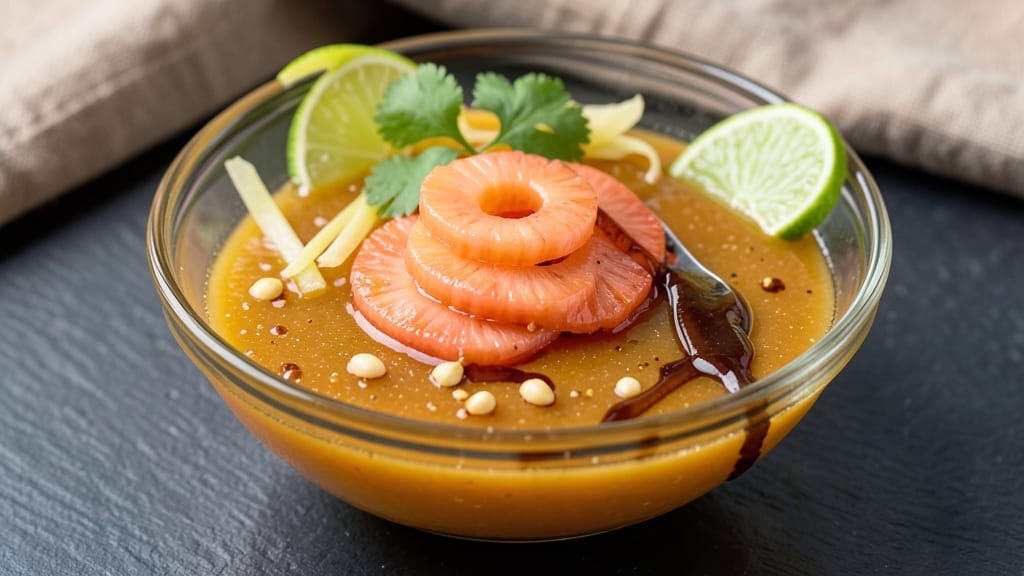
This Asian pineapple sauce recipe transforms grilled meats into a tropical feast with its perfect balance of sweet, tangy, and umami flavors. 🌟 The secret lies in simmering pineapple juice with aromatic ginger, garlic, and soy sauce until the sugars caramelize just enough to create a glossy, clingy glaze.
I developed this sauce after craving that same bold, fruity punch I loved from my favorite Asian street food stalls—now you can recreate it at home with just a few pantry staples.
The beauty of this sauce is its versatility—it works as a marinade for chicken or pork, a dipping sauce for spring rolls, or a glaze for grilled shrimp. The combination of brown sugar and rice vinegar creates that signature sweet-tangy profile, while a touch of sesame oil adds depth.
What makes it special is how it enhances rather than overpowers the natural flavors of your protein, creating a harmonious balance in every bite.
What you’ll end up with is a vibrant, glossy sauce that clings beautifully to grilled meats, offering a sticky-sweet contrast to smoky charred surfaces. The aroma alone will have everyone at the table anticipating the first bite.
Best of all, it takes just 15 minutes to make, with most of that time spent simmering while you prep your main dish.
Once you try this sauce, you’ll never go back to store-bought versions. It’s the kind of condiment that elevates simple grilled meats into something extraordinary—perfect for weeknight dinners or weekend cookouts. Let’s get started!
Ingredients for asian pineapple sauce
Pantry staples meet tropical flavors—this sauce is your new go-to glaze!
| Ingredient | Amount | Notes |
|---|---|---|
| Pineapple Juice 🍍 | 1 cup | Freshly squeezed preferred |
| Brown Sugar 🍚 | ½ cup | Light or dark works |
| Rice Vinegar 🍶 | ¼ cup | Seasoned or unseasoned |
| Soy Sauce 🍶 | ¼ cup | Light or dark preferred |
| Fresh Ginger 🌿 | 2 tbsp | Grated, aromatic |
| Garlic Cloves 🧄 | 3 cloves | Minced, fresh preferred |
| Sesame Oil 🫒 | 1 tbsp | Toasted, for aroma |
| Cornstarch 🌾 | 1 tsp | For thickening |
| Water 💧 | 1 tbsp | For slurry |
| Salt 🧂 | ½ tsp | Kosher or sea salt |
The pineapple juice is everything here—canned pineapple juice works, but freshly squeezed packs extra zing. Grab the Dole or Del Monte brands for consistent quality, or squeeze your own if you've got fresh pineapple. Ginger and garlic? Fresh is non-negotiable—dried just won't cut it. The brown sugar should be light unless you're going for a deeper caramel note. I always double-check my soy sauce—Kikkoman is my standby, but any light soy works. Pro tip: Toast your sesame oil in a dry pan for 30 seconds before adding—amplifies that nutty aroma.
No rice vinegar? Apple cider vinegar works in a pinch, though it’ll taste slightly different. Short on brown sugar? White sugar plus a pinch of cinnamon gets you close. The cornstarch slurry is key for that glossy finish—mix it well with cold water before adding. Sesame oil too pricey? Skip it—the sauce will still be delicious, just missing that nutty depth. Fresh ginger turning moldy? Freeze it whole—grate straight from frozen, no thawing needed.
This sauce keeps beautifully—1 week in the fridge sealed tight. For longer storage, freeze in ice cube trays, then transfer to a bag. Thaw overnight in the fridge before using. I always make a double batch—one for grilling, one to stash for next week’s takeout night. The flavors actually improve after a day or two as everything melds together. Trust me, it’s worth the extra minute of simmering—that caramelized depth is what makes it special.
Why You'll Love This Recipe
- Pantry in 10 Minutes: This sauce comes together faster than I can finish a podcast episode. Just simmer pineapple juice, brown sugar, and ginger—no peeling, no dicing, no fuss. Honestly, the only prep is grating a thumb-sized ginger chunk, and even that’s optional if you’re in a rush.
- Sweet-Savory Magic: That perfect balance of brown sugar’s caramel depth and rice vinegar’s bright tang? Chef’s kiss. The soy sauce adds umami without overpowering, while the ginger gives it this warm, spicy kick that makes it taste like it simmered for hours—not 15 minutes.
- Drizzle Everywhere: Use it on grilled chicken, toss it with rice, or pour it over store-bought fried rice (yes, even on a Tuesday night). It’s my go-to for takeout-style flavors without the wait, and it turns bland leftovers into something that actually gets eaten.
- Budget-Friendly Staple: Brown sugar and rice vinegar last forever, and a single can of pineapple juice makes way more sauce than you’d think. I’ve made this for potlucks, family dinners, and even as a quick glaze—it’s the kind of recipe that pays for itself in versatility.
Step-by-step instructions for Asian pineapple sauce
This tropical drizzle comes together faster than you can say "umami bomb."
🍳 Step 1: Bloom the Aromatics in Toasted Sesame Oil
Heat a small saucepan over medium-low heat and add the 1 tablespoon sesame oil. Let it warm for 30 seconds until fragrant—you'll smell that nutty, toasty aroma. Then add the 2 tablespoons grated fresh ginger and 3 minced garlic cloves, stirring constantly for 1 minute until they become golden and sizzling.
Here's the thing—don't walk away. Garlic burns in seconds, and you want those aromatics to infuse the oil without turning bitter. The moment they release their aroma and turn golden, you're ready for the next step. This aromatic base is the flavor foundation of your sauce, so take your time here.
🥘 Step 2: Combine Wet Ingredients and Simmer
Increase heat to medium and add the 1 cup pineapple juice, 0.5 cup brown sugar, 0.25 cup rice vinegar, 0.25 cup soy sauce, and 0.5 teaspoon salt. Stir well to combine, then bring the mixture to a gentle boil. Once boiling, reduce heat to medium-low and let it simmer uncovered for 8-10 minutes until slightly thickened.
You'll notice the sauce reducing and becoming glossy—this is when the flavors start melding together. The pineapple juice will bubble gently, and the sugar will begin to caramelize slightly at the edges. Stir occasionally to prevent sticking, and taste after 5 minutes to check the balance of sweet, tangy, and salty flavors. If it needs more sweetness, add a pinch more brown sugar; if it's too sharp, a splash of pineapple juice helps.
⏰ Step 3: Thicken with Cornstarch Slurry
In a small bowl, whisk together the 1 teaspoon cornstarch and 1 tablespoon water until completely dissolved. This is your thickening slurry, and it's the secret to getting that perfect glossy consistency. Once smooth, slowly pour it into the simmering sauce while stirring constantly with a wooden spoon.
Watch closely as the sauce thickens—it should take about 1-2 minutes to reach a syrupy consistency that coats the back of a spoon. If it thickens too quickly, add a splash of hot water to loosen it. The sauce should be glossy and coat a spoon but still be pourable. Real talk: this is the moment that matters, so don't rush it. You want that perfect balance between thick enough to cling and thin enough to drizzle.
🍽️ Step 4: Finish with Final Adjustments
Remove the sauce from heat and let it cool for 5 minutes. Taste and adjust the seasoning—this is your chance to fine-tune the balance. If it needs more tang, add a splash of rice vinegar; if it needs more depth, a drizzle of soy sauce helps. The sauce should be sweet, tangy, and slightly salty with a hint of ginger and garlic.
Once satisfied, transfer the sauce to a clean jar or bowl. It will continue to thicken slightly as it cools, so don't worry if it looks a bit runny while warm. This sauce is best served at room temperature, so let it sit for 10 minutes before using. It keeps in the refrigerator for up to 1 week, making it perfect for batch cooking and drizzling over grilled meats, noodles, or even ice cream for a tropical twist!
Pro Tips For Making Asian Pineapple Sauce
- Simmer Slow and Steady: This isn’t a race—reduce the sauce over medium-low heat until it thickens to coat the back of a spoon. I used to blast it on high and end up with a thin, syrupy mess that clings to everything but the food. Let it bubble gently, stirring occasionally, and you’ll get that glossy, clingy consistency that actually sticks to grilled chicken or noodles.
- Grate Ginger Like a Pro: Skip the mincer unless you’re in a hurry. Use a microplane or sharp knife to grate fresh ginger into a fine paste—this releases more flavor without the fibrous texture. Pack it into the sauce while it’s hot so it melts right in; no straining required. (Yes, even if you’re impatient like me.)
- Balance the Sweet and Sour: Taste as you go, but don’t overcorrect. Start with 1:1:1 ratios of pineapple juice, rice vinegar, and soy sauce, then adjust. Too sweet? Add a splash more vinegar. Too sharp? A pinch more brown sugar. The goal is a sauce that’s bright, not cloying, and the numbers will guide you better than guesswork.
- Strain for Smoothness (Optional): If you’re serving this over delicate dishes like sushi or poached fish, strain out the ginger fibers with a fine-mesh sieve. It’s extra work, but the result is silky, not gritty—worth it when you’re pairing it with something refined. (I skip it for stir-fries, but your future self might thank you for this step.)
Essential equipment for perfect results
Small Saucepan
This recipe comes together in a small 2-quart saucepan—I prefer Calphalon stainless steel for its even heat distribution and non-reactive surface. If you don’t have one, any medium-sized saucepan with sloped sides will work, but avoid nonstick if possible since the sauce needs to caramelize slightly.
The key is finding a pan that fits your ingredients snugly for better heat control and flavor concentration. 🔥
Wooden Spoon
A long-handled wooden spoon (I use Oxo Good Grips) is essential for stirring without scratching your pan. Wood distributes heat better than metal and won’t react with the acidic rice vinegar.
Avoid plastic spoons—they can melt under high heat. The spoon should be at least 12 inches long to keep your hands safe from the simmering sauce.
Fine-Mesh Strainer
If you prefer a smooth, seed-free sauce, a fine-mesh strainer (like OXO Good Grips) catches any lingering ginger or garlic bits. Skip this step if you like texture, but I find straining makes the sauce silky and professional-looking.
For extra smoothness, press the strained pulp with the back of a spoon to extract every last drop of flavor. 💫
Small Mixing Bowl
For the cornstarch slurry, grab a small mixing bowl (I like Pyrex glass for its durability). Whisk the 1 tsp cornstarch and 1 tbsp water until fully dissolved—this prevents clumping and ensures a glossy finish.
A small ramekin works too, but avoid metal bowls if they’re reactive. Pro tip: Use cold water for the slurry to prevent premature thickening.
Measuring Spoons
Precision matters with sesame oil, cornstarch, and salt—use stainless steel measuring spoons (I recommend EZ Measure) for accuracy. A 1/4-cup measure helps with the rice vinegar and soy sauce, while a 1/8-tsp measure ensures perfect salt balance.
Cheap plastic spoons can warp or hold flavors, so invest in a set if yours are worn out.
Storage Container
Store your sauce in an airtight glass jar (like Le Parfait) or BPA-free plastic container for up to 1 week in the fridge. Glass preserves flavor better, but plastic is lighter for travel.
Label the container with the date—this sauce tastes even better after 24 hours as flavors meld. For longer storage, freeze in ice cube trays and transfer to a bag for easy single-use portions. ❄️
Nutrition facts
Frequently asked questions
Can I substitute fresh pineapple for pineapple juice in this sauce?
You can try, but it won't work the same way. Fresh pineapple chunks will make the sauce watery and require much longer cooking to break down completely. If you want to use fresh pineapple, blend it first to extract the juice, then strain out the pulp. For best results, stick with pineapple juice—it gives you that perfect balance of sweetness and acidity without the extra moisture.
How do I adjust the sweetness level if I don't like it too sugary?
Start by reducing the brown sugar to 0.375 cup (6 tablespoons) and taste after simmering. If it still needs more balance, add 1-2 tablespoons of rice vinegar to enhance the tangy notes. For a different approach, swap half the brown sugar for honey—it adds floral notes that complement the pineapple beautifully while keeping the sweetness more nuanced.
Can I make this sauce without cornstarch? What's the best alternative?
If you're avoiding cornstarch, try a 1:1 ratio of arrowroot powder instead—it thickens similarly without altering the flavor. For a grain-free option, simmer the sauce uncovered for 12-15 minutes instead of 8-10, letting it reduce naturally. Just stir frequently to prevent sticking. The sauce will be slightly thicker but still glossy and delicious.
What's the best way to use this sauce with grilled meats?
For maximum flavor, use it as a marinade for 30-60 minutes before grilling, then brush on during the last 5 minutes of cooking. For extra shine, reduce the sauce by half before applying. It also works perfectly as a dipping sauce for grilled chicken skewers or as a glaze for pork chops. The key is to let the sauce sit for 10 minutes after making—it thickens as it cools and clings beautifully to meat.
Can I make this sauce ahead of time? How long will it keep?
This sauce actually tastes better the next day! Store it in an airtight container in the fridge for up to 1 week. The flavors meld together beautifully, and the texture becomes even more velvety. For longer storage, freeze in ice cube trays, then transfer to a bag. Thaw overnight in the fridge before using—no microwave needed!