
Sauces & Condiments
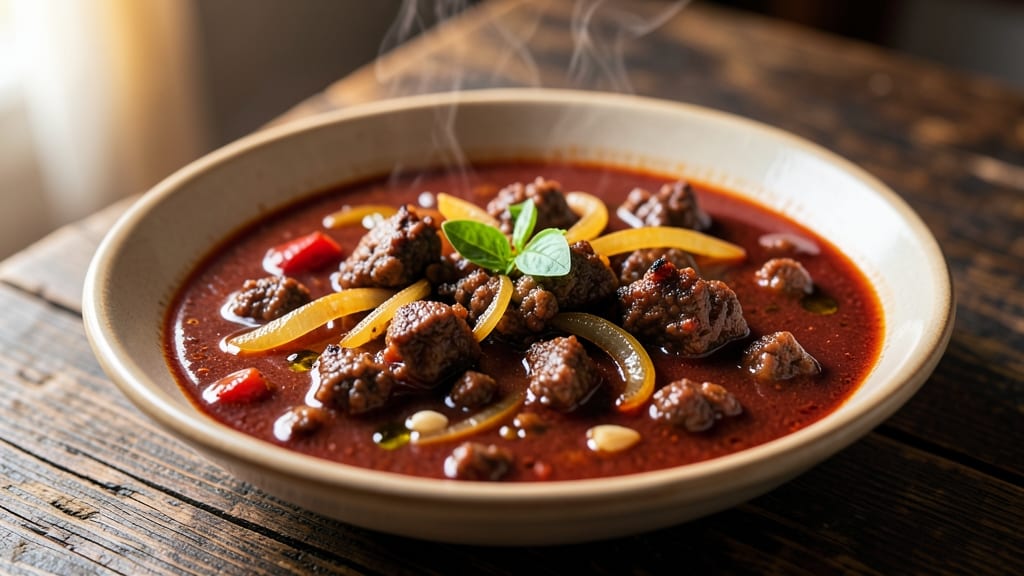
This classic ragu sauce recipe delivers the deep, slow-simmered richness that elevates every pasta dish from ordinary to extraordinary. The secret lies in patience—letting meat brown deeply, wine reduce to aromatic intensity, and tomatoes meld into a velvety, umami-packed sauce that clings to noodles like a second skin.
After years of perfecting this technique, I’ve cracked the code for restaurant-quality results at home, with just a few essential ingredients and a willingness to let flavors develop over time.
The foundation of great ragu starts with properly browning ground meat—this step unlocks layers of flavor that no shortcut can replicate. A splash of red wine deglazes the pan, infusing the sauce with depth, while crushed tomatoes and aromatics like onions and garlic build the sauce’s complex base.
The long, slow simmer (at least 2 hours) transforms these simple ingredients into something luxurious, with a texture that’s neither too thick nor too thin—just right for twirling onto al dente pasta.
What you’ll end up with is a sauce so rich and flavorful it turns even the simplest pasta into a showstopper. The aroma alone will have everyone gathering at the table, and each forkful delivers a perfect balance of meaty depth, tangy tomato, and aromatic herbs.
This isn’t just a sauce—it’s the heart of Italian comfort food, versatile enough to pair with meatballs, braised vegetables, or even as a hearty soup base.
Best of all, this ragu improves with time, making it ideal for meal prep or feeding a crowd. Let’s get started on creating your perfect, slow-simmered masterpiece—one that will have you reaching for the recipe again and again.
Ingredients for classic ragu sauce
Nine essential ingredients transform into the richest ragu you'll ever make—simple, but nothing short of extraordinary.
| Ingredient | Amount | Notes |
|---|---|---|
| Ground Beef (Chuck) 🥩 | 1 ½ lb | 80% lean, finely ground |
| Yellow Onion 🧅 | 1 whole | Medium, finely diced |
| Garlic Cloves 🧄 | 4 cloves | Fresh, minced |
| Dry Red Wine 🍷 | 1 cup | Bold, like Cabernet |
| Crushed Tomatoes 🍅 | 28 oz | San Marzano preferred |
| Tomato Paste 🍅 | 2 tbsp | Smooth, not chunky |
| Fresh Rosemary 🌿 | ¼ cup | Chopped, or 1 tbsp dried |
| Fresh Thyme 🌿 | ¼ cup | Leaves only, or 1 tsp dried |
| Extra-Virgin Olive Oil 🫒 | ½ cup | High quality, fruity |
| Beef Broth 💧 | 1 ½ cups | Low-sodium preferred |
| Salt 🧂 | 1 ½ tsp | Kosher or sea salt |
| Black Pepper 🌶️ | ½ tsp | Freshly ground |
The beef is non-negotiable—80% lean chuck gives that deep, meaty flavor. Costco or Whole Foods usually have the best quality, but any grocery store's ground chuck works if it's fresh. Look for vibrant color and avoid pre-ground meat that's been sitting for weeks. The San Marzano tomatoes are a game-changer here—sweeter, less acidic, and packed with flavor. Grab a can or two from Trader Joe's or any Italian market. Fresh herbs make all the difference, but if you're short on time, dried works at one-third the amount. Just make sure your red wine is bold—Cabernet Sauvignon or Merlot are perfect.
No red wine? Substitute beef broth with a splash of balsamic vinegar—it adds that tangy depth. Fresh herbs wilting? Dried oregano or basil (half the amount) keeps the flavor profile intact. The tomato paste can be skipped if you're using high-quality crushed tomatoes, but I always include it—it thickens the sauce beautifully. Trader Joe's sells those little squeeze tubes that are perfect for this. For extra richness, add a splash of heavy cream at the end (about 2 tbsp), but traditionalists will swear by the wine-only version. The beef broth? Use the low-sodium kind unless you're okay with extra salt later.
This sauce gets better with time—3-4 days in the fridge is ideal, and it freezes beautifully for up to 6 months. Portion into containers for easy reheating. When reheating, add a splash of water or broth to loosen it up. Leftovers? Toss with pasta, spoon over polenta, or use as a braising liquid for chicken. The aroma alone will have everyone rushing to the table—trust me, it's worth the wait.
Why You'll Love This Recipe
- Wine Lifts Everything: That splash of dry red wine? It’s the secret weapon—deglazing the pan while adding depth that turns simple beef into something rich and layered. Honestly, the difference between this and plain tomato sauce is night and day.
- One-Pot Magic: Minimal chopping, zero fuss. Brown the beef, toss in onions and garlic, then let the wine and tomatoes do the work while you stir occasionally. One pot, one spatula, and you’re done—no fancy gadgets needed.
- Leftovers That Beg for Seconds: This sauce only gets better after a day or two in the fridge. The flavors meld like old friends, making it my go-to for lazy weeknights when I’m too tired to cook but still crave something hearty.
Step-by-step instructions for slow-simmered ragu sauce
Here's how to create that perfect, rich ragu that clings to every strand of pasta.
Sear the Ground Beef Until Deeply Browned
Heat the 0.5 cup extra-virgin olive oil in a large Dutch oven over medium-high heat. Add the 1.5 lb ground beef (chuck) and break it apart with a wooden spoon, letting it brown in batches to avoid overcrowding. This step is crucial—you want the meat to develop that deep, caramelized crust that forms the flavor foundation.
Cook for 8-10 minutes, stirring occasionally, until the beef is deep brown and no longer pink. The fat should render out and coat the bottom of the pan. Use a slotted spoon to transfer the browned beef to a plate, leaving all that delicious browned fat behind—this is where all the flavor lives. Don't drain the fat; we'll use it to build our sauce.
Build the Aromatic Base with Onions and Garlic
In the same Dutch oven, add the 1 whole yellow onion and cook for 5-6 minutes until softened and golden. Here's where it gets good—add the 4 cloves minced garlic and the 2 tbsp tomato paste, stirring constantly for 1 minute until fragrant. The tomato paste will deepen the sauce's richness, and the garlic will infuse its aromatic punch.
Real talk: Don't let the garlic burn. Watch it like a hawk—it goes from delicious to bitter in seconds. If it starts to darken too quickly, remove the pan from heat for 10 seconds to cool it down before continuing. You want it golden, not blackened.
Deglaze with Red Wine and Simmer the Tomatoes
Pour in the 1 cup dry red wine and scrape up all those browned bits from the bottom of the pan. This deglazing step captures all the meaty flavor that would otherwise disappear. Let the wine simmer for 3-4 minutes until it reduces by half and the alcohol burns off completely—you'll smell it when it's ready.
Add the 28 oz crushed tomatoes, 1.5 cups beef broth, 0.25 cup fresh rosemary, and 0.25 cup fresh thyme. Stir well to combine, then bring the mixture to a gentle simmer. Here's the thing—this sauce needs time to develop its depth. Partially cover the Dutch oven and let it simmer at a low, steady bubble for 45 minutes, stirring occasionally to prevent sticking.
Slow-Cook Until Thick and Rich
After the initial 45 minutes, uncover the sauce and continue simmering for another 1-1.5 hours. This is where the magic happens—the sauce will thicken as the liquid reduces, and the flavors meld into that perfect umami richness. Stir occasionally, and if the sauce gets too thick, add 1-2 tablespoons of water to maintain consistency.
About 30 minutes before the sauce is done, season with 1.5 tsp salt and 0.5 tsp black pepper. Taste it—you want it to be rich, slightly tangy, and deeply flavorful. If it needs more depth, you can add a pinch of sugar to balance any acidity from the tomatoes. The sauce should coat the back of a spoon and have a velvety texture.
Finish and Serve Over Pasta
Once the sauce reaches your desired consistency—thick enough to cling to pasta but still smooth—remove it from heat. Let it rest for 10 minutes to settle and thicken further. This resting period is key; it allows the flavors to fully meld and the sauce to reach its peak texture.
Serve the ragu immediately over al dente pasta, like tagliatelle or pappardelle. The sauce should coat each strand perfectly, delivering layers of beefy richness, herbal notes, and that perfect balance of acidity and sweetness. If you've made extra, it keeps well in the fridge for 3-4 days or freezes beautifully for up to 3 months—just reheat it gently on the stove and add a splash of water or broth to loosen it up.
Pro Tips For Making Classic Ragu Sauce
- CRUSH THAT ONION: Don’t just chop—grate the onion on the large holes of a box grater. It renders faster and sweeter, melting into the ragu instead of sitting as chunks. I used to dice it like I would for a salad, and it always felt like I was chewing.
- DEGLAZE WITH PATIENCE: After browning the beef, let the pan cool for 2 minutes before adding wine. The residual fat will release cleaner, and you’ll avoid a sudden, bubbling mess that scatters everywhere. I learned this the hard way—my first three attempts looked like a crime scene.
- SAVE THE WINE STALK: Strain the crushed tomatoes through a fine-mesh sieve to remove skins and seeds. It’s messy, but the sauce will be silky, not grainy. I skip this when I’m tired, and the texture suffers—trust me, your pasta will notice.
- LOW AND SLOW WINS: After adding the wine and tomatoes, reduce heat to a simmer immediately—not just low. Too high, and the alcohol burns off too fast, leaving a harsh taste. A gentle bubble is all you need; let it work its magic for at least 45 minutes. Rushing this step is how you end up with sad, thin sauce.
Storing and reheating this recipe
Fridge Storage Secrets
Let your ragu cool completely before transferring it to airtight glass containers—I swear by Pyrex with snap-on lids. Store in the fridge for up to 4 days, but honestly? The flavors deepen overnight, making it even more complex.
The sauce thickens slightly when chilled, so stir in 1-2 tablespoons of water or beef broth before reheating to restore that silky texture. 💫
Freezer Prep Like a Pro
For long-term storage, portion ragu into freezer-safe containers or quart-sized silicone bags, leaving 1-inch headspace for expansion. Label with the date—this sauce freezes beautifully for 3-6 months without losing flavor.
When ready to use, thaw overnight in the fridge, then reheat gently on the stovetop with a splash of liquid.
Stovetop Reheating
This is my go-to method because it preserves texture perfectly. Pour chilled ragu into a heavy-bottomed pot (I use my Lodge cast iron) and warm over medium-low heat for 10-15 minutes, stirring occasionally.
Add 2-3 tablespoons of water or beef broth if it looks too thick—this prevents scorching and keeps the sauce luscious. Taste and adjust seasoning; reheated ragu often needs a pinch of salt or black pepper.
Microwave Shortcuts
For quick meals, transfer 1-2 servings to a microwave-safe bowl and heat on 50% power for 2-3 minutes, stirring halfway. Add 1 tablespoon of water if the sauce separates.
Avoid full power—it can make the sauce grainy. I only use this method when I'm truly in a rush, but the stovetop version is always better. 🔥
Reviving Thickened Sauce
If your ragu thickens too much after storage, don't panic. Simply stir in 1-2 tablespoons of warm water, beef broth, or even red wine (about ¼ cup total) while reheating.
The sauce should return to its velvety consistency without losing flavor. For extra richness, finish with a drizzle of extra-virgin olive oil—it adds silkiness and balances acidity.
Leftovers Reinvented
Turn your ragu into something new! Use it as a braising liquid for chicken thighs, spoon over creamy polenta, or mix with mashed potatoes for a hearty twist.
Even better, freeze portions in ice cube trays for easy single-serving additions to soups or grain bowls. The possibilities are endless—just don't let it go to waste! ✨
Nutrition facts
Frequently asked questions
Can I make this ragu sauce without wine?
The wine adds depth and helps deglaze the pan, but you can substitute with 1 cup beef broth plus 1 tablespoon balsamic vinegar for similar acidity. The flavor will be slightly different but still delicious. For best results, use a bold red wine like Cabernet Sauvignon—it enhances the umami profile.
How do I know when the ragu is fully cooked?
Your sauce is ready when it coats the back of a spoon smoothly and has reduced to a thick, velvety consistency (about 2-2.5 hours total simmering time). The meat should be tender, and the sauce should smell deeply aromatic with no raw tomato or wine notes. Taste it—it should be rich, slightly tangy, and well-balanced.
What's the best pasta to pair with this sauce?
Wide, flat noodles like tagliatelle, pappardelle, or fettuccine work best—they hold the sauce beautifully. For extra texture, try rigatoni or penne. Avoid thin strands like spaghetti—the sauce may slide off. Cook pasta al dente (1 minute less than package instructions) to prevent mushiness.
Why did my ragu turn out too acidic?
This usually happens if the tomatoes were too tart or if the wine didn't fully reduce. Balance it by adding a pinch of sugar (½ tsp) or a splash of beef broth to dilute acidity. For future batches, use San Marzano tomatoes (less acidic) and let the wine simmer until fully reduced (no alcohol smell).
Can I make this sauce in a slow cooker?
Yes! Brown the meat in a skillet first, then transfer everything to the slow cooker. Cook on low for 6-8 hours or high for 3-4 hours, stirring occasionally. The texture will be slightly looser, so reduce it further on the stovetop before serving. The slow cooker method is perfect for hands-off prep.