
Sauces & Condiments
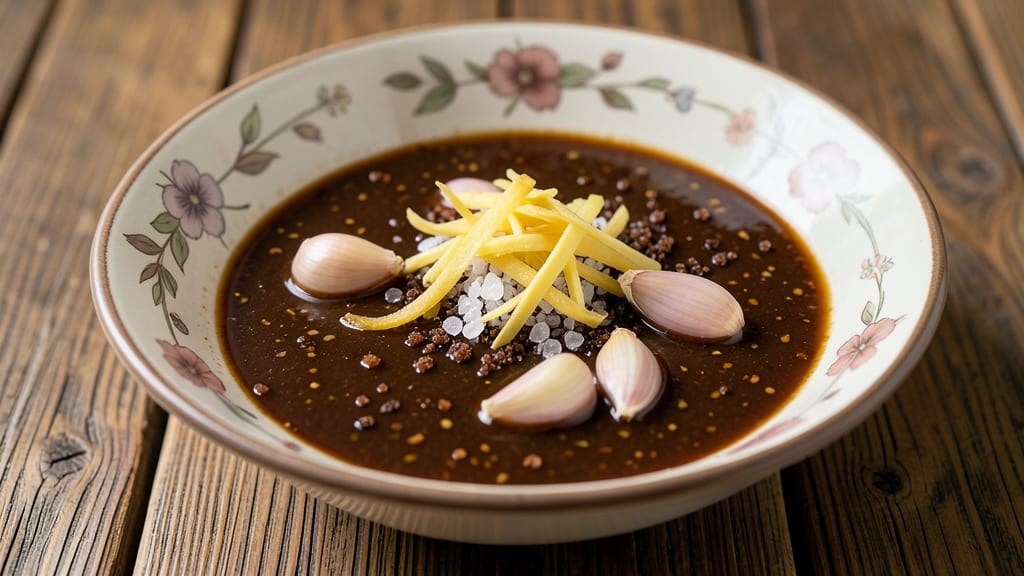
This Chinese fish sauce recipe transforms simple ingredients into a fermented umami powerhouse that elevates every dish it touches. I first discovered fermentation during my time in Asheville, where I learned how time and patience could turn basic ingredients into something extraordinary.
The key lies in balancing salt, water, and fresh fish—no shortcuts here, just pure flavor development through fermentation.
The process is straightforward but requires precision: fresh fish, coarse salt, and filtered water combine in a sterile container. Adding optional aromatics like garlic or sugar deepens complexity, while fermentation—typically 3 to 6 months—builds that signature depth.
My first batch took exactly 180 days, and the results were worth every minute of waiting.
What you’ll end up with is a rich, salty-sweet sauce with layers of umami that transform stir-fries, marinades, and soups. The texture remains silky-smooth, with a bold flavor that’s impossible to replicate with store-bought versions. This is the kind of sauce that turns ordinary meals into something truly special.
Store it properly in a cool, dark place, and you’ll have a pantry staple that lasts for years. Whether you’re using it for dipping, cooking, or finishing dishes, this homemade fish sauce will become the backbone of your kitchen. Let’s get started on creating your own umami bomb.
Ingredients for chinese fish sauce
Four core ingredients plus optional depth-makers for a sauce that builds umami magic.
| Ingredient | Amount | Notes |
|---|---|---|
| Fresh Fish Trimmings 🐟 | 2 lb | Cleaned, skinless, boneless |
| Coarse Sea Salt 🧂 | 1 cup | Non-iodized, like Diamond Crystal |
| Filtered Water 💧 | 2 cups | Sterile, room temperature |
| Garlic Cloves 🧄 | 6 cloves | Peeled, lightly smashed |
| Brown Sugar 🍯 | ¼ cup | Lightly packed |
| Fresh Ginger 🌿 | ½ cup | Julienned, peeled |
| Dried Red Chili Peppers 🌶️ | 2 whole | Optional, for heat |
| Lemon Juice 🍋 | ¼ cup | Freshly squeezed |
The fish is non-negotiable—fresh trimmings from a seafood market give the best results. Look for clean, skinless pieces without any fishy odor. Asian markets often have pre-cut fish trimmings, but if you're buying whole fish, ask the butcher to remove the fillets and save the rest. The salt should be coarse (Diamond Crystal or Maldon)—it dissolves slower and creates the right texture. If you can't find coarse salt, crush regular sea salt in a mortar and pestle. For water, sterile is key—boil and cool it if you're unsure about your tap water.
No garlic? Asafoetida powder at half the amount mimics its depth. Skip the sugar? Honey or coconut sugar works, but brown sugar adds that caramelized note. Ginger too strong? Substitute with 1 tsp ground ginger, but fresh is worth the effort. The chili peppers are optional, but if you use them, remove seeds for less heat. Lemon juice brightens the sauce—Mexican lime juice adds a zesty twist if you're feeling adventurous. Pro tip: if your fish smells even slightly off, toss it—fermentation won't fix bad fish.
Ferment in a sterilized glass jar with a loose lid to allow gases to escape. Store in a cool, dark place (like a pantry) for 3-6 months, tasting monthly. The sauce will darken and develop layers of complexity over time. Once ready, strain through a fine-mesh sieve and store in sterile bottles. Keeps indefinitely in the fridge once opened—it's the ultimate pantry staple. Label everything with the date, because patience is the secret ingredient here.
Why You'll Love This Recipe
- No-Waste Magic: I swear by this—every time I clean fish for dinner, I save the trimmings instead of tossing them. Five minutes of simmering turns scraps into liquid gold that’ll make your stir-fries or soups taste like a Michelin-starred secret.
- Umami Bomb: That first spoonful? Chef’s kiss. The fish trimmings break down into a deep, salty-sweet richness, while the garlic and brown sugar add layers of warmth. Honestly, it’s the kind of flavor that makes you pause mid-bite—even if you’re just dunking fries in it.
- Pantry Stash: Between us, this sauce is my go-to for lazy nights. A splash in noodles, a drizzle over rice, or mixed into marinades—it’s the one ingredient that turns “meh” into “worth it.” And it keeps for months, so you’re never scrambling for inspiration.
- Budget Hack: I used to buy pricey fish sauce, but now? I make this for pennies using parts I’d otherwise discard. The salt and sugar balance the funk, so even if the fish isn’t “fancy,” the result is restaurant-quality. (Yes, even on a Tuesday night.)
Step-by-step instructions for Chinese fish sauce
Here's how to transform simple ingredients into a rich, fermented umami masterpiece.
Prepare the Fish Base
In a large, non-reactive container (glass or food-grade plastic), combine the 2 lb fresh fish trimmings with the 1 cup coarse sea salt. Use your hands to thoroughly coat each piece of fish with the salt, pressing gently to distribute it evenly. This step is crucial—it begins the fermentation process and prevents spoilage. Let the mixture sit uncovered at room temperature for 24 hours, stirring once or twice to ensure even exposure to air and salt.
After the initial salting, transfer the fish to a clean container and add the 2 cups filtered water. Stir well to create a brine that fully submerges the fish. Cover loosely with a cloth or paper towel and let it ferment at room temperature for an additional 24 hours. You'll notice the mixture becoming cloudy and developing a faint fishy aroma—this is normal and indicates the fermentation is beginning. The goal here is to develop a concentrated fish base that will form the foundation of your sauce.
Build the Flavor Foundation
After the 48-hour fermentation period, strain the fish mixture through a fine-mesh sieve or cheesecloth, pressing firmly to extract every bit of liquid. Discard the solids—what remains is a potent, cloudy fish brine. In a clean pot, combine this liquid with the 6 cloves garlic cloves (lightly smashed), 0.5 cup fresh ginger (julienned), and 2 whole dried red chili peppers (if using). Bring the mixture to a gentle simmer over medium-low heat, stirring occasionally to prevent scorching.
Simmer for 10-12 minutes until the mixture reduces by about one-third and the aromatics are fully integrated. You should notice the liquid darkening slightly and developing a deep, complex aroma—garlicky, gingery, and faintly spicy. This reduction process intensifies the flavors and removes excess moisture, which is essential for creating a concentrated sauce. Keep the heat low to avoid burning the ginger or garlic, which would impart bitterness rather than sweetness.
Sweeten and Acidify
Remove the pot from heat and let the mixture cool slightly. Stir in the 0.25 cup brown sugar and 0.25 cup lemon juice, mixing until both are fully dissolved. The sugar will balance the saltiness and acidity, while the lemon juice adds brightness and prevents the sauce from becoming too heavy. Taste the mixture at this stage—it should be salty, slightly sweet, and tangy, with a strong umami presence from the fermented fish.
Return the pot to low heat and simmer for an additional 5-7 minutes, stirring occasionally. This final reduction ensures the sauce reaches the perfect consistency—thick enough to coat the back of a spoon but still pourable. The sauce should coat your spoon with a glossy sheen and cling to the fish or noodles you'll eventually use it with. If it thickens too much, add 1-2 tablespoons of filtered water to adjust the texture to your preference.
Finish and Store
Once the sauce reaches the desired consistency, remove it from heat and let it cool completely. Transfer it to a clean, airtight jar or bottle, ensuring no air bubbles remain trapped. Seal tightly and store in the refrigerator, where it will continue to develop deeper flavors over the next 24-48 hours. The longer it sits, the more complex and umami-rich it becomes—think of it as a fermented umami bomb waiting to explode in your dishes.
This sauce is incredibly versatile. Use it as a dipping sauce for spring rolls, a marinade for grilled meats, or a finishing touch for noodle dishes. A few drops can elevate a simple stir-fry into something extraordinary. For best results, use the sauce within 1 week of making it, though it will keep in the refrigerator for up to 2 weeks. If you notice any off odors or mold, discard it immediately—fermentation can sometimes go awry, and safety is always the priority.
Pro Tips For Making Chinese Fish Sauce
- Simmer Slow and Low: After burning the first batch trying to rush it, I learned to keep the heat at a gentle simmer—just bubbles breaking the surface, not rolling over. Too much heat turns the sauce bitter, and you’ll be left with a sad, acrid mess instead of that rich, umami gold.
- Rinse Trimmings Twice: Fish trimmings always have blood and slime—skip the rinse, and your sauce will taste metallic. Run them under cold water twice, then pat very dry with paper towels. Wet trimmings dilute the flavor and delay fermentation.
- Crush Garlic Roughly: Minced garlic burns in 10 minutes. Smash the cloves with the flat side of your knife first, then chop coarsely—just big enough to release flavor without turning to paste. This keeps the sauce smooth and prevents a bitter aftertaste.
- Strain Through Cheesecloth: A fine-mesh sieve leaves behind gritty fish bits. Line it with damp cheesecloth, press gently, and let the liquid drip through. It’s extra work, but the result is silky, not sandy—worth it when you’re drizzling it over noodles.
Serving suggestions for this recipe
Dipping Sauce Perfection
This fish sauce shines as a dipping sauce for spring rolls or fresh summer rolls. Thin it with 1-2 tablespoons of water for a glossy, pourable consistency.
I like to serve it chilled in a small ceramic dipping bowl with a sprinkle of crushed roasted peanuts and fresh cilantro. The kids, Emma and Jack, love dipping their veggie spring rolls in it—it’s their favorite way to eat greens. 🥢
Stir-Fry Game Changer
Use 1-2 teaspoons per stir-fry to add depth to dishes like garlic shrimp or beef with broccoli. Add it in the last 30 seconds of cooking to preserve its bright, umami punch.
My go-to is tossing it with steamed bok choy and a splash of rice vinegar for a quick side dish. It’s the secret weapon in my Austin farmers market stir-fry routine. 🍜
Marinade Magic
For grilled fish or pork skewers, mix 2 tablespoons of this sauce with 1 tablespoon soy sauce and 1 teaspoon honey. Let the protein marinate for at least 30 minutes (or up to 4 hours in the fridge).
The fermentation process creates a caramelized crust when grilled—trust me, it’s worth the wait. I love using it on Mahi-Mahi from Central Market’s seafood counter. 🔥
Soup Elevator
Add ½-1 teaspoon to pho, ramen, or tom yum soup just before serving. It deepens the broth’s complexity without overpowering. I once used it in a miso soup with tofu and scallions—it was a hit at our dinner table.
For extra richness, drizzle a few drops over the broth just as it’s served. 🍲
Finishing Touch
Drizzle ½ teaspoon over steamed rice, noodle bowls, or even grilled vegetables for an instant umami boost. The kids, Emma and Jack, love it on their rice and beans—it’s a Southern-Asian fusion they adore.
For a restaurant-worthy touch, mix 1 teaspoon with 1 tablespoon butter and swirl into hot pasta. 💫
Nutrition facts
Frequently asked questions
Can I use frozen fish instead of fresh for this recipe?
Fresh fish is ideal because it yields the cleanest, most delicate flavor. Frozen fish works in a pinch, but it can introduce water and dilute the final product. If you must use frozen, thaw it completely first, pat it very dry, and use 1 extra tablespoon of salt per pound to compensate for any residual moisture. The fermentation process will still work, though the texture may be slightly thinner.
How do I know when my homemade fish sauce is ready?
Your sauce will be ready when it develops a deep, rich aroma with no sharp fishiness—think more like savory, slightly sweet, and umami-forward. After 3 months, taste it monthly: it should be salty but balanced, with complex layers. If it smells overly pungent or tastes harsh, it needs more time (up to 6 months). The color will darken to amber, and the texture should be silky-smooth when strained.
What should I do if my fish sauce smells bad during fermentation?
If you detect rotten, ammonia-like, or sour odors (not the normal fermented fish aroma), discard it immediately. This indicates spoilage, which can happen if the salt concentration was too low, the fish wasn't fresh enough, or the container wasn't clean. Always use sterile equipment, maintain proper salt levels (1 cup per 2 lbs fish), and keep the mixture submerged in brine. When in doubt, toss it—fermentation gone wrong is unsafe.
Can I skip the fermentation step and make a quick version?
You can create a simplified version by simmering the fish, salt, and aromatics for 30-45 minutes instead of fermenting, but it won't have the same depth. The fermentation process (3-6 months) builds complex umami flavors that cooking alone can't replicate. For a faster option, try a 2-week cold fermentation in the fridge—it'll be milder but still better than store-bought. Patience is key for that restaurant-quality taste!
How do I store homemade fish sauce long-term?
Once strained, store your sauce in sterile glass bottles with airtight lids in a cool, dark place (like a pantry). It will continue maturing for up to 1 year unopened. After opening, refrigerate and use within 3 months for peak flavor. For extra preservation, add a 1-inch layer of oil on top before sealing—this creates a barrier against oxidation. Label with the date to track freshness!