
Sauces & Condiments
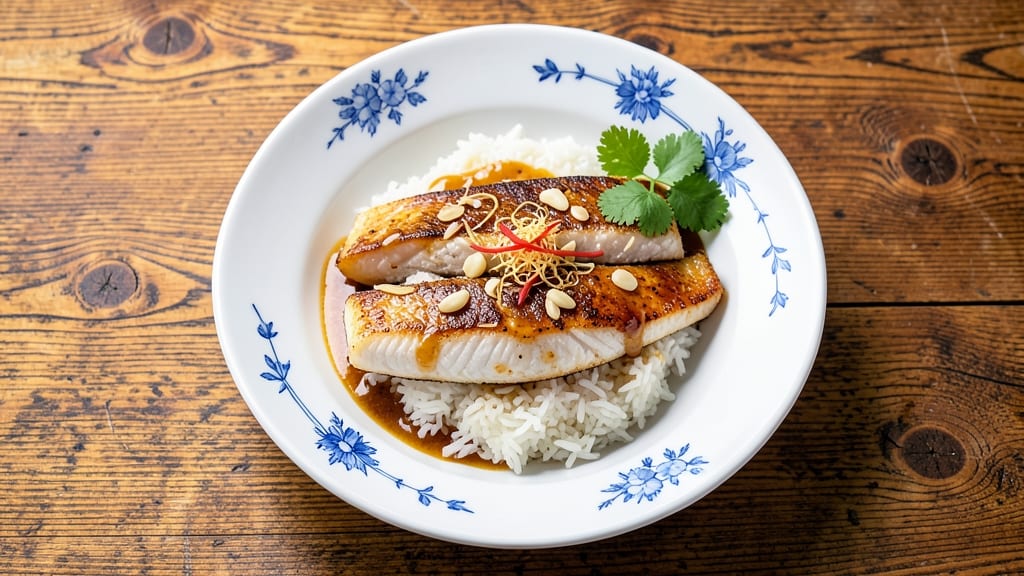
This Chinese fish fillet with garlic sauce delivers restaurant-quality results that transform simple white fish into a silky, flavor-packed dish. The secret lies in a fragrant marinade and a velvety garlic sauce that clings to every delicate flake, elevating humble fillets to something extraordinary.
My version simplifies traditional techniques without sacrificing authenticity—perfect for weeknight dinners that feel like a special occasion.
The process begins with a quick marinade of soy sauce, rice wine, and cornstarch that tenderizes the fish while building flavor. We then pan-fry or steam the fillets to achieve that signature silky texture, followed by a sauce made from garlic, ginger, and a touch of sugar that balances richness.
The result is fish with a crisp exterior and melt-in-your-mouth interior, bathed in a glossy sauce that's impossible to resist.
What makes this dish truly special is how the sauce transforms ordinary fish into something luxurious. Each bite delivers tender flakes coated in aromatic garlic sauce, with just the right amount of heat and sweetness.
This recipe serves four in under 30 minutes, making it ideal for busy weeknights when you still want restaurant-quality results.
The versatility of this dish means you can adapt it to your preferences—swap the fish for shrimp or scallops, or adjust the sauce to be milder or spicier.
Serve it over steamed rice or with stir-fried vegetables for a complete meal. Here's how to create this classic Chinese dish at home with professional results.
Ingredients for chinese fish fillet with garlic sauce
Sixteen ingredients transform simple fish into restaurant-quality silkiness with fragrant garlic sauce.
| Ingredient | Amount | Notes |
|---|---|---|
| White Fish Fillets 🐟 | 1 ½ lb | Cod, halibut, or tilapia preferred |
| Light Soy Sauce 🍶 | ¼ cup | Kikkoman preferred for balance |
| Dry Sherry or Rice Wine 🍷 | ¼ cup | Substitute with dry white wine |
| Cornstarch 🌾 | 2 tbsp | For crisp-tender texture |
| Garlic Cloves 🧄 | 8 cloves | Minced, fresh preferred |
| Fresh Ginger 🌿 | 1 tbsp | Grated, peeled root |
| Granulated Sugar 🍯 | 1 tbsp | Balances garlic richness |
| Vegetable Oil 🫒 | ½ cup | High smoke point preferred |
| Green Onions 🧅 | 3 whole | Sliced, for garnish |
| Sesame Oil 🫒 | 1 tbsp | Toasted, for aroma |
| Salt 🧂 | 1 tsp | Kosher or sea salt |
| White Pepper 🌶️ | ½ tsp | Freshly ground preferred |
| Steamed White Rice 🍚 | 2 cups | Cooked, for serving |
The fish is everything here. Kirkland Signature cod or Wild Alaskan halibut from Costco delivers the best texture—firm but tender. Avoid tilapia if you want that signature melt-in-your-mouth quality. Look for fillets with even thickness (about 1/2-inch) so they cook uniformly. If using frozen fish, thaw it overnight in the fridge—never at room temperature. The soy sauce matters too: Kikkoman has the perfect balance of salt and umami, but La Choy works in a pinch if you're in a hurry. The cornstarch is non-negotiable for that crisp-tender exterior—don't skip it.
No sherry? Dry white wine or even rice vinegar at half the amount gets you close. Fresh ginger is ideal, but ground ginger at one-third the amount works if you're short on time. The garlic should be minced, not chopped—smaller pieces burn faster. For the sauce, toasted sesame oil adds depth (heat it in a dry pan for 30 seconds), but regular sesame oil works too. Want more heat? Add 1/2 tsp red pepper flakes to the sauce. The green onions are just for garnish—use whatever you've got (scallions, chives, or even cilantro in a pinch).
This sauce reheats beautifully—just add a splash of water or broth to loosen it. Keeps for 3 days in the fridge, 3 months frozen. I double the sauce recipe and freeze half in ice cube trays for quick meals later. The fish itself? Cook it fresh for best results, but you can prep the marinade ahead and store it for 1 day. Serve over steamed rice or noodles—jasmine rice is ideal, but any white rice works. Leftovers? Store sauce and fish separately to prevent sogginess.
Why You'll Love This Recipe
- Pan-Fry Perfection: I swear by this method—just 10 minutes of searing, then a quick toss in the garlic-soy sauce. No flipping, no fuss, and that crispy crust happens almost by accident.
- Garlic-Soy Magic: The moment the sauce hits—that balance of salty, sweet, and just enough heat from the garlic—is what makes this dish. Honestly, I’ve tried store-bought sauces, but this homemade mix (light soy + sherry + minced garlic) is ridiculously better.
- Lunchbox Hero: Between us, this is my go-to for packed lunches. The sauce clings to the fish like glue, so it doesn’t get soggy, and the cornstarch gives it that satisfying bite. My kid even eats it cold—no joke.
- Budget Win: White fish is affordable, and a single fillet stretches into two meals if you repurpose the leftovers. Toss them into fried rice the next day, or serve them over noodles with extra sauce. Zero waste, maximum flavor.
Step-by-step instructions for Chinese fish fillet with garlic sauce
Here's how to create a restaurant-worthy dish with a velvety sauce that clings perfectly to tender fish.
Prepare the Garlic Sauce Base
In a small bowl, whisk together the 0.25 cup light soy sauce, 0.25 cup dry sherry or rice wine, 1 tablespoon granulated sugar, 1 teaspoon salt, and 0.5 teaspoon white pepper. This mixture forms the flavor foundation of your sauce. The sugar balances the acidity of the wine while the soy sauce adds depth. Let it sit while you prep the rest of the ingredients.
In a separate bowl, combine the 2 tablespoons cornstarch with 2 tablespoons cold water to create a smooth slurry. This will be your thickening agent, ensuring the sauce clings beautifully to the fish. The cornstarch needs to be fully dissolved—no lumps allowed, or your sauce will be grainy instead of silky.
Sear the Fish Fillets
Heat 0.5 cup vegetable oil in a large skillet over medium-high heat until it shimmers—this should take about 3 minutes. The oil is ready when a drop of water sizzles vigorously when touched. Pat the 1.5 lb white fish fillets completely dry with paper towels, as any moisture will prevent proper searing.
Carefully place the fish fillets in the hot oil, skin-side down if they have it. Cook for 2-3 minutes per side until the fish turns opaque and the edges begin to crisp slightly. You'll know it's ready when it releases easily from the pan—no need to press down. Remove the fish and set it aside on a warm plate, tented loosely with foil to keep warm.
Build the Signature Garlic Sauce
In the same skillet (no need to clean it—the browned bits add flavor), reduce the heat to medium. Add the 8 cloves minced garlic and 1 tablespoon grated fresh ginger, cooking for 30-45 seconds until fragrant but not browned. Garlic burns quickly, so keep an eye on it—you want aroma, not bitterness.
Pour in the soy sauce mixture and bring to a gentle simmer. Let it cook for 2-3 minutes until it reduces slightly and thickens. Then, slowly whisk in the cornstarch slurry while stirring constantly. The sauce will thicken dramatically within 30-60 seconds—this is where your timing matters most. If it gets too thick, add 1 tablespoon water to adjust the consistency.
Finish with Sesame Oil and Garnish
Return the fish fillets to the skillet, spooning the garlic sauce evenly over the top. Simmer gently for 1-2 minutes to let the fish absorb the sauce's flavors. The fish should be heated through but still tender—overcooking will make it dry. Remove the skillet from heat and stir in 1 tablespoon toasted sesame oil, which adds a nutty aroma and rich depth.
Garnish each serving with 3 sliced green onions, dividing them evenly among the 4 servings. The bright green color contrasts beautifully with the golden sauce and fish. Serve immediately over 2 cups steamed white rice, allowing the sauce to pool around the grains for maximum flavor in every bite.
Pro Tips For Making Chinese Fish Fillet With Garlic Sauce
- PAT THE FILLETS DRY: Use paper towels to blot the fish thoroughly—this isn’t just about sticking. Wet skin = steam = soggy sauce. I used to skip this and wondered why my garlic sauce never clung right.
- MINCE GARLIC FINE: Pulse garlic in a food processor until it’s almost paste-like. Too chunky? You’ll get chewy bits in every bite. I learned this after serving a plate with one stubborn clove—not a memory I cherish.
- CORNSTARCH SLURRY COOL: Mix cornstarch with cold water before adding it to the pan. Hot liquid turns it into glue, and you’ll end up with a lumpy, gluey sauce. Stir it into the sauce off the heat—trust me on this one.
- LOW HEAT FOR SAUCE: Once your garlic sauce hits the pan, drop the heat to medium-low. High heat burns sherry and turns soy sauce bitter. I’ve ruined batches by rushing this—now I simmer it like a nervous parent watching a toddler near the stove.
Troubleshooting perfect results
Sauce Too Thin?
If your sauce isn't clinging to the fish, it's likely too thin. The cornstarch slurry is your secret weapon—make sure it's fully dissolved in cold water before adding. For extra thickness, reduce the sauce on medium heat for an additional 1-2 minutes after it thickens, stirring constantly.
If it still separates, whisk in ½ teaspoon cornstarch mixed with 1 teaspoon water to salvage it. 💡
Fish Overcooked?
Fish turns rubbery when overcooked, especially if you're not careful with timing. For ½-inch thick fillets, aim for 2-3 minutes per side at medium-high heat. Use a meat thermometer—fish is done at 145°F internal temperature.
If your fillets are thicker, reduce heat to medium and cook 1 minute less per side. 🌡️
Garlic Burnt?
Garlic burns faster than you think, turning bitter and ruining the sauce. Keep heat at medium and cook minced garlic for only 30-45 seconds until fragrant. For extra insurance, add the garlic to the pan when it's just off medium-high heat.
If it does burn, remove the pan immediately and start fresh with fresh garlic. 🧄
Sauce Too Salty?
If your sauce tastes overly salty, it's likely from the soy sauce or added salt. Balance it by adding 1 teaspoon sugar or ½ teaspoon cornstarch slurry to dilute the saltiness.
For a more subtle fix, stir in 1 tablespoon water or rice wine to mellow the flavors. Taste as you go—this sauce is forgiving but needs careful attention. 🧂
Fish Sticking?
Fish sticks to the pan when it's wet or the oil isn't hot enough. Pat fillets completely dry with paper towels before cooking, and ensure your oil is at 350°F (use a thermometer).
If they still stick, add ½ teaspoon cornstarch to the fillets before searing. A well-seasoned cast-iron skillet also helps prevent sticking. 🔥
Sauce Not Flavorful?
For deeper flavor, don't skip the browned bits in your pan—they're packed with caramelized goodness. Use fresh garlic and ginger (not powdered) for maximum aroma. If your sauce tastes flat, add ½ teaspoon toasted sesame oil or a pinch of white pepper to brighten it up.
A splash of rice vinegar can also add complexity. 💫
Nutrition facts
Frequently asked questions
What's the best fish to use for this recipe?
Opt for firm, mild white fish like cod, halibut, or sea bass—they hold up best to the garlic sauce without falling apart. Tilapia works in a pinch, but it lacks the delicate texture of premium choices. Avoid flaky fish like haddock, which can turn mushy when coated in sauce.
Can I make this sauce ahead of time?
Prepare the sauce base (without cornstarch) up to 3 days ahead and store it in the fridge. Reheat gently, then thicken with cornstarch slurry when ready to serve. For the full sauce, freeze it in ice cube trays for 3 months—just thaw and reheat. The fish should always be cooked fresh for best texture.
How do I prevent the fish from drying out?
Keep cooking times strict: 2-3 minutes per side at medium-high heat is ideal for ½-inch fillets. Use a meat thermometer—145°F internal temp is perfect. After searing, tent with foil to rest for 2 minutes before adding sauce. Overcrowding the pan also causes steaming, which makes fish soggy.
What if I don't have sherry or rice wine?
Substitute with dry white wine (reduce by half) or rice vinegar (use 1 tablespoon less). For a non-alcoholic option, use extra water plus ½ teaspoon sugar to balance flavors. The key is acidity—without it, the sauce may taste flat.
Can I bake this instead of pan-frying?
Yes! Preheat oven to 400°F, brush fillets with 1 tablespoon oil, and bake for 8-10 minutes until opaque. For sauce, simmer it separately in a small saucepan until thickened, then spoon over the fish. Baking gives a lighter texture but less crispy exterior than pan-frying.