
Sauces & Condiments
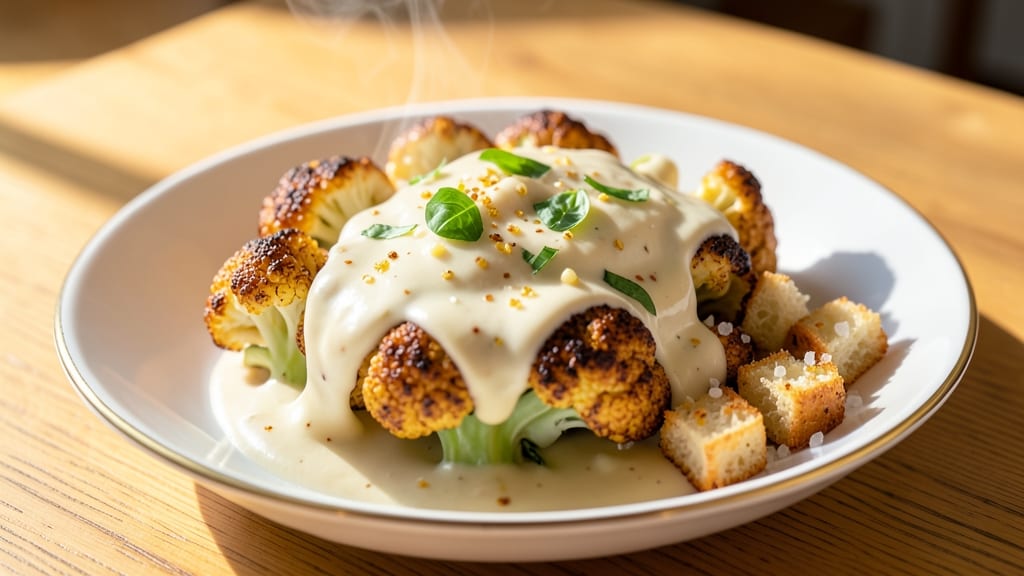
This creamy cauliflower sauce recipe transforms humble cauliflower into a velvety, low-carb alternative that rivals Alfredo in richness and versatility. After years of perfecting plant-based sauces, I discovered that roasting cauliflower first unlocks a depth of flavor most blended sauces miss.
The result? A sauce so smooth and satisfying that even non-vegetarians won't notice the absence of heavy cream.
The foundation of this recipe lies in its simplicity: just five core ingredients—cauliflower, garlic, broth, cream, and a touch of lemon—work together to create a sauce that's both elegant and approachable.
Unlike store-bought versions, this one builds flavor through proper roasting and simmering, ensuring every spoonful delivers that restaurant-quality creaminess without the carb load. The key technique? Roasting the cauliflower until caramelized before blending, which develops natural sweetness and prevents a bitter aftertaste.
What makes this sauce truly special is its adaptability—it coats pasta perfectly, elevates grilled chicken, or transforms roasted vegetables into a gourmet meal. The texture is luxuriously smooth yet light enough to pair with delicate dishes, while the subtle garlic and lemon notes add brightness that cuts through richer flavors.
Best of all, it comes together in under 30 minutes with minimal active prep time, making it ideal for weeknight cooking.
For those watching their carbs, this sauce delivers all the indulgence of traditional Alfredo with just 3 grams of net carbs per serving. The secret lies in the cauliflower's natural starches absorbing the cream while maintaining a velvety consistency.
Whether you're serving it over zucchini noodles, drizzling it on steak, or using it as a dipping sauce, this recipe proves that low-carb doesn't mean sacrificing flavor or texture.
Ingredients for cauliflower sauce
Five essential ingredients transform cauliflower into restaurant-worthy Alfredo alternative.
| Ingredient | Amount | Notes |
|---|---|---|
| Fresh Cauliflower Crowns 🥬 | 1 ½ lb | Cut into florets, stems removed |
| Extra-Virgin Olive Oil 🫒 | ¼ cup | High-quality, fruity variety |
| Garlic Cloves 🧄 | 4 cloves | Peeled, roughly chopped |
| Vegetable Broth 💧 | 1 ½ cups | Low-sodium preferred |
| Heavy Whipping Cream 🥛 | 1 cup | Full-fat for maximum creaminess |
| Fresh Lemon Juice 🍋 | 1 tbsp | From organic lemons |
| Diamond Crystal Kosher Salt 🧂 | ½ tsp | To taste, adjust carefully |
| Freshly Ground Black Pepper 🌶️ | ¼ tsp | Freshly cracked preferred |
| Nutritional Yeast 🍞 | 1 tbsp | Optional, for umami depth |
The cauliflower crowns are non-negotiable for texture—look for fresh, firm florets with no yellowing. Trader Joe's and Whole Foods carry the best quality, but any grocery store's fresh section works if you check for vibrant color. Roasting these until caramelized (about 25 minutes at 425°F) develops that natural sweetness that separates this sauce from bland blended versions. The garlic should be freshly peeled—pre-minced garlic lacks the aromatic punch needed here. For the olive oil, avoid light or refined varieties; a peppery, fruity extra-virgin like California Olive Ranch adds complexity that cheap oils can't match.
No heavy cream? Full-fat coconut milk works in a pinch, though the texture will be slightly lighter. Substituting vegetable broth for water is crucial—low-sodium versions prevent the sauce from becoming bland. If nutritional yeast isn't available, Parmesan rind simmered in the broth adds a similar umami depth. For lemon juice, bottled versions lack freshness, but if you must use them, add an extra pinch of salt to compensate. The salt and pepper should be freshly ground—pre-ground spices lose potency quickly, especially black pepper which loses its bite within weeks.
This sauce peaks when used immediately, but stores beautifully for 4-5 days in an airtight container in the fridge. For longer storage, freeze in 2-tablespoon portions—perfect for single servings. When reheating, add a splash of warm water or broth to restore creaminess. The sauce thickens as it cools, so stir vigorously before each use. If it separates, simply whisk in a teaspoon of warm water until smooth again—a common issue with dairy-based sauces that's easily fixed.
Why You'll Love This Recipe
- Five-Minute Chop: I swear, the only prep is snapping those cauliflower crowns—no peeling, no dicing, no mess. Just toss them in a pot with olive oil and garlic, and let the stove do the work while you stir in the broth.
- Creamy-Garlic Magic: That first bite? The cauliflower’s natural sweetness melts into the rich cream, while the garlic sings—properly browned, not burnt. Honestly, it’s the kind of sauce that makes you pause mid-bite.
- Game for Any Meal: Slather it over roasted chicken, dump it on mashed potatoes, or drizzle it into pasta—it’s my secret weapon for turning simple dinners into something special. (Yes, even on a Tuesday night.)
- Leftovers That Don’t Suck: This sauce actually improves the next day—thicker, deeper, and still creamy. I make a double batch on Sundays and freeze half; reheating it just takes 90 seconds in the microwave. No sad, watery leftovers here.
Step-by-step instructions for creamy cauliflower Alfredo sauce
Transform humble cauliflower into a velvety, low-carb sauce that rivals traditional Alfredo.
Blanch and Roast the Cauliflower Florets
Preheat your oven to 425°F. In a large pot, bring 2 cups of water to a rolling boil and add 0.5 teaspoon of diamond crystal kosher salt. Add the 1.5 lb fresh cauliflower crowns (cut into florets) and blanch for exactly 2 minutes—this softens them just enough for roasting. Immediately drain and transfer to a baking sheet lined with parchment paper.
Drizzle the blanched florets with 0.25 cup extra-virgin olive oil and toss to coat evenly. Spread them in a single layer, ensuring they don't overlap. Roast for 20-25 minutes, stirring once halfway through, until the edges turn golden brown and the florets are tender when pierced with a fork. This roasting step develops deep, nutty flavors and removes excess moisture, which is critical for a smooth sauce.
Build the Sauce Base with Garlic and Broth
While the cauliflower roasts, heat a large skillet over medium heat. Add the 4 cloves garlic cloves (roughly chopped) and sauté for 1-2 minutes until fragrant but not browned—burnt garlic will make the sauce bitter. Immediately add 1.5 cups vegetable broth and scrape up any browned bits from the bottom of the pan. Bring to a gentle simmer and reduce by half, which should take about 5-7 minutes. This concentrated broth forms the flavor foundation.
Transfer the roasted cauliflower florets to the skillet with the garlic-broth mixture. Using an immersion blender (or carefully transferring to a countertop blender), purée until completely smooth. Real talk: straining through a fine-mesh sieve ensures an ultra-silky texture, but it’s optional if you prefer a slightly textured sauce. The result should be a thick, pale yellow base with no visible chunks.
Finish with Cream and Seasonings
Return the puréed mixture to the skillet and stir in 1 cup heavy whipping cream over low heat. Simmer gently for 3-4 minutes, stirring constantly, until the sauce thickens slightly and coats the back of a spoon. Here’s the moment that matters: add 1 tablespoon nutritional yeast (for umami depth) and 0.25 teaspoon freshly ground black pepper, then taste and adjust the 0.5 teaspoon diamond crystal kosher salt as needed. The sauce should be rich but not overly salty—balance is key.
Remove from heat and stir in 1 tablespoon fresh lemon juice. This brightens the sauce and cuts through the richness of the cream. The final sauce should be velvety, with a consistency similar to traditional Alfredo—thick enough to cling to pasta but still silky. If it’s too thick, thin with a splash of warm broth; if too thin, simmer uncovered for another minute to reduce. Serve immediately over your choice of low-carb pasta or zucchini noodles.
Pro Tips For Making Cauliflower Sauce
- Chop Small, Even Pieces: Break the cauliflower crowns into 1-inch florets—no bigger, no smaller. I used to leave some chunks too large, and they’d turn mushy while the smaller bits cooked faster. Uniform size means everything softens at once, so your sauce blends smoothly instead of looking like a vegetable stew.
- Sear Garlic Low and Slow: Cook the garlic in olive oil over medium-low heat until golden, not brown. After burning three batches, I finally realized high heat torches the flavor into oblivion. Let it bubble gently for 4-5 minutes—just until fragrant and pale gold—so it adds depth without bitterness.
- Simmer Broth Gently: Reduce the vegetable broth to a barely simmer before adding cream—think tiny bubbles, not a rolling boil. I learned this the hard way when my sauce curdled because the cream hit hot liquid. A slow simmer keeps the sauce velvety, not lumpy.
- Whisk in Cream Off Heat: Remove the pan from heat before stirring in the heavy cream—even a few seconds of residual heat can split the fat. I was skeptical until I tried it; now I swear by it. Let the sauce cool just enough, then whisk the cream in gently for a rich, cohesive finish.
Flavor customization for this dish
Creamy vs. Light Versions
This base recipe delivers a luxuriously creamy texture, but you can easily adapt it for a lighter version. Swap the 1 cup heavy whipping cream for ½ cup Greek yogurt (full-fat for best results) and ½ cup unsweetened almond milk.
The sauce will still coat beautifully while cutting calories by nearly half. For extra richness in the light version, stir in 1 teaspoon butter at the end. 🥛
Spicy Heat Variations
Add ½ teaspoon cayenne pepper or 1 teaspoon hot sauce (like Frank's RedHot) for a kick. For smoky heat, mix in ½ teaspoon smoked paprika with the garlic before sautéing.
I love adding 1 tablespoon of roasted red pepper paste for depth—it blends seamlessly and adds a subtle sweetness that balances the spice. 🌶️
Umami Boosters
For deeper savory notes, stir in 1 tablespoon miso paste (white or red) with the broth. Another game-changer? 1 teaspoon fish sauce (just a drop!) amplifies umami without overpowering. If you're avoiding fish sauce, 1 tablespoon soy sauce works well—just reduce the salt slightly afterward since soy is salty.
The miso version pairs perfectly with grilled salmon or seared scallops.
Herb Infusions
Fresh herbs elevate this sauce instantly. Add 1 tablespoon chopped basil or parsley at the end for brightness, or 1 teaspoon dried thyme during the simmer. For a Mediterranean twist, blend in 1 tablespoon chopped sun-dried tomatoes (oil-packed) with the cauliflower.
I also love 1 teaspoon fresh dill—it adds a bright, almost tangy note that cuts through the creaminess beautifully. ✨
Cheesy Variations
For a cheesy Alfredo-style sauce, stir in ½ cup shredded sharp cheddar or Parmesan while simmering the cream. For a vegan option, replace the cream with cashew cream (blend ½ cup soaked cashews with ½ cup water) and add 1 tablespoon nutritional yeast for cheesy flavor.
The cashew version works surprisingly well with roasted Brussels sprouts or crispy tofu.
Sweet and Tangy Twist
Brighten the sauce with 1 teaspoon honey or maple syrup plus 1 extra tablespoon lemon juice. This version pairs perfectly with grilled chicken or pan-seared shrimp. For a tropical twist, add ½ teaspoon grated ginger and a pinch of turmeric—it’s surprisingly delicious with shrimp stir-fries.
The sweetness balances the creaminess while keeping it light enough for summer dishes.
Nutrition facts
Frequently asked questions
Can I make this sauce without roasting the cauliflower?
Roasting is key for developing rich, caramelized flavors, but you can steam or boil the florets first. However, the sauce will taste less complex. For best results, roast at 425°F for 20-25 minutes—this step transforms the flavor from bland to deeply savory. If short on time, blanch for 5 minutes before blending, but expect a milder taste.
How do I fix a sauce that's too thick or too thin?
For a thick sauce, simmer uncovered for 1-2 minutes to evaporate excess moisture. If too thin, whisk in 1-2 teaspoons of warm broth or water until smooth. Avoid adding cold liquids—they can cause separation. Always stir vigorously after reheating to restore creaminess.
What's the best way to store leftovers?
Store in an airtight container in the fridge for up to 5 days. For longer storage, freeze in 2-tablespoon portions—ideal for single servings. Thaw overnight in the fridge and reheat gently over low heat, stirring constantly. Never microwave directly from frozen to avoid graininess.
Can I use frozen cauliflower instead of fresh?
Frozen works in a pinch, but fresh yields superior texture and flavor. If using frozen, thaw completely first, then pat dry thoroughly before roasting. The extra moisture can make the sauce watery. For best results, stick with fresh cauliflower crowns—just 2 minutes of blanching before roasting makes all the difference.
What are the best proteins to pair with this sauce?
This sauce shines with grilled chicken, pan-seared shrimp, or baked salmon. It also coats zucchini noodles or shirataki noodles beautifully. For vegetarian options, try it with crispy tofu or roasted Brussels sprouts. The creamy texture balances hearty flavors perfectly.