
Sauces & Condiments
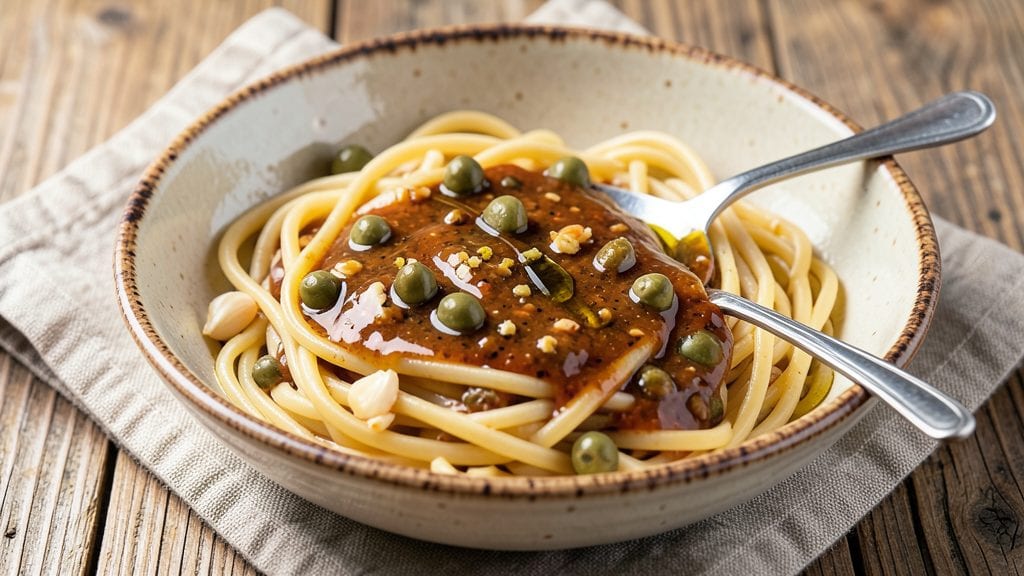
This caper sauce recipe transforms simple ingredients into a briny, zesty condiment that adds instant depth to any dish. The perfect balance of tangy capers, bright vinegar, and aromatic garlic creates a sauce that elevates grilled fish, roasted vegetables, or even a charcuterie board.
I developed this version after years of experimenting with Mediterranean flavors, and it consistently delivers restaurant-quality results with minimal effort.
The secret lies in the combination of high-quality capers and a precise ratio of vinegar to oil—too much vinegar makes it sharp, too little dulls the flavor. I use extra-virgin olive oil for richness and a touch of honey to balance the saltiness, creating a sauce that's complex yet simple.
Ready in just 15 minutes, this sauce keeps well in the refrigerator for up to two weeks, making it perfect for meal prep.
What you'll end up with is a velvety, slightly chunky sauce with bursts of briny caper flavor and a smooth, tangy finish. It clings beautifully to proteins like salmon or shrimp, enhances the natural flavors of roasted vegetables, and adds a sophisticated touch to simple dishes.
The aroma alone will have everyone at the table asking what's for dinner.
Use it as a finishing sauce, a marinade, or a dip—this caper sauce is versatile enough to work in countless dishes. Here's how to make it perfectly every time.
Ingredients for caper sauce
Nine simple ingredients create a briny, aromatic sauce that transforms ordinary meals into something extraordinary.
| Ingredient | Amount | Notes |
|---|---|---|
| Extra-Virgin Olive Oil 🫒 | ½ cup | High quality, fruity flavor preferred |
| Capers 🍈 | ½ cup | Nonpareils or coarse, drained well |
| White Wine Vinegar 🍷 | ¼ cup | Bright, acidic variety |
| Garlic Cloves 🧄 | 4 cloves | Fresh, peeled, minced finely |
| Honey 🍯 | 1 tbsp | Light or wildflower preferred |
| Fresh Lemon Juice 🍋 | 2 tbsp | Freshly squeezed, no pulp |
| Dried Oregano 🌿 | ½ tsp | Mediterranean variety preferred |
| Salt 🧂 | ½ tsp | Fine sea salt preferred |
| Black Pepper 🌶️ | ¼ tsp | Freshly ground preferred |
| Fresh Parsley 🌱 | ¼ cup | Chopped, for garnish |
The capers are non-negotiable here—nonpareils or coarse give the best texture, and they need to be drained thoroughly. I grab mine at Whole Foods or the bulk section at Trader Joe's—they keep for ages in the fridge once opened. For the olive oil, California extra-virgin (like Corto or Otto) adds that fruity depth, but any good-quality oil works. The garlic should be freshly minced—pre-minced gets bitter. If you're short on time, garlic powder at half the amount is a decent swap, though it won't be as bright.
No white wine vinegar? Apple cider vinegar works in a pinch, but it'll taste slightly sweeter. The honey balances the saltiness—skip it if you prefer sharper flavors. For a smoother texture, blend everything until silky; for a rustic finish, leave it slightly chunky. Want more depth? Add 1 tsp of Dijon mustard to the mix. The parsley is just for garnish, but it adds a fresh pop of color—dried oregano at one-third the amount works if you're out.
This sauce keeps beautifully in an airtight jar in the fridge for up to 2 weeks. The flavors actually improve over time—it gets more complex as the capers mellow. Portion it into small jars for easy use. If it thickens too much, just stir in a splash of water or a little more olive oil. It reheats well, so it's perfect for drizzling over warm dishes. Freeze for up to 3 months if you want to make a big batch.
Why You'll Love This Recipe
- Five-Ingredient Magic: I swear, this sauce comes together with just a knife, a pan, and 15 minutes of my time. No chopping mountains of veggies—just mincing garlic, crushing capers, and letting the olive oil sing.
- Tangy-Sweet Surprise: That honey and white wine vinegar combo? It’s the secret weapon—bright, briny, and just sweet enough to make your taste buds do a happy dance. The capers add little bursts of salty punch that’ll have you going back for more.
- Dinner Party Hack: Slather it on grilled fish for a fancy-feeling meal in minutes, or drizzle it over roasted potatoes when you’re feeding a crowd. It’s my go-to for when I need something effortless but impressive.
- Lasts All Week: Make a big batch—it keeps beautifully in the fridge for days. I use it to jazz up eggs, toss with pasta, or even mix into mayo for a quick sandwich spread. Zero waste, maximum flavor.
Step-by-step instructions for caper sauce
This briny, vibrant sauce comes together faster than you'd think—just a few simple steps.
Sauté Garlic in Olive Oil
Heat the 0.5 cup extra-virgin olive oil in a medium saucepan over medium-low heat. Add the 4 cloves minced garlic and cook for 2-3 minutes until fragrant but not browned. Watch closely—garlic burns quickly, and you want that nutty aroma without bitterness. Stir gently to prevent sticking, and don't walk away. This step builds the aromatic foundation for everything else.
Here's the thing—if your garlic starts to sizzle too aggressively, immediately reduce the heat to low and give it another minute. The goal is to infuse the oil with garlic flavor without cooking it into oblivion. Once it smells heavenly, you're ready for the next ingredient.
Add Vinegar and Honey
Pour in the 0.25 cup white wine vinegar and 1 tablespoon honey, stirring constantly. The mixture will bubble gently as the vinegar heats up. Let it simmer for 3-4 minutes until slightly reduced—you'll notice the sauce thickens just a bit and the sharp vinegar mellows into a bright, balanced acidity.
This is where the magic happens: the honey softens the vinegar's bite while keeping that bright, tangy edge. If you taste it now, you'll get a preview of the sauce's complexity—sweet, sharp, and just starting to come together. Don't rush this step; let the flavors meld for those 3-4 minutes.
Incorporate Capers and Seasonings
Add the 0.5 cup capers, 0.5 teaspoon dried oregano, 0.5 teaspoon salt, and 0.25 teaspoon black pepper. Stir well to combine, and let the mixture simmer for another 5 minutes over medium-low heat. The capers will release their briny punch, and the oregano will add a subtle earthiness that ties everything together.
Real talk: if your capers are on the dry side, you might want to add 1-2 tablespoons of water now to help them soften slightly. The sauce should be thick but still pourable—like a glossy, briny glaze. Taste and adjust seasoning; you might need a pinch more salt to balance the acidity from the vinegar.
Finish with Lemon Juice and Parsley
Remove the saucepan from heat and stir in the 2 tablespoons fresh lemon juice. This final addition brightens the sauce and cuts through any heaviness. Let it sit for 1 minute to let the flavors fully integrate. The lemon juice will make the sauce shimmer slightly—this is your visual cue that it's ready for the final touch.
Stir in the 0.25 cup chopped fresh parsley just before serving. The parsley adds freshness and a pop of color, making the sauce look as good as it tastes. If you're using this immediately, skip adding the parsley until right before plating—it keeps best when mixed in last.
Adjust Consistency and Serve
If the sauce is too thick, thin it with 1-2 tablespoons of water or broth until it reaches your desired consistency. It should coat the back of a spoon but still flow smoothly. For a richer version, you could even stir in 1 tablespoon of heavy cream at this stage—just don't overdo it, or the briny balance will be lost.
Serve warm over grilled fish, seared scallops, or even as a drizzle for roasted vegetables. This sauce is incredibly versatile, so don't be afraid to experiment. Store leftovers in an airtight container in the refrigerator for up to 5 days, though it's best enjoyed fresh when the flavors are at their peak.
Pro Tips For Making Caper Sauce
- Rinse the Capers: Drain those little salty brutes, then give them a quick rinse under cold water—especially if they’re packed in brine. I learned this the hard way when my sauce turned into a salty disaster. A 10-second rinse keeps the flavor but cuts the bitterness.
- Cook Garlic Low: Sauté those garlic cloves on low heat until golden, not brown. I used to rush it, and the sauce ended up tasting bitter. A gentle simmer for 3-4 minutes keeps the garlic sweet and aromatic—no burnt notes to ruin the balance.
- Reduce Vinegar Slowly: Don’t just dump the white wine vinegar and walk away. Simmer it off gradually until it’s reduced by half—this concentrates the tang without making the sauce sharp. I skip this, and the sauce tastes like a punch to the face.
- Finish with Cold Honey: Stir in the honey off the heat and let it cool slightly first. Hot honey can turn bitter or clump weirdly—trust me, I’ve seen it. A few minutes of patience keeps the sauce silky smooth, not grainy.
Make-ahead tips for this caper sauce
Batch Prep Strategy
Make a double batch of this sauce—it’s perfect for meal prep! I always double the recipe to have enough for 3-4 meals (about 1 cup total). Store in small glass jars (like Ball Mason jars) in the fridge.
The sauce keeps for 2 weeks, and the flavors actually deepen over time. Label each jar with the date so you can track freshness. 📅
Freezing for Long-Term
For longer storage, freeze the sauce in ice cube trays for portion control. Once frozen, transfer cubes to a freezer-safe bag and flatten to save space. Thaw overnight in the fridge—this method preserves texture better than reheating from a jar.
Frozen caper sauce lasts 3 months without losing its bright, briny punch. 🧊
Thawing and Reheating
When ready to use, thaw the sauce in the fridge overnight. For quick use, microwave on low power (50%) for 30 seconds, then stir. If it thickens during reheating, add 1-2 teaspoons of water or olive oil to restore consistency.
Never boil the sauce—just warm it gently to 110°F to avoid breaking down the delicate flavors. 🔥
Portioning for Convenience
Divide the sauce into small, airtight containers (like 4-ounce portions) for easy grab-and-go use. These work perfectly as a dipping sauce for crusty bread or a finishing drizzle for last-minute meals.
I keep a few in my fridge at all times—it’s my go-to for quick flavor boosts without extra cooking. ✨
Flavor Boost Before Serving
If the sauce tastes flat after reheating, brighten it with a splash of fresh lemon juice or a pinch of red pepper flakes. The acidity cuts through any dullness, and the heat adds a nice kick.
I also like adding a few drops of hot sauce (like Cholula) for extra depth. These tweaks make reheated sauce taste almost as good as fresh! 🌶️
Meal Prep Pairings
Prep this sauce alongside grilled fish fillets or roasted vegetables for a complete meal. Store them together in the fridge, and you’ll have a ready-to-eat Mediterranean feast in minutes.
I pair it with baked salmon and asparagus for a weeknight dinner that feels restaurant-worthy. The caper sauce ties everything together beautifully. 🍽️
Nutrition facts
Frequently asked questions
Can I make this caper sauce without vinegar?
While vinegar is essential for the bright, tangy flavor, you can substitute lemon juice in a 1:1 ratio if needed. The sauce will taste slightly less acidic but still retain its briny character. For a richer alternative, try white wine (reduce by 2 tablespoons) or rice vinegar—both work well in Mediterranean-inspired dishes.
How do I adjust the saltiness if my capers are extra salty?
Rinse the capers thoroughly under cold water before using, then soak them in 1 cup of water for 10 minutes to draw out excess salt. Drain well before adding to the sauce. If needed, reduce the added salt to ¼ teaspoon or omit it entirely—taste as you go! The vinegar and lemon juice will help balance the flavor.
What’s the best way to use this sauce with seafood?
Drizzle it over grilled or pan-seared fish like salmon, cod, or shrimp in the last 2 minutes of cooking to let the flavors meld. For extra richness, brush it onto the fish before serving. It also works as a dipping sauce for calamari or oysters—just chill the sauce slightly first for a refreshing contrast.
Can I make this sauce ahead and store it for later?
Store in an airtight container in the fridge for up to 2 weeks. The flavors actually improve over time as the capers mellow. For longer storage, freeze in ice cube trays (thaw overnight in the fridge) or small jars (up to 3 months). Reheat gently on low heat or microwave for 20 seconds—never boil.
Why did my caper sauce turn out too thick?
Simmering too long or using dry capers can thicken the sauce. Thin with 1-2 teaspoons of water, olive oil, or broth until it reaches a pourable consistency. For a smoother texture, blend briefly with an immersion blender. If it’s still too thick, add 1 teaspoon of lemon juice to lighten it.