
Sauces & Condiments
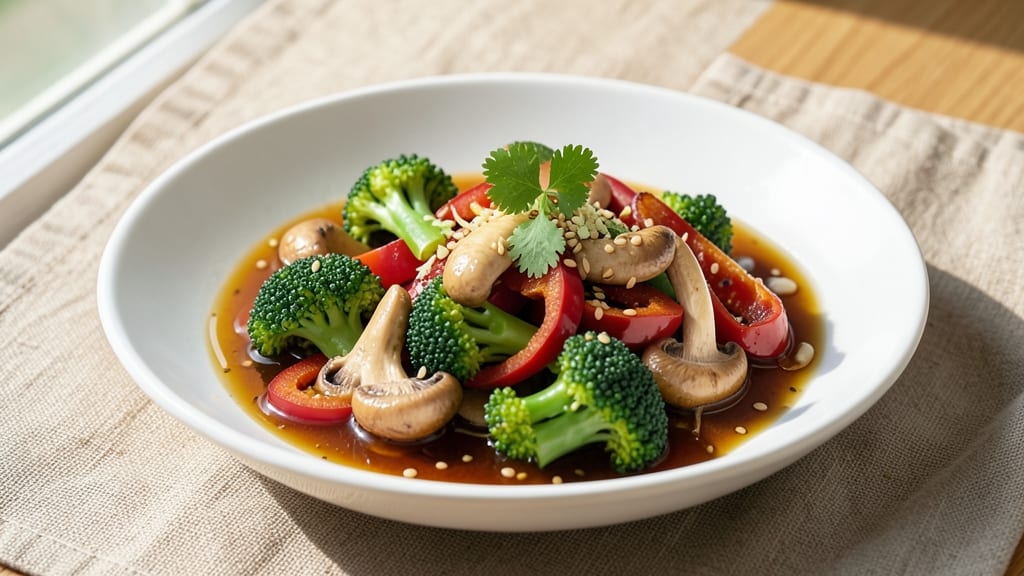
This Asian vegetable sauce recipe transforms simple stir-fried veggies into a restaurant-worthy dish with just a few pantry staples and fresh herbs. The secret lies in balancing umami-rich soy sauce with bright ginger, aromatic garlic, and a touch of sweetness—creating a glaze that caramelizes beautifully while keeping the vegetables crisp-tender.
I developed this sauce after years of testing stir-fry recipes, and it’s now my go-to for adding depth to any vegetable dish without overpowering their natural flavors.
The process is straightforward: simmer soy sauce, sesame oil, and aromatics until fragrant, then blend in a touch of sweetener and fresh herbs for that signature zing.
What makes this sauce special is its versatility—drizzle it over steamed broccoli, toss it with sautéed bok choy, or use it as a marinade for tofu or chicken. The sauce thickens slightly as it cools, clinging to every bite for maximum flavor impact.
Best of all, it takes just 15 minutes to make and keeps well in the fridge for up to a week.
What you’ll end up with is a glossy, aromatic sauce that’s rich with savory notes from soy and sesame, brightened by fresh herbs, and just sweet enough to balance the acidity. The texture is silky yet cohesive, perfect for coating vegetables without making them soggy.
This isn’t just a sauce—it’s a flavor multiplier that turns ordinary veggies into the star of the meal. Whether you’re prepping a quick weeknight dinner or planning a weekend feast, this sauce will elevate everything it touches.
For extra depth, toast the sesame seeds before adding them to the sauce, or swap in a splash of rice vinegar for a tangier finish. Store any leftovers in an airtight container, and it’ll stay fresh for up to a week—perfect for meal prepping or gifting.
Let’s get started on this umami-packed, herb-infused sauce that’s about to become your new kitchen essential.
Ingredients for asian sauce for vegetables
Nine ingredients, endless flavor—this sauce transforms veggies into a restaurant-worthy feast.
| Ingredient | Amount | Notes |
|---|---|---|
| Light Soy Sauce 🍶 | ½ cup | Kikkoman preferred for balance |
| Sesame Oil 🫒 | 2 tbsp | Toasted sesame oil for aroma |
| Fresh Ginger 🧄 | 2 tbsp | Finely grated, fresh only |
| Garlic Cloves 🧄 | 4 cloves | Minced, fresh preferred |
| Honey 🍯 | 2 tbsp | Wildflower for floral notes |
| Rice Vinegar 🍶 | 1 tbsp | Seasoned rice vinegar works |
| Toasted Sesame Seeds 🌾 | 1 tbsp | Lightly toasted in dry pan |
| Fresh Thai Basil Leaves 🌿 | ¼ cup | Packed, stems removed |
| Fresh Cilantro Leaves 🌿 | ¼ cup | Packed, stems removed |
| Cornstarch 🌾 | 1 tsp | For thickening consistency |
The soy sauce is your umami foundation—Kikkoman is my go-to, but any light soy will work. For the ginger, organic from the produce section has the most zing, but frozen works in a pinch if you're in a hurry. Fresh garlic is non-negotiable here—jarred minced loses its punch fast. Toast your sesame seeds in a dry pan for 30 seconds until fragrant (don't burn them!)—this adds that nutty depth that separates this sauce from store-bought versions. If you're at Asian markets, grab Thai basil—they carry it fresh year-round, and it's worth the trip.
No sesame oil? Avocado oil at half the amount keeps the neutral base, though you'll lose that toasty aroma. Subbing honey? Maple syrup or agave works 1:1, but honey gives that delicate floral note. Running low on Thai basil? Fresh basil or even parsley (though flavor will differ). The cornstarch is optional but helps if you prefer your sauce thicker—just whisk it with a splash of cold water before adding. For extra tang, bump the rice vinegar to 1.5 tbsp, but start with the recipe as written—it's perfectly balanced.
This sauce keeps beautifully—1 week in the fridge sealed in a jar, or 3 months frozen in ice cube trays for single-use portions. The longer it sits, the better it gets—flavors meld and thicken slightly. Double the batch and freeze half; you'll thank yourself later. Before using, give it a quick stir and taste—add a splash of water if it's too thick, or a pinch of sugar if it needs more balance. Perfect for meal prep, gifts, or last-minute dinner upgrades.
Why You'll Love This Recipe
- Pantry Magic: I swear by this sauce—no fancy ingredients, just what’s already lurking in my cupboard. Light soy, a drizzle of sesame oil, and a quick minced garlic-ginger punch? That’s it. Honestly, I’ve made this blindfolded after a long day.
- Umami Bomb: The moment that garlic hits the pan with fresh ginger, then gets kissed by honey? Chef’s kiss. The soy ties it all together—salty, sweet, with that nutty depth that makes me want to lick the bowl. (Yes, even on a Tuesday night.)
- Meal Prep MVP: This sauce transforms anything—steamed broccoli, stir-fried bok choy, even roasted carrots. I make a big batch on Sundays, toss it with whatever veggies I have, and it lasts all week. My lunchbox’s new best friend.
- Budget Glow-Up: For under $3, I’ve got a sauce that feels restaurant-worthy. No pricey sauces or hard-to-find herbs—just real flavor that doesn’t break the bank. Between us, this is how I feed my family without stressing over grocery bills.
Step-by-step instructions for Asian vegetable sauce
This vibrant sauce brings bold flavors and fresh herb brightness to any stir-fry—let's make it together.
Build the Flavor Base
Heat the 2 tablespoons sesame oil in a small saucepan over medium heat until shimmering but not smoking. Add the 2 tablespoons finely grated fresh ginger and 4 minced garlic cloves, stirring constantly for 30 seconds until fragrant—you should smell that pungent, aromatic punch. This is where the foundation of your sauce begins to develop.
Here's the thing—don't let the garlic burn. It happens fast, and burned garlic tastes bitter. Keep stirring until it's just golden around the edges. I like to press down gently with a wooden spoon to help release those essential oils that carry all the flavor.
Sweeten and Balance
Pour in the 0.5 cup light soy sauce and 2 tablespoons honey, stirring to combine. The mixture will bubble gently as it begins to simmer. Let it cook for 2-3 minutes until slightly reduced—you're looking for a syrupy consistency that coats the back of a spoon.
This is where the magic happens. The soy sauce provides that deep umami base, while the honey adds just enough sweetness to balance the acidity we'll add next. I always use wildflower honey here because it has subtle floral notes that complement the herbs we'll add later.
Add Acid and Thicken
Reduce heat to low and stir in the 1 tablespoon rice vinegar. The sauce will bubble again briefly—this is normal. Then, in a small bowl, whisk together the 1 teaspoon cornstarch with 1 tablespoon water until smooth. Slowly pour this slurry into the sauce while stirring constantly.
Let the sauce simmer for 1-2 minutes until it thickens to a glossy, coatable consistency. You want it to be thick enough to cling to vegetables but still flow smoothly. If it thickens too quickly, add 1 teaspoon water to adjust. The cornstarch is your secret weapon here—it creates that perfect balance between glossy and clingy.
Finish with Herbs and Seeds
Remove the sauce from heat and stir in the 0.25 cup packed fresh Thai basil leaves and 0.25 cup packed fresh cilantro leaves. Let it steep for 1 minute—this infuses the sauce with bright, fresh herb notes. Then sprinkle in the 1 tablespoon toasted sesame seeds and give it one final stir.
The herbs should be just wilted, not mushy. If you add them too early, they'll turn bitter. The sesame seeds add that final textural crunch that makes this sauce truly special. I like to taste it at this stage to adjust seasoning—sometimes a pinch more soy sauce or a splash of vinegar makes all the difference.
Rest and Serve
Let the sauce cool slightly for 5 minutes—this allows all the flavors to meld together. The sauce will thicken even more as it cools, so don't worry if it looks perfect right away. I always make this sauce a day ahead because the flavors deepen and become even more balanced over time.
Use it immediately on stir-fried vegetables or store it in an airtight container in the refrigerator for up to 5 days. When ready to use, warm it gently over low heat, stirring occasionally, until just heated through. This sauce transforms simple vegetables into a restaurant-quality dish with every use.
Pro Tips For Making Asian Sauce For Vegetables
- Bloom the Ginger First: Toss finely minced ginger into the pan before adding oil—it’ll sizzle and release its aroma instantly. I used to add it after heating the oil, and the sauce always tasted flat; that first bloom makes the difference.
- Low and Slow for Soy: Simmer the soy sauce on low heat after adding garlic—high heat turns it bitter. I learned this the hard way when I rushed it and ended up with a sauce that tasted burnt, even though the recipe said "medium heat."
- Toast Garlic in Oil: Cook the garlic cloves in sesame oil until just golden—no need to brown them fully. Overdoing it turns them bitter, and you’ll taste it in every bite. Pull them out when they smell nutty, not burnt.
- Honey Last, Heat Off: Stir in honey off the heat—it burns faster than you think. I nearly ruined a batch once by letting it boil, and the sauce turned cloyingly sweet instead of balanced. A quick whisk after removing the pan fixes it.
Regional styles of this dish
Japanese Teriyaki Twist
For a Japanese-inspired version, swap the Thai basil for 1 tbsp mirin and 1 tsp grated daikon radish instead of fresh cilantro. Use 3 tbsp light soy sauce and 1 tbsp dark soy sauce for deeper color and caramelized flavor.
Simmer the sauce with 1 tsp grated lemon zest to brighten it up—this mimics the classic teriyaki balance perfectly. 🍶
Thai Peanut Sauce
Transform this into a Thai-inspired peanut sauce by replacing the sesame oil with 2 tbsp smooth peanut butter and adding 1 tbsp sriracha for heat. Swap the Thai basil for 2 tbsp chopped Thai basil stems and stir in 1 tbsp crushed peanuts at the end.
Use 1 tbsp lime juice instead of rice vinegar for a tangier finish. This version pairs beautifully with steamed bok choy or snap peas. 🌶️
Korean Gochujang Glaze
For a Korean-inspired glaze, replace the honey with 1 tbsp gochujang (Korean chili paste) and add 1 tsp toasted sesame oil at the start. Use 2 tbsp apple cider vinegar instead of rice vinegar and finish with 1 tsp toasted sesame seeds.
This version has a spicy, slightly sweet kick that's perfect for broccoli or Brussels sprouts. 🔥
Vietnamese Fish Sauce
Create a Vietnamese-inspired sauce by replacing the soy sauce with 0.5 cup fish sauce and adding 1 tbsp lime juice. Swap the honey for 1 tbsp coconut sugar and use 1 tbsp chopped mint leaves instead of Thai basil.
Finish with 1 tsp toasted coconut flakes for a tropical twist. This sauce works wonderfully with stir-fried water spinach or bean sprouts. 🌴
Chinese Five-Spice Sauce
For a Chinese-inspired variation, add ½ tsp Chinese five-spice powder to the base with the ginger and garlic. Replace the honey with 1 tbsp brown sugar and use 1 tbsp Shaoxing wine instead of rice vinegar.
Finish with 1 tsp chopped scallions and a pinch of white pepper. This version pairs beautifully with stir-fried green beans or bell peppers. ✨
Nutrition facts
Frequently asked questions
Can I make this sauce without fresh herbs?
If you don't have fresh Thai basil or cilantro, substitute with 1 tablespoon dried basil or 1 teaspoon dried cilantro. For extra flavor, add ½ teaspoon dried lemongrass powder or a pinch of fish sauce to mimic the herbaceous notes. The sauce will still taste delicious—just slightly less bright.
How do I adjust the sauce for spicier vegetables like chili peppers?
If your vegetables are spicy (like Thai chili peppers), balance the heat by adding 1 extra tablespoon honey or 1 teaspoon maple syrup to the sauce. For a cooling effect, stir in ½ teaspoon lime zest or a pinch of salt to enhance sweetness and cut through the spice. Taste as you go!
Can I use this sauce on non-Asian vegetables?
Yes! This sauce works beautifully on zucchini, eggplant, or even roasted potatoes. For heartier veggies, simmer them in the sauce for 3-5 minutes to soften them slightly. If the vegetables are delicate (like spinach), toss them in the sauce for just 1-2 minutes to avoid overcooking.
What’s the best way to reheat leftover sauce?
Gently warm the sauce in a small saucepan over low heat for 1-2 minutes, stirring constantly. If it thickens too much, add 1 teaspoon water to restore its glossy consistency. Avoid high heat—it can make the sauce separate or lose its fresh herb flavors. Stir in a pinch of toasted sesame seeds before serving to revive texture.
Why did my sauce turn cloudy or separate?
This usually happens if the cornstarch wasn’t fully dissolved in water before adding or if the sauce was reheated too aggressively. To fix it, whisk in 1 teaspoon cold water and stir over low heat until smooth. For future batches, ensure the cornstarch slurry is completely smooth before adding it to the sauce.