
Sauces & Condiments
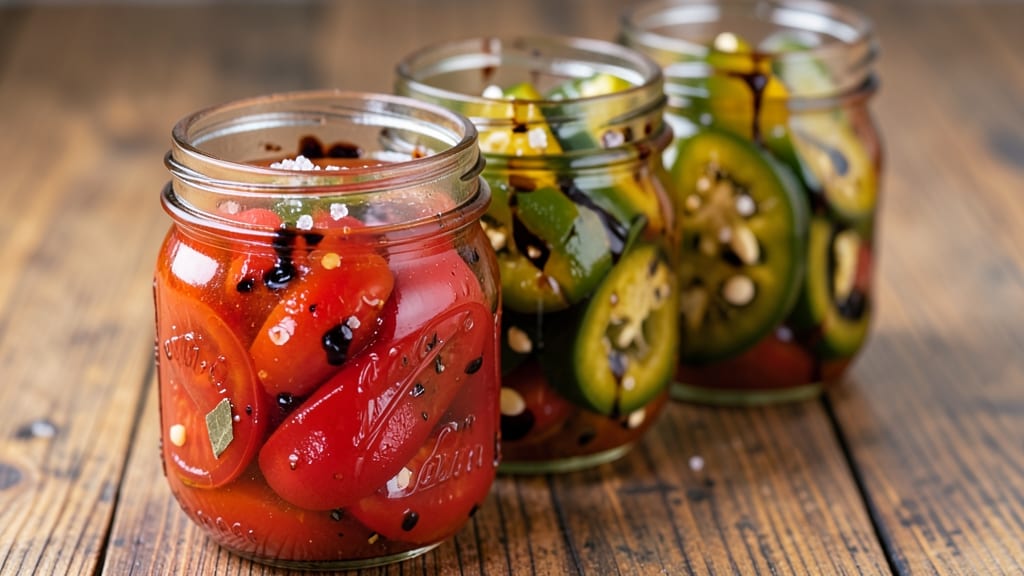
Canning banana peppers in tomato sauce transforms summer's fiery crunch into a pantry staple that adds depth to everything from sandwiches to charcuterie boards. The process requires precision—sterilized jars, proper acidification, and a gentle simmer to preserve both texture and flavor without compromising safety.
I've perfected this method after years of testing, ensuring the peppers stay vibrant and the sauce rich enough to stand alone or elevate dishes.
The key to success lies in balancing acidity and heat—tomato sauce provides natural acidity while the peppers contribute their signature heat. This recipe delivers a foolproof method for beginners and professionals alike, with clear steps for sterilization, filling, and processing.
The result is a versatile condiment that keeps for months, ready to add brightness to any meal. Every jar becomes a flavor reservoir, turning simple recipes into gourmet experiences.
What you'll achieve is a batch of glossy, golden jars filled with peppers that retain their crisp bite and a sauce thick enough to coat but light enough to enhance. The peppers won't turn mushy, and the sauce won't separate—just rich, balanced, and ready to use.
This isn't just canning; it's preserving summer's boldest flavors in a way that makes your kitchen taste like a restaurant. Let's get started with a method that's both professional and approachable.
Once canned, these peppers work as a topping for pizzas, a garnish for soups, or a star on antipasto platters. The tomato sauce's acidity ensures safety while adding complexity, and the peppers deliver that unmistakable heat that turns ordinary meals into memorable ones.
Store in a cool, dark place, and you'll have summer's best flavors year-round. Here's how to make it happen with confidence.
Ingredients for canning banana peppers in tomato sauce
Six jars of summer heat preserved in rich tomato sauce. Simple ingredients, professional results.
| Ingredient | Amount | Notes |
|---|---|---|
| Banana Peppers 🍅 | 4 cups | Fresh, firm, and vibrant yellow |
| Canned San Marzano Tomatoes 🍅 | 2 cups | Crushed or diced, no salt added |
| Extra-Virgin Olive Oil 🫒 | ¼ cup | High-quality, fruity variety |
| White Vinegar 💧 | ½ cup | For proper acidification |
| Granulated Sugar 🍚 | ½ cup | Balances acidity and sweetness |
| Salt 🧂 | 1 ½ tsp | Kosher or sea salt preferred |
| Garlic Cloves 🧄 | 4 cloves | Fresh, peeled, and minced |
| Fresh Basil Leaves 🌿 | ¼ cup | Chopped, for aroma |
| Dried Oregano 🍃 | 1 tsp | For herbal depth |
| Bay Leaves 🌿 | 2 whole | For subtle earthy flavor |
| Pint-Sized Mason Jars 🍶 | 6 pieces | With screw bands, sterilized |
| Mason Jar Lids 🔒 | 6 pieces | New, unused lids for sealing |
| Mason Jar Rings ⚙️ | 6 pieces | For tight sealing |
The quality of your peppers and tomatoes makes all the difference. Ball or Kerr brand canning jars are the gold standard—look for the wide-mouth pint size for easy filling. For tomatoes, San Marzano is non-negotiable; their natural sweetness and low acidity create the perfect balance. Banana peppers should be firm and vibrant yellow, not wilted or discolored. I source mine from local farms in late summer when they're at peak ripeness, but grocery store peppers work fine if you can't find fresh ones. The vinegar and sugar duo is critical—this isn't just about preservation, it's about creating a sauce that sings.
No San Marzano tomatoes? Crushed tomatoes in a high-quality jarred brand like Muir Glen work in a pinch, but you'll notice the difference in flavor depth. Short on basil? Dried oregano at double the amount provides similar earthy notes. The vinegar can be swapped for lemon juice at the same quantity, though it won't preserve as long. For the peppers, if you can't find banana peppers, jalapeños or serrano peppers work—just adjust the heat level to your preference. The garlic can be omitted if you dislike it, but I'd recommend keeping it for that subtle depth. And if you're concerned about the sugar, you can reduce it to 0.25 cup for a less sweet profile, though the acidity balance might shift slightly.
Sterilize your jars and lids in boiling water for 10 minutes before filling—this is non-negotiable for safety. The peppers and sauce will keep for 12-18 months in a cool, dark pantry once properly sealed. I always date my jars with a marker on the lid so I can track freshness. For best results, use within the first year. The sauce thickens slightly over time, so if it seems too thin when you open a jar, just reheat it gently and it'll come together. These jars make incredible gifts—just tie a ribbon around the lid and you've got a restaurant-quality condiment that'll impress anyone.
Why You'll Love This Recipe
- No-Chop Required: I swear, the only prep is slicing peppers—no dicing, no mincing, no mess. Just wash, slice, and let the tomatoes and vinegar do the work while you sip coffee.
- Sweet-Savory Magic: That balance of sugar and vinegar? Chef’s kiss. The peppers stay crisp, the sauce clings like a hug, and the San Marzano tomatoes add depth without overpowering—like a grown-up pickled pepper.
- Pantry-to-Jar Ready: Honestly, this is my go-to for lazy Sundays or last-minute gifts. Jarred peppers stay fresh for months, and they’re perfect for charcuterie boards, sandwiches, or tossing into pasta—no last-minute shopping needed.
- Budget-Friendly Luxury: San Marzano tomatoes and banana peppers stretch your dollar hard. A few jars mean no more overpriced store-bought pickles, and the vinegar-sugar combo keeps costs low while tasting like you spent hours (but you didn’t).
Step-by-step instructions for canning banana peppers in tomato sauce
Here's the method for preserving vibrant banana peppers in rich tomato sauce.
Sterilize Jars and Prepare Peppers
Begin by sterilizing all 6 pieces pint-sized mason jars, 6 pieces mason jar lids, and 6 pieces mason jar rings in boiling water for 10 minutes. This ensures a safe seal and prevents contamination. While they sterilize, wash the 4 cups banana peppers thoroughly and remove stems. Cut them into ½-inch slices for even cooking.
Real talk: Don't skip sterilizing—even if jars look clean. Any bacteria left behind can spoil your preserves. I place jars in a large pot with enough water to cover them completely, then bring to a full boil for the full 10 minutes. Keep them hot until you're ready to fill them.
Prepare the Tomato Sauce Base
In a large saucepan, combine the 2 cups canned San Marzano tomatoes, 0.5 cup white vinegar, 0.5 cup granulated sugar, 1.5 tsp salt, 4 cloves garlic cloves, 1 tsp dried oregano, and 2 whole bay leaves. Bring to a boil over medium-high heat, then reduce to a simmer for 15 minutes. This allows the flavors to meld and the sauce to thicken slightly.
The reason we simmer is to develop the tomato flavor and ensure proper acidification—critical for safe canning. You'll notice the sauce reduces slightly and becomes more concentrated. Taste and adjust seasoning if needed, but don't add more sugar or salt at this stage.
Add Peppers and Olive Oil
Once the sauce has simmered, stir in the sliced 4 cups banana peppers and 0.25 cup extra-virgin olive oil. Simmer for another 5 minutes until the peppers are tender but still vibrant. The olive oil adds richness and helps preserve the peppers' natural color. You'll see the peppers soften slightly but maintain their shape.
Here's the thing—don't overcook the peppers. You want them to remain crisp-tender, not mushy. The 5 minutes simmer time is crucial. Remove the 2 whole bay leaves before filling the jars, as they've served their purpose in flavoring the sauce.
Fill Jars and Process for Preservation
Using a ladle or funnel, carefully fill each of the 6 pieces pint-sized mason jars with the pepper-tomato mixture, leaving ½-inch headspace at the top. This space allows for proper expansion during processing. Wipe the jar rims with a clean, damp cloth to ensure a good seal, then place the mason jar lids and mason jar rings on each jar and tighten until fingertip-tight.
Place the filled jars into a canning pot or large stockpot filled with 2-3 inches of hot water. Bring to a gentle boil and process for 35 minutes. The water should cover the jars by at least 1 inch. This processing time ensures the peppers and sauce are safely preserved.
Cool and Store the Preserved Peppers
After processing, remove the jars from the pot and let them cool completely on a towel-lined counter. You'll hear the lids pop as they seal—this is the sound of success. Once cool, check the seals by pressing down on the center of each lid. If it doesn't pop back up, the jar is sealed and ready for storage.
Store the sealed jars in a cool, dark place for up to 12 months. The preserved peppers will retain their vibrant color, tangy-sweet flavor, and crisp texture. Use them in pasta dishes, stir-fries, or as a topping for pizzas and grilled meats. Each jar yields about 1 cup of preserved peppers, perfect for 4 servings.
Pro Tips For Making Canning Banana Peppers In Tomato Sauce
- STIR CONSTANTLY: The second those tomatoes hit the pot, keep that spoon moving—no clumping allowed. I learned this the hard way when my first batch turned into a gloppy mess. A steady stir for 10-15 minutes prevents scorching and keeps the sauce smooth, especially when sugar and vinegar start reacting.
- SLICE PEPPERS UNIFORM: Cut those banana peppers into even ¼-inch strips—thicker slices stay crunchy, thinner ones turn mushy. Use a sharp knife and work in batches if needed; crowded peppers steam instead of crisping. (Yes, even if you’re impatient like me.)
- ACIDIFY BEFORE CANNING: Mix the vinegar into the hot sauce before filling jars—this guarantees proper acidity for safe storage. Skipping this step risks botulism, and trust me, you don’t want to learn that lesson the hard way. A quick pH test strip confirms if you’re in the clear.
- SIMMER LOW AND SLOW: Reduce the sauce to a gentle simmer after 20 minutes—boiling hard turns it bitter and ruins the texture. Cover the pot and let it bubble softly for another 10 minutes. This is where flavor actually develops, not when you’re rushing.
Regional styles of this recipe
Southern Italian Style
In Southern Italy, this technique takes on a rustic charm with the addition of sun-dried tomatoes and red pepper flakes. I like to blend ¼ cup chopped sun-dried tomatoes into the sauce before canning, adding a deep, concentrated flavor that pairs beautifully with the banana peppers.
The Italians also use 1 tsp red pepper flakes per jar, tossed in after processing to create a subtle, smoky heat. Serve these jars on bruschetta or drizzled over grilled seafood for an authentic touch. 🍅
Texas BBQ Twist
Texans love to kick up the heat and add smoky depth by incorporating ¼ cup smoked paprika and 1 tsp liquid smoke into the tomato sauce base. The result is a condiment perfect for slathering on pulled pork sandwiches or mixing into BBQ sauces.
I also recommend adding ½ cup chopped green onions to each jar for a fresh contrast to the smoky flavors. This version becomes a staple in Texas BBQ joints for adding a tangy, spicy kick. 🌶️
Mediterranean Herb Infusion
For a Mediterranean flair, infuse the sauce with 1 tbsp dried thyme, 1 tsp dried rosemary, and 2 sprigs fresh thyme while simmering. The herbs add an earthy complexity that complements the peppers beautifully.
After processing, garnish each jar with a sprig of fresh thyme tied with twine for presentation. This variation works wonderfully as a topping for grilled lamb or as a condiment for hummus and flatbread. The herbs keep the peppers vibrant and add layers of flavor. 🌿
Spicy Caribbean Fusion
Inspired by Caribbean flavors, this version incorporates 1 tbsp allspice berries, 1 tsp ground cinnamon, and 1 scotch bonnet pepper (seeded and minced) into the sauce. The allspice and cinnamon add warmth, while the scotch bonnet brings a fiery punch.
After canning, these peppers are perfect for adding to jerk chicken marinades or as a topping for grilled pineapple. The sweetness of the tomato sauce balances the bold spices beautifully. 🔥
Classic Appalachian Relish
The Appalachian Mountains have their own take on this recipe, often including ½ cup finely diced onions and 1 tsp mustard seeds in the sauce. The onions add a sharp sweetness, while the mustard seeds contribute a subtle tang.
This version is traditionally served with fried chicken or as a side for cornbread. The peppers retain their crunch, making this relish a beloved staple at family gatherings. The combination of sweet, tangy, and spicy makes it irresistible. 💛
Modern Fusion with Balsamic
For a contemporary twist, finish the sauce with 2 tbsp balsamic vinegar and 1 tbsp honey before canning. The balsamic adds a rich, tangy depth, while the honey balances the acidity. This fusion works beautifully as a condiment for charcuterie boards or drizzled over burrata.
The peppers in this version have a glossy sheen and a complex flavor profile that elevates any dish. It’s a favorite for modernizing classic recipes with a touch of sophistication. 🍷
Nutrition facts
Frequently asked questions
Why is vinegar essential in this canning recipe?
Vinegar is crucial for proper acidification—it helps prevent botulism by creating an environment where harmful bacteria can't grow. The 0.5 cup of white vinegar in this recipe ensures the pH level stays safe for long-term storage. Without it, even home-canned foods can spoil.
Can I use fresh tomatoes instead of canned?
Fresh tomatoes work, but you must add extra acidity—either 2 tbsp lemon juice per pint jar or 5% bottled lemon juice. Canned San Marzano tomatoes are ideal because they're already acidified and have consistent flavor. Fresh tomatoes require more monitoring to ensure safety.
How do I know if my sealed jars are properly canned?
After cooling, press the center of each lid—if it doesn't pop back up, the jar is sealed. Also check for a slight indentation in the lid. If any jars don't seal, refrigerate and use within 1 week. Unsealed jars are safe to eat immediately but won't store long-term.
What can I do if my peppers turn mushy during canning?
Mushy peppers usually mean overcooking. The 5-minute simmer time is critical—don't exceed it. For future batches, slice peppers thinner (¼-inch instead of ½-inch) and reduce simmer time to 3 minutes. Also ensure your water bath reaches a rolling boil during processing.
How long will these preserved peppers keep?
Properly canned peppers in tomato sauce last 12-18 months in a cool, dark pantry. Always store jars upright to prevent leakage. After opening, refrigerate and use within 1 week. The sauce may thicken slightly over time—just reheat gently to restore consistency.