
Sauces & Condiments
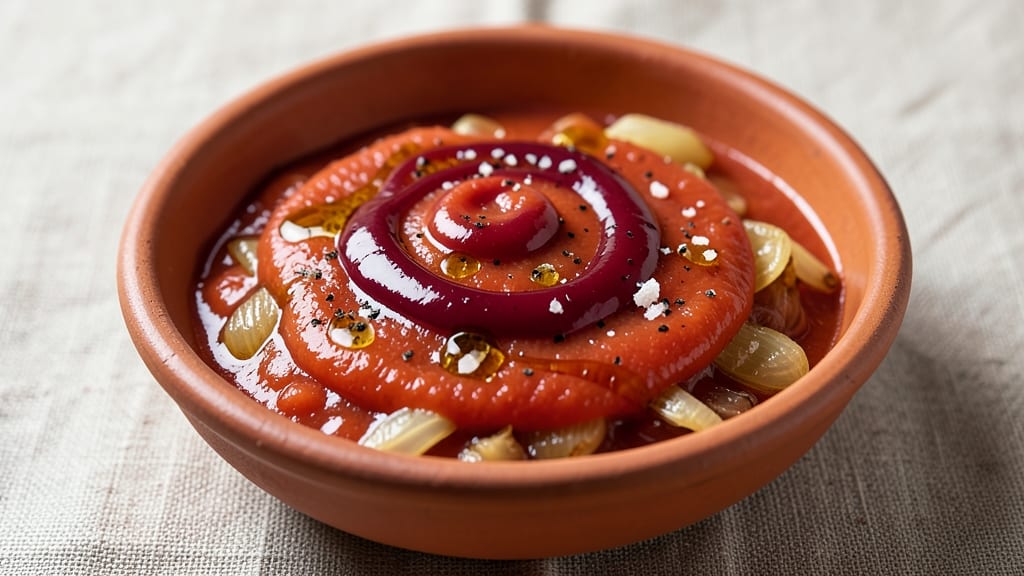
Transforming simple canned Roma tomatoes into a rich, umami-packed sauce takes just 30 minutes of focused simmering—a technique I’ve perfected for restaurant-quality depth at home. The key lies in balancing acidity, sweetness, and aromatics while reducing the sauce to a concentrated paste that intensifies flavor without overpowering it.
This isn’t just a base for pasta; it’s a versatile sauce that elevates everything from pizza to braised meats.
The process is straightforward but precise: crushed Roma tomatoes simmer with garlic, onion, and herbs until the liquid reduces by half, leaving behind a thick, glossy sauce with a velvety texture.
A splash of red wine vinegar brightens the acidity, while a pinch of sugar rounds out the natural tartness of the tomatoes. The result? A sauce that’s bold enough to stand alone but flexible enough to adapt to any dish.
What sets this sauce apart is its concentrated umami—achieved through slow simmering and careful seasoning—that transforms ordinary meals into something deeply flavorful. Unlike store-bought versions, this sauce develops layers of complexity as it reduces, with aromatics infusing every spoonful.
It stores beautifully in the fridge for up to a week or freezes for months, making it a pantry staple worth repeating.
Use it as a quick marinade, a pizza sauce, or a stew thickener—this sauce is the backbone of countless dishes. Let’s get started on creating your own batch.
Ingredients for canned roma tomato sauce
Pantry staples and crushed tomatoes transform into restaurant-quality sauce in just 30 minutes.
| Ingredient | Amount | Notes |
|---|---|---|
| Canned Roma Tomatoes 🍅 | 28 oz | Crushed or hand-crushed for texture |
| Yellow Onion 🧅 | 1 whole | Medium size, finely diced |
| Garlic Cloves 🧄 | 4 cloves | Fresh, minced for aromatic depth |
| Extra-Virgin Olive Oil 🫒 | ¼ cup | High-quality, fruity variety |
| Red Wine Vinegar 🍷 | 1 tbsp | Brightens acidity naturally |
| Granulated Sugar 🍚 | 1 tsp | Balances tomato tartness |
| Dried Oregano 🍃 | 1 tsp | Mexican oregano preferred |
| Dried Basil 🌿 | 1 tsp | Sweet variety for depth |
| Diamond Crystal Kosher Salt 🧂 | 1 tsp | Fine grain for even seasoning |
| Black Peppercorns 🌶️ | ½ tsp | Freshly cracked for heat |
The canned Roma tomatoes are the foundation—look for brands like Muir Glen or San Marzano if you want that extra depth, but any quality canned Roma works. Fresh garlic and onion are non-negotiable here; no powdered shortcuts. The extra-virgin olive oil should be fruity and peppery—California Olive Ranch or Colavita are my go-tos. If you're using dried herbs, Penzeys or bulk bins at natural markets have the freshest, most aromatic options. For the vinegar, red wine vinegar is ideal, but balsamic works in a pinch if that's what you've got.
No red wine vinegar? White wine vinegar or lemon juice will work, though the flavor profile shifts slightly. Substituting dried herbs? Use half the amount—dried basil at 0.5 tsp instead of 1 tsp fresh. For extra umami, add a 1 tbsp soy sauce or 1 tsp fish sauce (trust me, it disappears into the sauce). If you're short on sugar, a pinch of honey or maple syrup works too. The key is balancing the acidity and sweetness to let the tomato flavor shine through—taste as you go!
This sauce thickens as it cools, so don’t over-reduce it. Store in an airtight container in the fridge for up to 1 week—it actually tastes better the next day as flavors meld. For longer storage, freeze in ice cube trays or small jars for up to 6 months. Portion it out for easy use in future dishes. The sauce doubles as a marinade, pizza base, or braising liquid—versatility at its finest.
Why You'll Love This Recipe
- No Chopping Nightmares: I swear by canned Roma tomatoes here—no stemmy vines or blistered fingers. Just open, drain, and you’re halfway to dinner. The onions and garlic take two minutes in a pan, and suddenly, you’ve got a sauce that tastes like it simmered all day.
- Umami Bomb in Minutes: That red wine vinegar? It’s the secret weapon. A splash brightens the tomatoes, cuts through the richness, and leaves you with a sauce that’s tangy, deep, and ridiculously flavorful. Honestly, I’ve made this with just salt and oil before—this version makes it sing.
- Pasta Party Starter: This sauce is my go-to for quick weeknight dinners, but it’s also the star of potlucks. Dump it on spaghetti, toss it with grilled chicken, or ladle it over polenta. It’s the kind of sauce that makes you sound like a chef, even when you’re just heating a can.
- Budget-Friendly Pantry Hero: A few dollars for a can of tomatoes and a bulb of garlic? That’s a steal for a sauce that lasts all week. I’ve frozen jars of this for months—it’s my cheap, reliable backup when fresh ingredients are out of reach. Plus, the olive oil adds richness without breaking the bank.
Step-by-step instructions for simmered umami concentrate
Here's how to transform canned Roma tomatoes into a rich, layered sauce with depth and balance.
Sauté the Aromatic Base
Heat the 0.25 cup extra-virgin olive oil in a medium saucepan over medium heat. Add the 1 whole yellow onion, finely diced, and cook for 5-6 minutes until softened and translucent. Here's the thing—don't rush this step. The onions should release their natural sweetness before you move forward.
Once the onions are golden and caramelizing slightly at the edges, add the 4 cloves garlic cloves, minced. Cook for another 30 seconds until fragrant—you'll know it's ready when the kitchen fills with that unmistakable garlic aroma. This aromatic base forms the flavor foundation for your sauce, so take your time here.
Deglaze and Add Tomatoes
Pour in the 1 tablespoon red wine vinegar and scrape up any browned bits from the bottom of the pan. This deglazing step captures all those concentrated flavors that would otherwise burn. Let the vinegar simmer for 1 minute until it mostly evaporates.
Add the 28 oz canned Roma tomatoes, crushed or hand-crushed for texture. Stir well to combine with the onion and garlic mixture. The tomatoes should be fully incorporated, and you'll notice the sauce immediately take on a deeper, richer color. This is when the magic starts happening—those canned tomatoes are about to transform into something extraordinary.
Season and Simmer
Add the 1 teaspoon granulated sugar, 1 teaspoon dried oregano, 1 teaspoon dried basil, 1 teaspoon diamond crystal kosher salt, and 0.5 teaspoon black peppercorns. Stir everything together until the salt and sugar dissolve completely. The sauce should smell complex—bright from the vinegar, sweet from the sugar, and earthy from the herbs.
Bring the sauce to a gentle simmer, then reduce the heat to low. Let it cook uncovered for 20-25 minutes, stirring occasionally. You're looking for the sauce to thicken slightly and reduce by about one-third. The aroma should become more concentrated, with layers of tomato, garlic, and herbs melding together. This is where patience pays off—rushing will leave you with a thin, watery sauce.
Adjust and Finish
Taste the sauce and adjust the seasoning if needed. You might want to add a pinch more salt or a splash more vinegar to brighten the acidity. The sauce should be balanced—sweet, tangy, and savory with a deep umami richness.
For a smoother texture, use an immersion blender to blend the sauce directly in the pot. If you prefer a chunkier texture, simply stir well and let it sit for 5 minutes to allow any foam to settle. Serve immediately over pasta, or let it cool and store for up to 5 days in the refrigerator. This sauce is the backbone of so many dishes—it's worth every minute of simmering time.
Pro Tips For Making Canned Roma Tomato Sauce
- CRUSH THE ONIONS FIRST: Ditch the mincer and finely dice that onion—think rice-sized pieces, not slices. I used to slice them and wondered why my sauce tasted like raw onion chunks. A sharp knife and 30 seconds of chopping make all the difference.
- SIMMER LOW AND LONG: Start with medium heat to blister the garlic, then drop it to a bare simmer. Skipping this step means you’ll either burn the garlic or end up with a watery sauce. Forty-five minutes at low heat builds depth—no shortcuts here.
- DRAIN THE TOMATO JUICE: Pour those canned tomatoes through a colander first to ditch the excess liquid. I learned this after three batches where the sauce turned into soup. Save the juice for another day—your sauce will thicken naturally as it cooks.
- ACIDIFY AT THE END: Hold off on that red wine vinegar until the very last 5 minutes. Add it too early, and the acid will fight with the garlic, making the flavor taste harsh. A splash at the end brightens the sauce without overpowering it.
Regional styles of this recipe
Italian Grandma Style
In Italy, this sauce is often called sugo and is the heart of traditional dishes like ragù alla bolognese or pasta al pomodoro. The key difference?
Italians frequently add a fresh basil leaf at the end and a splash of dry white wine (about ¼ cup) to deglaze before tomatoes. I like using San Marzano tomatoes for their natural sweetness, and I always simmer the sauce uncovered for 30-40 minutes to concentrate flavors.
The result is a sauce so rich it can stand alone as a condiment. 🌿
Texas BBQ Twist
Southern cooks transform this sauce into a smoky, spicy base for BBQ dishes. Add 1 tbsp smoked paprika, ½ tsp cayenne pepper, and a 1-inch cube of beef bouillon (like Knorr) to deepen the umami. Simmer for 45 minutes to intensify the smokiness.
This version works perfectly as a marinade for brisket or as a thickener for chili. I’ve even used it as a glaze for grilled chicken wings—trust me, it’s a game-changer. 🔥
Mexican Salsa Style
For a bold, chunky salsa, skip the sugar and add 1 jalapeño, 1 tsp cumin, and ½ tsp chili powder after simmering. Use a blender to partially purée the sauce while keeping some texture.
This version is perfect for tacos, nachos, or as a dip. I love adding a lime zest at the end to brighten the flavors. The acidity from the tomatoes balances the heat beautifully. 🌶️
Southern Italian "Pasta al Pomodoro"
In regions like Sicily and Naples, this sauce is often blended silky smooth and tossed with orecchiette pasta. The secret? Add a pinch of nutmeg (just ⅛ tsp) and a splash of pasta water to loosen the sauce.
I also like finishing with fresh basil and a drizzle of extra-virgin olive oil right before serving. This version is lighter but still packed with flavor—ideal for quick weeknight dinners. 🍝
Cajun Creole Adaptation
For a spicy, bold Cajun twist, add 1 tsp filé powder (made from ground sassafras leaves) and ½ tsp cayenne after simmering. This version is perfect for gumbo, jambalaya, or even shrimp étouffée.
The filé powder adds a unique earthy depth, while the cayenne brings heat. I often serve this sauce with cornbread for a true Southern meal. 💛
Spanish Sofrito Base
In Spain, this sauce is called sofrito and is the foundation for dishes like paella or stews. The key is to sauté the onions and garlic until deeply caramelized (about 10 minutes)) before adding tomatoes.
Add 1 tsp smoked paprika and ½ tsp saffron threads (steeped in 2 tbsp warm water) for authentic flavor. This version is rich, slightly sweet, and perfect for braising meats or rice dishes. 🌟
Nutrition facts
Frequently asked questions
Can I use fresh tomatoes instead of canned?
Fresh tomatoes work but require extra prep. Use 4-5 large ripe tomatoes (about 1.5 lbs) and roast them first at 400°F for 20 minutes to concentrate flavors. Peel, seed, and crush them before using in the recipe. Fresh tomatoes have more water content, so simmer for 5-10 minutes longer to achieve the same thickness.
How do I adjust the thickness for different dishes?
For pasta: Use the sauce as-is—it should coat the back of a spoon. For soups/stews: Thin with 1-2 tbsp water or broth per 1 cup sauce. For pizza: Spread directly (no thinning needed). Need it thicker? Simmer uncovered for 5-10 extra minutes or blend briefly to remove air bubbles.
Why does my sauce taste too acidic?
Too much vinegar or underripe tomatoes cause this. Balance it by adding ½ tsp sugar or 1 tsp honey per 1 cup sauce. For deeper flavor, stir in 1 tsp soy sauce or ½ tsp fish sauce (trust me, it works!). Simmer for 2-3 minutes to let flavors meld—don't rush this step.
Can I make this sauce in a slow cooker?
Yes! Combine all ingredients in your slow cooker and cook on LOW for 4-5 hours or HIGH for 2-3 hours. The low-and-slow method deepens flavors but may need thinning with tomato paste if too thick. Stir occasionally to prevent sticking. For best results, finish by simmering on the stovetop for 10 minutes to concentrate flavors.
What's the best way to store leftovers?
Cool completely, then transfer to an airtight container. Fridge: Up to 7 days (flavors improve over time!). Freezer: Portion into ice cube trays or small jars for 6 months. Thaw in the fridge overnight—never microwave directly. The sauce thickens when cold, so stir before reheating with 1 tbsp water per serving.