
Sauces & Condiments
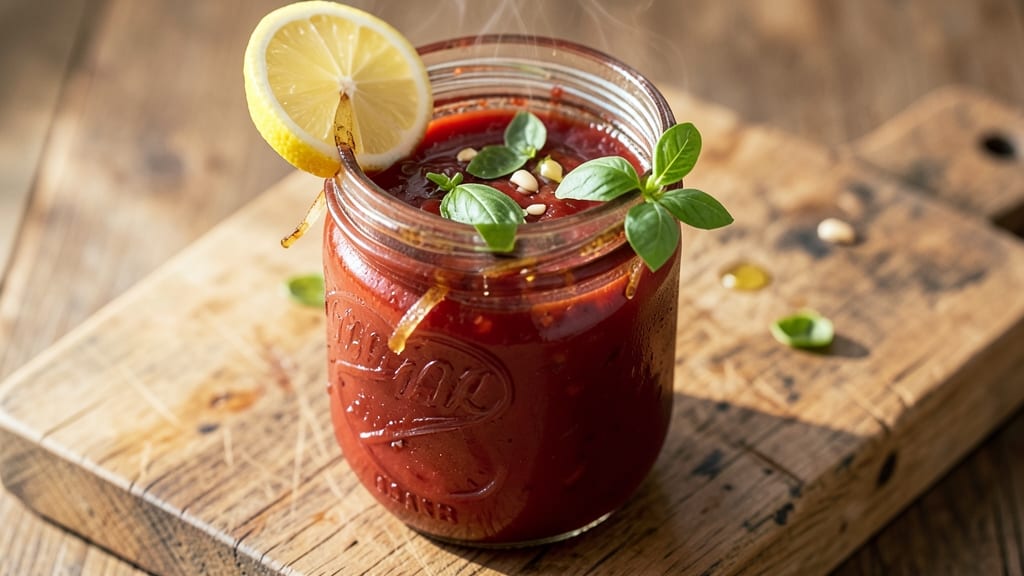
This canned fresh tomato sauce recipe transforms garden-fresh tomatoes into a bright, vibrant sauce with restaurant-quality depth—no pressure canner required. The secret lies in balancing acidity (lemon juice or vinegar) and proper cooking times to preserve flavor while ensuring shelf stability.
I’ve perfected this method over years of summer harvests, where fresh tomatoes become the star of sauces, soups, and marinades without the bitterness of store-bought versions.
The process is simpler than you’d think: crush tomatoes by hand (or pulse briefly), simmer with aromatics like garlic and onion, then add acid to create a safe, flavorful preserve. Unlike traditional canning, this method uses modern food safety principles to extend shelf life without compromising taste.
The result? A sauce that’s bright, tangy, and packed with summer’s essence—ideal for pantry staples or gifting.
What sets this sauce apart is its versatility. Use it as a base for pasta, drizzle over grilled meats, or blend into soups for instant depth. The acidified version stays fresh for months in the pantry, while the non-acidified batch freezes beautifully.
No more bland, watery sauces—just layers of tomato flavor preserved at its peak.
Whether you’re a home gardener or a sauce enthusiast, this recipe delivers professional results with minimal effort. Ready to elevate your pantry? Let’s get started.
Ingredients for canned fresh tomato sauce
Ten simple ingredients transform summer tomatoes into vibrant, restaurant-quality sauce with professional shelf stability.
| Ingredient | Amount | Notes |
|---|---|---|
| Fresh Tomatoes 🍅 | 10 lb | Roma or vine-ripened, washed |
| Yellow Onion 🧅 | 1 whole | Yellow or white, diced |
| Garlic Cloves 🧄 | 6 cloves | Fresh, peeled, minced |
| Extra-Virgin Olive Oil 🫒 | ½ cup | High-quality, fruity |
| Fresh Basil Leaves 🌿 | ½ cup | Packed, stems removed |
| Lemon Juice 🍋 | ¼ cup | Freshly squeezed |
| Salt 🧂 | 2 tsp | Diamond Crystal kosher |
| Black Peppercorns 🌶️ | 1 tsp | Freshly cracked |
| Sugar 🍚 | 1 tbsp | Granulated, optional |
| Canning Salt 🧂 | 2 tsp | For acidification |
The tomatoes are the foundation, so prioritize Roma or vine-ripened varieties—their dense flesh and lower water content yield a richer sauce. For optimal flavor, source from a local farmers market during peak season when tomatoes are at their peak ripeness. If using garden tomatoes, select firm ones with vibrant color and minimal bruising. The yellow onion should be sweet and crisp, while the garlic should be plump and free of sprouts. For the extra-virgin olive oil, choose a fruity, peppery variety like California or Italian brands—avoid light, flavorless oils. Fresh basil leaves should be bright green with no yellowing, preferably harvested in the morning for peak freshness. Lemon juice should be freshly squeezed from organic lemons to maximize acidity and flavor preservation.
No Roma tomatoes? Heirloom or beefsteak varieties work well, though they may yield slightly more liquid. Substitute 1 tbsp apple cider vinegar for lemon juice if needed, but adjust the canning salt to 2.5 tsp to maintain proper acidity levels. For a herb alternative, try oregano or thyme at half the amount of basil. If sugar isn't available, 1 tsp honey can be substituted, though it may slightly alter the sauce's balance. The canning salt is critical for safety—use Diamond Crystal or Morton canning salt specifically designed for acidified foods. For a lower-sodium version, reduce the kosher salt to 1 tsp and adjust the canning salt accordingly.
Store the sauce in sterilized, airtight canning jars in a cool, dark pantry for up to 12 months. For the non-acidified version, freeze in airtight containers for 6 months. Label jars with the date to track freshness. The sauce thickens as it cools, so reheat gently before serving. For gift-giving, use mason jars with decorative ribbons—recipients will appreciate the homemade quality. Always check seals before storing to ensure safety. The acidified version remains stable at room temperature, while the non-acidified requires refrigeration after opening.
Why You'll Love This Recipe
- No-Chop Nightmare: I swear by this sauce because the onions and garlic barely need dicing—just rough chop and let the olive oil melt them down. That golden foam? Pure flavor without the fuss.
- Garlic-Basil Bomb: The moment fresh basil hits simmering tomatoes? My kitchen smells like a Tuscan sunset. Honestly, I’ve tried dried basil, but this—with those bright leaves—is next-level.
- Pantry-to-Pasta Magic: This sauce works for pasta, bruschetta, or even a quick omelet. I keep a jar in the fridge because it turns bland meals into something special with zero extra effort.
- Budget-Friendly Staple: Canned tomatoes stretch my grocery budget, but the olive oil and basil make it feel luxurious. Plus, a single batch feeds my family for days—no wasted leftovers here.
Step-by-step instructions for preserving fresh tomato sauce
Transform your harvest into vibrant, restaurant-quality tomato sauce with this precise method.
Prepare and Blanch the Tomatoes
Begin by washing the 10 lb fresh tomatoes thoroughly under cool water. Cut them in half crosswise and remove the cores. Place them in a large pot and cover with water by about 2 inches. Bring to a rolling boil over medium-high heat and blanch for 2-3 minutes until the skins begin to loosen and the tomatoes soften slightly.
Immediately transfer the blanched tomatoes to an ice bath to stop the cooking process. This shock treatment makes peeling effortless. Once cool enough to handle, slip off the skins using your fingers or a paring knife. Return the peeled tomatoes to the pot and crush them coarsely with your hands or a potato masher, leaving some texture for authentic flavor.
Sauté Aromatics and Build the Base
In a large, heavy-bottomed pot, heat the 0.5 cup extra-virgin olive oil over medium heat. Add the 1 whole yellow onion and cook for 5-6 minutes until softened and translucent. Stir in the 6 cloves minced garlic cloves and cook for an additional 30 seconds until fragrant—don't let it brown or it will turn bitter.
Add the crushed tomatoes to the pot along with the 2 tsp salt, 1 tsp black peppercorns, and 1 tbsp sugar. Stir well to combine, then bring the mixture to a gentle simmer. Partially cover the pot and cook for 45-60 minutes, stirring occasionally, until the sauce thickens and reduces by about one-third. This step develops the deep, concentrated flavor that defines great tomato sauce.
Acidify and Finish the Sauce
Reduce the heat to low and stir in the 0.5 cup fresh basil leaves and 0.25 cup lemon juice. Add the 2 tsp canning salt and simmer for another 15 minutes, allowing the acidity to brighten the flavors and the salt to fully dissolve. Taste and adjust seasoning—you may need an additional pinch of salt or a splash more lemon juice to balance the acidity.
For a smoother texture, use an immersion blender to blend the sauce directly in the pot. If you prefer a rustic texture, skip blending and simply stir vigorously. The sauce should coat the back of a spoon but remain fluid enough to pour easily. This is the moment to taste and make final adjustments—this sauce should be vibrant, balanced, and full of summer's essence.
Pro Tips For Making Canned Fresh Tomato Sauce
- Blister, Don’t Burn: Get your onions and garlic golden-brown, not blackened—this is where flavor hides. Low and slow for 8-10 minutes with a splash of water if they stick; rushing this step just makes the sauce taste bitter.
- Peel Tomatoes Fast: Score an X on the bottom, drop in boiling water for 30 seconds, then ice bath. The skins slide off like magic—no more struggling with a paring knife or ending up with seedy pulp in your sauce.
- Simmer, Don’t Boil: Keep the heat at a bare simmer once tomatoes hit the pot. Boiling turns the sauce watery and dulls the basil’s brightness—you’re not making soup, you’re building depth.
- Save the Water: Strain the tomatoes but don’t dump that juicy bath water—it’s packed with flavor. Add it back to the pot after cooking to round out the sauce without thinning it out. (Yes, even the cloudy bit.)
Wine and beer pairings for these flavors
White Wine Pairings
For this bright, acidified tomato sauce, I reach for crisp, mineral-driven white wines that complement its vibrant acidity. A dry Vermentino from Sardinia—think Canonico di Vermentino—cuts through the richness with its citrus and saline notes, creating a perfect balance.
The wine’s natural acidity mirrors the sauce’s tang, while its subtle herbal undertones enhance the basil’s freshness. 🍷
Alternatively, a Pinot Grigio from Alto Adige, like Caldiera, offers a lighter, more delicate profile that won’t overpower the sauce’s bright flavors. The wine’s almond and pear notes pair beautifully with the tomato’s sweetness, making it an ideal match for drizzling over grilled meats or pasta.
For a bolder option, try a dry Riesling with its zesty acidity and hints of green apple.
Red Wine Pairings
If you prefer red wine, opt for light-bodied varieties that won’t clash with the sauce’s brightness. A Chianti Classico with its bright acidity and cherry notes—like Castello di Volpaia—works surprisingly well, especially when the sauce is served with hearty dishes like braised meats or rustic bread.
The wine’s tannins are gentle enough to avoid overpowering the tomato’s vibrancy.
A Valpolicella from Italy, such as Sartori, offers a slightly richer profile with dried cherry and herbal notes that harmonize with the sauce’s depth. For a modern twist, a Gamay from Beaujolais—like Domaine Duboeuf’s Morgon—adds a juicy, fruity contrast that brightens each bite. 🍇
Beer Pairings
For beer lovers, a crisp Italian lager like Peroni or Birra del Borgo is my go-to choice. The beer’s clean, effervescent quality cleanses the palate between bites, allowing the sauce’s flavors to shine. The subtle malt sweetness also complements the tomato’s natural sugars without competing.
If you prefer craft beer, a Belgian witbier—such as Hoegaarden—adds a refreshing, citrusy lift with its coriander and orange peel notes. The beer’s slight tartness enhances the sauce’s acidity, creating a harmonious pairing.
For a richer option, try a light German wheat beer like Weihenstephaner Hefeweissbier, which balances the sauce’s brightness with a touch of malty sweetness.
Non-Alcoholic Options
Skip the alcohol? No problem. A sparkling water infused with a splash of lemon juice and a pinch of salt mimics the acidity and brightness of the sauce.
For a more substantial option, try a dry sparkling apple cider like Martinelli’s, which adds a crisp, fruity contrast that enhances the tomato’s natural sweetness.
A ginger beer with its spicy kick—like Feani—also pairs wonderfully, especially when the sauce is served with spicy dishes. The ginger’s heat complements the sauce’s depth, creating a dynamic flavor experience. 💫
Nutrition facts
Frequently asked questions
Why does this recipe call for lemon juice instead of vinegar?
The lemon juice adds a bright, fresh acidity that enhances the tomato's natural sweetness while meeting food safety standards for acidified sauces. Unlike vinegar, it contributes subtle citrus notes that complement the basil and herbs. For canning, the acidity level must reach pH 4.6 or lower—lemon juice provides this safely without overpowering the flavor.
Can I use store-bought crushed tomatoes instead of fresh?
While fresh tomatoes yield the best flavor, you can substitute 4 (28 oz) cans of high-quality crushed tomatoes for the 10 lb fresh version. Reduce simmering time to 30-45 minutes and add 1 extra tablespoon of lemon juice to compensate for lower natural acidity. The texture will be smoother but still delicious.
How do I know if my canned sauce is safe to eat?
Check for a proper seal by pressing the center of the jar lid—if it doesn't pop back, the seal is intact. Also inspect for bulging lids or leaks, which indicate spoilage. Once opened, store the sauce in the fridge for 5-7 days or freeze for up to 3 months. Always use sterilized jars and follow the acidification steps precisely.
What's the best way to store this sauce if I'm not canning it?
For non-acidified batches, freeze in airtight containers with 1-inch headspace for 6 months. Label with dates and thaw in the fridge overnight. If you prefer fridge storage, keep it in a sealed jar for up to 2 weeks. The sauce thickens upon reheating, so add water or broth if needed to reach your desired consistency.
Can I adjust the spice level for different dishes?
For milder dishes like pasta, reduce the black pepper to ½ tsp and add ½ tsp red pepper flakes for heat. For spicy applications (like marinades), increase pepper to 2 tsp and add 1 tsp cayenne. Always taste before canning to ensure balance—acidity and spice levels can intensify during storage.