
Sauces & Condiments
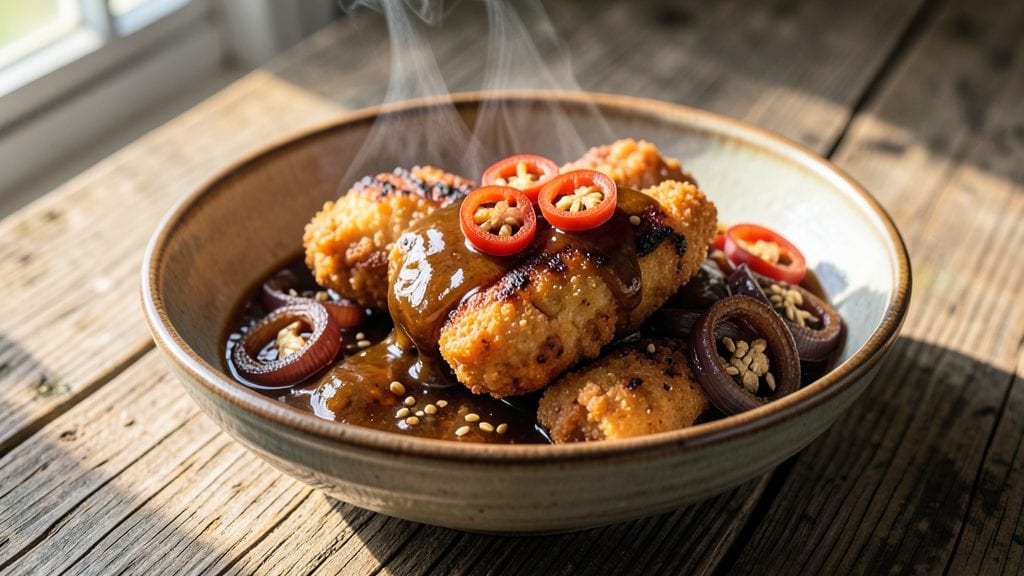
This boil sauce recipe delivers the perfect balance of smoky heat and tangy depth that elevates everything from wings to fries. The secret lies in carefully simmering vinegar, spices, and a touch of sweetness until it transforms into a glossy, velvety condiment that clings to every bite.
I developed this version after years of testing—it’s the one that actually delivers that restaurant-quality kick without overwhelming the dish.
The process is straightforward but requires patience: combining vinegar, brown sugar, and spices in a saucepan, then simmering until thickened. The key is controlling the heat to prevent burning while allowing the flavors to meld into something complex and crave-worthy.
What sets this apart is the smoky depth from liquid smoke and cayenne, which creates that signature boil sauce character without tasting artificial.
By the time you’re done, you’ll have a sauce that’s glossy, slightly sticky, and packed with layers of heat and sweetness. It’s the kind of condiment that turns ordinary fries into a finger-licking experience or transforms basic wings into something worth bragging about.
The best part? It keeps well in the fridge for weeks, so you’ll always have a backup for game day or late-night cravings.
Use it as-is for classic boil sauce flavor, or adjust the spice level to suit your taste. The possibilities are endless—drizzle it over loaded fries, toss it with wings, or even use it as a marinade for grilled meats. Here’s exactly how to make it.
Ingredients for boil sauce
Six core ingredients plus a few pantry staples. That’s all it takes to make restaurant-quality boil sauce at home.
| Ingredient | Amount | Notes |
|---|---|---|
| White Vinegar 💧 | 1 ½ cups | Distilled white preferred |
| Brown Sugar 🍯 | ½ cup | Packed firmly for consistency |
| Liquid Smoke 🔥 | 1 tbsp | High-quality for authentic flavor |
| Cayenne Pepper 🌶️ | 1 ½ tsp | Adjust for desired heat level |
| Ground Black Pepper 🌶️ | ½ tsp | Freshly ground for best flavor |
| Ground Cumin 🌿 | ½ tsp | Toasted for deeper aroma |
| Garlic Powder 🧄 | ½ tsp | Freshly ground preferred |
| Onion Powder 🧅 | ½ tsp | Adds savory depth |
| Salt 🧂 | 1 tsp | Kosher or sea salt preferred |
| Red Pepper Flakes 🌶️ | ½ tsp | Optional for extra heat |
The vinegar is non-negotiable—distilled white gives the cleanest base. Trader Joe’s and Whole Foods carry high-quality distilled vinegar that won’t add off flavors. Brown sugar? Pack it firmly—that ensures consistent sweetness. The liquid smoke is where the magic happens. Barbecue Science or Smoky Mountain brands deliver the most authentic smoky depth without artificial aftertaste. If you’re worried about the smoke flavor being too strong, start with half the amount and adjust to taste.
No cayenne? Red pepper flakes at double the amount work in a pinch, though they’ll be less precise. Want more smokiness? Add another half teaspoon of liquid smoke—just don’t overdo it, or it’ll taste like a campfire. The spices are flexible: swap cumin for smoked paprika if you’re out, but keep the garlic and onion powders—they’re the backbone of the flavor. For a sweeter sauce, add a pinch of cinnamon. The key is balancing the heat, sweetness, and smoke so each bite has layers without being overwhelming.
This sauce gets better with time—24 hours in the fridge lets the flavors meld perfectly. Store it in a glass jar with a tight seal to keep it fresh for up to 3 months. I like to make a big batch and keep it on hand for game day or late-night cravings. It reheats beautifully—just warm it gently on the stove or microwave it in 20-second bursts. The consistency will thicken further as it cools, so don’t worry if it looks too thin right after making it.
Why You'll Love This Recipe
- Pantry Magic: I swear by this recipe because it’s made from things I already have. No special trips to the store—just vinegar, sugar, and a dash of smoke. Honestly, the liquid smoke alone makes it feel like a restaurant secret.
- Smoky Kick: That cayenne and liquid smoke combo? It’s the kind of heat that lingers. Sweet, tangy, and just spicy enough to wake up any dish—grilled chicken, fries, or even a simple salad.
- Game for Any Meal: I keep a jar in my fridge for quick dips, BBQ glaze, or even a hot sauce boost. It’s my go-to for weeknight dinners, tailgates, or when I’m craving something bold without fuss.
- Lasts Forever: This sauce doesn’t spoil fast—it just gets better. I’ve had a bottle sit for months, and it’s still spot-on. Plus, it’s cheap to make, so I never feel bad using it generously. (Yes, even on a Tuesday night.)
Step-by-step instructions for making boil sauce
This tangy, smoky sauce comes together faster than you think—just a few simple steps.
Combine Vinegar and Sugar in a Saucepan
In a medium saucepan, pour in the 1.5 cups white vinegar and add the 0.5 cup packed brown sugar. Stir over medium-high heat until the sugar fully dissolves, which takes about 3-4 minutes. You'll see the mixture bubble gently and turn into a clear, golden liquid.
Here's the thing—I like to give it a quick taste at this stage to check for sweetness balance. If it tastes too mild, you can add a pinch more cayenne later. But don't worry if it's perfect right away; the spices will bring everything together beautifully.
Add Spices and Liquid Smoke
Once the sugar is fully dissolved, reduce the heat to medium-low and stir in all the spices: 1.5 teaspoons cayenne pepper, 0.5 teaspoon ground black pepper, 0.5 teaspoon ground cumin, 0.5 teaspoon garlic powder, 0.5 teaspoon onion powder, 1 teaspoon salt, and 0.5 teaspoon red pepper flakes. Let the mixture simmer gently for 5 minutes to allow the spices to bloom and release their aromas.
After 3 minutes, add the 1 tablespoon liquid smoke. Stir well and let it simmer for the remaining 2 minutes. You'll notice the sauce develop a deeper, richer color and a tantalizing smoky aroma that fills your kitchen. This is where the sauce starts transforming into something truly special.
Simmer Until Thickened
Continue simmering the sauce over low heat for 15-20 minutes, stirring occasionally. You're looking for the sauce to reduce slightly and coat the back of a spoon smoothly. The color will darken to a rich amber, and the tangy, smoky flavors will meld perfectly.
I know it seems like a long wait, but this slow reduction is what creates that perfect balance of heat, sweetness, and smokiness. If the sauce starts to thicken too much, you can add 1-2 tablespoons of water to adjust the consistency. The goal is a glossy, medium-thick sauce that clings beautifully to wings or fries.
Cool and Store
Once the sauce reaches your desired consistency, remove it from heat and let it cool completely. The sauce will thicken even more as it cools, so don't be alarmed if it looks too thin while warm. Transfer the cooled sauce to a clean, airtight container.
This sauce keeps well in the refrigerator for up to 3 months, so you'll have plenty on hand for your next game day or snack attack. The flavors actually improve over time, developing even more depth as they sit. When you're ready to use it, give it a good stir—it should be smooth and ready to drizzle.
Pro Tips For Making Boil Sauce
- Simmer Slowly: I used to dump everything in and crank the heat—big mistake. Boil sauce needs a gentle simmer (low to medium-low) for at least 15-20 minutes. This lets the brown sugar caramelize properly and the vinegar mellow out instead of turning harsh or grainy.
- Stir the Sugar: Brown sugar clumps like a stubborn toddler if you don’t break it up first. Whisk it into the vinegar before adding heat, and keep stirring every 2-3 minutes while simmering. Skipping this leads to a lumpy, uneven sauce—no one wants to deal with that.
- Add Liquid Smoke Last: This is the thing that matters most. If you toss it in too early, the smoky flavor gets cooked off or diluted. Wait until the sauce is thickened and just off the heat, then stir in the liquid smoke. One tablespoon is plenty—any more and it’ll taste like a campfire.
- Taste as You Go: Cayenne and black pepper are finicky. Start with half the recommended amount, simmer, then adjust. If you dump in all the heat first, you might end up with a sauce that’s inedible. A pinch at a time lets you dial it in perfectly—your taste buds (and future BBQ guests) will thank you.
Best sauces and condiments for these flavors
Classic Wings Dipping Sauce
This boil sauce is a game-changer for wings—it clings perfectly and cuts through the richness of fried or grilled chicken. I like to serve it in a small ceramic dipping bowl with a side of blue cheese dressing for contrast.
The smoky heat pairs especially well with spicy honey wings or classic Buffalo-style wings. For extra drama, drizzle it over wings right after frying while they’re still sizzling hot. 🍗
Loaded Fries Upgrade
Transform basic fries into a crowd-pleaser by tossing them with crumbled bacon and shredded cheddar cheese, then drizzling with this boil sauce. The tangy-sweet-spicy combo elevates every bite.
I also add pickled jalapeños for a crunchy, acidic bite that balances the sauce’s heat. Serve with a side of ranch dressing for dipping on the side. 🍟
Grilled Meat Marinade
Use this sauce as a marinade for grilled meats like ribs or brisket—just brush it on during the last 5-10 minutes of cooking. The vinegar tenderizes while the spices add depth.
I like to pair it with BBQ ribs for a smoky-sweet-spicy fusion that’s hard to resist. For extra flavor, let the meat rest in the sauce for 30 minutes before grilling. 🔥
Taco Sauce Alternative
Skip the traditional taco sauce and use this boil sauce as a bold, tangy alternative. It works especially well with carnitas tacos or grilled shrimp tacos. Warm the sauce slightly and drizzle it over the filling, then top with pickled red onions and cilantro.
The smoky heat adds a unique twist to classic taco flavors. 🌯
Deviled Egg Flavor Boost
Mix 1 teaspoon of this boil sauce into your deviled egg filling for a spicy, tangy kick. The heat balances the creaminess of the yolks perfectly. I also add a pinch of smoked paprika to enhance the smoky depth.
Serve with a sprinkle of chopped chives for freshness. This is my go-to for game day appetizers! 🥚
Pizza Sauce Twist
Stir 2 tablespoons of boil sauce into your pizza sauce for a spicy, smoky base. It works especially well with pepperoni pizza or BBQ chicken pizza. The tangy heat cuts through the richness of the cheese.
For extra heat, add crushed red pepper flakes to the sauce before spreading it on the dough. 🍕
Nutrition facts
Frequently asked questions
What's the best way to adjust the heat level in boil sauce?
Start with the 1.5 teaspoons of cayenne pepper in the recipe, then taste as it cools. For milder heat, reduce cayenne by 0.5 teaspoon increments. Want more fire? Add 0.25 teaspoon extra cayenne or 0.5 teaspoon crushed red pepper flakes. Remember, flavors deepen when chilled—wait 30 minutes before final judgment!
Can I make this sauce without liquid smoke?
Yes! Replace the 1 tablespoon liquid smoke with 1 teaspoon smoked paprika plus 0.5 teaspoon chipotle powder for depth. For a smokier profile, add 1/4 teaspoon smoked sea salt. The flavor will be less intense but still delicious—just simmer 5 extra minutes to develop the smokiness.
Why did my boil sauce turn out too thin?
This usually happens when simmering at too high heat or not reducing long enough. For next time, reduce heat to low and simmer 20-30 minutes uncovered. If it's still too thin, simmer uncovered for another 5-10 minutes or stir in 1 teaspoon cornstarch mixed with 1 tbsp water to thicken. The sauce will thicken more as it cools!
How can I use boil sauce beyond wings and fries?
This versatile sauce works as a marinade for grilled meats, a taco sauce alternative, or even a deviled egg kick! Try it in BBQ chicken pizza, loaded nachos, or as a glaze for corn on the cob. The key is balancing its bold flavors—use it as a finishing sauce rather than a main flavor.
Can I substitute white vinegar with apple cider vinegar?
Yes, but expect a slightly sweeter, fruitier profile. Use the same amount of apple cider vinegar, but reduce brown sugar to 0.375 cup to maintain balance. The sauce will still work perfectly—just the flavor character will shift toward a more complex, slightly fruity tang.