
Sauces & Condiments
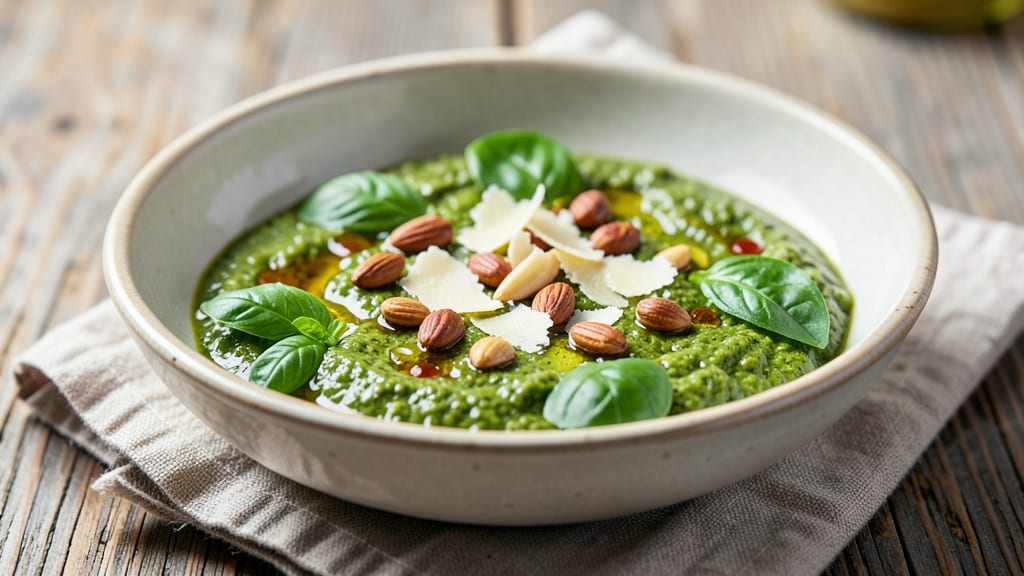
Bobby Flay's pesto sauce recipe delivers that nutty, herby magic with a balance that elevates every dish it touches. The secret lies in his precise technique—starting with fresh basil, toasted pine nuts, and a touch of parmesan that creates a sauce with depth and complexity.
I've replicated this recipe in my kitchen, and the difference between homemade and store-bought is undeniable. Every bite carries that signature perfect harmony of flavors.
This isn't just any pesto—it's a versatile condiment that transforms pasta, sandwiches, and even dips into gourmet creations. The key to Bobby Flay's method is toasting the nuts until golden, which unlocks their natural oils and intensifies their flavor.
A splash of lemon juice brightens the sauce, while garlic and chili flakes add layers of complexity that make this pesto stand out. The result is a sauce that's rich, vibrant, and impossible to resist.
What sets this recipe apart is its adaptability—use it as a pasta sauce, a sandwich spread, or a dip for crusty bread. The texture is silky yet thick enough to cling to ingredients, while the flavor profile balances earthy pine nuts, fresh basil, and salty parmesan.
Whether you're a home cook or a seasoned chef, this sauce will become a staple in your kitchen. Let's dive into the ingredients and techniques that make it so special.
The beauty of this recipe is that it comes together in just 10 minutes with simple ingredients you likely already have on hand. The process is straightforward, but the attention to detail—like toasting the nuts and blending the ingredients to the right consistency—ensures a restaurant-quality result every time.
Store it in the fridge for up to a week, or freeze for longer shelf life. This is pesto sauce done right.
Ingredients for bobby flay pesto sauce
Fresh basil, toasted nuts, and premium olive oil—this is where restaurant-quality pesto begins.
| Ingredient | Amount | Notes |
|---|---|---|
| Fresh Basil Leaves 🌿 | 3 cups | Packed, stems removed, vibrant green |
| Toasted Pine Nuts 🥜 | ¾ cup | Lightly golden, not burnt |
| Garlic Cloves 🧄 | 4 cloves | Peeled, slightly crushed |
| Parmesan Cheese 🧀 | 1 cup | Freshly grated, block preferred |
| Extra-Virgin Olive Oil 🫒 | 1 cup | High-quality, fruity aroma |
| Lemon Juice 🍋 | 2 tbsp | Freshly squeezed, no pulp |
| Red Chili Flakes 🌶️ | ½ tsp | Adjust for heat preference |
| Sea Salt 🧂 | ½ tsp | Fine grain, kosher preferred |
| Black Pepper 🌶️ | ¼ tsp | Freshly cracked, coarse grind |
The basil is non-negotiable—farmers market or high-quality grocery store leaves are essential for that vibrant flavor. Look for deep green, firm stems and avoid any yellowing. Penzeys or local specialty stores often carry the best varieties. Toasting the pine nuts in a dry pan until golden unlocks their natural oils—don’t skip this step, as it intensifies the nutty depth. For the Parmesan, insist on freshly grated Parmigiano-Reggiano from a block; pre-shredded lacks the same richness. Trader Joe’s and Whole Foods typically carry high-quality options, but any reputable deli section will work.
No fresh basil? Spinach or arugula can substitute at the same quantity, though the flavor will differ slightly. Running short on pine nuts? Walnuts or cashews toasted to the same golden hue work beautifully—just expect a different texture. Red pepper flakes can be swapped for cayenne at half the amount for more heat, or omitted entirely for a milder sauce. The olive oil should be extra-virgin with a peppery finish; California or Italian brands like Bertolli or Colavita are reliable choices. If you’re short on lemon juice, white wine vinegar at the same ratio adds brightness without altering the flavor profile significantly.
Pesto oxidizes quickly, so cover the surface with a thin layer of olive oil before sealing in an airtight container. It keeps in the fridge for up to 5 days, though the flavor peaks within the first 24 hours. For longer storage, freeze in ice cube trays—each cube makes a perfect single-serving portion. The sauce thickens as it chills, so add a splash of olive oil when reheating or using. This pesto shines on pasta, grilled meats, or as a sandwich spread, but its versatility extends to soups, risottos, and even marinades for a bold twist.
Why You'll Love This Recipe
- Here’s what sold me: I make a big batch, store it in the fridge, and it stays fresh for weeks—no weird texture changes, just pure flavor waiting to be used. Plus, the pine nuts and Parmesan make it feel fancy without breaking the bank. Budget-friendly, but tastes like a splurge.
- Five-Ingredient Magic: I swear by this recipe because it’s that simple—just pulse basil, garlic, pine nuts, Parmesan, and olive oil in a food processor. No peeling, no measuring cups, no stress. The basil’s bright green turns into a vibrant sauce in seconds, and honestly? That’s the kind of ease I need after work.
- Garlic-Parmesan Punch: Between us, the garlic and Parmesan combo is ridiculously good—crispy toasted pine nuts add that nutty crunch, but the real star is that salty, umami depth from the cheese. It’s the kind of flavor that makes you pause mid-bite and think, “Wait, how did this get so good?”
- Pasta’s Best Friend: This sauce isn’t just for pasta—it’s my go-to for roasted veggies, grilled chicken, or even a quick sandwich spread. (Yes, even on a Tuesday night.) The richness cuts through lean proteins, and the acidity in the basil brightens up anything it touches.
Step-by-step instructions for Bobby Flay's pesto sauce
Here's how to craft a perfectly balanced pesto with vibrant flavor and silky texture.
Toast the Pine Nuts for Rich Nutty Depth
Heat a dry skillet over medium heat and add the 0.75 cup toasted pine nuts. Toast for 3-4 minutes until they're fragrant and just beginning to turn golden. Watch them closely—they burn quickly once they reach color. Remove immediately when golden and transfer to a plate to cool completely. This toasting enhances their natural oils and creates that signature nutty foundation.
Let the pine nuts cool for 5 minutes before processing. Warm nuts release more oil during blending, which can make your pesto too thin. The cooled nuts will give you better control over the final consistency. I like to spread them out on a plate to cool faster while I prepare the basil.
Blend the Fresh Basil and Aromatics
In a food processor, combine the 3 cups fresh basil leaves, 4 cloves garlic cloves, 0.5 tsp red chili flakes, 0.5 tsp sea salt, and 0.25 tsp black pepper. Pulse 2-3 times until the garlic is finely minced but the basil remains mostly intact. This creates a textured base that holds the sauce together without turning it into a smooth paste.
Here's the thing—don't over-blend at this stage. You want visible basil pieces in your final pesto for that authentic, fresh appearance. The perfect balance comes from keeping the basil recognizable while still releasing its oils. If you blend too long, you'll end up with a green sludge rather than a vibrant sauce.
Gradually Add Olive Oil for Creamy Texture
With the processor running, slowly drizzle in the 1 cup extra-virgin olive oil through the feed tube. This gradual addition prevents the processor from seizing up and ensures even distribution. Add about 1 tablespoon at a time, letting each addition fully incorporate before adding more. The oil should coat the basil and garlic completely, creating a thick but pourable consistency.
I've found that adding the oil too quickly can create pockets of uncoated herbs, resulting in an uneven texture. The key is patience—let the processor run continuously while you drizzle. You'll know you're on track when the mixture starts to look like a thick, vibrant green paste that clings together when you press it between your fingers.
Incorporate Cheese and Finish with Acid
Add the 1 cup parmesan cheese and pulse 2-3 times until fully combined. The cheese should melt into the mixture, creating a rich, tangy depth. Then add the 2 tablespoon lemon juice and pulse once more. This final acid component brightens the flavors and balances the richness of the cheese and nuts.
Taste immediately after blending. The sauce should be vibrant, herby, and nutty with a slight tang. If it's too thick, add 1-2 teaspoons of water or olive oil at a time until it reaches a smooth, spreadable consistency. If it's too thin, blend in an additional 1-2 tablespoons of parmesan cheese. The perfect pesto should coat the back of a spoon but still be pourable.
Rest and Adjust for Perfect Balance
Transfer the pesto to a bowl and let it rest at room temperature for 10-15 minutes. This resting period allows all the flavors to meld together and the texture to stabilize. During this time, the oils will fully incorporate and the cheese will soften, creating a more cohesive sauce.
After resting, taste again and adjust the seasoning if needed. You might need a touch more salt to enhance the flavors or a splash more lemon juice to brighten the taste. The sauce should be vibrant, aromatic, and perfectly balanced between herby, nutty, and tangy elements. Store any leftovers in an airtight container in the refrigerator for up to 5 days, or freeze for longer storage.
Pro Tips For Making Bobby Flay Pesto Sauce
- Pulse, Don’t Blend: Bobby Flay’s version thrives on texture—chop the basil roughly first, then pulse in short bursts. I used to puree everything until it was smooth, but this keeps the pine nuts and garlic chunks where they belong. Think "roughly chopped" not "sauce consistency."
- Toast Nuts Low: Pine nuts burn faster than you’d think. Toast them in a dry pan over medium-low heat, stirring constantly, until they’re just golden—about 3-4 minutes. I learned this the hard way after one batch turned into charcoal. Remove them immediately once they smell nutty.
- Skip Pre-Crumbled Parmesan: Grate your own Parmesan—freshly—using the large holes of a box grater. Pre-shredded cheese packs in starch to prevent clumping, and it’s usually lower quality. A quick 30-second job that makes a real difference in flavor and texture.
- Add Oil Gradually: Start with just enough olive oil to coat the basil and garlic, then drizzle in the rest while pulsing. Too much upfront dilutes the bright, herby punch. I was skeptical until I tried it—now I measure it in stages. Aim for about ¼ cup total for a standard batch.
Creative variations of this bobby flay pesto sauce
Sun-Dried Tomato Twist
Swap half the basil for 2 tablespoons sun-dried tomatoes (oil-packed) for a Mediterranean-inspired variation. These add a deep, fruity sweetness that pairs beautifully with the nutty pine nuts. I like to pulse them separately for 5 seconds before combining with the basil to create little bursts of flavor.
This version works especially well on grilled chicken or as a pasta sauce—the tomatoes caramelize slightly when heated, adding another layer of complexity. 🌿
Spicy Chipotle Pesto
For a smoky, spicy kick, replace the red chili flakes with 1 tablespoon adobo sauce from canned chipotles in adobo. Add 1 teaspoon smoked paprika and reduce the lemon juice to 1 tablespoon to balance the heat.
This version is perfect for tacos, grilled steak, or even as a marinade for shrimp. The chipotle’s smokiness complements the garlic and nuts, creating a sauce that’s bold enough for hearty dishes. 🌶️
Walnut & Arugula Version
Swap pine nuts for 0.75 cup toasted walnuts and replace basil with 3 cups arugula. The arugula adds a peppery bite that cuts through the richness of the walnuts, while the walnuts provide a deeper, earthier nutty flavor.
Use 1 tablespoon white wine vinegar instead of lemon juice for a more sophisticated acidity. This version is ideal for salad dressings or as a spread on toasted baguette slices. 🥜
Creamy Ricotta Pesto
For a lighter, creamier texture, blend in 4 ounces whole-milk ricotta cheese along with the parmesan. Reduce the olive oil to 0.75 cup to maintain balance. The ricotta adds a subtle tang and silky smoothness that works beautifully on roasted vegetables or as a dip for crudités.
This variation is especially great for those who prefer a less intense, more approachable pesto. 🧀
Herb-Forward Basil Variations
Experiment with different basil varieties for unique flavor profiles. Thai basil adds a subtle anise note, perfect for Asian-inspired dishes or stir-fries. Genovese basil (the classic) works best for traditional Italian flavors.
For a citrusy twist, add 1 teaspoon grated lemon zest along with the lemon juice. Each variation changes the pesto’s character while keeping the same fundamental technique. 🍋
Nut-Free Option
For a nut-free version, replace pine nuts with 0.75 cup toasted sunflower seeds or pumpkin seeds. Toast them in the same way—until fragrant and golden. Sunflower seeds add a mild, slightly sweet flavor, while pumpkin seeds bring a earthier, more robust taste.
This version is ideal for those with nut allergies but still crave that nutty depth. 🌱
Nutrition facts
Frequently asked questions
Can I make this pesto without a food processor?
Use a mortar and pestle for a more rustic texture. Start by crushing the garlic and red chili flakes, then add the basil leaves and toasted pine nuts. Gradually work in the olive oil while pressing everything together. The result will be slightly chunkier but still full of flavor. For a smoother version, use a blender instead—just add ingredients in stages to avoid overflowing.
How do I prevent pesto from turning brown or separating?
Pesto oxidizes quickly due to the basil. To prevent browning, cover the surface with a thin layer of olive oil before sealing in an airtight container. For separation, ensure you're using cold toasted nuts (warm nuts release too much oil). Also, blend in short pulses to maintain texture rather than over-processing. If it separates, stir in a splash of olive oil or water to restore consistency.
What's the best way to use up leftover pesto?
This versatile sauce works on everything from pasta to grilled meats. Try it as a sandwich spread, marinade for chicken, or even a dip for crusty bread. For longer storage, freeze in 1-tablespoon portions for easy single-use servings. You can also blend it into soups or risottos for an instant flavor boost. The key is to use it within 5 days for peak freshness.
Can I substitute walnuts for pine nuts?
Yes! Walnuts work beautifully and add a deeper, earthier flavor. Toast them until golden (about 5 minutes) and use the same quantity. For a smoother texture, pulse them longer in the food processor. Walnut pesto pairs especially well with roasted vegetables or hearty grains like farro. Just remember—walnuts have a stronger flavor, so start with 0.5 cup if you're unsure.
Why does my pesto taste bitter?
Bitter flavors usually come from over-blending the basil or using wilted leaves. Always use fresh, vibrant basil and pulse just until combined. If it's too bitter, balance it with a splash of lemon juice or white wine vinegar. Another trick is to add a pinch of sugar (just 1/8 teaspoon) to mellow harsh flavors. Taste as you go—adjustments are key to perfect balance.